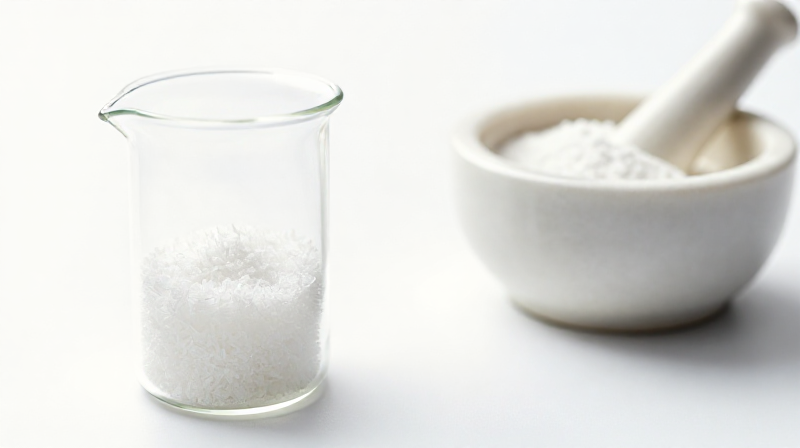

Synthesising Aspirin — The Reaction That Founded Modern Pharmaceuticals
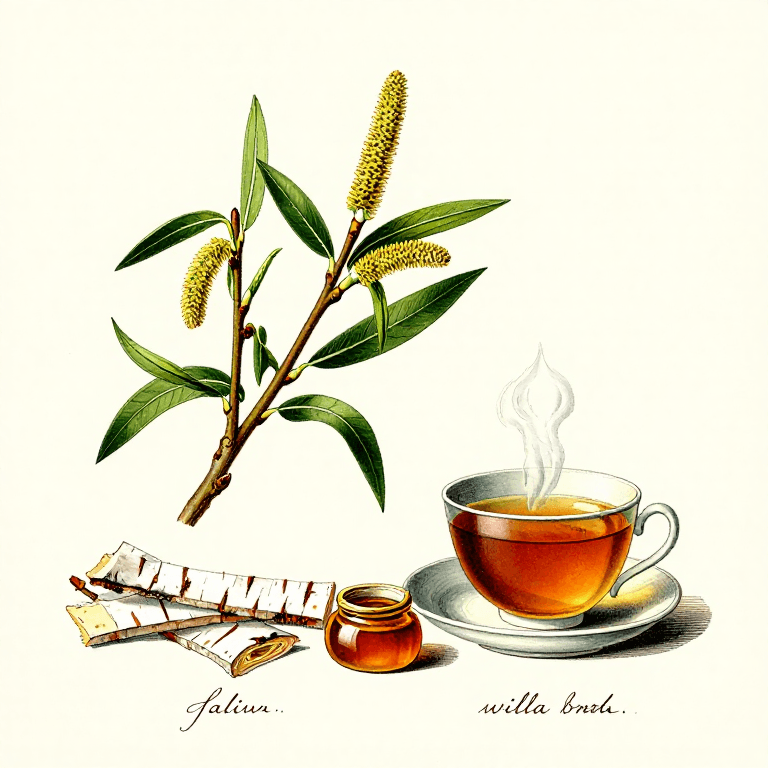
For thousands of years, healers knew that chewing willow bark eased pain and reduced fever. The active principle — salicin, a glycoside that the body converts to salicylic acid — was isolated by Johann Buchner in 1828 and synthesised from phenol by Hermann Kolbe in 1859. But salicylic acid has a devastating side effect: it burns the stomach lining, causing nausea, bleeding, and ulcers.
In 1897, Felix Hoffmann at the Bayer company in Elberfeld, Germany, acetylated salicylic acid — replacing the free hydroxyl group with an acetyl group by reacting it with acetic anhydride. The product, acetylsalicylic acid (C₉H₈O₄), retained the painkilling and anti-inflammatory properties but was far gentler on the stomach. Bayer marketed it as 'Aspirin' in 1899, and it became the first mass-produced synthetic drug — launching the modern pharmaceutical industry.
The synthesis is a textbook esterification: salicylic acid (2-hydroxybenzoic acid) reacts with acetic anhydride in the presence of a phosphoric acid catalyst to produce acetylsalicylic acid and acetic acid as a by-product: C₇H₆O₃ + C₄H₆O₃ → C₉H₈O₄ + CH₃COOH. The reaction is fast, clean, and produces beautiful white needle-like crystals — one of the most satisfying syntheses in introductory organic chemistry.
SAFETY WARNING: Acetic anhydride is a corrosive irritant — its vapour causes severe eye and respiratory irritation. Phosphoric acid is corrosive. Work in a fume hood or well-ventilated area. Wear goggles and gloves. The product, aspirin, is a real medicine — but the purity of a lab synthesis is unknown, so NEVER ingest the product.
Hướng dẫn
Prepare safety equipment and workspace
Prepare safety equipment and workspace
Work in a fume hood or well-ventilated area. Put on chemical splash goggles, nitrile gloves, and a lab coat. Acetic anhydride vapour is acutely irritating to the eyes and respiratory tract — it hydrolyses to acetic acid on contact with moist mucous membranes. Have a beaker of water nearby for rinsing any spills immediately. Keep the acetic anhydride bottle capped when not in use.
Công cụ cần thiết:
 Kính chống hóa chất bắn
 Găng tay cao su nitrile
 Áo blouse phòng thí nghiệm
Weigh the salicylic acid
Weigh the salicylic acid
Weigh 2.0 g of salicylic acid (2-hydroxybenzoic acid, C₇H₆O₃) into a dry 125 ml Erlenmeyer flask. Salicylic acid is a white crystalline powder with a slight phenolic odour. It was first synthesised by Hermann Kolbe in 1859 by treating sodium phenoxide with carbon dioxide under pressure — the Kolbe-Schmitt reaction, one of the earliest industrial organic syntheses. The hydroxyl group on the benzene ring is the target for acetylation.
Vật liệu cho bước này:
 Axit salicylic (cấp USP)2 g
Công cụ cần thiết:
 Cân điện tử chính xác
 Bình tam giác Erlenmeyer
Add acetic anhydride
Add acetic anhydride
Measure 3 ml of acetic anhydride (C₄H₆O₃) using a graduated cylinder and add to the salicylic acid in the flask. Acetic anhydride is a colourless liquid with a sharp, vinegar-like odour — it is the dehydrated form of two acetic acid molecules joined together. It is a more reactive acetylating agent than acetic acid itself because the reaction releases acetic acid (a good leaving group) rather than water. Work quickly and recap the bottle — the vapour is a powerful lacrimator.
Vật liệu cho bước này:
 Anhydrit axetic3 ml
Công cụ cần thiết:
 Ống đong chia vạch
Add the phosphoric acid catalyst
Add the phosphoric acid catalyst
Add 5 drops of concentrated phosphoric acid (H₃PO₄, 85%) to the mixture. The acid serves as a catalyst — it protonates the carbonyl oxygen of the acetic anhydride, making the carbonyl carbon more electrophilic and accelerating the nucleophilic attack by the hydroxyl group of salicylic acid. Swirl gently to mix. Sulfuric acid was used historically but phosphoric acid is preferred because it is less likely to cause charring or side reactions.
Vật liệu cho bước này:
 Axit photphoric (85 %)5 giọt
Heat in a water bath at 75–85 °C
Heat in a water bath at 75–85 °C
Place the flask in a water bath heated to 75–85 °C. Clamp the flask so it does not tip. Heat for 15 minutes, swirling occasionally. The salicylic acid dissolves as the reaction proceeds and the mixture becomes a clear solution. The esterification reaction is: C₇H₆O₃ + (CH₃CO)₂O → C₉H₈O₄ + CH₃COOH. The acetyl group from acetic anhydride replaces the hydrogen on the phenolic hydroxyl, forming the ester bond that defines aspirin. The acetic acid by-product evaporates partly as a vinegar smell.
Công cụ cần thiết:
 Cốc thủy tinh (becher)
 Nhiệt kế phòng thí nghiệm
Decompose excess acetic anhydride with water
Decompose excess acetic anhydride with water
Remove the flask from the water bath and carefully add 20 ml of cold distilled water. The water reacts with the excess acetic anhydride: (CH₃CO)₂O + H₂O → 2 CH₃COOH. This is exothermic — the flask warms noticeably. Stir until no more heat is produced. This step destroys the unreacted acetic anhydride so that it does not contaminate the product. The solution is now a mixture of dissolved aspirin, acetic acid, phosphoric acid, and water.
Vật liệu cho bước này:
 Nước cất20 ml
Công cụ cần thiết:
 Đũa khuấy thuỷ tinh
Crystallise the aspirin by cooling
Crystallise the aspirin by cooling
Place the flask in an ice bath and allow to cool for 10–15 minutes. As the solution cools, acetylsalicylic acid crystallises out as a mass of white, needle-like crystals — aspirin is much less soluble in cold water than in hot. If crystals do not appear, scratch the inside of the flask with a glass rod to provide nucleation sites. The crystals form rapidly once nucleation begins, often filling the flask with a dense white mass within minutes.
Filter and wash the crystals
Filter and wash the crystals
Set up a filtration apparatus with a funnel and filter paper. Pour the crystal suspension through the filter. The white crystals collect on the paper while the acetic acid, phosphoric acid, and water pass through. Wash the crystals twice with 10 ml of cold distilled water to remove residual acid. Press the crystals gently with a spatula to remove excess water. The crude aspirin should be a white, crystalline solid with a faint vinegar-like odour from traces of acetic acid.
Vật liệu cho bước này:
 Giấy lọc1 cái
Công cụ cần thiết:
 Phễu thuỷ tinh có cuống
Dry and weigh the product
Dry and weigh the product
Transfer the crystals to a clean watch glass or evaporating dish and allow to air-dry for 30 minutes. The dried product is pure white, crystalline acetylsalicylic acid — aspirin. Weigh the product: the theoretical yield from 2.0 g salicylic acid is 2.6 g aspirin (the acetyl group adds mass). Typical lab yields are 1.5–2.2 g (60–85%). The crystals have a characteristic needle-like habit and a melting point of 135 °C — testing the melting point is the standard purity check in teaching laboratories.
Công cụ cần thiết:
 Bát bay hơi
Test purity with ferric chloride
Test purity with ferric chloride
Dissolve a few crystals in 5 ml of water and add 1–2 drops of ferric chloride solution (FeCl₃). Pure aspirin gives no colour change or a very faint yellow. If a deep purple colour appears, unreacted salicylic acid is present — the free phenolic hydroxyl reacts with iron(III) to form a coloured complex. In pure aspirin, that hydroxyl is blocked by the acetyl group, preventing the colour reaction. This is one of the simplest and most elegant purity tests in organic chemistry.
Vật liệu cho bước này:
 Dung dịch sắt(III) clorua2 giọt
Công cụ cần thiết:
 Ống nghiệm (borosilicat)
Store the synthesised aspirin
Store the synthesised aspirin
Transfer the dried aspirin to a small glass vial and label: ACETYLSALICYLIC ACID (ASPIRIN) — LAB SYNTHESIS — NOT FOR CONSUMPTION. Store in a cool, dry place. Over time, aspirin slowly hydrolyses back to salicylic acid and acetic acid — old aspirin tablets have a vinegar smell for exactly this reason. Hoffmann's 1897 synthesis created not just a drug but an industry: Bayer's Aspirin was the first branded pharmaceutical, the first drug sold as tablets, and remains the most widely used medicine in history — over 100 billion tablets are consumed annually worldwide.
Công cụ cần thiết:
 Lọ thuỷ tinh có nắp
Vật liệu
8- Tạm thời
- 3 mlTạm thời
- 5 giọtTạm thời
- 20 mlTạm thời
- 1 cáiTạm thời
- Tạm thời
- Tạm thời
- 1 cáiTạm thời
Công cụ yêu cầu
13- Tạm thời
- Tạm thời
- Tạm thời
- Tạm thời
- Tạm thời
- Tạm thời
- Tạm thời
- Tạm thời
- Tạm thời
- Tạm thời
- Tạm thời
- Tạm thời
- Tạm thời
Vật liệu bản thiết kế liên kết
Blueprint liên quan
Các blueprint này chia sẻ kiến thức — kỹ thuật, vật liệu hoặc nguyên tắc
Making Soda Ash by the Leblanc Process — The Chemical That Made Soap and Glass Affordable
bởi Charlie
Công nghiệp
Electrolysis of Water — Splitting the Molecule That Fooled Chemistry for Centuries
bởi Charlie
Công nghiệp
Making Bleaching Powder — The Chlorine Chemistry That Made White Fabric Affordable
bởi Charlie
Công nghiệp
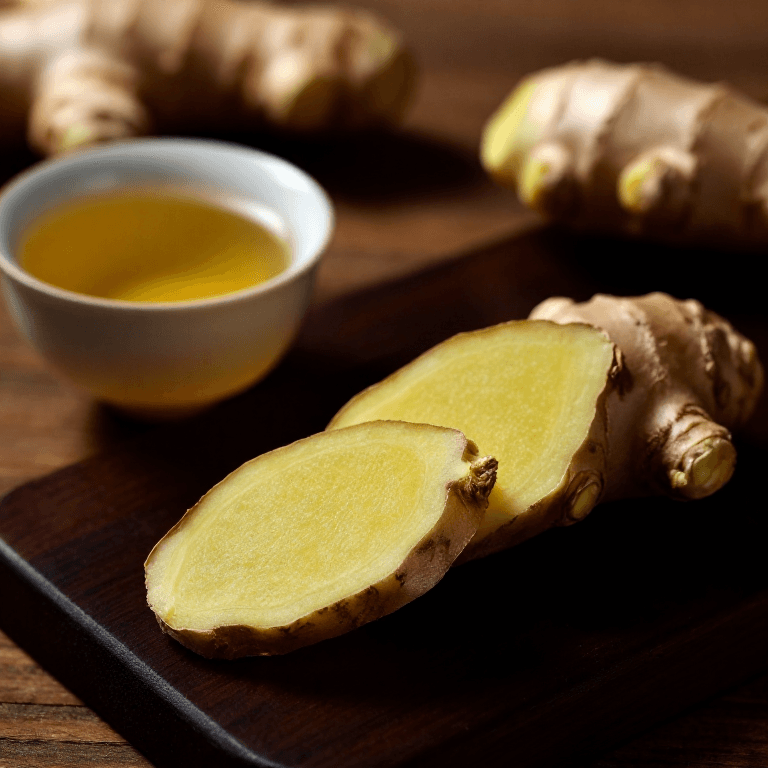
Ginger Root Decoction for Nausea and Inflammation — The Warming Root of Asian Medicine
bởi Bob
Đồ uống nóng
CC0 Phạm vi công cộng
Bản thiết kế này được phát hành theo CC0. Bạn tự do sao chép, sửa đổi, phân phối và sử dụng cho bất kỳ mục đích nào mà không cần xin phép.
Hỗ trợ nhà sáng tạo bằng cách mua sản phẩm qua bản thiết kế, nơi họ nhận Hoa hồng nhà sáng tạo do nhà bán hàng đặt, hoặc tạo phiên bản mới và kết nối trong bản thiết kế riêng để chia sẻ doanh thu.