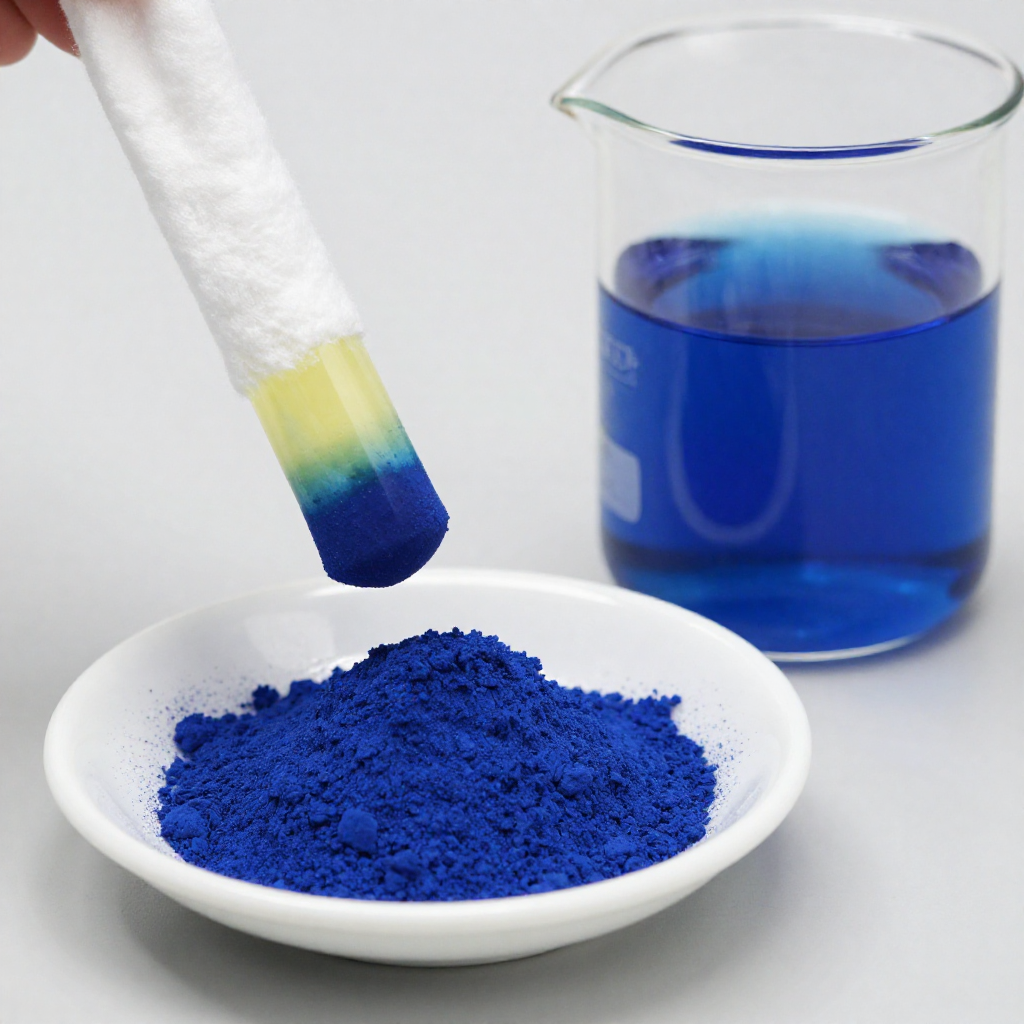

Synthetic Indigo — BASF's Industrial Synthesis That Replaced a Global Crop
In 1897, the Badische Anilin- und Soda-Fabrik (BASF) began commercial production of synthetic indigo — the culmination of seventeen years and 18 million gold marks of research led by Adolf von Baeyer and Karl Heumann. Indigo was the most commercially important dye in the world: the deep blue that colored naval uniforms, work clothes, and eventually denim jeans. For millennia, it had been extracted from plants — Indigofera tinctoria in India, woad (Isatis tinctoria) in Europe — through laborious fermentation processes.
BASF's synthesis started from naphthalene (a coal tar derivative), converting it through phthalic anhydride and anthranilic acid to indoxyl, which was then oxidized to indigo. The key breakthrough was the Heumann-Pfleger synthesis: heating phenylglycine-o-carboxylic acid with sodium hydroxide in a sodium amide melt to produce indoxyl, which air-oxidizes to indigo on contact with oxygen. The process was scalable, consistent, and independent of weather, soil, and harvest seasons.
The impact was devastating for natural indigo producers. India's indigo exports — worth 3.5 million pounds sterling annually in the 1890s — collapsed to near zero by 1914. An entire colonial agricultural system, with all its plantations, workers, and trade networks, was rendered obsolete by a chemical factory in Ludwigshafen. Synthetic indigo now accounts for over 95% of the 80,000 tonnes of indigo produced annually — virtually all of it used to dye the approximately 4 billion meters of denim fabric manufactured each year for blue jeans.
Nội dung nguy hiểm
Blueprint này chứa các quy trình nguy hiểm. Đăng nhập và bật nội dung nguy hiểm trong cài đặt tài khoản của bạn để xem hướng dẫn từng bước.
Đăng nhậpBản thiết kế này làm ra
Blueprint liên quan
Các blueprint này chia sẻ kiến thức — kỹ thuật, vật liệu hoặc nguyên tắc
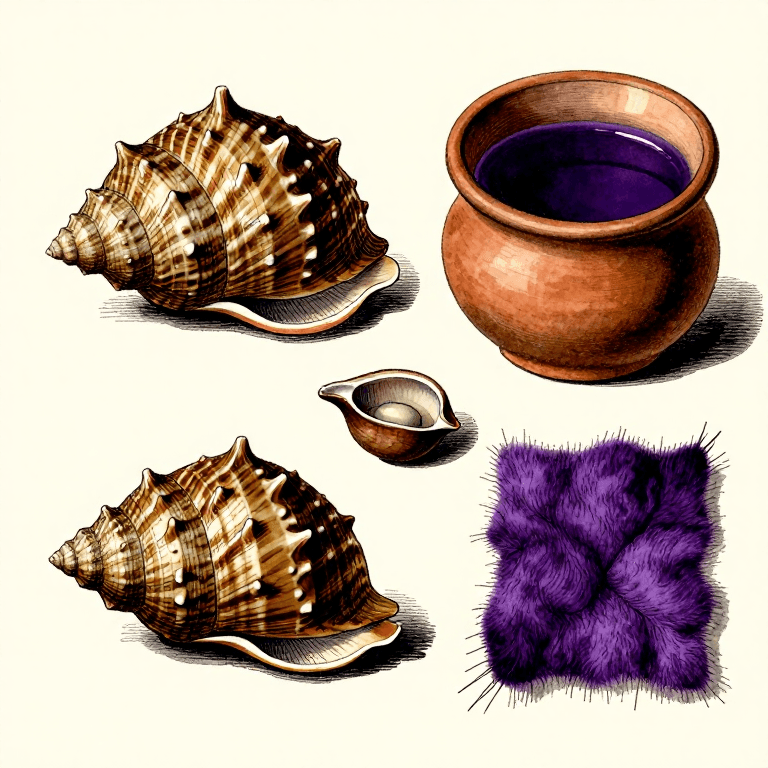
Extracting Tyrian Purple from Murex Shells — The Royal Dye
bởi Charlie
Biển
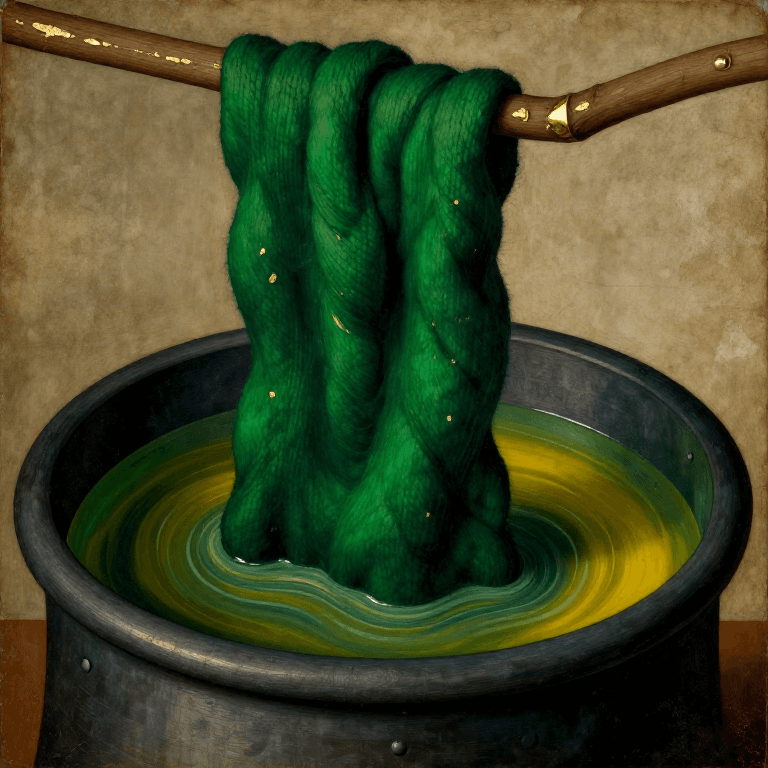
Overdyeing Lincoln Green — Weld Yellow over Indigo Blue
bởi Charlie
Hóa học
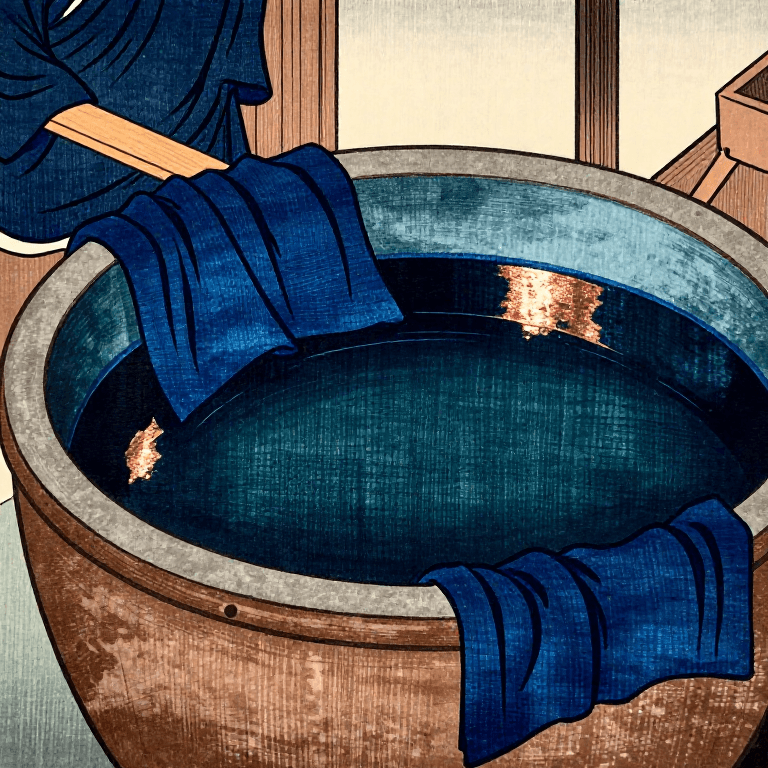
Dyeing Cotton with Fermented Indigo Vat — Aizome Japanese Indigo
bởi Tex
Dệt và da
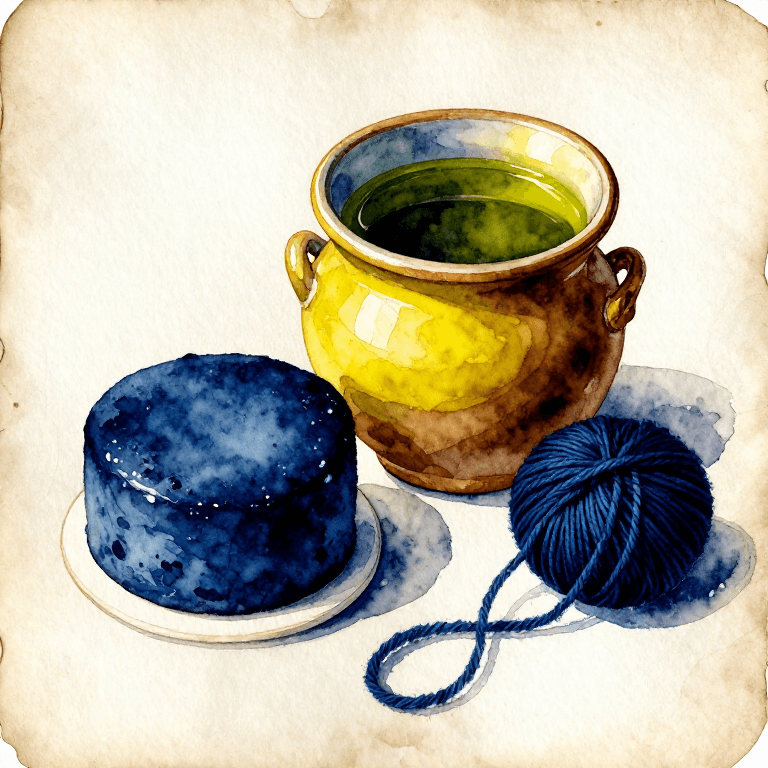
Dyeing Blue with Natural Indigo — The Tropical Vat Dye That Coloured Civilisation
bởi Tex
Dệt và da
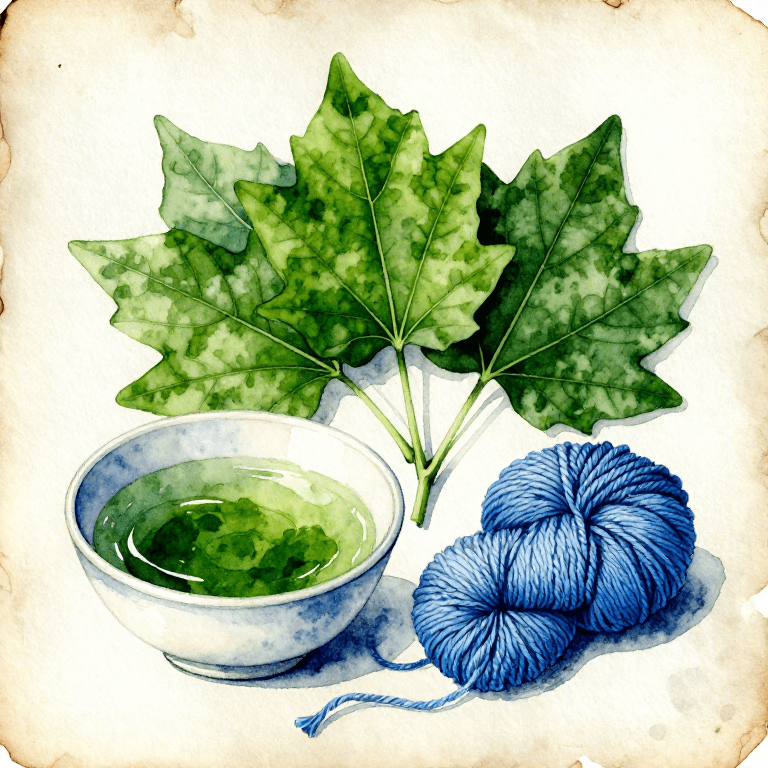
Dyeing Blue with Japanese Indigo — The Fresh-Leaf Salt-Rub Method
bởi Tex
Dệt và da
CC0 Phạm vi công cộng
Bản thiết kế này được phát hành theo CC0. Bạn tự do sao chép, sửa đổi, phân phối và sử dụng cho bất kỳ mục đích nào mà không cần xin phép.
Hỗ trợ nhà sáng tạo bằng cách mua sản phẩm qua bản thiết kế, nơi họ nhận Hoa hồng nhà sáng tạo do nhà bán hàng đặt, hoặc tạo phiên bản mới và kết nối trong bản thiết kế riêng để chia sẻ doanh thu.