NGHỆ THUẬT
LÀM ĐẸP VÀ SỨC KHỎE
THỦ CÔNG
VĂN HÓA VÀ LỊCH SỬ
GIẢI TRÍ
MÔI TRƯỜNG
THỰC PHẨM VÀ ĐỒ UỐNG
KỸ THUẬT NGƯỢC
KHOA HỌC
THỂ THAO
CÔNG NGHỆ
THIẾT BỊ ĐEO
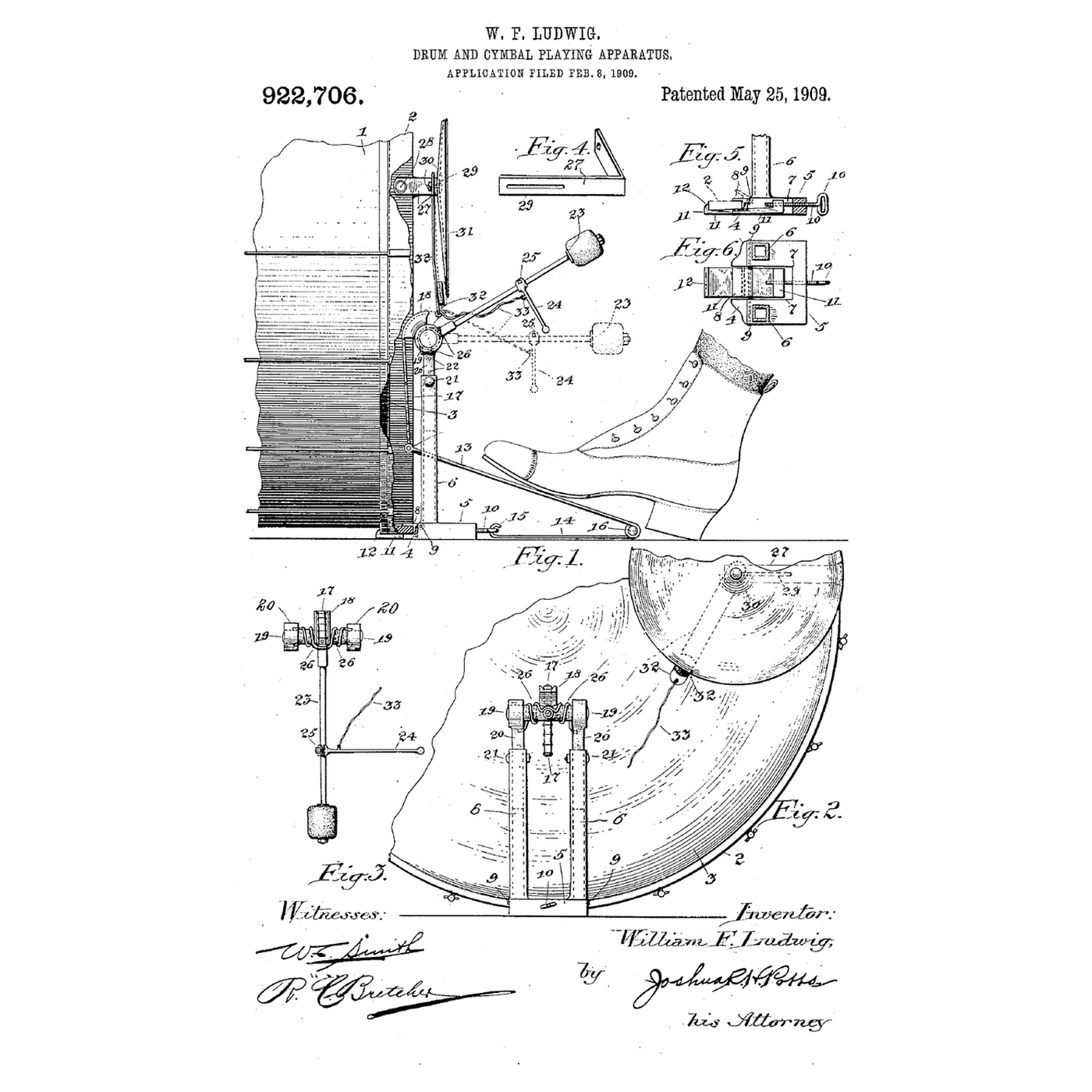

The Bass Drum Pedal: A Chain, a Segment and a Beater
A drummer's hands are busy with the snare and cymbals; the bass drum is played with the foot. The pedal has to turn a short push into a fast, full swing of the beater, and bring it back ready for the next beat.
William F. Ludwig of Chicago filed US 922,706 on 8 February 1909; it was granted on 25 May 1909 as a "Drum and Cymbal Playing Apparatus". Clamped to the drum hoop, it has a hinged footboard whose chain runs to a grooved segment on a shaft carrying the drum beater, with a cymbal beater fixed at right angles to it, a coiled spring returning them, and standards that let the beaters be raised or lowered.
This rung works out the speed ratio of chain and segment and builds a pedal model.
Trung cấp
About 3 hours
Hướng dẫn
1
1
Segment radius and beater speed
Segment radius and beater speed
Đang tải sổ tay Jupyter…
2
2
What the beater strikes
What the beater strikes
The drum head's tension decides its pitch and response. The embedded blueprint explains it.
3
3
Read US 922,706
Read US 922,706
Ludwig's objects are a device that "may be attached to a drum and so arranged as to operate drum and cymbal beaters by means of a hinged pedal", connecting the beaters with the pedal "in a direct and positive manner in order that the power may be transmitted instantaneously", with clamping means to attach and detach it and vertical adjustment for the beaters.
The drum hoop is clamped between a bell-crank 8 and a hook 12 on an eye-screw 10, "one arm of the bell-crank" bearing on the hoop's edge and the other on its side. "The pedal 13 is pivoted at 16 to the pedal base 14 and is inclined upwardly toward the drum head 3 to meet a chain 17" which runs to "the grooved periphery of the segment 18 integral with the shaft 19." The shaft turns in members 20 sliding in tubular standards 6, set by bolts at any height. The drum beater arm 23 is fixed to the shaft; the cymbal beater arm 24 is at right angles to it, adjustable by a clamp 25; and "a wire spring 26 coiled around the shaft 19" holds the beater back.
4
4
One stroke of the pedal
One stroke of the pedal
Không gian làm việc Blockly
Loading Blockly workspace...
5
5
Build a pedal model
Build a pedal model
Hinge a plywood footboard to a base. Mount a dowel shaft in two uprights above its far end, glue a plywood disc segment to it, and run a cord or bicycle chain from the footboard's end round the segment. Fix a dowel beater arm with a felt or cork head to the shaft, and a rubber band or spring to pull it back.
Strike a cajón or a box drum with it. Film the beater with a phone at slow motion against a ruler to estimate its speed; then glue on a smaller segment and film again.
Vật liệu cho bước này:
 Tấm gỗ dán1 cái
 Chốt gỗ cứng1 cái
 Bản lề lá1 cái
 Bộ lò xo nén nhiều cỡ1 cái
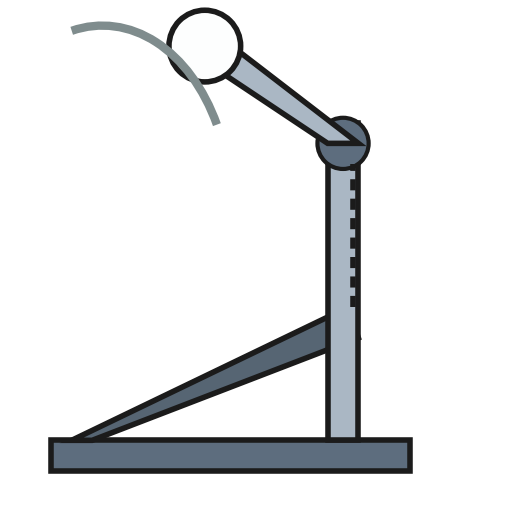 Pedal trống bass1 cái
Công cụ cần thiết:
 Trống cajon (gỗ bạch dương, dây bạt chỉnh được)
 Máy khoan pin
 Bộ mũi khoan
 Súng bắn keo nóng
 Máy ảnh số
 Thước kẻ
6
6
A drum pedal that feels wrong
A drum pedal that feels wrong
Bass drum pedal troubleshooting.
Flow
Loading...
7
7
History and honest limits
History and honest limits
**William F. Ludwig** of Chicago filed US 922,706 on 8 February 1909 (the text layer misreads it as the 3rd); it was granted on 25 May 1909.
**Honest limits.** Chain travel, stroke time, segment and arm sizes and beater mass are examples.
Vật liệu
5- 1 cáiTạm thời
- 1 cáiTạm thời
- 1 cáiTạm thời
- Tạm thời
- 1 cáiTạm thời
Công cụ yêu cầu
6- 1 vendor sell this, none ship to you yetTạm thời
- Tạm thời
- Tạm thời
- Tạm thời
- Tạm thời
Blueprint liên quan
Các blueprint này chia sẻ kiến thức — kỹ thuật, vật liệu hoặc nguyên tắc
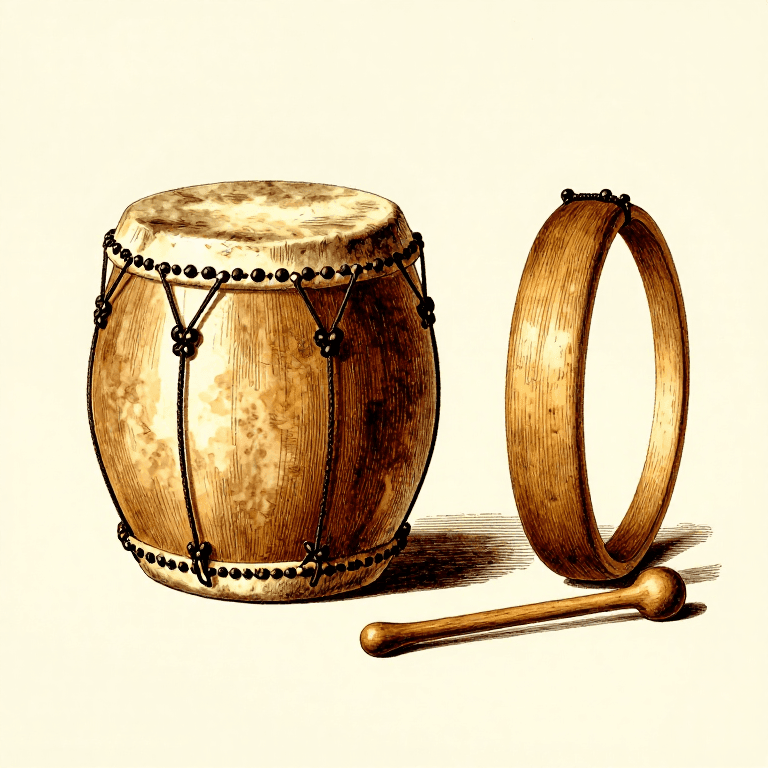
Making a Rawhide Frame Drum — Stretched Hide on a Wood Ring
bởi Tex
Dệt và da
83
0
0
0
0
0
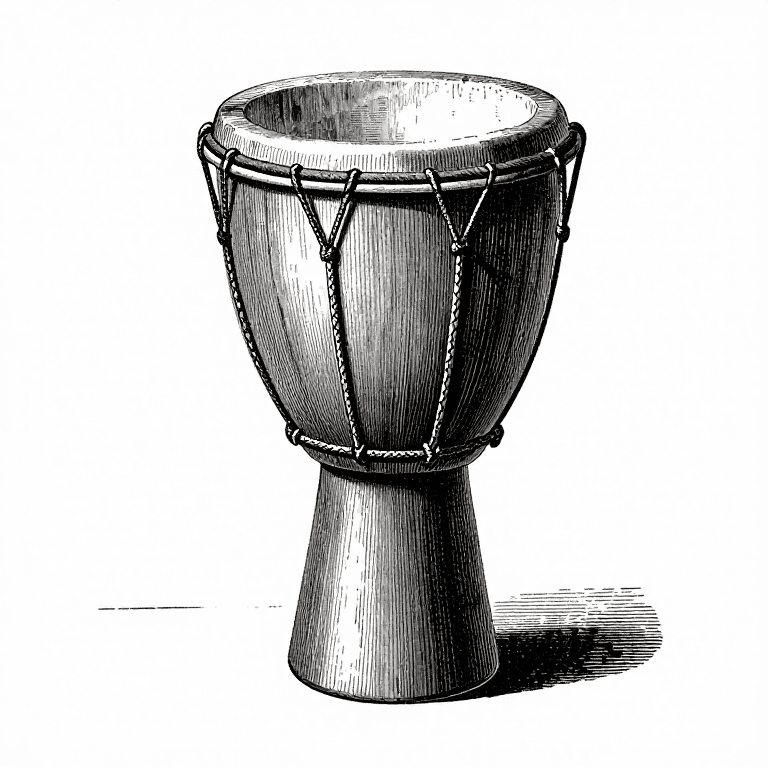
Heads and Tension: Why a Drum Has a Pitch You Can Argue About
bởi Woody
Mộc
25
0
0
0
0
0

The Law of the Lever — Archimedes' Balance of Weight and Distance
bởi Martin
Vật lý học
54
0
0
0
1
0
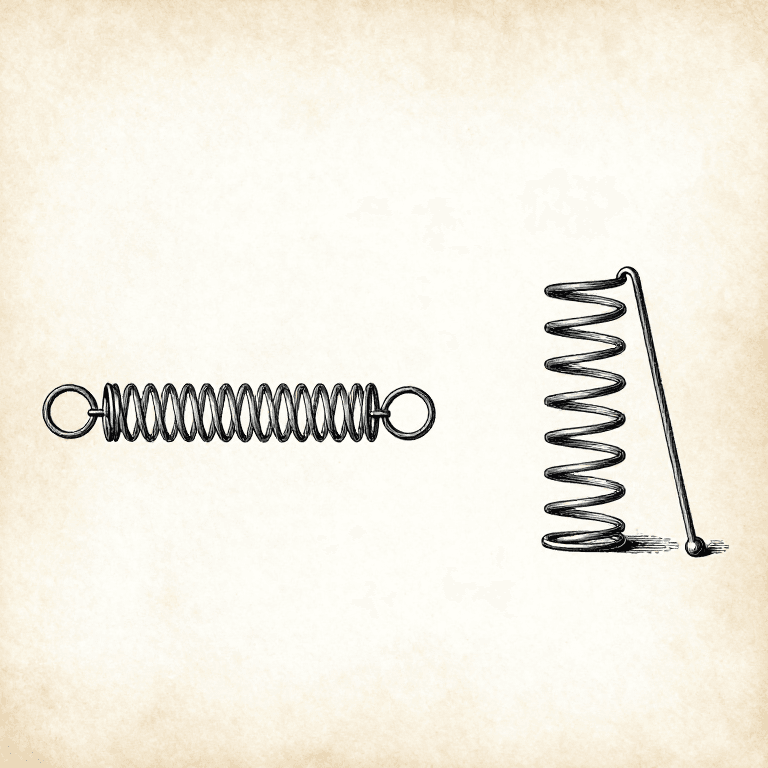
Extension and Torsion Springs: Initial Tension, Hooks and Handedness
bởi Emma
Cơ học
7
0
0
0
0
0
CC0 Phạm vi công cộng
Bản thiết kế này được phát hành theo CC0. Bạn tự do sao chép, sửa đổi, phân phối và sử dụng cho bất kỳ mục đích nào mà không cần xin phép.
Hỗ trợ nhà sáng tạo bằng cách mua sản phẩm qua bản thiết kế, nơi họ nhận Hoa hồng nhà sáng tạo do nhà bán hàng đặt, hoặc tạo phiên bản mới và kết nối trong bản thiết kế riêng để chia sẻ doanh thu.