NGHỆ THUẬT
LÀM ĐẸP VÀ SỨC KHỎE
THỦ CÔNG
VĂN HÓA VÀ LỊCH SỬ
GIẢI TRÍ
MÔI TRƯỜNG
THỰC PHẨM VÀ ĐỒ UỐNG
KỸ THUẬT NGƯỢC
KHOA HỌC
THỂ THAO
CÔNG NGHỆ
THIẾT BỊ ĐEO
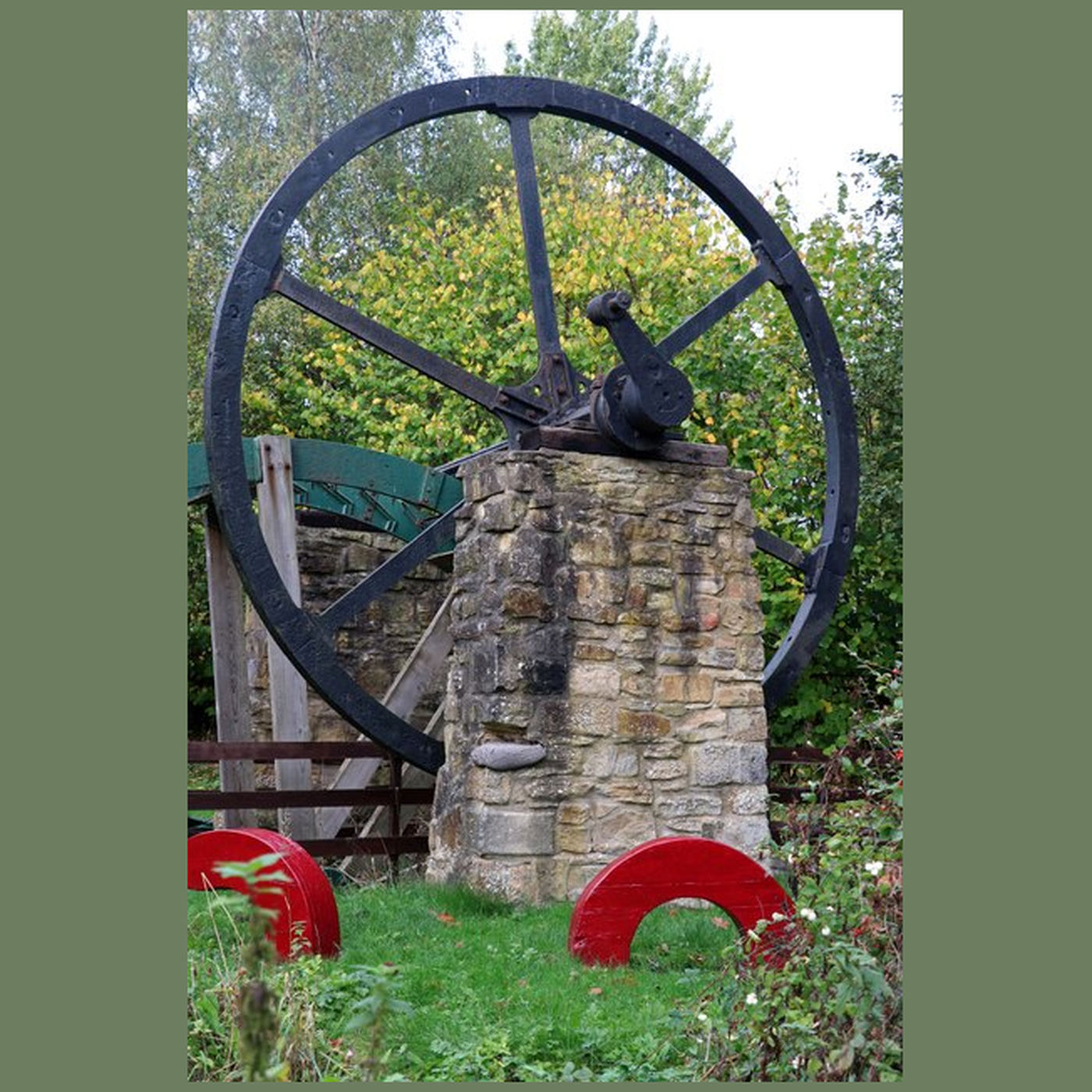


The Crank and the Flywheel: Smoothing One Bang in Two Turns
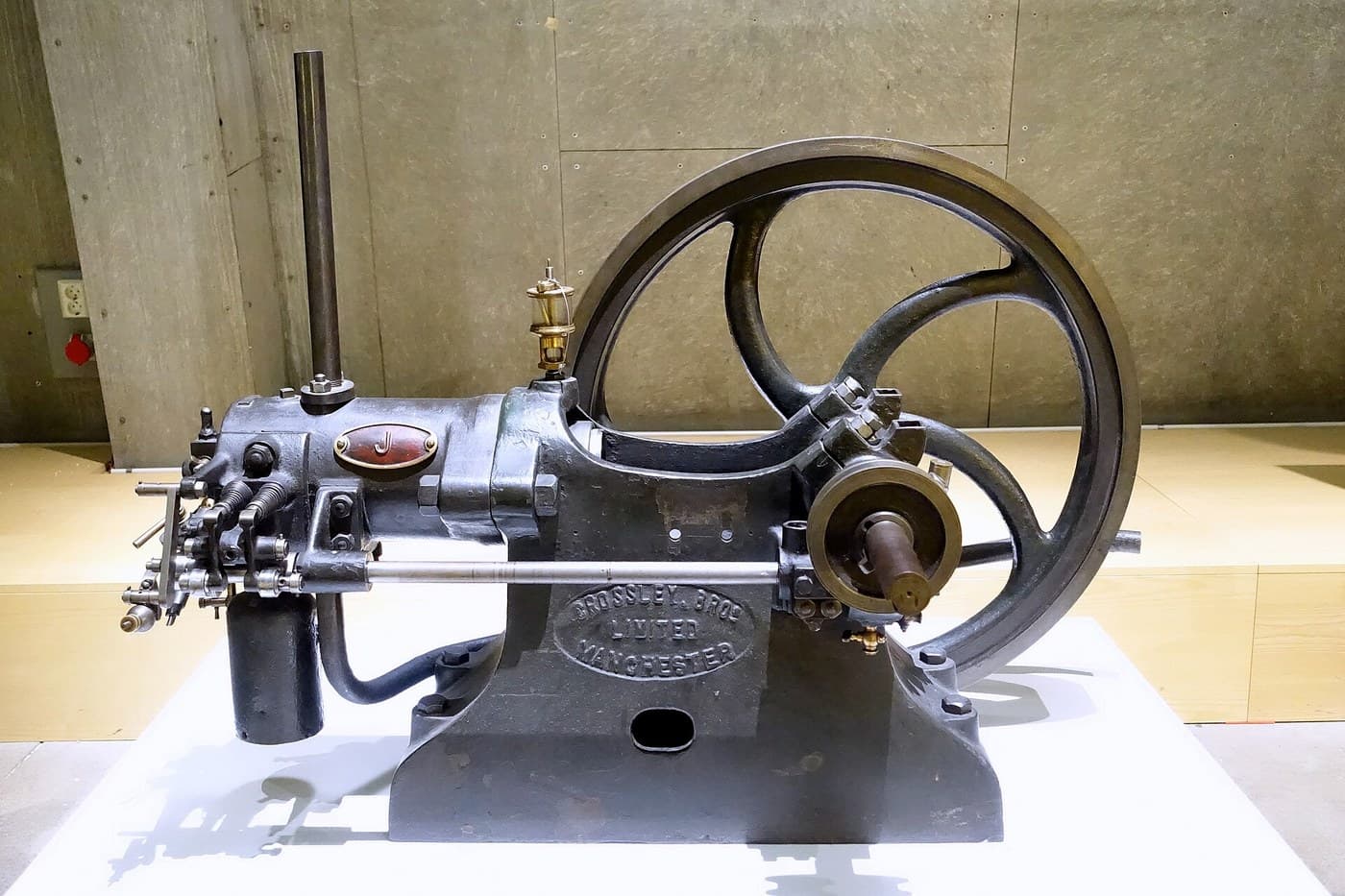
A four-stroke single-cylinder engine pushes on its crank for half a turn in every two. The rest of the time the crank must be carried round — through exhaust, intake and compression — by energy stored in a flywheel. How heavy that flywheel must be depends on how uneven the torque is and how steady the speed must stay.
This practice rung generates the torque curve of an idealised engine from the slider-crank geometry and an Otto-cycle pressure trace, sizes a flywheel from it, and builds a slider-crank model to check the piston motion by hand.
Trung cấp
About 3 hours
Hướng dẫn
1
1
Torque round a cycle, and the flywheel it needs
Torque round a cycle, and the flywheel it needs
Đang tải sổ tay Jupyter…
2
2
Build a slider-crank and check it by hand
Build a slider-crank and check it by hand
Cut a plywood base. Pivot a plywood crank disc on a bolt, with a crank pin 40 mm off centre. Cut a connecting rod 140 mm between hole centres, and a slider that runs in a slot or between two strips — the 'piston'. Glue a protractor under the crank disc.
Turn the crank in 30° steps and measure the piston's distance from the crank centre with the steel rule. Compare with the notebook's formula. Notice that the piston moves further during the half-turn near top dead centre than near bottom — the connecting rod's angle causes it, and it is why the torque trace is lopsided.
Vật liệu cho bước này:
 Tấm gỗ dán1 tờ
 Vít máy6 cái
 Chốt gỗ cứng1 bộ
Công cụ cần thiết:
 Máy khoan pin
 Bộ mũi khoan
 Thước đo góc
 Thước kẻ
 Thước cặp điện tử 6 inch
3
3
Context
Context
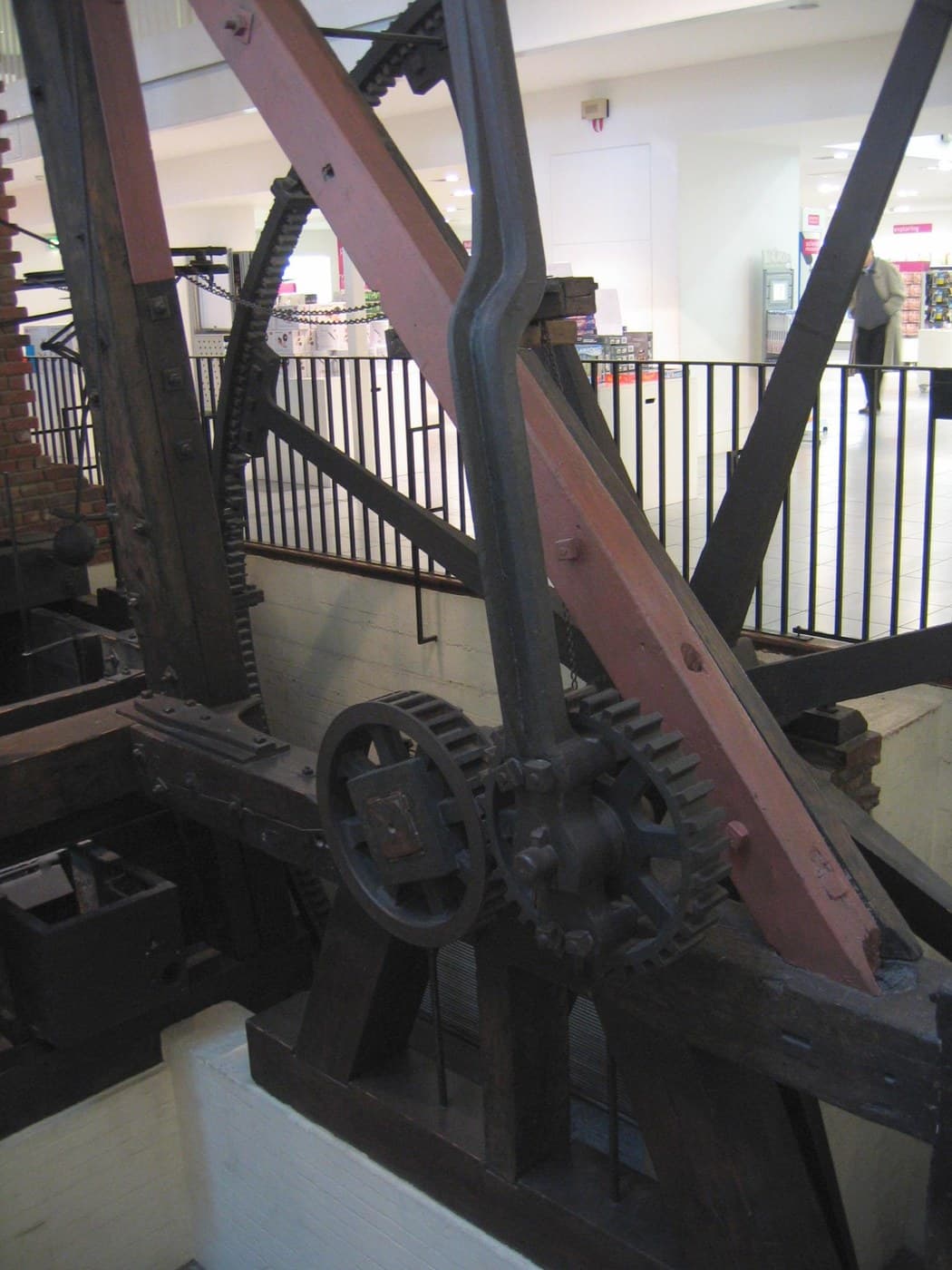
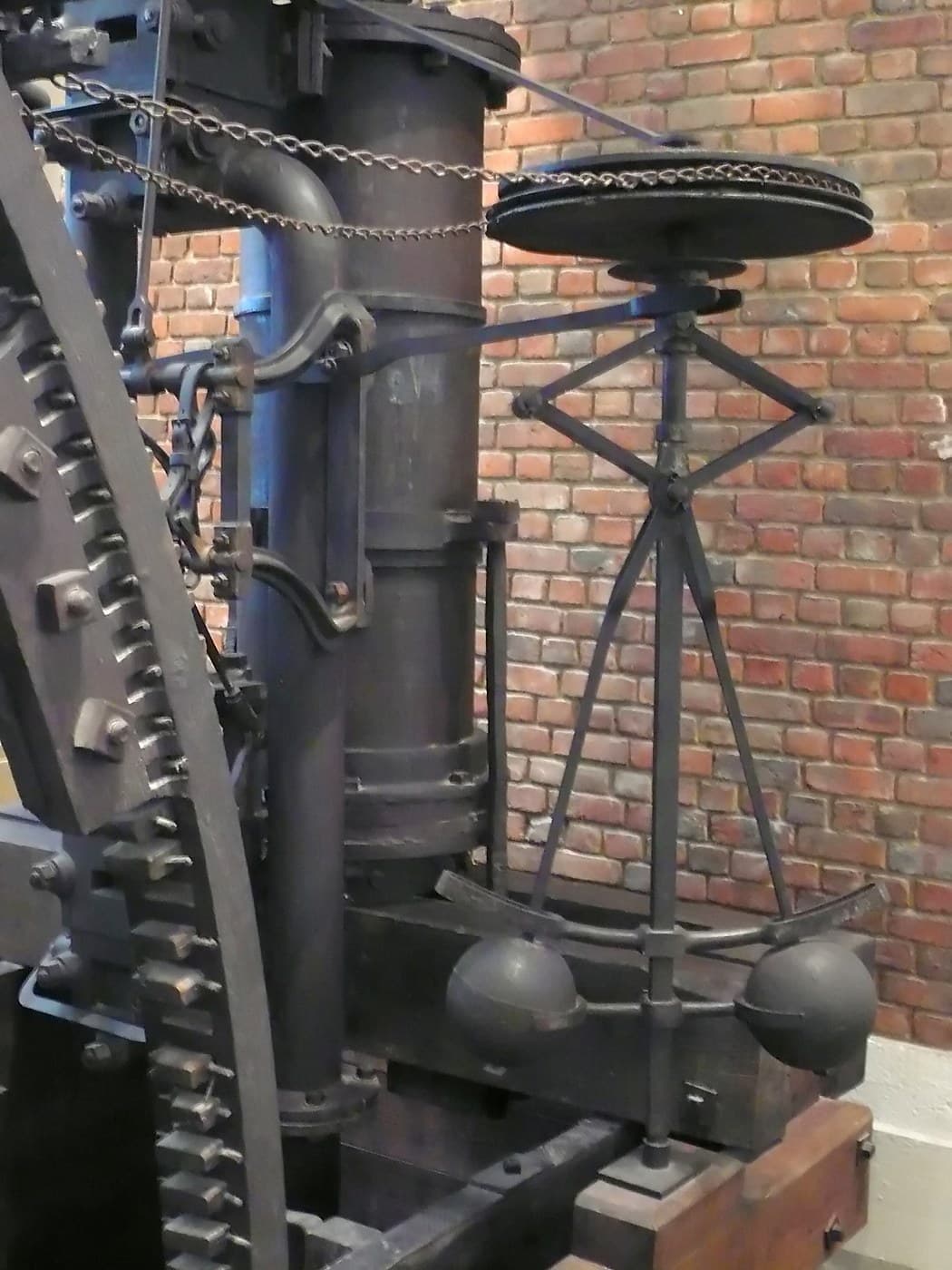
A practice rung: the slider-crank goes back to the rotative steam engine in this catalogue, and the flywheel to the potter's wheel and the spindle whorl. The torque trace is generated from an ideal cycle; a real engine's is less peaky because combustion takes time.
**Honest limits of the model.** No friction, no inertia of the piston itself (which matters at high speed), heat added instantly at top dead centre, and a single cylinder. Multi-cylinder engines are smoothed by overlapping power strokes; balance shafts deal with the shaking the piston's own motion causes.
Vật liệu
3- 1 tờTạm thời
- 6 cáiTạm thời
- 1 bộTạm thời
Công cụ yêu cầu
5- 1 vendor sell this, none ship to you yetTạm thời
- Tạm thời
- Tạm thời
- Tạm thời
- Tạm thời
Blueprint liên quan
Các blueprint này chia sẻ kiến thức — kỹ thuật, vật liệu hoặc nguyên tắc
CC0 Phạm vi công cộng
Bản thiết kế này được phát hành theo CC0. Bạn tự do sao chép, sửa đổi, phân phối và sử dụng cho bất kỳ mục đích nào mà không cần xin phép.
Hỗ trợ nhà sáng tạo bằng cách mua sản phẩm qua bản thiết kế, nơi họ nhận Hoa hồng nhà sáng tạo do nhà bán hàng đặt, hoặc tạo phiên bản mới và kết nối trong bản thiết kế riêng để chia sẻ doanh thu.