NGHỆ THUẬT
LÀM ĐẸP VÀ SỨC KHỎE
THỦ CÔNG
VĂN HÓA VÀ LỊCH SỬ
GIẢI TRÍ
MÔI TRƯỜNG
THỰC PHẨM VÀ ĐỒ UỐNG
KỸ THUẬT NGƯỢC
KHOA HỌC
THỂ THAO
CÔNG NGHỆ
THIẾT BỊ ĐEO
Youblob (generated from this blueprint's notebook) · CC0

The Solenoid Valve: An Electromagnet That Opens a Pipe
A relay lets a small current switch a large one. A solenoid valve does the same for a fluid: a coil round a tube pulls a soft-iron plunger that opens or closes an orifice, so a switch, a thermostat or a timer can turn water, air, gas or oil on and off without a hand on the valve. Washing machines, irrigation timers, compressors and boilers all use them.
The Automatic Switch Company (ASCO) of New York is credited with making the first solenoid valves in 1910.
This rung works out why a solenoid's pull depends so steeply on its air gap, why that limits a direct-acting valve's orifice, and how a pilot valve gets round it — then drives a real 12 V valve from a switch and measures when it will and will not open.
Cơ bản
About 3 hours
Hướng dẫn
1
1
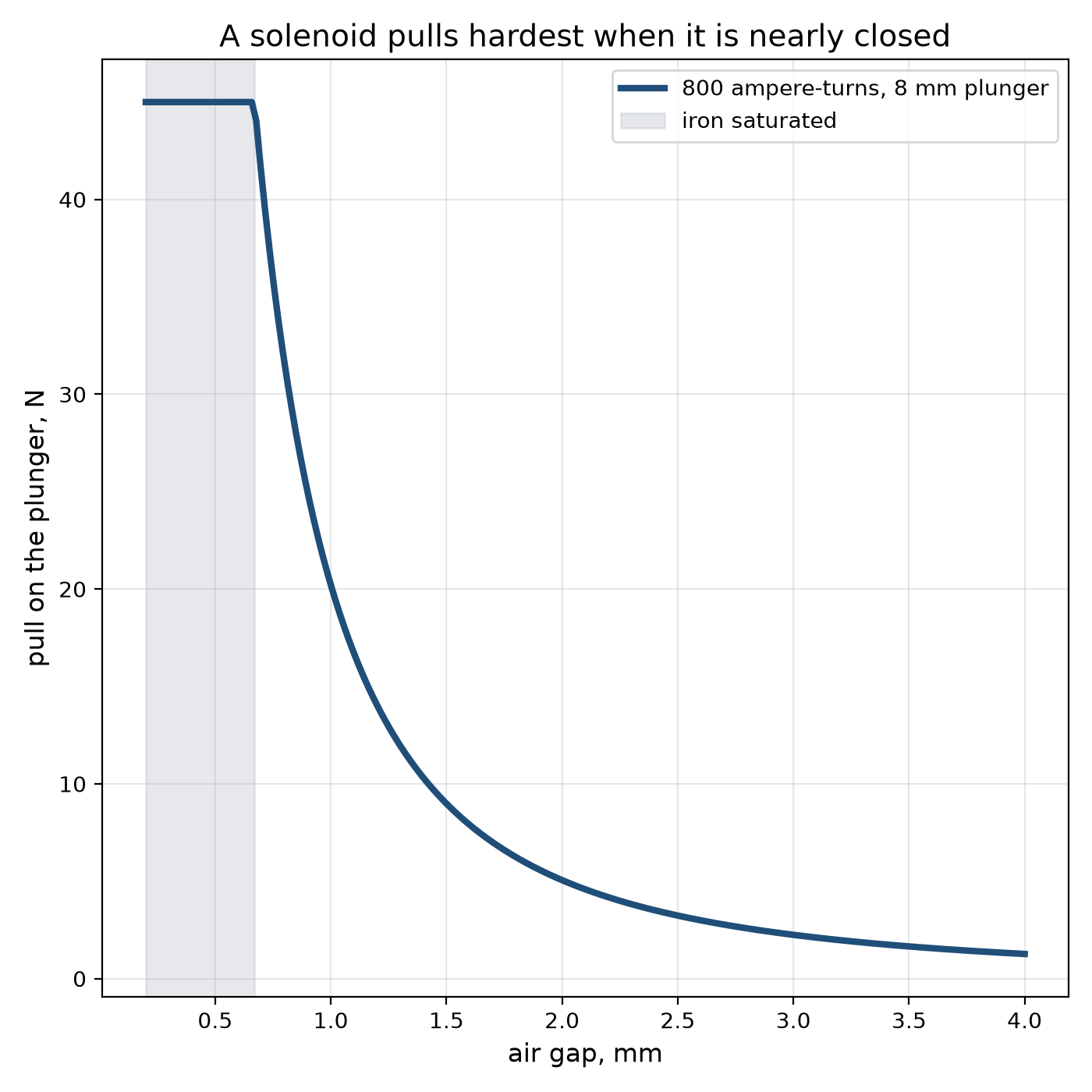
Pull against gap, and the orifice it can open
Pull against gap, and the orifice it can open
Đang tải sổ tay Jupyter…
2
2
The same electromagnet, switching a current
The same electromagnet, switching a current
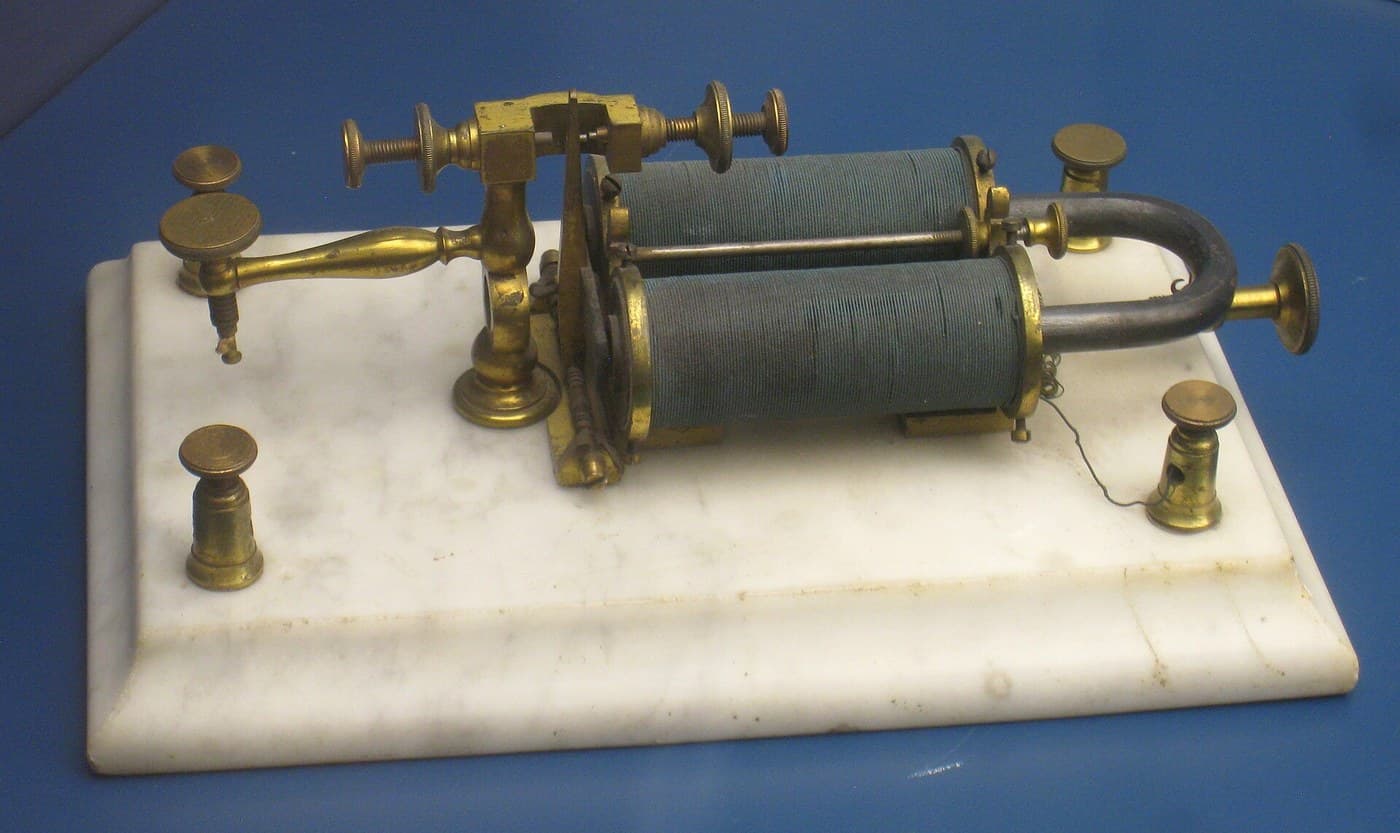
A solenoid valve is an electromagnet pulling an armature, as in a relay. The embedded blueprint builds the relay the idea came from.
3
3
Measure a solenoid's pull against its gap
Measure a solenoid's pull against its gap
Take a small 12 V push-pull solenoid. Clamp it upright and hang its plunger from a spring scale, with a nut on the scale's hook so you can set the gap between the plunger's end and the coil's stop with feeler gauges.
At each gap switch the coil on from the power supply and read the pull. Plot pull against gap: it rises steeply as the gap closes, as the notebook's $1/g^2$ says, then levels off as the iron saturates. Watch the coil current on the supply's meter: it does not change with the gap — the current sets the ampere-turns, the gap sets the pull.
Vật liệu cho bước này:
 Cuộn hút điện từ1 cái
 Dây nối1 cái
Công cụ cần thiết:
 Nguồn điện một chiều
 Lực kế (cân lò xo)
 Bộ căn lá
 Ê tô bàn nguội
 Đồng hồ vạn năng
4
4
Drive a real valve, and find where it stops opening
Drive a real valve, and find where it stops opening
Plumb a 12 V solenoid valve between a garden hose (through a ball valve and pressure gauge) and an open outlet into a bucket, with the valve's arrow pointing downstream. Wire the coil to the power supply through a push button.
Press the button and water flows; release it and it stops. Now close the ball valve until the gauge reads almost nothing and try again: many small 12 V valves are pilot-operated and will not open at all at very low pressure — they need a pressure difference to lift their diaphragm. Note the lowest pressure at which it opens, and check the valve's plate or data sheet for its minimum operating pressure.
Vật liệu cho bước này:
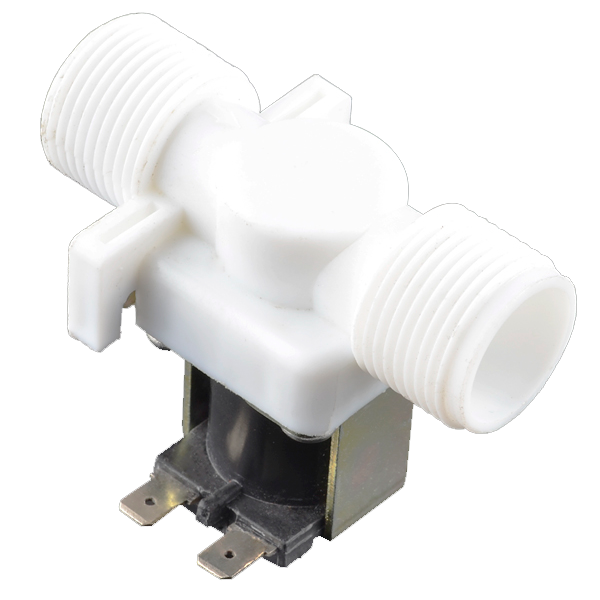 12V Solenoid Valve - 19mm1 cái
 Vòi tưới vườn1 cái
 Van bi bằng đồng thau1 cái
 Băng làm kín ren PTFE1 cái
 Nút nhấn1 cái
 Nước20 lít
Công cụ cần thiết:
Nguồn điện một chiều Đồng hồ áp suất
 Mỏ lết
 Xô
Xô5
5
A solenoid valve that will not behave
A solenoid valve that will not behave
Solenoid valve faults in the order to check them.
Flow
Loading...
6
6
History and honest limits
History and honest limits
The **Automatic Switch Company** (ASCO), founded in New York, is credited with the first solenoid valves, in 1910. Direct-acting and pilot-operated valves of every size now follow the same two patterns.
**Honest limits.** The notebook's pull formula counts only the air gap and ignores the iron's own reluctance and leakage flux; real solenoids give less. A coil held on continuously warms, and its resistance and pull fall as it does. Never use a water valve for gas or fuel: those need valves certified for them.
Vật liệu
8- từ$4.93
- 12V Solenoid Valve - 19mmHoa hồng 10%1 cái$7.44
- Vòi tưới vườnHoa hồng 10%1 cáiTạm thời
- Tạm thời
- Tạm thời
- 20 lítTạm thời
Công cụ yêu cầu
8- Tạm thời
- Tạm thời
- Tạm thời
- Tạm thời
- Tạm thời
- Tạm thời
- Tạm thời
- Tạm thời
Tổng ước tính
Những gì người làm đã mua. Vật liệu không hiện giá thì bạn mua ở đâu tuỳ bạn.
Blueprint liên quan
Các blueprint này chia sẻ kiến thức — kỹ thuật, vật liệu hoặc nguyên tắc
The Telegraph Relay
bởi Ed
Điện tử
43
0
0
0
2
0
The Float Valve
bởi Martin
CÔNG NGHỆ
34
0
0
0
1
0
One Way Only: The Check Valve and the Bang It Makes
bởi Martin
Dụng cụ
15
0
0
0
0
0
The Spool Valve: Steering Oil With a Sliding Rod
bởi Emma
Cơ học
8
0
0
0
0
0

Ohm's Law at the Bench: Picking the Resistor That Saves the LED
bởi Volt
Điện tử
23
0
0
0
0
0
CC0 Phạm vi công cộng
Bản thiết kế này được phát hành theo CC0. Bạn tự do sao chép, sửa đổi, phân phối và sử dụng cho bất kỳ mục đích nào mà không cần xin phép.
Hỗ trợ nhà sáng tạo bằng cách mua sản phẩm qua bản thiết kế, nơi họ nhận Hoa hồng nhà sáng tạo do nhà bán hàng đặt, hoặc tạo phiên bản mới và kết nối trong bản thiết kế riêng để chia sẻ doanh thu.