NGHỆ THUẬT
LÀM ĐẸP VÀ SỨC KHỎE
THỦ CÔNG
VĂN HÓA VÀ LỊCH SỬ
GIẢI TRÍ
MÔI TRƯỜNG
THỰC PHẨM VÀ ĐỒ UỐNG
KỸ THUẬT NGƯỢC
KHOA HỌC
THỂ THAO
CÔNG NGHỆ
THIẾT BỊ ĐEO



The Travelling Pin Cushion: Felt Between Veneers, Wax in the Lid
A pin cushion keeps pins and needles where they can be found and taken one at a time. For travelling, it has to be flat and hold everything else too.
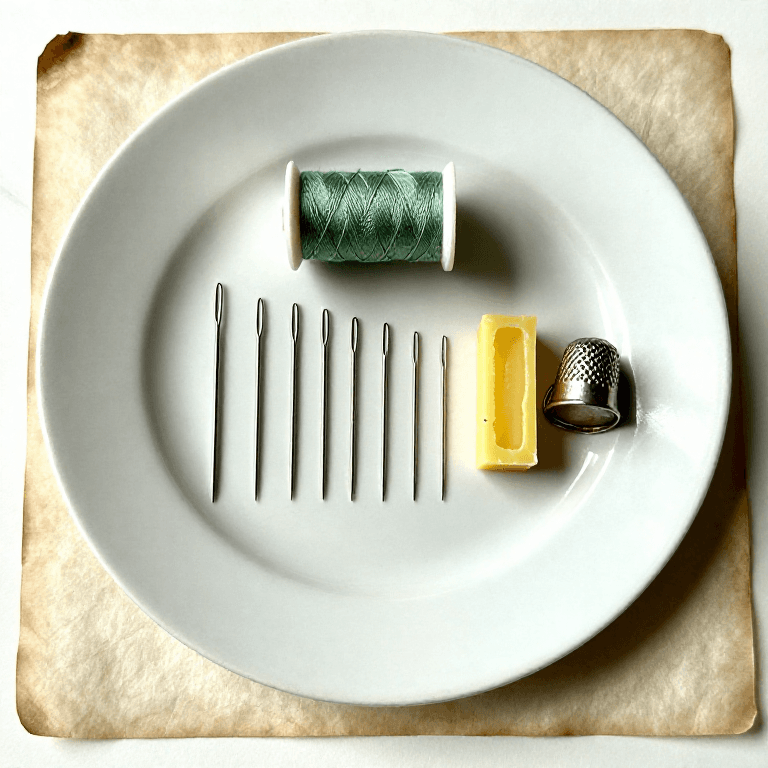
Scotto C. Nash of Harrisburg, Pennsylvania, received US 234,922, dated 30 November 1880 (filed 19 August 1880), for a thread and pin holder he called a "traveler's vade mecum": a box for buttons and a thimble, flat wings that hold thread and are pin-cushions, "a layer of felt" between two pieces of veneer, a double-ended cushion in one cover and a cup of beeswax in the other.
This rung estimates how felt holds a pin, then makes a flat felt cushion and measures the pull to draw a pin out.
Cơ bản
About 2 hours
Hướng dẫn
1
1
How felt holds a pin
How felt holds a pin
Đang tải sổ tay Jupyter…
2
2
The wax in the lid
The wax in the lid
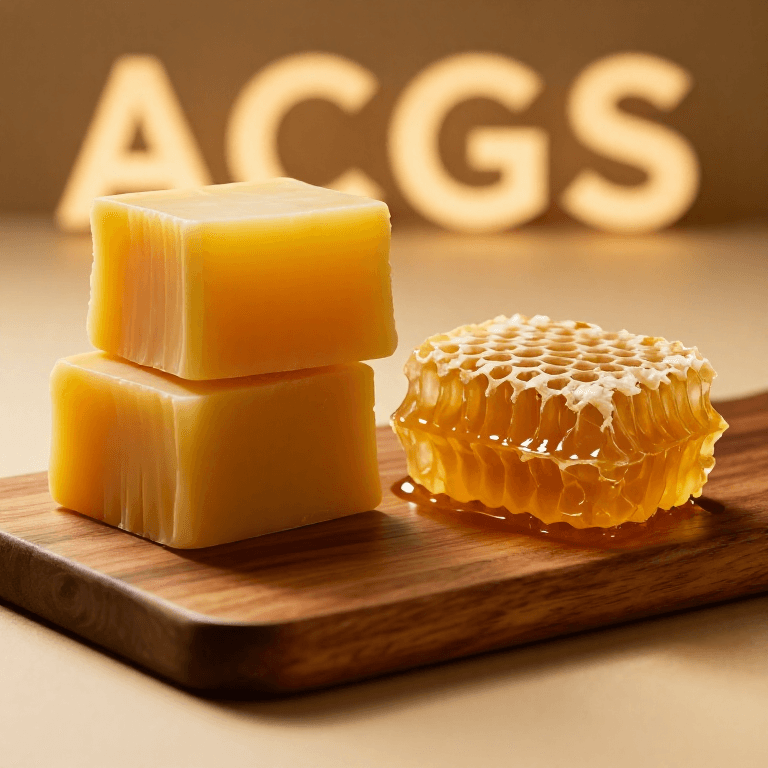
The embedded blueprint renders beeswax from comb; drawn over sewing thread it smooths and strengthens it, which is why Nash's case carries a cup of it.
3
3
Read US 234,922
Read US 234,922
"This device, which I term a 'traveler's vade mecum,' is made with a box for receiving buttons and similar articles, and with wings of peculiar construction at each side of the box for holding thread and forming pin-cushions, and the removable cover at one end has a receptacle for beeswax on the inside, so as to keep the wax from becoming soiled, or from soiling the fingers".
In the other cover is "a double-ended pincushion", "adapted to receive long pins or needles at the inner end, that are left projecting and pass into the thimble", and "ordinary pins can be inserted into the outer end of the cushion."
"There is a layer of felt" between "two pieces of veneer", "the parts being glued together". "The pins are easily stuck into this felt."
4
4
Make a flat cushion and test it
Make a flat cushion and test it
Cut two pieces of thin card or veneer and a piece of wool felt the same size, and glue the felt between them, leaving the felt edge exposed all round. Wind thread round it; the pins go into the felt edge.
Push a pin into the felt edge to 5, 10 and 20 mm. Tie thread to its head and pull it straight out with the force meter, reading the peak. Repeat each depth three times, and compare the trend with the notebook. Draw a length of thread through the beeswax and feel the difference when sewing.
Vật liệu cho bước này:
 Tấm nỉ len1 cái
 Sáp ong1 cái
 Kim ghim khâu1 cái
 Chỉ khâu1 cái
 Tấm bìa làm dưỡng1 cái
Công cụ cần thiết:
 Gối cắm kim
 Lực kế (cân lò xo)
 Thước kẻ
 Kéo cắt vải
5
5
A cushion that drops pins or blunts them
A cushion that drops pins or blunts them
Pin cushion troubleshooting.
Flow
Loading...
6
6
History and honest limits
History and honest limits
**Scotto C. Nash** of Harrisburg, Pennsylvania, filed US 234,922 on 19 August 1880; it is dated 30 November 1880. His claims include the flat cushion of two veneers with felt between them and wood strips at the edges.
**Honest limits.** The notebook treats the felt's squeeze as an even pressure; real felt varies with density and wear. Pressure, friction and sizes are examples. Your force-meter readings are the measurement.
Vật liệu
5- 1 cáiTạm thời
- 1 cáiTạm thời
- 1 cáiTạm thời
- 1 cáiTạm thời
- 1 cáiTạm thời
Công cụ yêu cầu
4- Tạm thời
- Tạm thời
- Tạm thời
- Tạm thời
Bản thiết kế này làm ra

Blueprint liên quan
Các blueprint này chia sẻ kiến thức — kỹ thuật, vật liệu hoặc nguyên tắc



CC0 Phạm vi công cộng
Bản thiết kế này được phát hành theo CC0. Bạn tự do sao chép, sửa đổi, phân phối và sử dụng cho bất kỳ mục đích nào mà không cần xin phép.
Hỗ trợ nhà sáng tạo bằng cách mua sản phẩm qua bản thiết kế, nơi họ nhận Hoa hồng nhà sáng tạo do nhà bán hàng đặt, hoặc tạo phiên bản mới và kết nối trong bản thiết kế riêng để chia sẻ doanh thu.