NGHỆ THUẬT
LÀM ĐẸP VÀ SỨC KHỎE
THỦ CÔNG
VĂN HÓA VÀ LỊCH SỬ
GIẢI TRÍ
MÔI TRƯỜNG
THỰC PHẨM VÀ ĐỒ UỐNG
KỸ THUẬT NGƯỢC
KHOA HỌC
THỂ THAO
CÔNG NGHỆ
THIẾT BỊ ĐEO
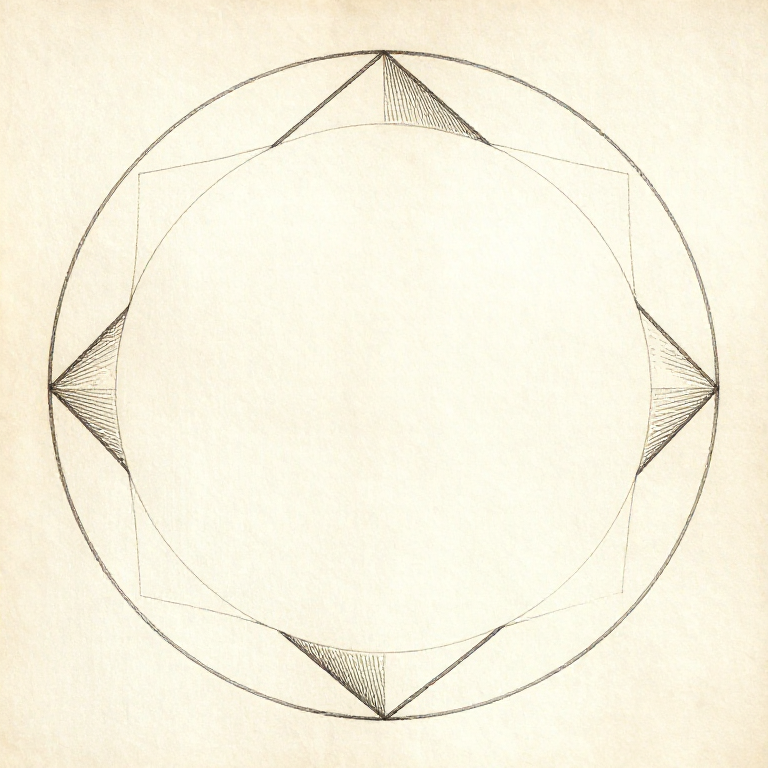


Tolerance and Clearance: Printed Holes Come Out Small, Every Time
Model a 5 mm hole, print it, and a 5 mm pin will not go in. That is not a fault in the printer: it is what happens when a round hole is approximated by straight line segments laid inside its circumference, and when hot plastic shrinks as it cools.
Both effects run the same way, so printed holes come out SMALL and printed pegs come out LARGE. The error is a few tenths of a millimetre, consistently, in a predictable direction — which makes it correctable rather than annoying.
Which is the whole point: measure your printer's error once, on a test piece, and then design every hole and peg with it already allowed for.
Trung cấp
3 hours
Hướng dẫn
1
1
Why it happens, and which way
Why it happens, and which way
A circular hole is printed as a many-sided polygon whose corners touch the circle, so the flats fall INSIDE it. The smaller the hole, the fewer segments and the worse the effect.
On top of that the nozzle pushes a line of plastic that spreads slightly, and the plastic shrinks as it cools. Both add material where the hole should be and remove it from outside surfaces — so holes shrink and pegs grow.
That means an interference fit and a clearance fit are not symmetrical on a printer, unlike on a lathe. A peg and hole modelled the same size will always be an interference fit, and usually a very tight one.
Vật liệu cho bước này:
 Sợi in 3D (PLA)1 cái
Công cụ cần thiết:
 Thước cặp điện tử 6 inch
 Kính lúp thợ kim hoàn
2
2
Measure your own printer's offset
Measure your own printer's offset
Đang tải sổ tay Jupyter…
Vật liệu cho bước này:
Sợi in 3D (PLA)1 cái Sợi ABS1 cái
Công cụ cần thiết:
Thước cặp điện tử 6 inch Máy tính để bàn
 Máy in 3D sợi nhựa (FDM)
3
3
Measure the same way every time
Measure the same way every time
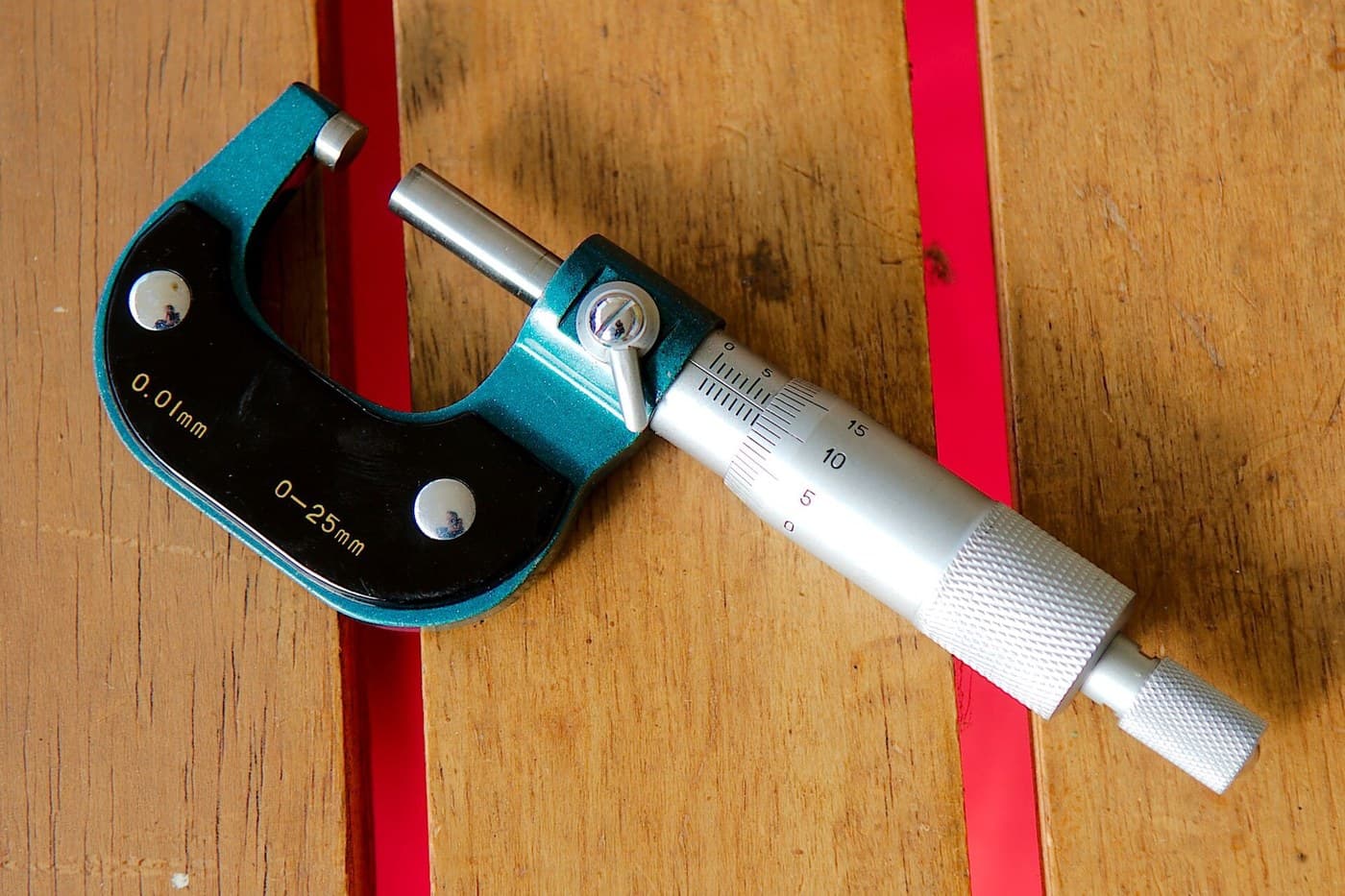
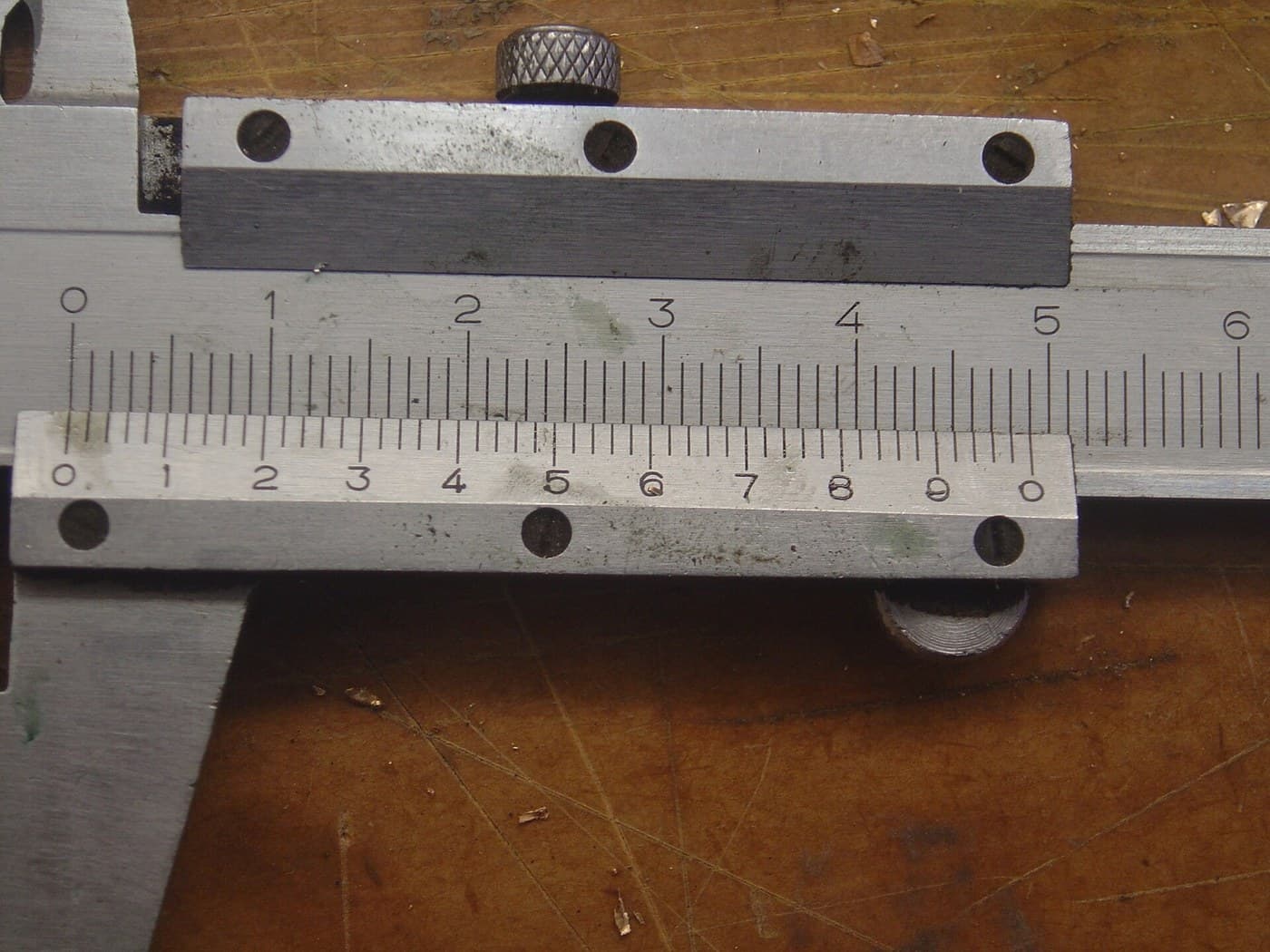
Measure across several diameters and at several heights. A printed hole is not round and not the same size top to bottom — the first layers are squashed wider and the seam where each layer starts leaves a small bump.
Take the smallest reading for a hole and the largest for a peg. Those are what actually decide whether the parts go together, and averaging hides exactly the feature that will stop them.
Deburr before measuring. The small ridge left where each layer starts, and the elephant-foot bulge on the bottom layers, both read as material that is not really in the way — and both come off in seconds with a deburring tool.
Vật liệu cho bước này:
Sợi in 3D (PLA)1 cáiCông cụ cần thiết:
Thước cặp điện tử 6 inch Dụng cụ gọt ba viaKính lúp thợ kim hoàn
4
4
Design so the fit does not have to be perfect
Design so the fit does not have to be perfect
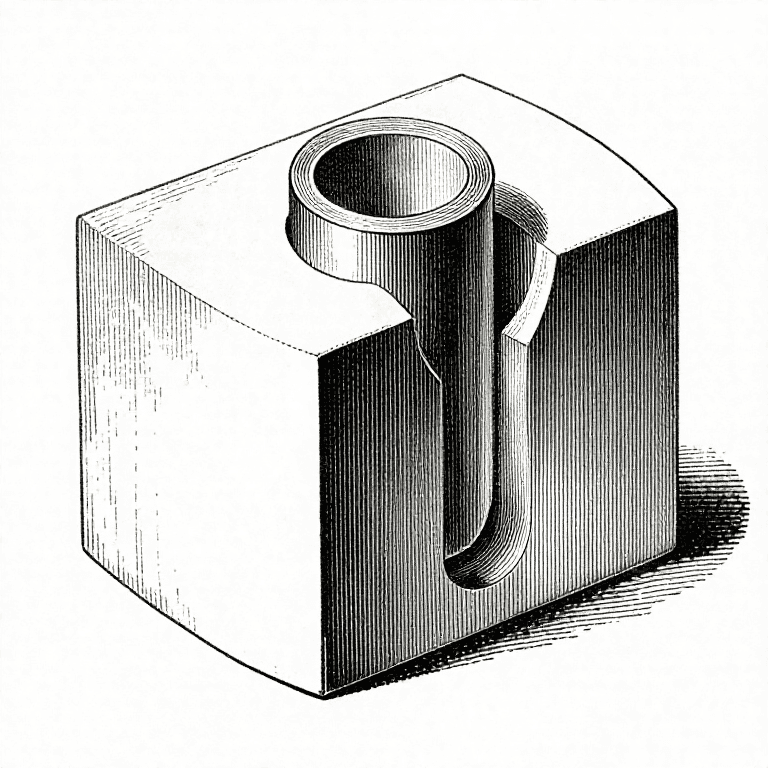
The best answer to a tight tolerance is usually to remove the need for it. A slot instead of a hole, a chamfer at the entry, a split collar with a screw, a deliberate flexure — all of them turn a precise dimension into an adjustable one.
A CHAMFER on every hole and peg entry is nearly free and makes an imperfect fit assemble anyway. It also prints better, because the chamfer at the bottom removes the elephant-foot problem from the part that has to enter.
And where a real fit is needed, use a real part: a brass insert for a thread, a steel pin in a printed housing, a bearing pressed into a printed seat. Printing everything is a constraint nobody imposed.
Vật liệu cho bước này:
Sợi in 3D (PLA)1 cáiCông cụ cần thiết:
Máy tính để bànThước cặp điện tử 6 inchDụng cụ gọt ba viaBlueprint liên quan
Các blueprint này chia sẻ kiến thức — kỹ thuật, vật liệu hoặc nguyên tắc


CC0 Phạm vi công cộng
Bản thiết kế này được phát hành theo CC0. Bạn tự do sao chép, sửa đổi, phân phối và sử dụng cho bất kỳ mục đích nào mà không cần xin phép.
Hỗ trợ nhà sáng tạo bằng cách mua sản phẩm qua bản thiết kế, nơi họ nhận Hoa hồng nhà sáng tạo do nhà bán hàng đặt, hoặc tạo phiên bản mới và kết nối trong bản thiết kế riêng để chia sẻ doanh thu.