NGHỆ THUẬT
LÀM ĐẸP VÀ SỨC KHỎE
THỦ CÔNG
VĂN HÓA VÀ LỊCH SỬ
GIẢI TRÍ
MÔI TRƯỜNG
THỰC PHẨM VÀ ĐỒ UỐNG
KỸ THUẬT NGƯỢC
KHOA HỌC
THỂ THAO
CÔNG NGHỆ
THIẾT BỊ ĐEO
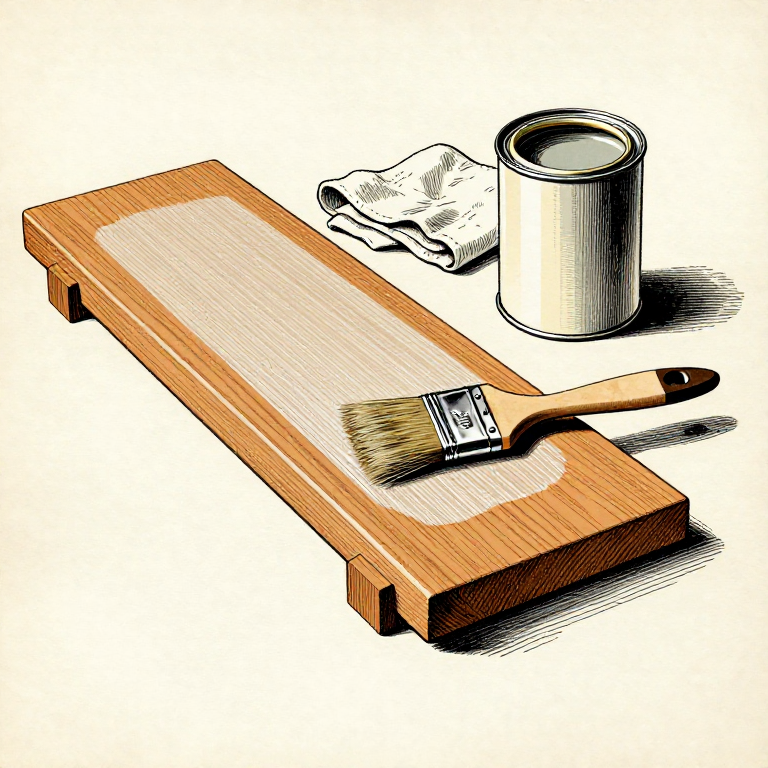


Varnish and Polyurethane: Thin Coats, and Leave It Alone
Polyurethane is the toughest finish most workshops will use: genuinely water resistant, genuinely abrasion resistant, and the right answer for a worktop, a floor or a table that gets used.
It is also the least forgiving to apply. It stays wet long enough to collect dust, it shows every brush mark, and each coat is a separate layer rather than melting into the last — so a sand-through is visible as a witness line forever.
Two rules cover nearly all of it: thin coats, and stop touching it. Almost every bad polyurethane finish comes from a thick coat or from brushing back over one that had started to set.
Trung cấp
4 hours
Hướng dẫn
1
1
Oil-based or water-based: pick for colour and smell, not for toughness
Oil-based or water-based: pick for colour and smell, not for toughness
OIL-BASED cures slowly, flows out well so brush marks level themselves, warms the colour of the wood, and continues to yellow for years. It smells strongly and needs solvent to clean up.
WATER-BASED dries in a couple of hours, stays water-clear so pale timbers stay pale, has little odour and cleans up with water. It levels less well, so brush marks are more likely, and it raises the grain on the first coat — which the surface rung pre-empts by raising the grain deliberately.
Modern water-based products are comparable in durability, so the honest basis for choosing is colour, dry time and smell. Do not use them over an oil finish that has not fully cured, and seal an oily or resinous timber with dewaxed shellac first.
Vật liệu cho bước này:
 Polyurethan - gốc dầu1 cái
 Polyurethan - gốc nước1 cái
 Tấm gỗ cứng2 cái
Công cụ cần thiết:
 Chổi quét bản rộng
 Cọ mút xốp
 Găng tay nitrile
2
2
Thin it, and wipe rather than brush
Thin it, and wipe rather than brush
A WIPING varnish — polyurethane thinned by half with mineral spirits and wiped on with a cloth — is the most reliable way for a beginner to get a good film finish, and it is what many 'wipe-on poly' products already are.
Thin coats cannot run, cannot sag, hold far less dust because they set quickly, and show no brush marks because there is no brush. The cost is that you need more of them — five or six rather than two or three — and each is quick.
If you brush, use a good brush, load it properly, lay the finish on in one direction and tip off lightly along the grain. Then stop. A brush going back into partly set varnish tears it, and that tear is permanent.
Vật liệu cho bước này:
Polyurethan - gốc dầu1 cái Dầu khoáng pha sơn1 cái
Công cụ cần thiết:
 Vải cô tôngChổi quét bản rộngGăng tay nitrile
3
3
Between coats: scuff, do not sand through
Between coats: scuff, do not sand through
Once a coat is properly dry, knock off dust nibs with very fine abrasive or a grey pad, wipe clean, and apply the next. The scratches give the next coat something to key to, which polyurethane needs because it does not dissolve into the previous layer.
Use light pressure and stay off the edges. Edges have the thinnest film and sand through first, and a sand-through on a stained surface takes the colour with it — leaving a pale patch that cannot be blended.
Respect the recoat window on the tin. Recoat too early and the solvent in the new coat softens and wrinkles the one beneath; leave it far too long and the new coat will not bond well, which is what the scuffing is compensating for.
Vật liệu cho bước này:
 Bộ miếng chà Scotch-Brite1 cái
 Bộ giấy nhám nhiều loại1 cái
Công cụ cần thiết:
 Khăn dính bụi
 Bộ khối chà nhám (xốp)
 Kính lúp thợ kim hoàn
4
4
Dust, temperature and the last coat
Dust, temperature and the last coat
Oil-based polyurethane stays wet for hours, and everything floating in the air lands on it. Vacuum beforehand, let the air settle, do not sweep, and if you can, finish in a different room from the one you sanded in.
Temperature matters more than people expect. Too cold and it will not cure properly; too warm and it skins before it levels, leaving brush marks set in place. Check the range on the tin and believe it.
Leave the last coat alone completely. Full cure takes days even though it feels dry in hours, and a surface put into use too early prints, dents and marks in ways it never would once hard. For a high build, rub the cured film out with fine abrasive and wax — which the next rung covers — rather than trying to lay a perfect final coat.
Vật liệu cho bước này:
Polyurethan - gốc dầu1 cáiCông cụ cần thiết:
Khăn dính bụiChổi quét bản rộngVật liệu
6- Tạm thời
- Tạm thời
- 2 cáiTạm thời
- 1 cáiTạm thời
- Bộ miếng chà Scotch-BriteHoa hồng 10%1 cáiTạm thời
- Tạm thời
Công cụ yêu cầu
7- Tạm thời
- Tạm thời
- Tạm thời
- Tạm thời
- Tạm thời
- Bộ khối chà nhám (xốp)Hoa hồng 10%Tạm thời
- Tạm thời
Blueprint liên quan
Các blueprint này chia sẻ kiến thức — kỹ thuật, vật liệu hoặc nguyên tắc



CC0 Phạm vi công cộng
Bản thiết kế này được phát hành theo CC0. Bạn tự do sao chép, sửa đổi, phân phối và sử dụng cho bất kỳ mục đích nào mà không cần xin phép.
Hỗ trợ nhà sáng tạo bằng cách mua sản phẩm qua bản thiết kế, nơi họ nhận Hoa hồng nhà sáng tạo do nhà bán hàng đặt, hoặc tạo phiên bản mới và kết nối trong bản thiết kế riêng để chia sẻ doanh thu.