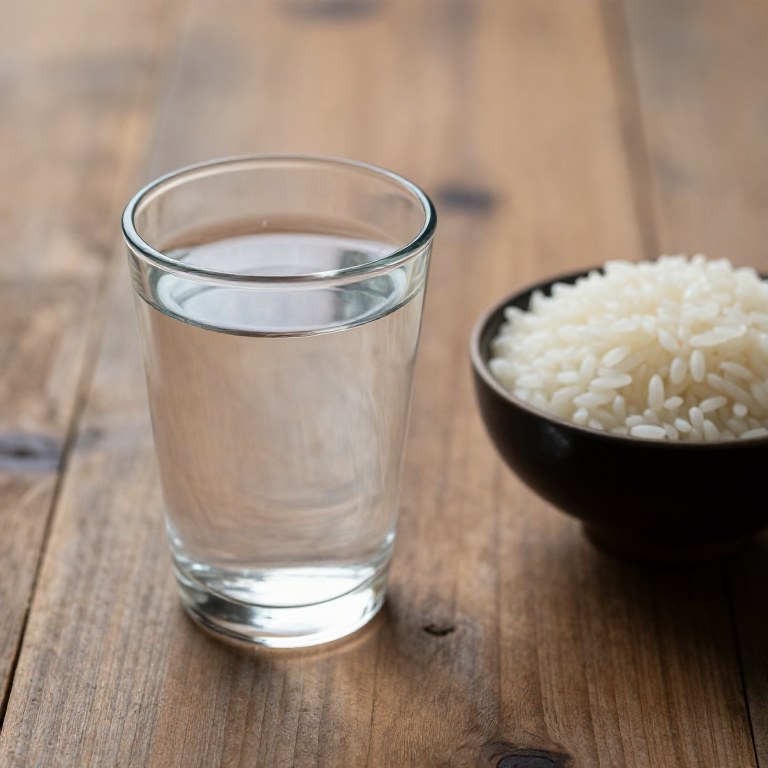

Arrack (Spirit of Rice): Rice Flour Gelatinised, Saccharified with Malt, Fermented and Distilled (Byrn, 1868)
Imiyalelo
Read Byrn, and the law
Read Byrn, and the law
The still
The still
His measures in metric
His measures in metric
Grind rice and malt fine
Grind rice and malt fine
Izinto zokwakha zalesi sinyathelo:
 White Rice1 as required
 Umumela omhlophe1 as required
Amathuluzi adingekayo:
 Umshini wokugaya okusanhlamvu
Rice and water, 77-80 F
Rice and water, 77-80 F
Izinto zokwakha zalesi sinyathelo:
 Amanzi1 as required
Amathuluzi adingekayo:
 Ubhavu wokhuni
 Ukhezo Lokhuni
 Ithemomitha Yokupheka
Steep the malt apart
Steep the malt apart
Izinto zokwakha zalesi sinyathelo:
Amanzi1 as requiredAmathuluzi adingekayo:
 Ibhodwe ElikhuluIthemomitha Yokupheka
Thicken to 180 F
Thicken to 180 F
Izinto zokwakha zalesi sinyathelo:
Amanzi1 as requiredAmathuluzi adingekayo:
Ibhodwe ElikhuluUkhezo LokhuniIthemomitha YokuphekaMash in the malt
Mash in the malt
Amathuluzi adingekayo:
Ubhavu wokhuniUkhezo LokhuniThin and cool
Thin and cool
Izinto zokwakha zalesi sinyathelo:
Amanzi1 as requiredAmathuluzi adingekayo:
 I-hydrometerIthemomitha Yokupheka
Ferment as for corn
Ferment as for corn
Izinto zokwakha zalesi sinyathelo:
 Imvubelo kabhiya1 as required
Amathuluzi adingekayo:
 Umgqomo wokhuniIthemomitha Yokupheka
Charge and lute the still
Charge and lute the still
Izinto zokwakha zalesi sinyathelo:
 I-calcium carbonate (umcako omhlophe)1 as required
 Ufulawa we-rye1 as requiredAmanzi1 as required
Amathuluzi adingekayo:
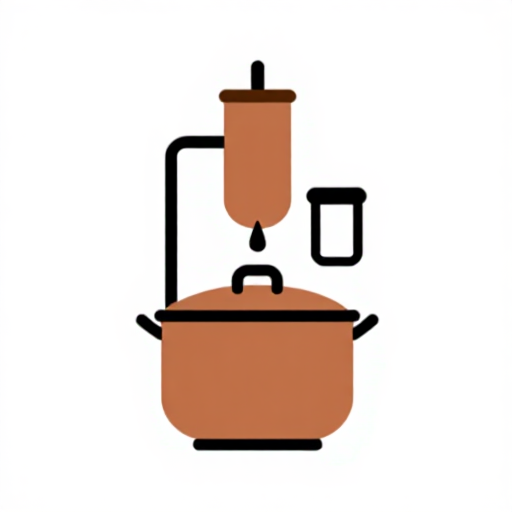 Isitsha sokuhluza ngomphunga
Raise the fire by degrees
Raise the fire by degrees
Amathuluzi adingekayo:
Isitsha sokuhluza ngomphunga Woven Wool Blanket
Set aside the first runnings
Set aside the first runnings
Amathuluzi adingekayo:
 Ujeke wokukala
Run the low wines
Run the low wines
Amathuluzi adingekayo:
Isitsha sokuhluza ngomphunga IkhandlelaUmgqomo wokhuniI-hydrometer
Double the low wines
Double the low wines
Amathuluzi adingekayo:
Isitsha sokuhluza ngomphungaCut at the bead
Cut at the bead
Amathuluzi adingekayo:
 Ithoyizi lengilazi elincane (lemifanekiso)Ujeke wokukala
Collect the feints, stop the fire
Collect the feints, stop the fire
Amathuluzi adingekayo:
Umgqomo wokhuniIkhandlelaBring to proof
Bring to proof
Izinto zokwakha zalesi sinyathelo:
Amanzi1 as requiredAmathuluzi adingekayo:
I-hydrometerUjeke wokukalaRedistil the feints
Redistil the feints
Izinto zokwakha zalesi sinyathelo:
 Usawoti1.8 kg
Amathuluzi adingekayo:
Isitsha sokuhluza ngomphungaKeep it in glass
Keep it in glass
Izinto zokwakha zalesi sinyathelo:
 Amabhodlela engilazi anezivimbo1 ucezu
Amathuluzi adingekayo:
Ujeke wokukalaTroubleshooting
Troubleshooting
Flow
History and honest limits
History and honest limits
Izinto
8- 1 as requiredIsibambeli
- 1 as requiredIsibambeli
- 6 as requiredIsibambeli
- 1 as requiredIsibambeli
- 1 as requiredIsibambeli
- 1 as requiredIsibambeli
- 1.8 kgIsibambeli
- Isibambeli
Amathuluzi Adingekayo
12- Isibambeli
- Isibambeli
- Isibambeli
- Isibambeli
- Isibambeli
- Isibambeli
- Isibambeli
- Isibambeli
- Isibambeli
- Isibambeli
- Isibambeli
Izinto Zokwakha Ze-Blueprint Exhunyiwe


Le blueprint yenza
Ama-blueprint ahlobene
Lama-blueprint abelana ngolwazi — amasu, izinto noma izimiso
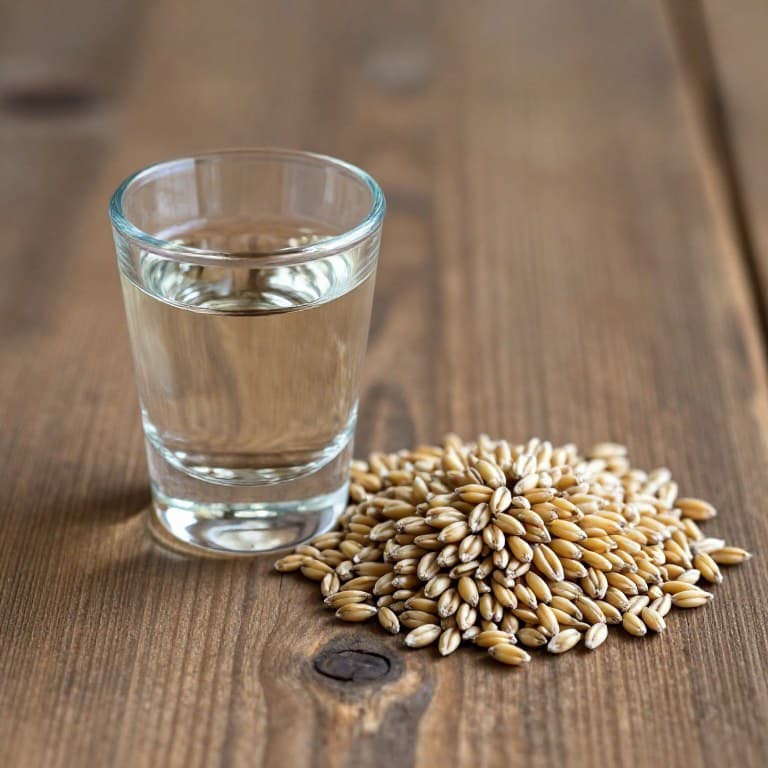
Malt Whisky: Malt and Barley Meal Mashed at 150 F, Fermented 8 to 12 Days and Distilled (Byrn, 1868)
ngu-Alchometer
Iziphuzo Ezidakayo
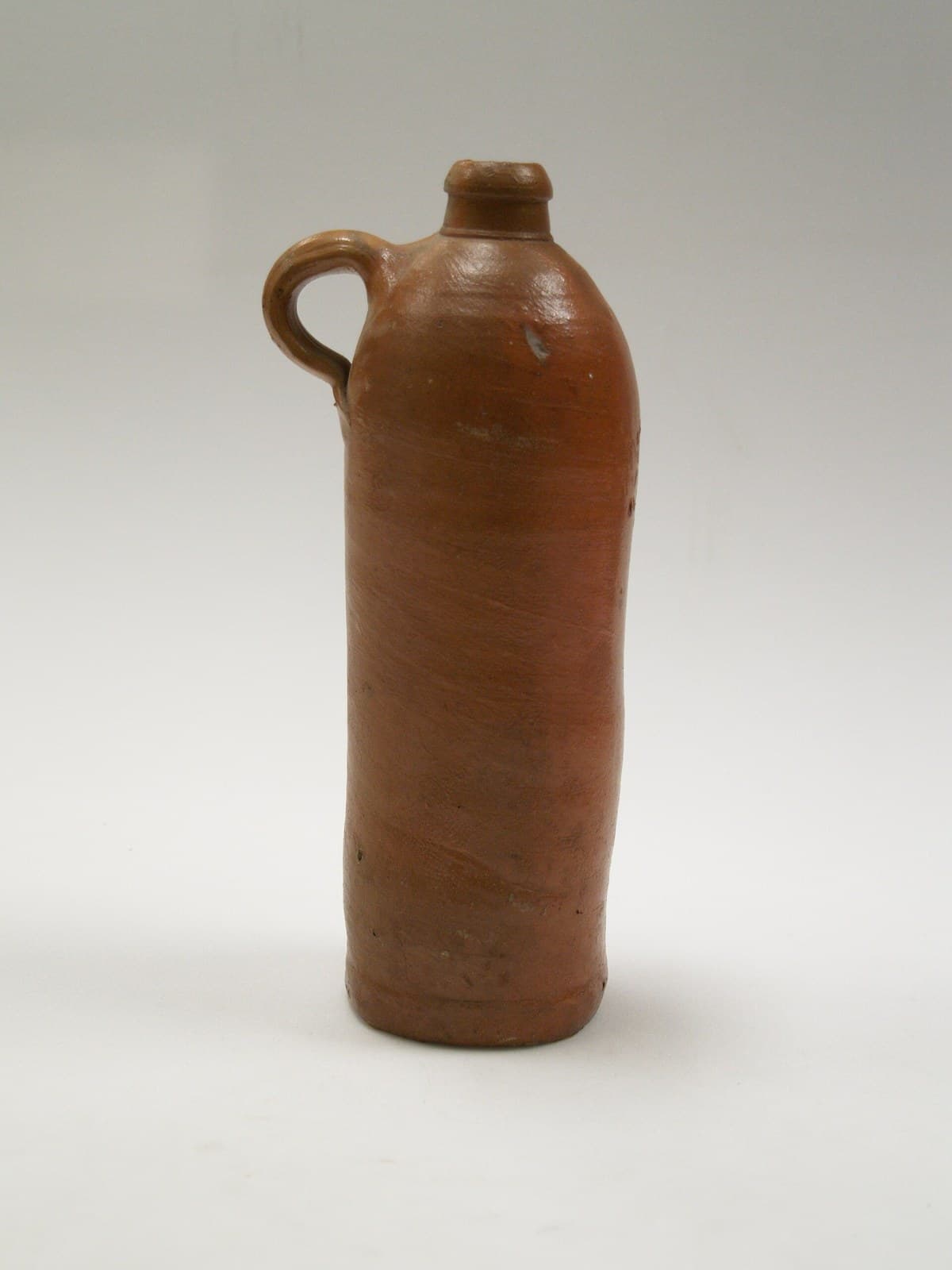
Dutch Geneva (Genever): Malt and Rye Mashed at 162 F, Distilled Three Times with Juniper and Hops (Byrn, 1868)
ngu-Alchometer
Iziphuzo Ezidakayo
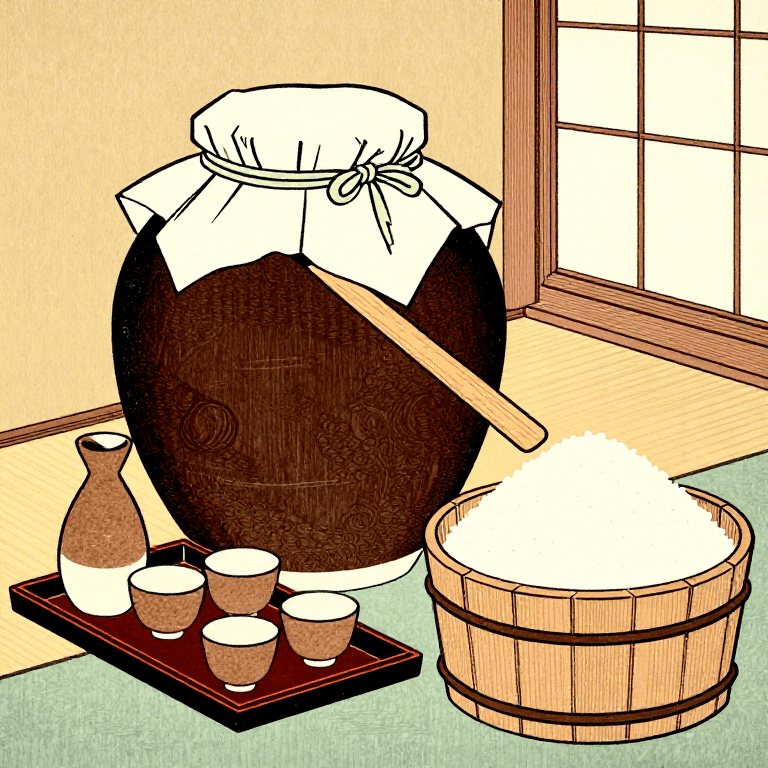
Brewing Sake Rice Wine — Parallel Fermentation with Koji
ngu-Alchometer
Ukwenza Utshwala
CC0 Isizinda Somphakathi
Le blueprint ikhishwe ngaphansi kwe-CC0. Ukhululekile ukukopisha, ukuguqula, ukusabalalisa, nokusebenzisa ngaphandle kwemvume.
Sekela uMenzi ngokuthenga imikhiqizo nge-Blueprint yabo IKhomishane Yomenzi kumiswe ngabathengisi, noma dala inguqulo entsha yale Blueprint bese uyifaka njengoxhumaniso ku-Blueprint yakho ukuze wabelane ngemali engenayo.