


Casting a Bronze Socketed Spearhead — Bivalve Mould Method
The socketed spearhead was a major advance over the flat tanged point — the hollow socket allowed the shaft to be inserted directly into the head, creating a stronger and more aerodynamic weapon. This design appeared across the Bronze Age world from approximately 2000 BCE and remained in use for over a thousand years.
Creating the socket requires a bivalve mould with a clay core inserted between the two stone halves. The core occupies the space where the socket will be, so when the bronze solidifies around it and the core is broken out, a hollow tube remains. This is one of the earliest examples of core-casting — a technique that later evolved into the lost-wax process for complex hollow sculptures.
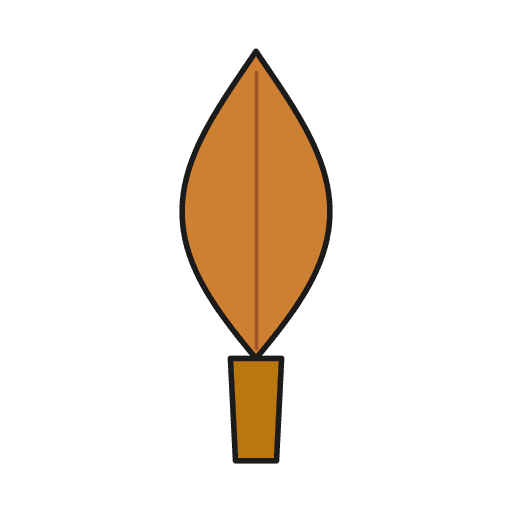
The leaf-shaped blade is cast with a raised midrib for rigidity, then the edges are cold-hammered and ground sharp. Two small holes at the socket base allow a pin or binding to lock the shaft in place.
Imiyalelo
Prepare the bivalve mould
Prepare the bivalve mould
Izinto zokwakha zalesi sinyathelo:
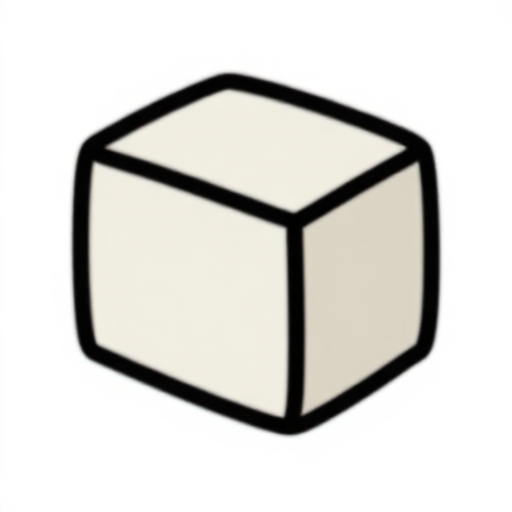 Ibhulokhi letshe lensipho2 izicucu
Form the clay core for the socket
Form the clay core for the socket
Izinto zokwakha zalesi sinyathelo:
 Ubumba Obumelana Nomlilo200 g
 Isihlabathi Esicolekile100 g
Assemble the mould with core
Assemble the mould with core
Izinto zokwakha zalesi sinyathelo:
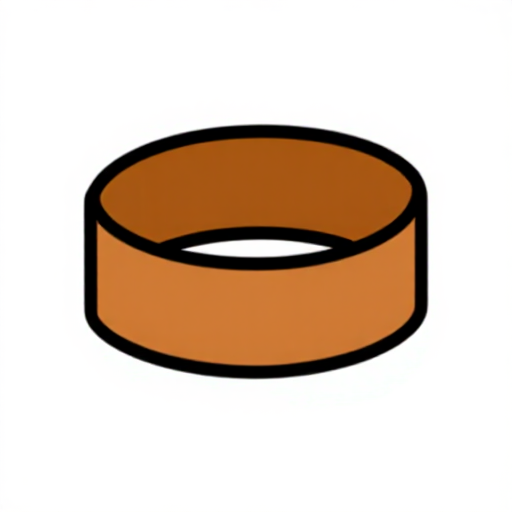 Imicu yesikhumba esingashukiwe1 m
Pre-heat the assembled mould
Pre-heat the assembled mould
Melt and pour the bronze
Melt and pour the bronze
Izinto zokwakha zalesi sinyathelo:
 Amalahle4 kg
Amathuluzi adingekayo:
 Udlawu Lwesitsha Sokuncibilikisa
Cool and separate the mould halves
Cool and separate the mould halves
Remove the clay core
Remove the clay core
Amathuluzi adingekayo:
 Uhlanga lophondo
Remove sprue and grind the parting line
Remove sprue and grind the parting line
Amathuluzi adingekayo:
 Itshe Lesihlabathi (Elokugaya)
Cold-hammer and sharpen the blade edges
Cold-hammer and sharpen the blade edges
Amathuluzi adingekayo:
 Itshe Lokushaya
 Ipuleti Letshe Eliyisicaba
 Itshe lokulola
Drill the rivet holes and haft
Drill the rivet holes and haft
Izinto
6- 2 izicucuIsibambeli
- Isibambeli
- Isibambeli
- Isibambeli
- 4 kgIsibambeli
- 1 ucezuIsibambeli
Amathuluzi Adingekayo
6- Isibambeli
- Isibambeli
- Isibambeli
- Isibambeli
- Isibambeli
- Isibambeli
Izinto Zokwakha Ze-Blueprint Exhunyiwe
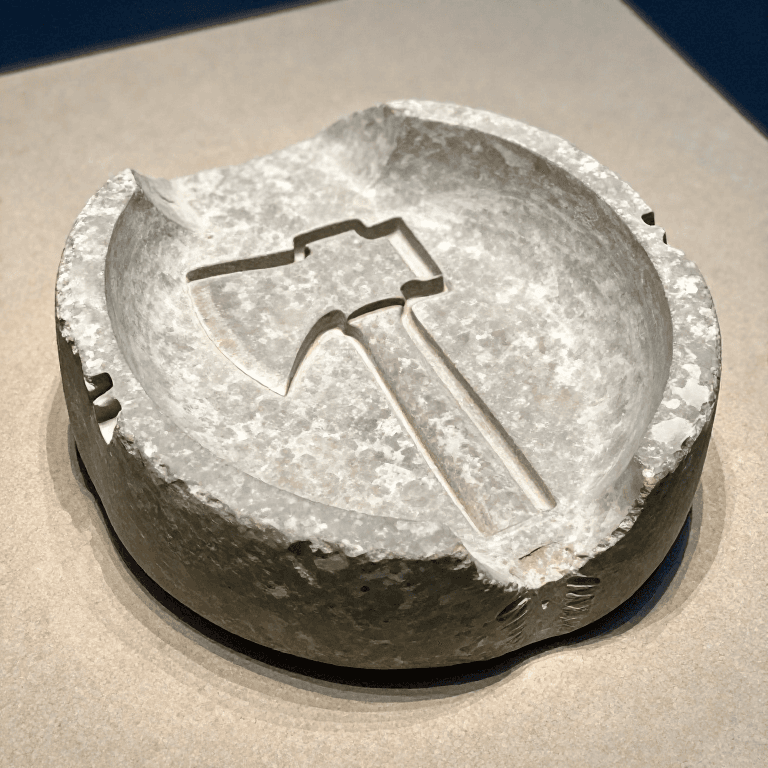
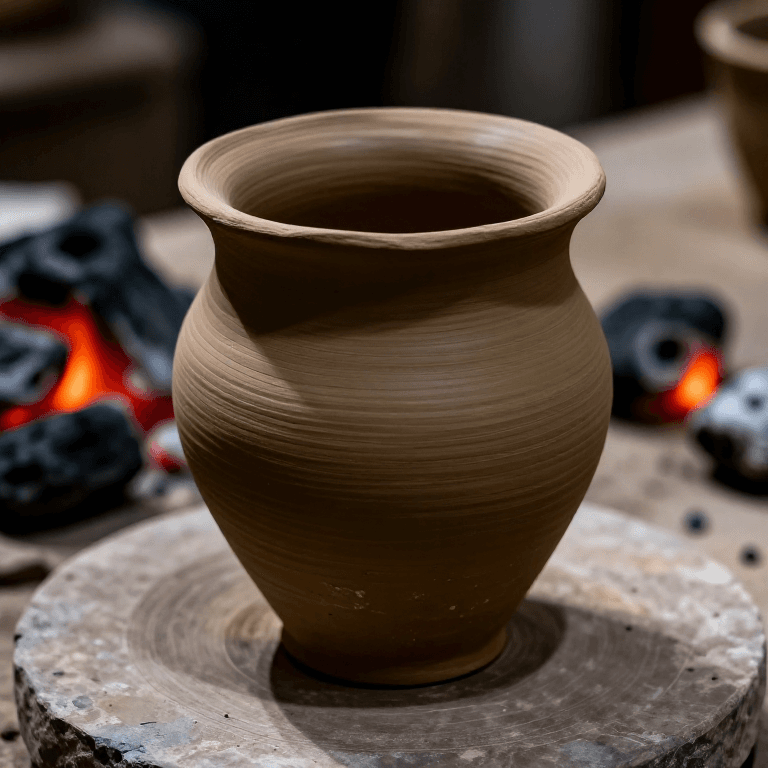
Le blueprint yenza
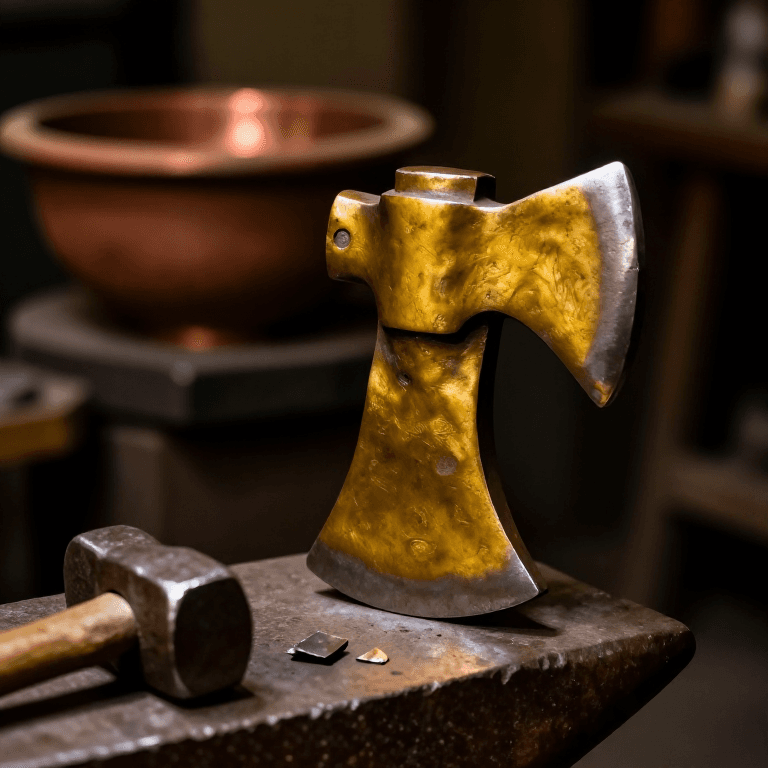
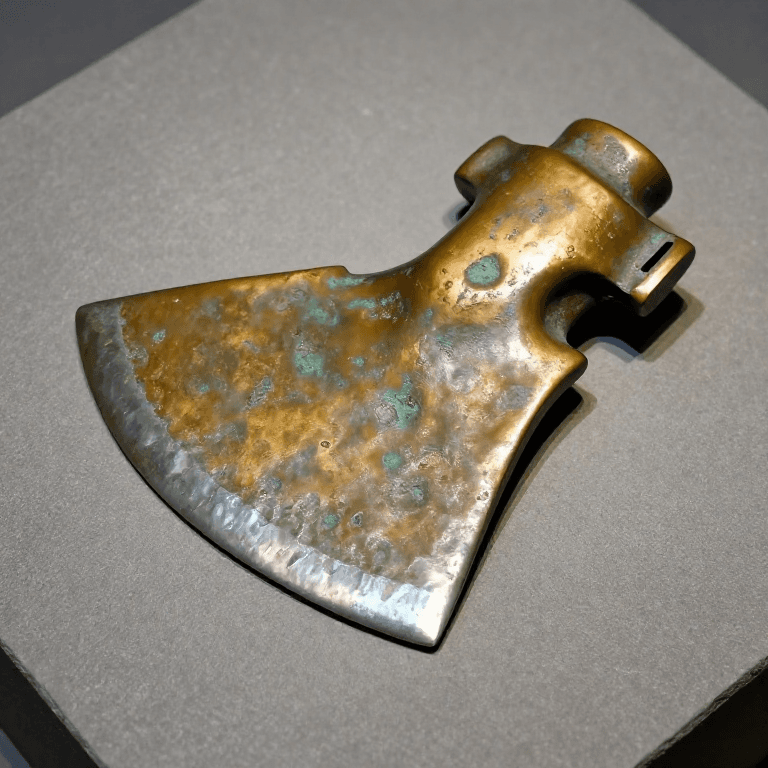
Ama-blueprint ahlobene
Lama-blueprint abelana ngolwazi — amasu, izinto noma izimiso
CC0 Isizinda Somphakathi
Le blueprint ikhishwe ngaphansi kwe-CC0. Ukhululekile ukukopisha, ukuguqula, ukusabalalisa, nokusebenzisa ngaphandle kwemvume.
Sekela uMenzi ngokuthenga imikhiqizo nge-Blueprint yabo IKhomishane Yomenzi kumiswe ngabathengisi, noma dala inguqulo entsha yale Blueprint bese uyifaka njengoxhumaniso ku-Blueprint yakho ukuze wabelane ngemali engenayo.