


Binding a Coptic Stitch Journal — Exposed-Spine Chain Stitch Bookbinding
The Coptic stitch is the oldest form of book binding that uses a structure recognisable as a modern book — separate sections (signatures) of folded pages, sewn together through their spines. Developed by early Christians in Egypt around the 2nd-4th century CE, it requires no glue and no cover spine, leaving the stitching fully exposed as a decorative element. The chain stitch links each signature to the next and to the cover boards, creating a book that opens completely flat. This blueprint covers the basic two-needle Coptic link stitch — the foundation of all exposed-spine binding.
Imiyalelo
Cut and fold the signatures
Cut and fold the signatures
Prepare the cover boards
Prepare the cover boards
Izinto zokwakha zalesi sinyathelo:
 Ikhadibhodi yokubopha izincwadi2 izicucu
Mark the sewing stations
Mark the sewing stations
Punch the sewing holes
Punch the sewing holes
Amathuluzi adingekayo:
 Usungulo
Cut and wax the thread
Cut and wax the thread
Izinto zokwakha zalesi sinyathelo:
 Intambo ye-linen enewaksi3 amamitha
Amathuluzi adingekayo:
 Inaliti yokuthunga
Attach the first signature to the back cover
Attach the first signature to the back cover
Add the second signature with chain stitch
Add the second signature with chain stitch
Continue adding signatures
Continue adding signatures
Attach the front cover board
Attach the front cover board
Tie off the thread
Tie off the thread
Cover the boards (optional)
Cover the boards (optional)
Press and finish
Press and finish
Izinto
2- 2 izicucuIsibambeli
- 3 amamithaIsibambeli
Izinto Zokwakha Ze-Blueprint Exhunyiwe


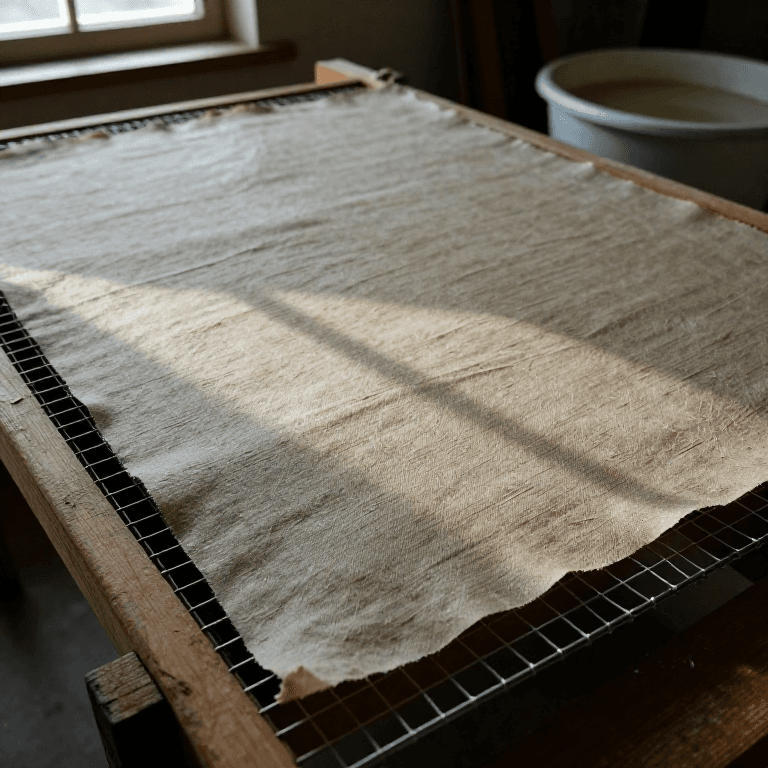
Le blueprint yenza




Ama-blueprint ahlobene
Lama-blueprint abelana ngolwazi — amasu, izinto noma izimiso

CC0 Isizinda Somphakathi
Le blueprint ikhishwe ngaphansi kwe-CC0. Ukhululekile ukukopisha, ukuguqula, ukusabalalisa, nokusebenzisa ngaphandle kwemvume.
Sekela uMenzi ngokuthenga imikhiqizo nge-Blueprint yabo IKhomishane Yomenzi kumiswe ngabathengisi, noma dala inguqulo entsha yale Blueprint bese uyifaka njengoxhumaniso ku-Blueprint yakho ukuze wabelane ngemali engenayo.