Ukusebenzisana
UBUCIKO
UBUHLE NEMPILO
UBUCIKO BEZANDLA
AMASIKO NOMLANDO
EZOKUZIJABULISA
IMVELO
UKUDLA NEZIPHUZO
REVERSE ENGINEERING
IZAYENSI
EZEMIDLALO
UBUCHWEPHESHE
IZINTO EZIGQOKWAYO
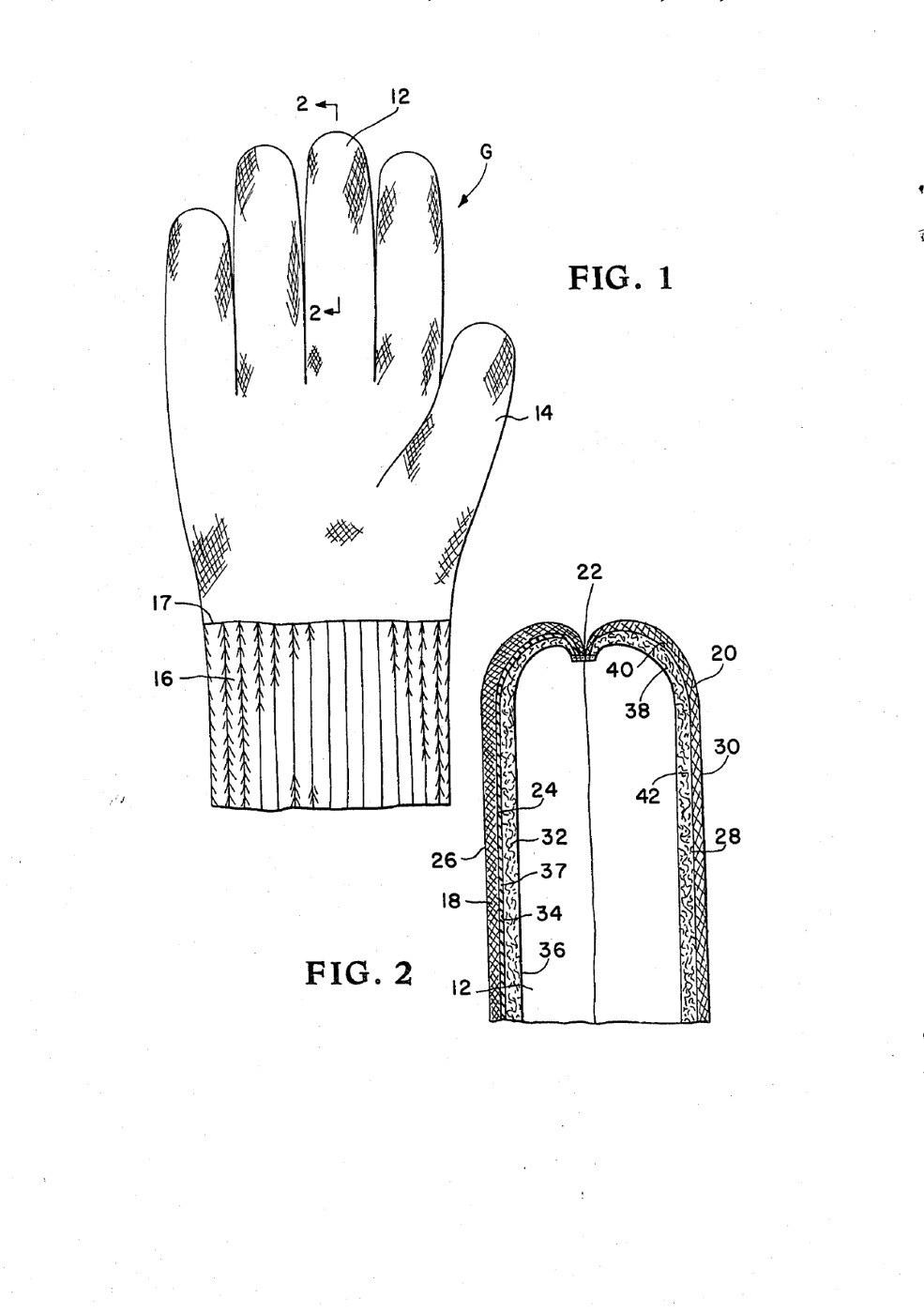


Heat-Resistant Gloves: Aramid Twill Palm, Knit Back and Felt Liners (NASA, 1984)
A heat-resistant glove made entirely of aramid fibre (Kevlar), patented by NASA for firefighters and foundry workers. The palm is a hard-wearing twill, the back a stretchy knit, and each is lined with aramid felt. A thin neoprene coat on the palm liner slows heat coming through from hot objects you grip.
Result: gloves that passed the NIOSH tests for firefighters' gloves for cuts, punctures, flame and dexterity. The patent reports 23 lb to puncture, against a 13.2 lb minimum.
Source: K. R. Sidman, R. P. Tschirch and I. J. Arons (NASA), US Patent 4,433,439 (1984). Unknown: the pattern and sizes, and how the neoprene coat is put on. Ours: the sewing tools. Picture: patent drawing.
Ophakathi
1 day
Imiyalelo
1
1
Cut the shells
Cut the shells
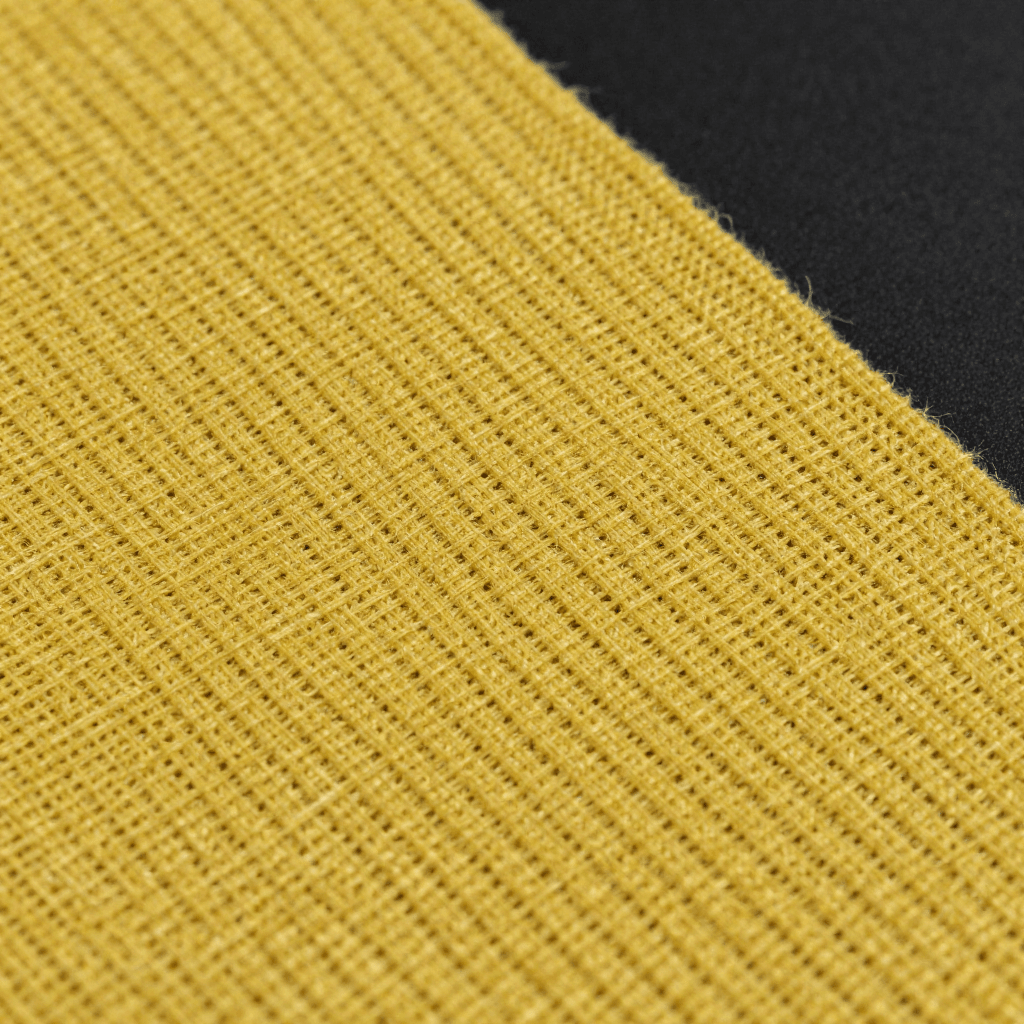
Cut the palm side of the glove from aramid twill of about 8 oz per square yard; twill wears best. Cut the back from knitted aramid of about 7 oz per square yard, which stretches for dexterity and comfort. Both should have a napped (raised) face; put it on the inside, where it adds insulation. Not given: the glove pattern and sizes.
Izinto zokwakha zalesi sinyathelo:
 Indwangu ye-aramid1 twill 8 oz/yd2 and knit 7 oz/yd2
Amathuluzi adingekayo:
 Isikelo sendwangu
 Ushoki womthungi
 Izilinganiso ezingaziwa
2
2
Cut and coat the liners
Cut and coat the liners
Cut a palm liner and a back liner to the same shapes from aramid felt of about 3.5 oz per square yard. Coat the face of the palm liner that will lie against the palm shell with a flame-resistant elastomer, preferably neoprene, 4 to 5 mils thick. It helps stop heat conducting through the palm. Not given: how the coat is applied.
Izinto zokwakha zalesi sinyathelo:
 Ifelti ye-aramid1 3.5 oz/yd2
 I-neoprene1 4-5 mil coat
Amathuluzi adingekayo:
Isikelo sendwangu3
3
Sew the glove
Sew the glove
Lay each liner against its shell, coated face to the palm shell. Sew shells and liners together along their edges with aramid thread, joining palm half to back half in one seam round the fingers and thumb.
Izinto zokwakha zalesi sinyathelo:
 Intambo ye-aramid1 ucezu
Amathuluzi adingekayo:
 Umshini wokuthunga
4
4
Add the wristlet
Add the wristlet
Make a tube of knitted aramid about 4 inches long and sew it round the glove opening. It seals loosely round the wrist to keep water and other matter out. Make it longer to protect more of the forearm.
Izinto zokwakha zalesi sinyathelo:
Indwangu ye-aramid1 knit tubeIntambo ye-aramid1 ucezuAmathuluzi adingekayo:
Umshini wokuthungaIzinto
4- 1 knit tubeIsibambeli
- 1 3.5 oz/yd2Isibambeli
- 1 4-5 mil coatIsibambeli
- 2 izicucuIsibambeli
Amathuluzi Adingekayo
4- Isibambeli
- Isibambeli
- Isibambeli
- Isibambeli
Izinto Zokwakha Ze-Blueprint Exhunyiwe
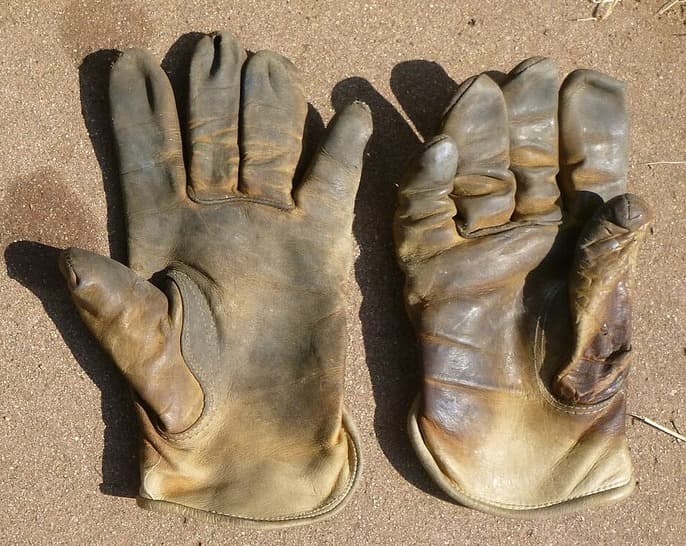

Le blueprint yenza

CC0 Isizinda Somphakathi
Le blueprint ikhishwe ngaphansi kwe-CC0. Ukhululekile ukukopisha, ukuguqula, ukusabalalisa, nokusebenzisa ngaphandle kwemvume.
Sekela uMenzi ngokuthenga imikhiqizo nge-Blueprint yabo IKhomishane Yomenzi kumiswe ngabathengisi, noma dala inguqulo entsha yale Blueprint bese uyifaka njengoxhumaniso ku-Blueprint yakho ukuze wabelane ngemali engenayo.