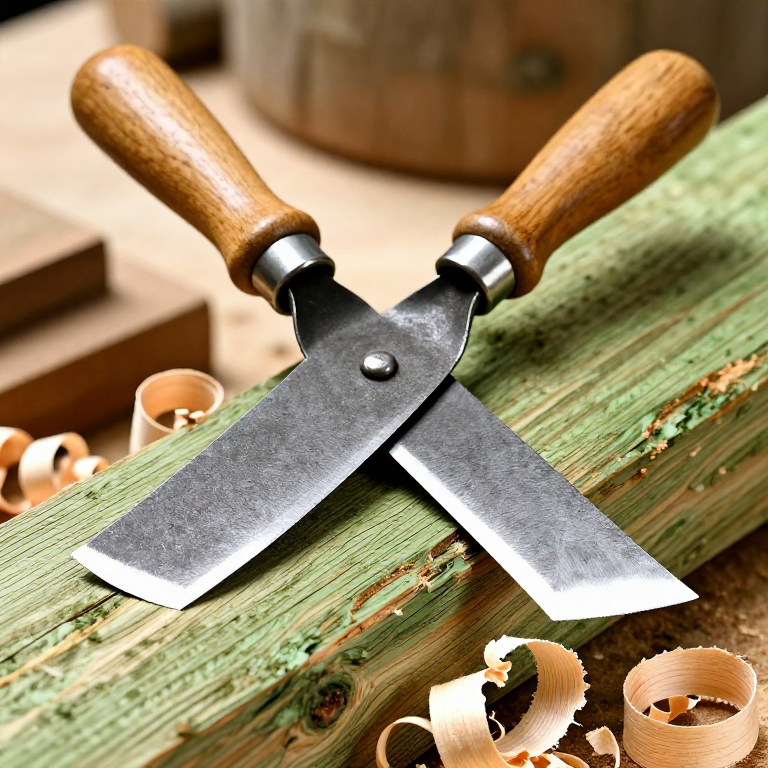


Using a Drawknife — Shaping Riven Timber by Drawing a Blade Toward You
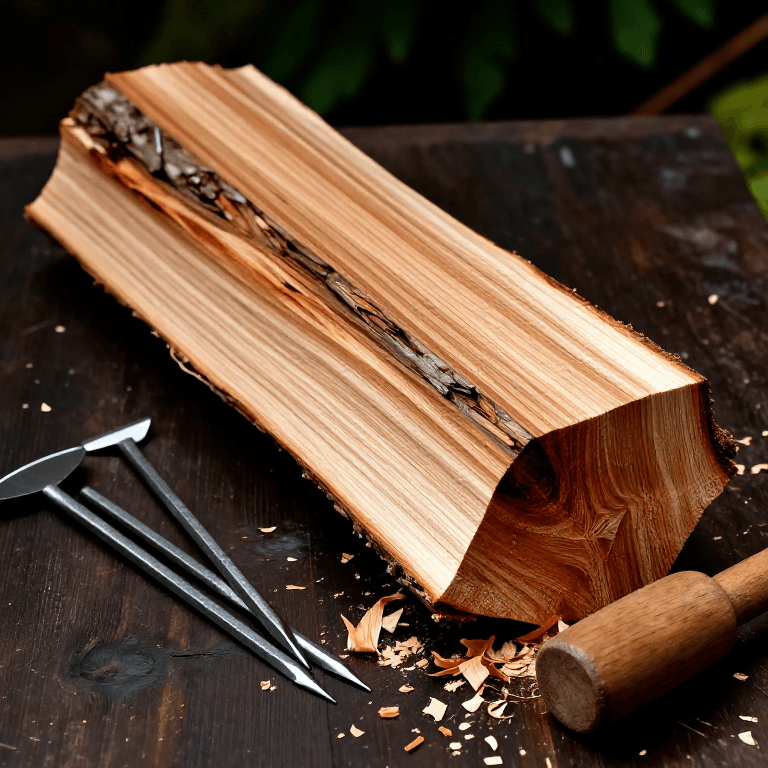
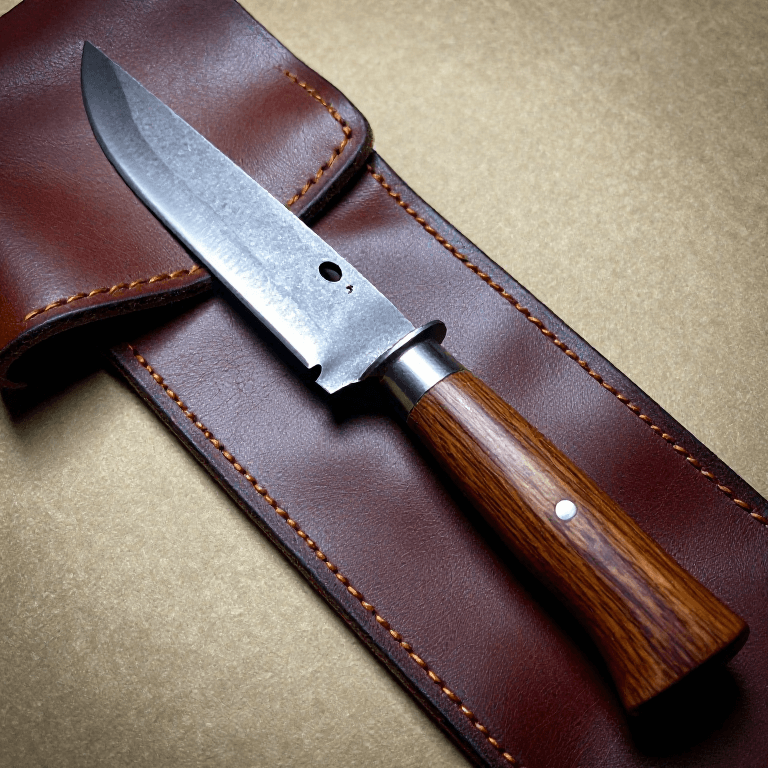
The drawknife is one of the oldest and most efficient woodworking tools: a wide blade with a handle at each end, drawn toward the body to shave wood in long, controlled strokes. It removes material faster than any plane and follows curves that no flat-soled tool can reach. Every piece of riven timber — every chair leg, every barrel stave, every roof shingle — was brought to its final shape with a drawknife.
The technique depends on reading the grain. Pull with the grain and the blade glides through the wood, lifting a clean shaving. Pull against the grain and the blade digs in, tearing the surface and jamming. The worker reads the fibres at the edge of each cut and adjusts the angle and direction constantly. Bevel up gives a light, controlled cut for finishing. Bevel down gives an aggressive cut for roughing, letting the blade dig into the wood under its own weight.
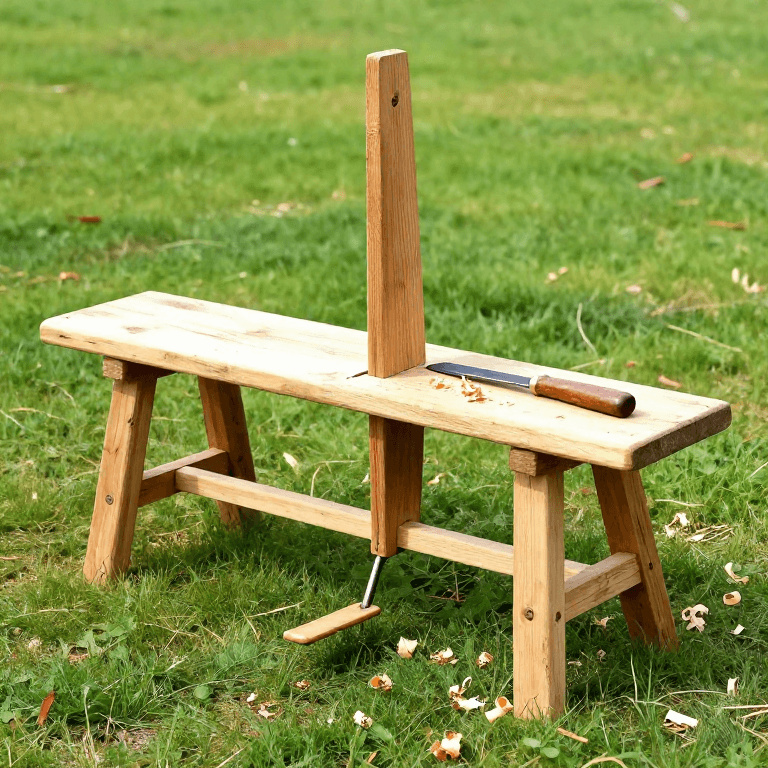
The drawknife works best on green (freshly cut) wood, which shaves cleanly and requires less effort than seasoned timber. Combined with a shave horse for clamping, a drawknife turns a rough riven billet into a smooth, shaped component in minutes — faster than any powered tool for one-off shaping work.
Imiyalelo
Secure the workpiece in a shave horse or vise
Secure the workpiece in a shave horse or vise
Izinto zokwakha zalesi sinyathelo:
 Ukhuni lwe-oak ebomvu1 ucezu
Amathuluzi adingekayo:
 Ibhentshi lokupala
 Isibambo Sebhentshi
Read the grain direction
Read the grain direction
Rough shaping — bevel down
Rough shaping — bevel down
Amathuluzi adingekayo:
 Ummese Odonswayo
Finish shaping — bevel up
Finish shaping — bevel up
Work green wood for best results
Work green wood for best results
Sharpen and maintain the drawknife
Sharpen and maintain the drawknife
Amathuluzi adingekayo:
 Itshe Lokulola
 Isikhumba sokulolaIsibambo Sebhentshi
Izinto
1- Ukhuni lwe-oak ebomvuikhomishini engu-10%1 ucezuIsibambeli
Amathuluzi Adingekayo
5- Isibambeli
- Isibambeli
- Isibambeli
- Isibambeli
- Isibambeli
Izinto Zokwakha Ze-Blueprint Exhunyiwe
Ama-blueprint ahlobene
Lama-blueprint abelana ngolwazi — amasu, izinto noma izimiso
CC0 Isizinda Somphakathi
Le blueprint ikhishwe ngaphansi kwe-CC0. Ukhululekile ukukopisha, ukuguqula, ukusabalalisa, nokusebenzisa ngaphandle kwemvume.
Sekela uMenzi ngokuthenga imikhiqizo nge-Blueprint yabo IKhomishane Yomenzi kumiswe ngabathengisi, noma dala inguqulo entsha yale Blueprint bese uyifaka njengoxhumaniso ku-Blueprint yakho ukuze wabelane ngemali engenayo.