UBUCIKO
UBUHLE NEMPILO
UBUCIKO BEZANDLA
AMASIKO NOMLANDO
EZOKUZIJABULISA
IMVELO
UKUDLA NEZIPHUZO
REVERSE ENGINEERING
IZAYENSI
EZEMIDLALO
UBUCHWEPHESHE
IZINTO EZIGQOKWAYO
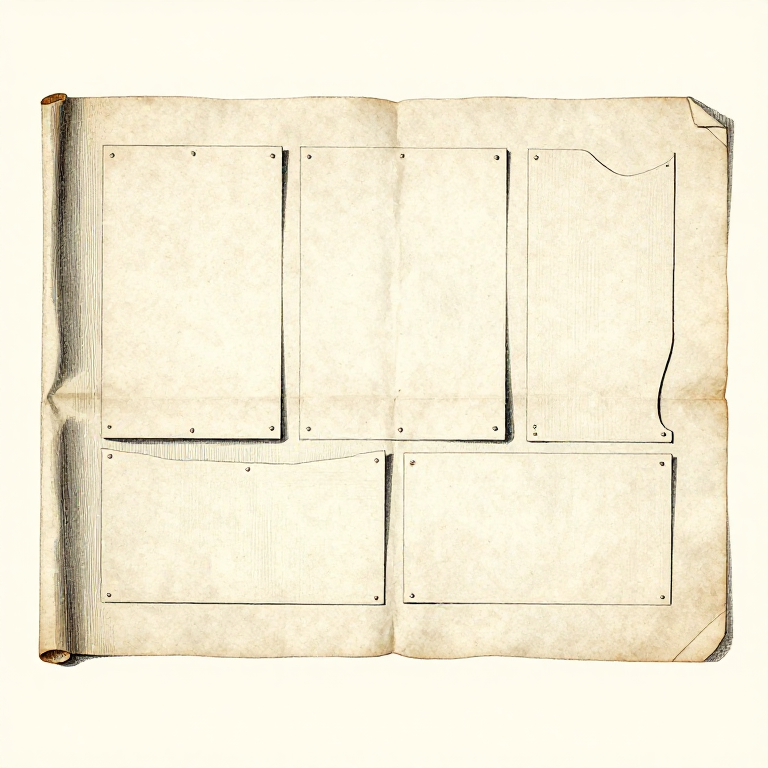


Laying Out and Cutting: Two Layers, One Way Up, and Cut Once
Cutting is the one step in the whole process that cannot be undone. Everything else can be unpicked; cloth cut away is gone, and a piece cut too small cannot be made larger.
So the layout is where the care belongs. Pieces on the right grain, the right number of each, mirrored where they should be mirrored, and all of them fitting on the cloth you actually have.
The second trap is NAP — cloth with a direction, whether from pile, sheen or a printed pattern. Two pieces cut facing opposite ways look like two different colours when the garment is finished, and nothing can be done about it afterwards.
Oqalayo
3 hours
Imiyalelo
1
1
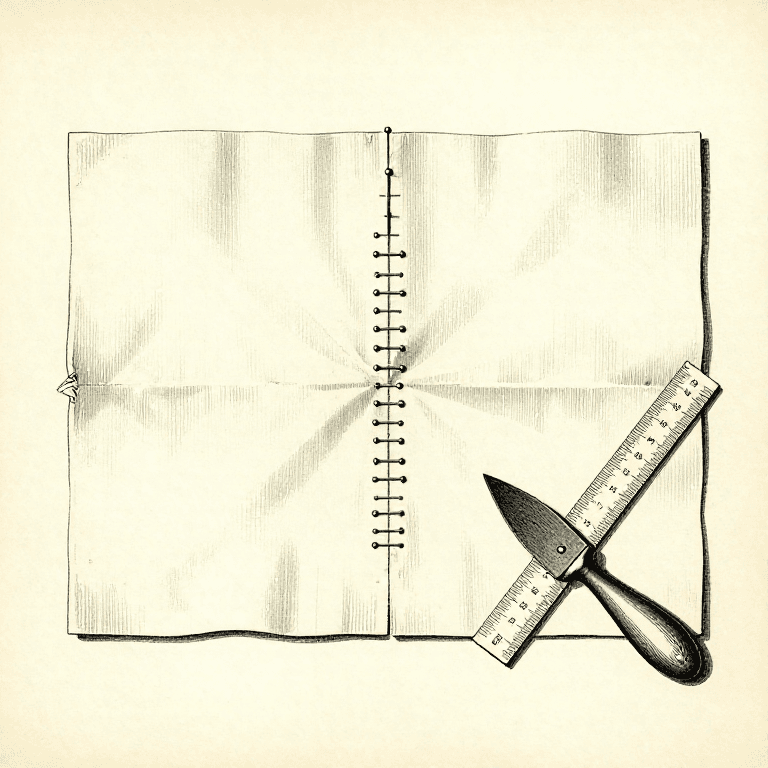
Lay out every piece before cutting any of them
Lay out every piece before cutting any of them
Pin or weight all the pattern pieces onto the cloth and only then pick up the scissors. Cutting as you go is how the last piece turns out not to fit on what is left.
Big pieces first, small ones into the gaps. Every layout is a packing problem, and the pieces that constrain it are the long ones — a trouser leg or a skirt panel has only a few possible positions once the grain is fixed.
Check the count against the instructions. "Cut 2", "cut 1 on fold", "cut 4 interfacing" — the commonest layout mistake is cutting one of something that needed two, and it is usually found when the second sleeve is wanted.
Izinto zokwakha zalesi sinyathelo:
 Indwangu Yekotini1 ucezu
 Iphepha1 ucezu
Amathuluzi adingekayo:
 Izikhonkwane zokuthunga
 Ushoki womthungi
 Ithephu Lokulinganisa
2
2
Folded double, and what mirroring gives you
Folded double, and what mirroring gives you
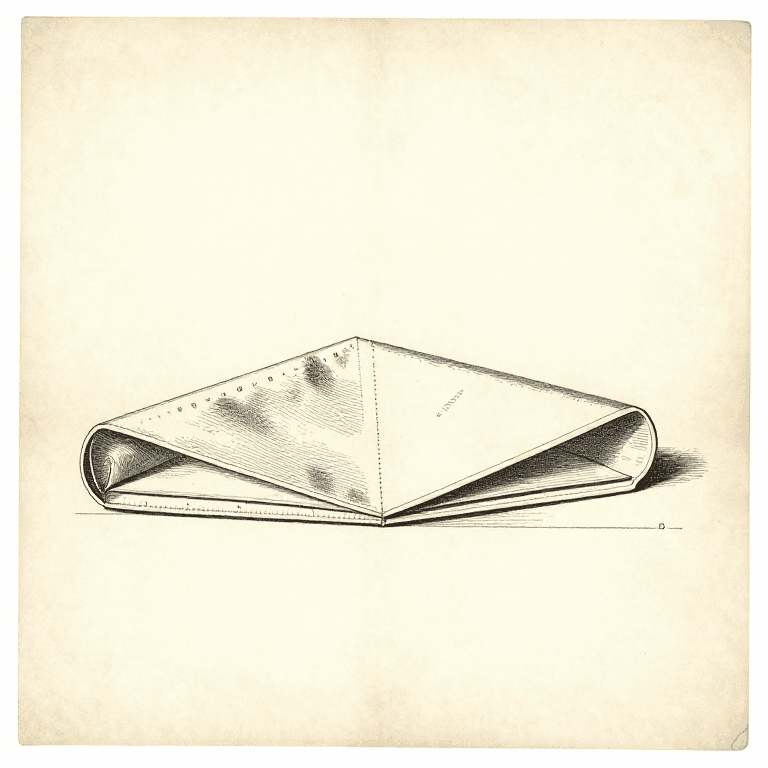
Cloth folded selvedge to selvedge gives two layers, so one cut through both produces a mirrored PAIR — a left and a right. That is what almost every garment needs, and it is why the double layer is the default.
Pieces marked "cut on fold" go against the folded edge and open out into one symmetrical piece, twice the width of the pattern. Cutting along that fold by mistake gives two halves of a front and no way back.
Where a piece must NOT be mirrored — an asymmetric front, a pocket that goes on one side only — cut on a single layer, or cut the second one deliberately the same way up. Two mirrored pockets on the same side of a jacket is a real and common mistake.
Izinto zokwakha zalesi sinyathelo:
Indwangu Yekotini1 ucezuAmathuluzi adingekayo:
 IsikeloIzikhonkwane zokuthunga
 Irula
Irula3
3
Nap: cloth that has a direction
Nap: cloth that has a direction
Velvet, corduroy, brushed wool and many satins reflect light differently depending which way they are stroked. Two pieces cut in opposite directions are visibly different shades in the finished garment, under any light.
So on napped cloth every piece goes the SAME way up. That is a 'with nap' layout, it uses more cloth than a layout that alternates, and the extra cloth is not optional.
Printed cloth has a direction too, and so does anything with a one-way pattern. Decide the direction, mark it on the cloth with chalk arrows before laying out, and check every piece against those arrows rather than against the pattern.
Izinto zokwakha zalesi sinyathelo:
Indwangu Yekotini1 ucezu Indwangu ye-linen1 ucezu
Amathuluzi adingekayo:
Ushoki womthungiIzikhonkwane zokuthungaIsikelo4
4
Cut with the cloth flat, and keep the scissors down
Cut with the cloth flat, and keep the scissors down
Keep the cloth flat on the table and move around it rather than lifting it. Cloth lifted while being cut distorts, so the piece is a different shape once it is laid down again — and the distortion is worst on bias edges, which are exactly the ones that matter.
Slide the lower scissor blade along the table and take long smooth cuts. Short snips leave a serrated edge, and the stitching line follows that edge — the seam-allowance rung's point, arriving from the cutting side.
Keep fabric shears for fabric only. Paper blunts them quickly, and a blunt shear chews rather than cuts, which is both a worse edge and far more effort. Mark them and keep separate scissors for paper patterns.
Izinto zokwakha zalesi sinyathelo:
Indwangu Yekotini1 ucezuAmathuluzi adingekayo:
IsikeloIrulaUshoki womthungiIzinto
3- 4 izicucuIsibambeli
- 1 ucezuIsibambeli
- 1 ucezuIsibambeli
Ama-blueprint ahlobene
Lama-blueprint abelana ngolwazi — amasu, izinto noma izimiso
CC0 Isizinda Somphakathi
Le blueprint ikhishwe ngaphansi kwe-CC0. Ukhululekile ukukopisha, ukuguqula, ukusabalalisa, nokusebenzisa ngaphandle kwemvume.
Sekela uMenzi ngokuthenga imikhiqizo nge-Blueprint yabo IKhomishane Yomenzi kumiswe ngabathengisi, noma dala inguqulo entsha yale Blueprint bese uyifaka njengoxhumaniso ku-Blueprint yakho ukuze wabelane ngemali engenayo.