UBUCIKO
UBUHLE NEMPILO
UBUCIKO BEZANDLA
AMASIKO NOMLANDO
EZOKUZIJABULISA
IMVELO
UKUDLA NEZIPHUZO
REVERSE ENGINEERING
IZAYENSI
EZEMIDLALO
UBUCHWEPHESHE
IZINTO EZIGQOKWAYO
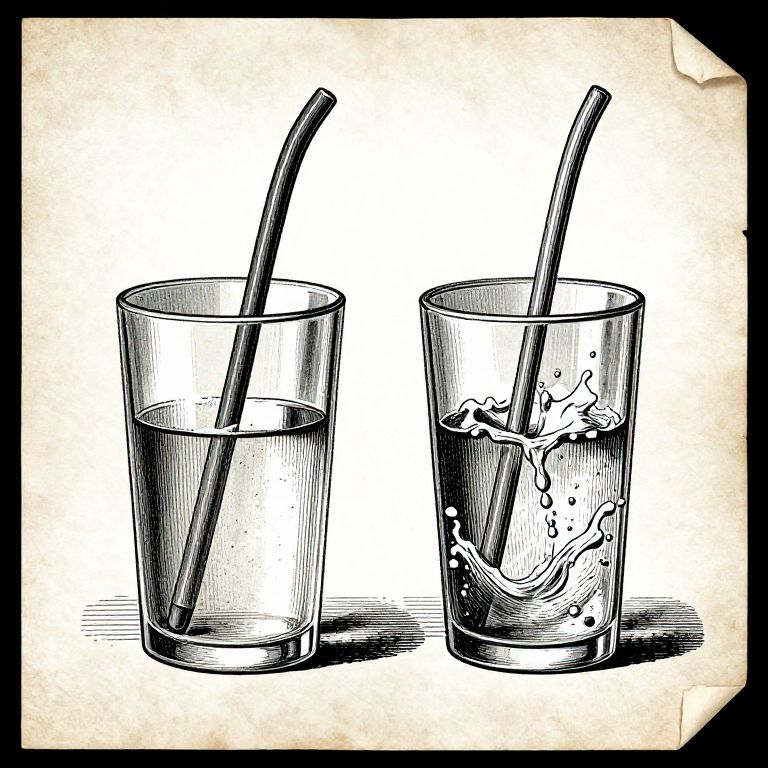


Oxygen: Wanted for an Hour, Ruinous for Ever After
There is exactly one moment in a ferment when air is welcome, and it is before the yeast starts working. After that, every bubble of air that reaches the liquid is doing damage that cannot be undone.
Oxygen reacts with compounds in beer and wine to produce stale, papery, sherry-like flavours, and it browns the colour. It also lets aerobic spoilage organisms — acetic acid bacteria above all — turn a drink into vinegar.
Which makes the whole back half of brewing an exercise in not splashing. Racking, bottling, and every transfer is a chance to dissolve air, and the technique for each one is designed around that single fact.
Ophakathi
2 hours
Imiyalelo
1
1
Aerate hard before pitching, and never after
Aerate hard before pitching, and never after
Cool wort holds oxygen; hot wort does not, and hot wort exposed to air oxidises immediately. So aeration happens AFTER chilling and BEFORE the yeast goes in, and at no other time.
Shaking a sealed fermenter for a minute, splashing between vessels, or an aquarium pump through a sanitised stone all work. Pure oxygen through a stone is faster and is what commercial breweries use.
Mead and wine are slightly different: they benefit from small deliberate oxygen doses in the first few days, while the yeast is still growing, because honey and juice are short of the nutrients that let yeast build membranes. After the first third of the ferment, the rule reverts.
Izinto zokwakha zalesi sinyathelo:
 Amanzi1 ilitha
 Uju1 ucezu
Amathuluzi adingekayo:
 Igabha elikhulu le-asidi
 I-airlock yokuvutshelwa
 Ithemomitha Efunda Ngokushesha
2
2
Rack quietly, under the surface, and only when you must
Rack quietly, under the surface, and only when you must
Siphon rather than pour, and put the end of the tube at the BOTTOM of the receiving vessel so the liquid fills from below and never splashes or falls through air.
Every transfer picks up some oxygen however careful you are, so the best transfer is the one you do not do. Racking to a secondary vessel used to be routine advice and is now considered unnecessary for most beers — the clarity gained rarely justifies the oxygen taken on.
Where racking IS needed — long ageing, bulk ageing of mead or wine, getting off a heavy sediment before months in the vessel — do it once, quietly, and fill the receiving vessel as full as possible.
Izinto zokwakha zalesi sinyathelo:
Amanzi1 ilithaAmathuluzi adingekayo:
 I-siphon ezenzakalelayoIgabha elikhulu le-asidi
 Isethi yokuhlanza nokubulala amagciwane ekwenzeni utshwala
3
3
Headspace is stored oxygen
Headspace is stored oxygen
The air above the liquid in a vessel is a reservoir that will slowly dissolve in. During active fermentation it does not matter — the CO2 being produced purges it and forms a blanket. After fermentation stops, it does.
So a vessel used for ageing should be filled nearly to the airlock, and a half-full carboy left for six months will oxidise regardless of how good the airlock is. Top up with more of the same liquid, or use a smaller vessel.
CO2 is heavier than air and does form a protective layer, which is why an active ferment is safe with a large headspace. Relying on that blanket weeks after activity has stopped is the mistake, because it is slowly lost every time the vessel is moved or opened.
Izinto zokwakha zalesi sinyathelo:
Amanzi1 ilithaAmathuluzi adingekayo:
Igabha elikhulu le-asidiI-airlock yokuvutshelwa Isitsha sokuvutshelwa (isigubhu sengilazi)
4
4
The aerobic ferments are the exceptions that prove it
The aerobic ferments are the exceptions that prove it
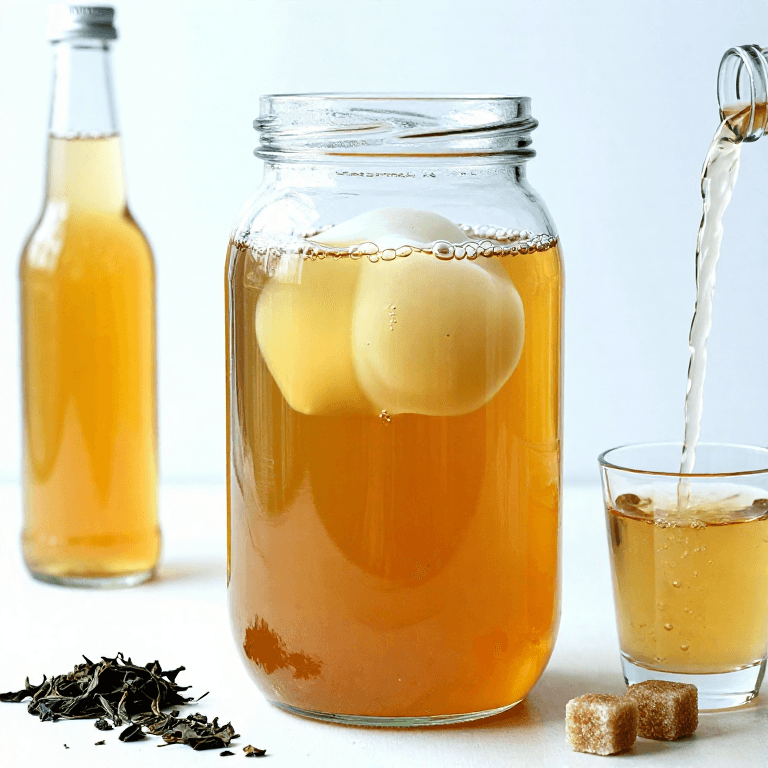
Kombucha and vinegar REQUIRE air. Both depend on aerobic organisms — acetic acid bacteria — sitting at the surface, and both are covered with cloth rather than an airlock for exactly that reason.
So the rule is not 'oxygen is bad'. It is that oxygen selects for a different set of organisms, and you get to choose which set you want. An airlock excludes them; a cloth cover invites them.
Which is the sanitation rung's argument again. Every one of these decisions — sanitiser, salt, airlock, cloth, temperature — is a way of tilting a competition, and knowing which competitor you are favouring is what makes an unfamiliar ferment predictable.
Izinto zokwakha zalesi sinyathelo:
Amanzi1 ilithaAmathuluzi adingekayo:
I-airlock yokuvutshelwaIsitsha sokuvutshelwa (isigubhu sengilazi)Amathuluzi Adingekayo
6- Isibambeli
- Isibambeli
- Isibambeli
- Isibambeli
- Isethi yokuhlanza nokubulala amagciwane ekwenzeni utshwalaikhomishini engu-10%Isibambeli
Ama-blueprint ahlobene
Lama-blueprint abelana ngolwazi — amasu, izinto noma izimiso


CC0 Isizinda Somphakathi
Le blueprint ikhishwe ngaphansi kwe-CC0. Ukhululekile ukukopisha, ukuguqula, ukusabalalisa, nokusebenzisa ngaphandle kwemvume.
Sekela uMenzi ngokuthenga imikhiqizo nge-Blueprint yabo IKhomishane Yomenzi kumiswe ngabathengisi, noma dala inguqulo entsha yale Blueprint bese uyifaka njengoxhumaniso ku-Blueprint yakho ukuze wabelane ngemali engenayo.