UBUCIKO
UBUHLE NEMPILO
UBUCIKO BEZANDLA
AMASIKO NOMLANDO
EZOKUZIJABULISA
IMVELO
UKUDLA NEZIPHUZO
REVERSE ENGINEERING
IZAYENSI
EZEMIDLALO
UBUCHWEPHESHE
IZINTO EZIGQOKWAYO
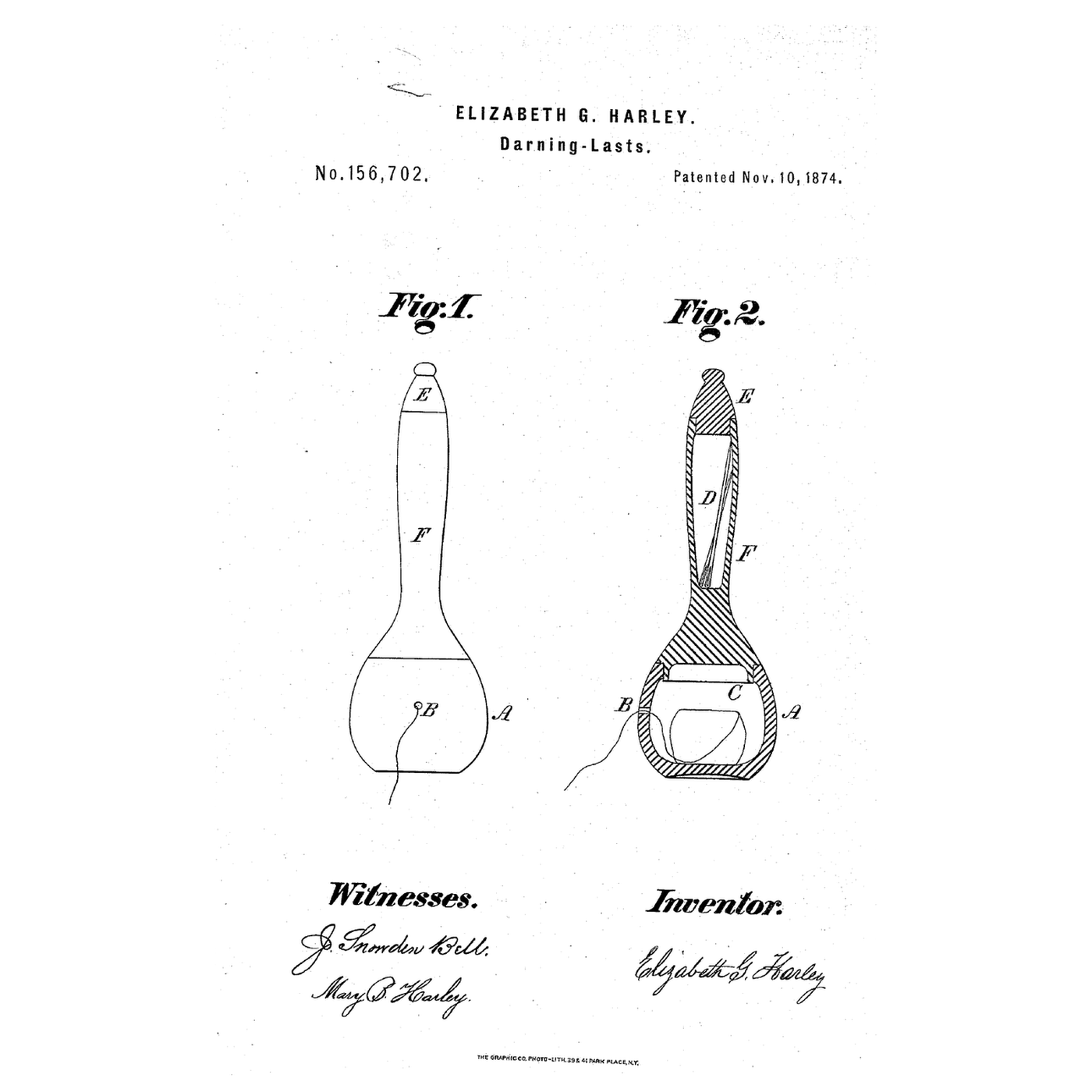


The Darning-Last: A Curved Face to Stretch the Hole Over
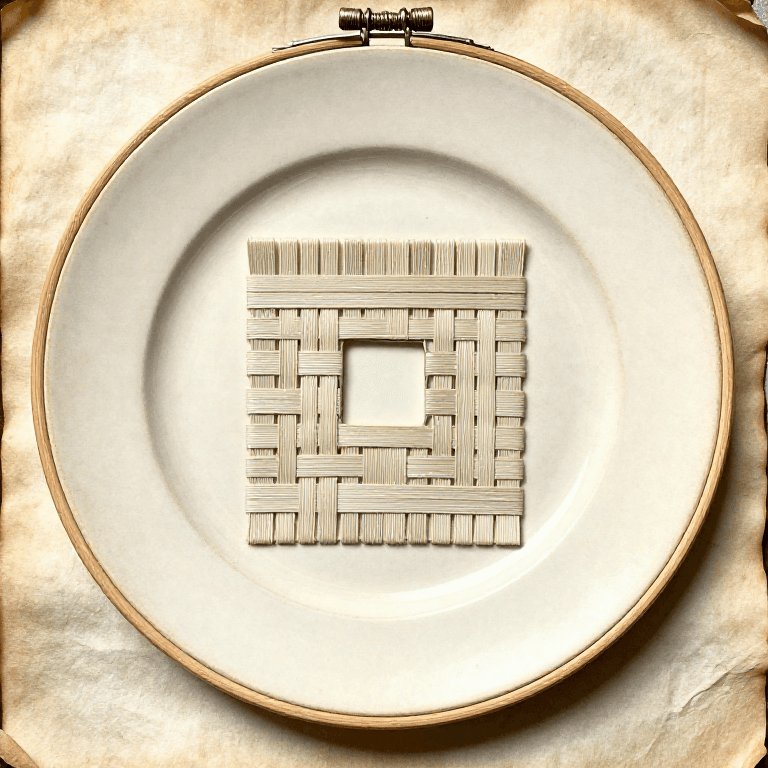
A darn is woven, not patched: new threads laid across a hole and interlaced like cloth. It needs the worn fabric held smooth and taut over a firm curve while the needle weaves.
Elizabeth G. Harley of Haddonfield, New Jersey, received US 156,702, dated 10 November 1874 (filed 17 September 1874), for a darning implement: "a hollow stretcher having a concave surface for holding the work, and a receptacle for containing a ball of thread, a hollow handle, which serves as a needle-receptacle". The concave face "enables the material to be held thereon as tightly as may be desired, while giving ample room for the movements of the needle".
This rung counts the passes and yarn a darn takes, then darns a sock over a darning egg.
Oqalayo
About 1 hour
Imiyalelo
1
1
Counting the darn
Counting the darn
Ilayisha incwadi ye-Jupyter…
2
2
Repairing cloth instead of replacing it
Repairing cloth instead of replacing it
The embedded blueprint covers darning and patching by hand; the last is the tool that holds the work.
3
3
Read US 156,702
Read US 156,702
"The object of my invention is to provide a simple and convenient device for use in the operation of darning, embroidering, or the like, which shall embody in its construction means for supporting the material worked upon, and receptacles for the thread and needles; to which end my improvement consists in combining, with a hollow stretcher having a concave surface for holding the work, and a receptacle for containing a ball of thread, a hollow handle, which serves as a needle-receptacle".
"The instrument so constructed is a useful adjunct in darning and embroidery. The concave surface formed upon the end of the stretcher enables the material to be held thereon as tightly as may be desired, while giving ample room for the movements of the needle, and the thread and needle receptacles in the stretcher and its handle are conveniently located for the operator."
4
4
Darn a sock
Darn a sock
Put a darning egg (or any smooth curved form) inside a sock under the hole, and pull the knit smooth over it without stretching the hole wider. Thread a blunt needle with yarn matched to the sock.
Lay warp threads across the hole, starting and ending half a centimetre into sound knit, turning loosely at each end so the darn does not pull. Then weave weft threads at right angles, over one and under one, pushing each row close to the last. Count your passes and time them; compare with the notebook. Wear the sock: a good darn lies flat.
Izinto zokwakha zalesi sinyathelo:
 Intambo1 ucezu
Amathuluzi adingekayo:
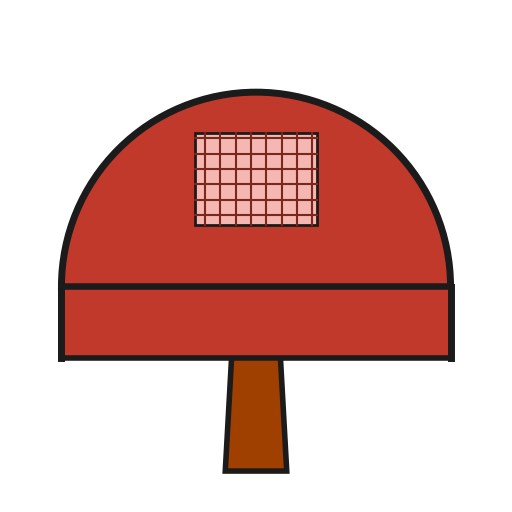 Iqanda lokuthunga amasokisi
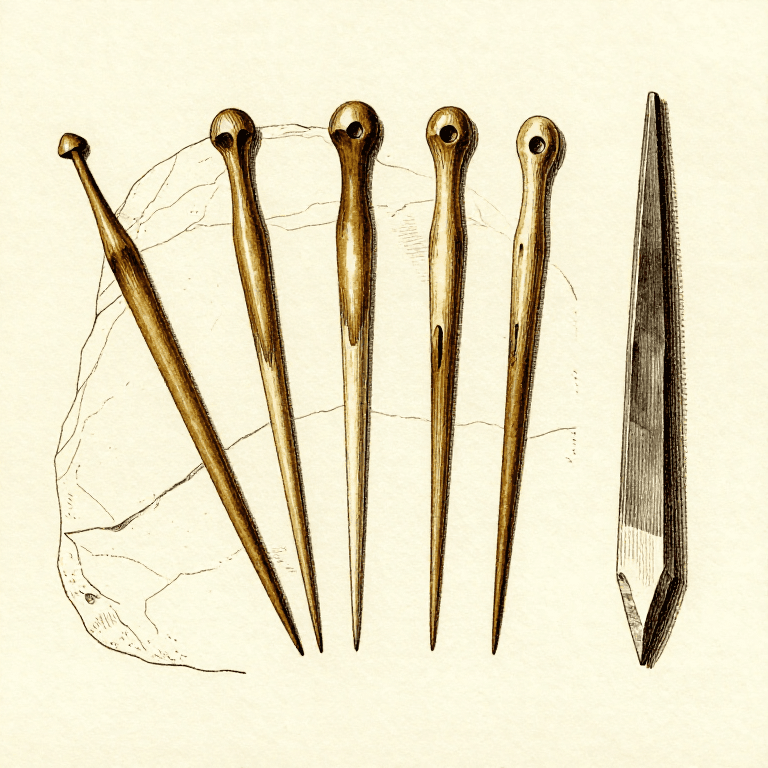
 Inaliti yokuthunga
 Irula
Irula Iwashi Lokumisa Isikhathi
5
5
A darn that puckers, pulls or wears through
A darn that puckers, pulls or wears through
Darning troubleshooting.
Flow
Loading...
6
6
History and honest limits
History and honest limits
**Elizabeth G. Harley** of Haddonfield, New Jersey, filed US 156,702 on 17 September 1874; it is dated 10 November 1874. She notes that hollow oval darning implements holding needles and thread were already known, and claims her combination with the concave face.
**Honest limits.** Margin, thread density and time per pass in the notebook are examples; the yarn length ignores the turns.
Amathuluzi Adingekayo
4- Isibambeli
- Isibambeli
- Isibambeli
- Isibambeli
Ama-blueprint ahlobene
Lama-blueprint abelana ngolwazi — amasu, izinto noma izimiso
CC0 Isizinda Somphakathi
Le blueprint ikhishwe ngaphansi kwe-CC0. Ukhululekile ukukopisha, ukuguqula, ukusabalalisa, nokusebenzisa ngaphandle kwemvume.
Sekela uMenzi ngokuthenga imikhiqizo nge-Blueprint yabo IKhomishane Yomenzi kumiswe ngabathengisi, noma dala inguqulo entsha yale Blueprint bese uyifaka njengoxhumaniso ku-Blueprint yakho ukuze wabelane ngemali engenayo.