UBUCIKO
UBUHLE NEMPILO
UBUCIKO BEZANDLA
AMASIKO NOMLANDO
EZOKUZIJABULISA
IMVELO
UKUDLA NEZIPHUZO
REVERSE ENGINEERING
IZAYENSI
EZEMIDLALO
UBUCHWEPHESHE
IZINTO EZIGQOKWAYO
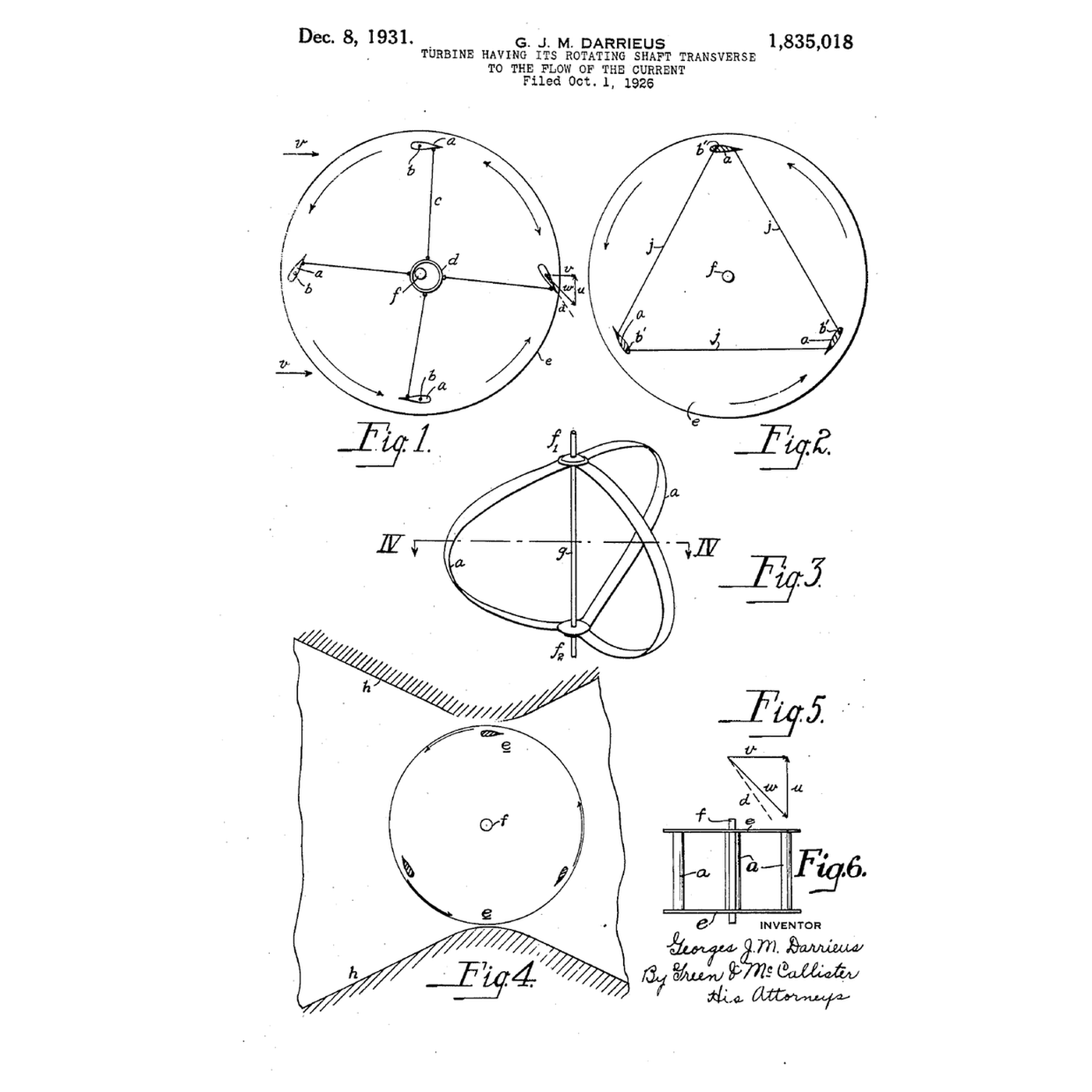
The Darrieus Rotor: Wings Round a Vertical Shaft
Georges Darrieus, an engineer in Paris, patented in 1926–31 a turbine whose shaft stands across the wind and whose blades are wings. Each blade meets the combined flow of the wind and its own motion at a small angle, and lift pulls it round — so the blades can move several times faster than the wind itself.
That makes it far more efficient than a drag machine like the Savonius, and it takes wind from any direction without steering. But a stopped Darrieus meets the wind at angles where its wings are stalled, and it cannot start itself.
This rung computes the angle of attack round a turn, builds a small straight-bladed Darrieus, and cures its starting problem with a Savonius on the same shaft.
Ophakathi
About 6 hours
Imiyalelo
1
1
Read Darrieus's claim
Read Darrieus's claim
US 1,835,018, 'Turbine Having Its Rotating Shaft Transverse to the Flow of the Current', Georges Jean Marie Darrieus of Paris, assignor to the Société Anonyme pour l'Exploitation des Procédés Maurice Leblanc-Vickers.
The blades have a *"stream line section analogous to that of the wings of birds"*, and the machine is built *"to offer a speed which much exceeds the speed of the current"*. Darrieus cites *"the modern theory of the Lanchester-Prandtl lifting wing"* — the blade is a wing, pulled by lift. The blades may be straight, or *"curved or twisted in the form of a skipping rope"* — the 'eggbeater' — *"in order to reduce or annul the bending stresses due to centrifugal force"*. This rung builds the straight-bladed form.
2
2
Angle of attack round a turn
Angle of attack round a turn
Ilayisha incwadi ye-Jupyter…
3
3
Build a straight-bladed rotor
Build a straight-bladed rotor
Print three straight blades 300 mm long of a symmetrical wing section with a 40 mm chord (a NACA 0018 profile prints well), with a hole through each near the quarter chord. Mount each on a pair of arms of balsa or printed PETG at a radius of 150 mm, blades vertical and set with their chord exactly tangent to the circle.
Carry the shaft vertically in two skateboard bearings in a plywood frame, and couple a hobby motor to the bottom as a generator with a 330 Ω load.
Izinto zokwakha zalesi sinyathelo:
 Ifilamenti ye-PETG120 g
 Ishidi Lokhuni Lwe-balsa1 ishidi
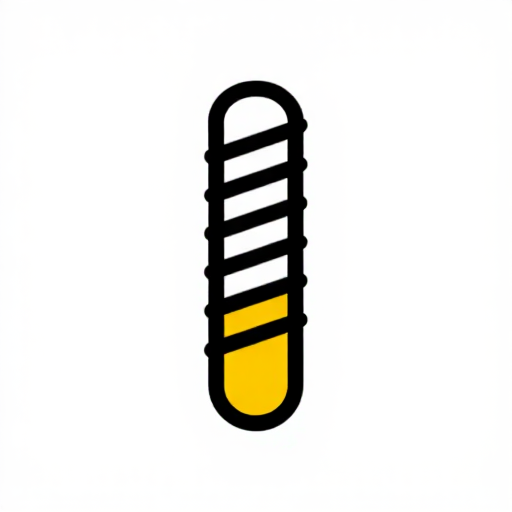 Insika enemicu yesikulufu1 ucezu
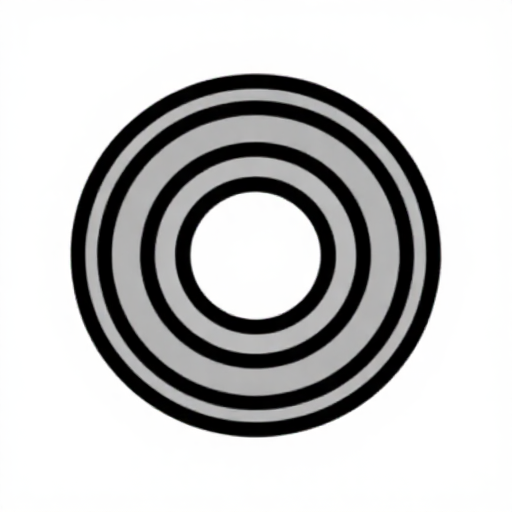 I-Bearing Yamabhola2 izicucu
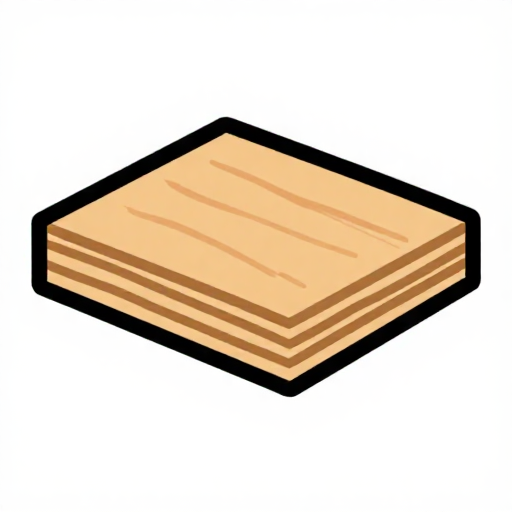 Ishidi le-plywood1 ishidi
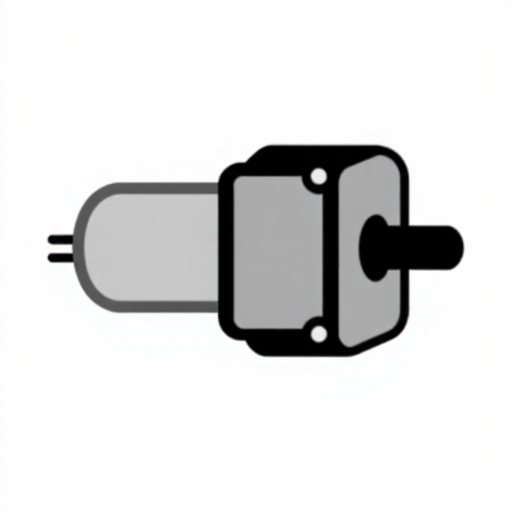 Imoto enamagiya1 ucezu
 I-resistor engu-330 ohm1 ucezu
Amathuluzi adingekayo:
 Iphrinta ye-3D yentambo (i-FDM)
 Ibhola Elingenantambo
 Iqoqo Lamakhanda Ebhola
 Iphrothrakta
 Isipanela esilungisekayo
4
4
It will not start — then add a Savonius
It will not start — then add a Savonius
Put the rotor in front of the box fan at its highest setting. It sits still or rocks. Flick it round hard by hand: if you get it fast enough it catches, accelerates and runs on its own. Measure its speed with the tachometer and the wind with the anemometer; the tip-speed ratio is (rpm × 2π ÷ 60 × 0.15) ÷ wind speed. Compare with the notebook.
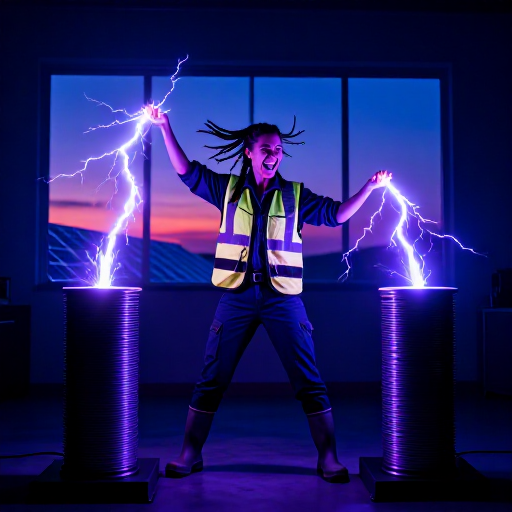
Now fix a small Savonius rotor (from the previous rung, half size) on the same shaft inside the circle of blades. Stop everything and start the fan: the Savonius starts the shaft turning, the Darrieus blades gather speed and take over. Hybrid rotors like this are built for exactly that reason.
Amathuluzi adingekayo:
 Ifeni yebhokisi (isivinini esiguqukayo)
 I-anemometer yesandla
 Isilinganiso Sokuzungeza Sedijithali
 Isilinganisi sikagesi esiyinhlanganisela
 Izibuko Zokuphepha Ezicwathile
5
5
History and context
History and context
**US 1,835,018, 'Turbine Having Its Rotating Shaft Transverse to the Flow of the Current', Georges Jean Marie Darrieus, Paris; filed 1 October 1926 (Serial 138,844), claiming a French filing of 9 October 1925; granted 8 December 1931.** The idea was little used until the 1970s, when vertical-axis turbines were revived for research and small power.
**Honest limits.** It does not start itself. Its blades are loaded and unloaded twice every turn, which fatigues them and the shaft. Near the ground the wind is slow and turbulent, where a vertical-axis rotor usually sits. And a blade that leaves its arm at speed travels a long way: run the model behind a guard.
Izinto
7- 120 gIsibambeli
- 1 ishidiIsibambeli
- 1 ucezuIsibambeli
- Isibambeli
- 1 ishidiIsibambeli
- Isibambeli
- 1 ucezuIsibambeli
Amathuluzi Adingekayo
10- Isibambeli
- 1 vendor sell this, none ship to you yetIsibambeli
- Isibambeli
- Isibambeli
- Isibambeli
- Isibambeli
- Isibambeli
- Isibambeli
- Isibambeli
- Isibambeli
Ama-blueprint ahlobene
Lama-blueprint abelana ngolwazi — amasu, izinto noma izimiso
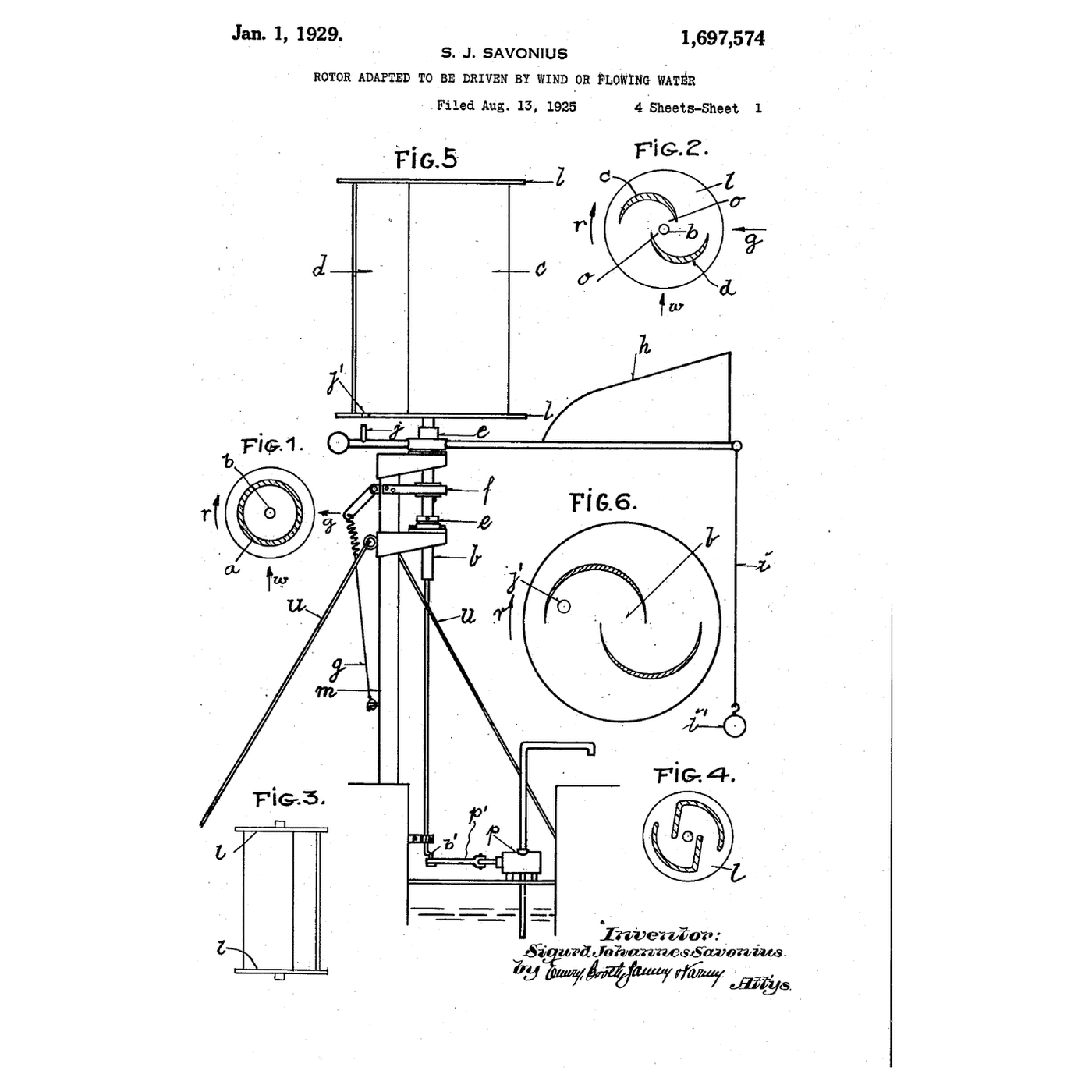
The Savonius Rotor: Two Hollow Vanes, Any Wind, Always Starts
ngu-Volt
Amandla
28
0
0
0
0
0
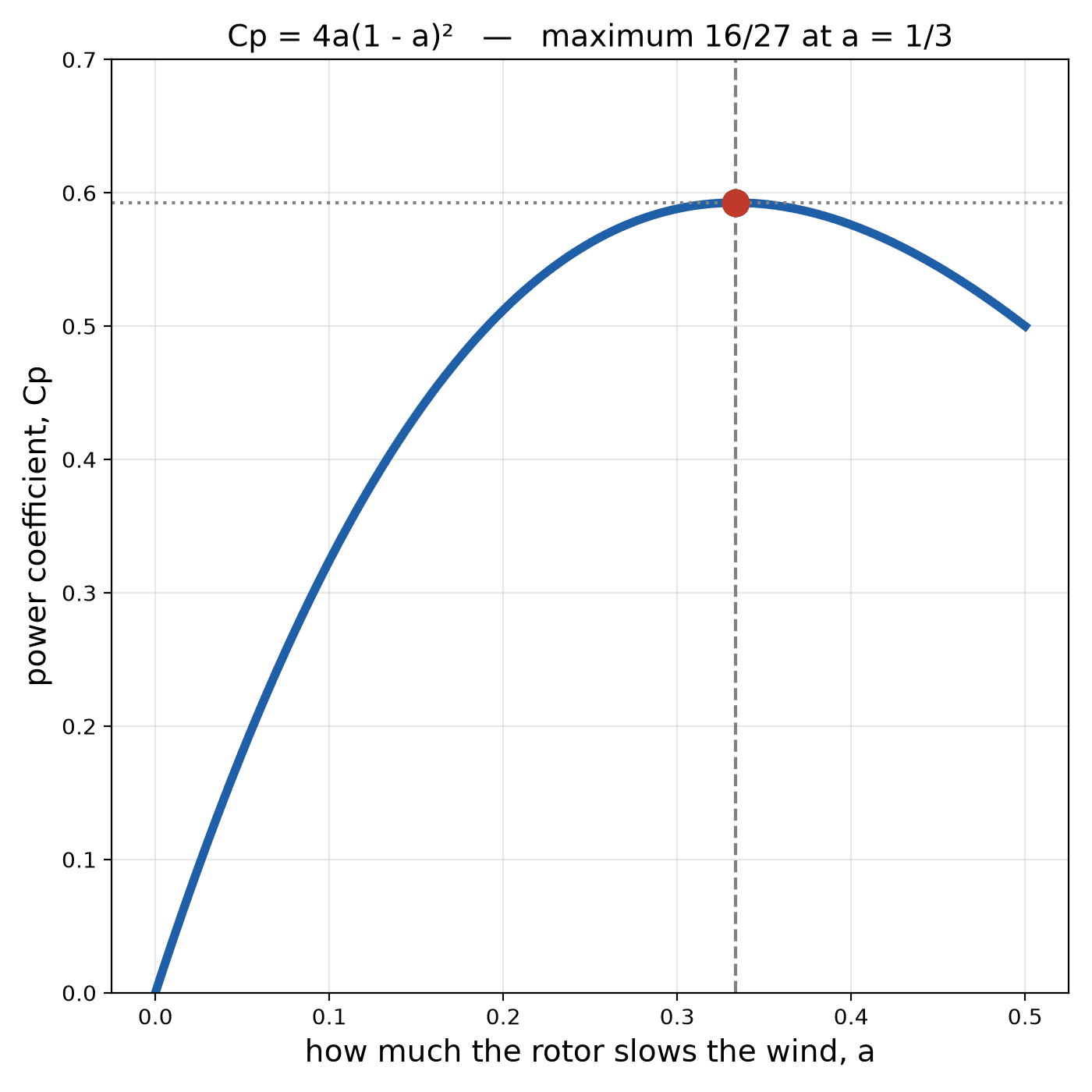
The Betz Limit: Why No Rotor Takes More Than 16/27 of the Wind
ngu-Volt
Amandla
26
0
0
0
0
0
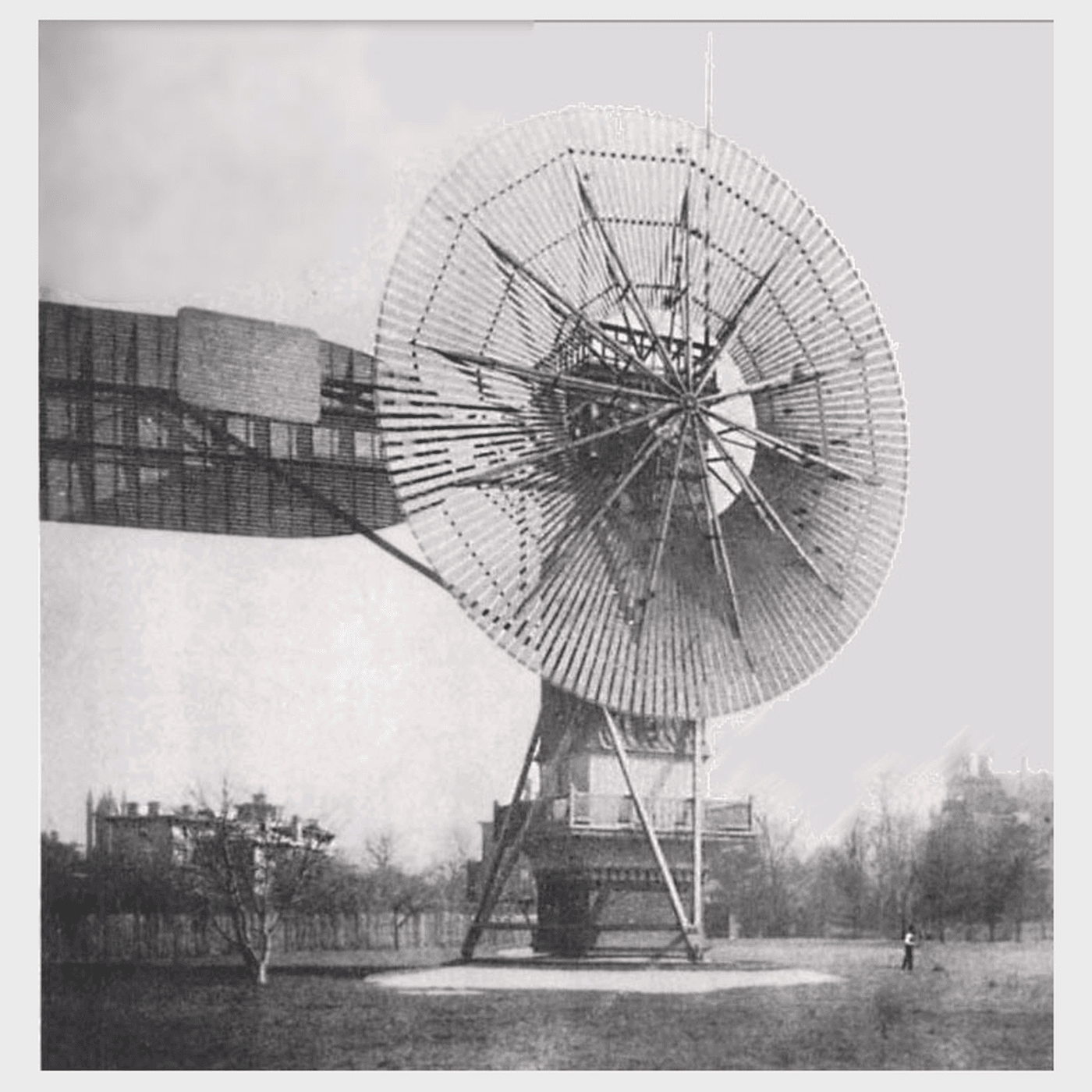
Electricity From the Wind: The Cube Law and a Rotor on a Dynamo
ngu-Volt
Amandla
30
0
0
0
0
0
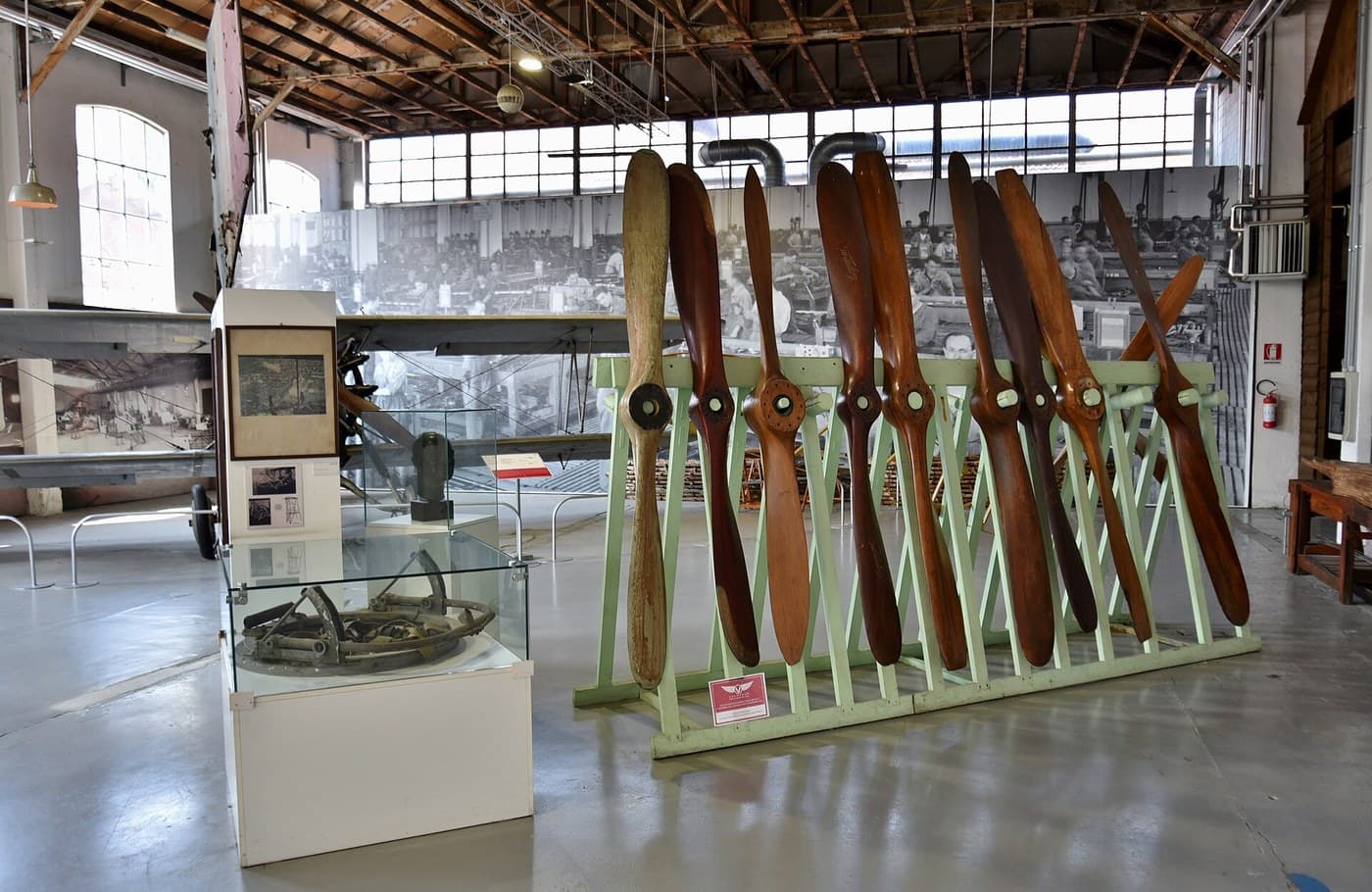
The Propeller as a Rotating Wing
ngu-Martin
Ezomshini
51
0
0
0
0
0
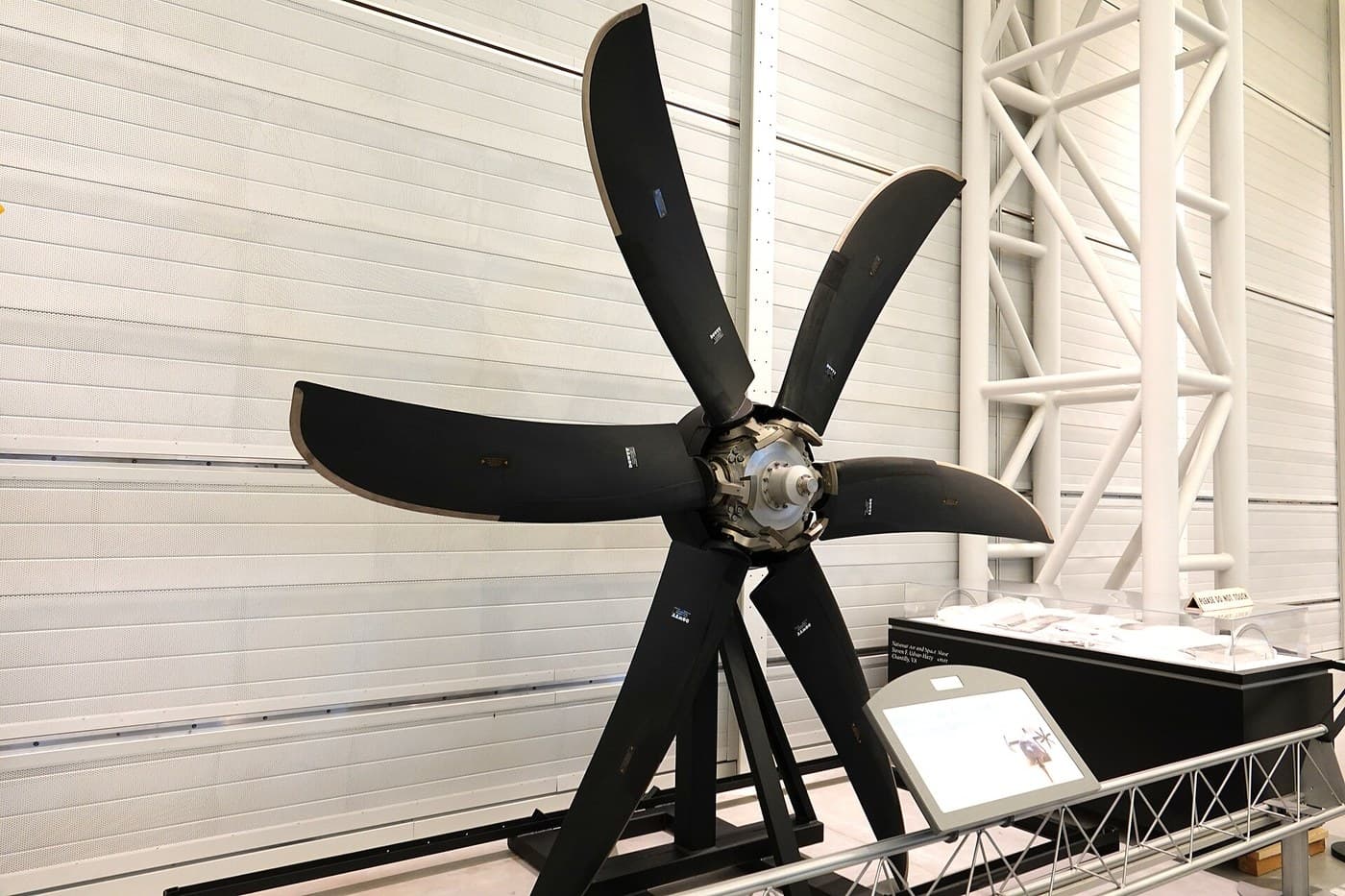
The Variable-Pitch Propeller
ngu-Martin
Umoya
61
0
0
0
0
0
CC0 Isizinda Somphakathi
Le blueprint ikhishwe ngaphansi kwe-CC0. Ukhululekile ukukopisha, ukuguqula, ukusabalalisa, nokusebenzisa ngaphandle kwemvume.
Sekela uMenzi ngokuthenga imikhiqizo nge-Blueprint yabo IKhomishane Yomenzi kumiswe ngabathengisi, noma dala inguqulo entsha yale Blueprint bese uyifaka njengoxhumaniso ku-Blueprint yakho ukuze wabelane ngemali engenayo.