UBUCIKO
UBUHLE NEMPILO
UBUCIKO BEZANDLA
AMASIKO NOMLANDO
EZOKUZIJABULISA
IMVELO
UKUDLA NEZIPHUZO
REVERSE ENGINEERING
IZAYENSI
EZEMIDLALO
UBUCHWEPHESHE
IZINTO EZIGQOKWAYO
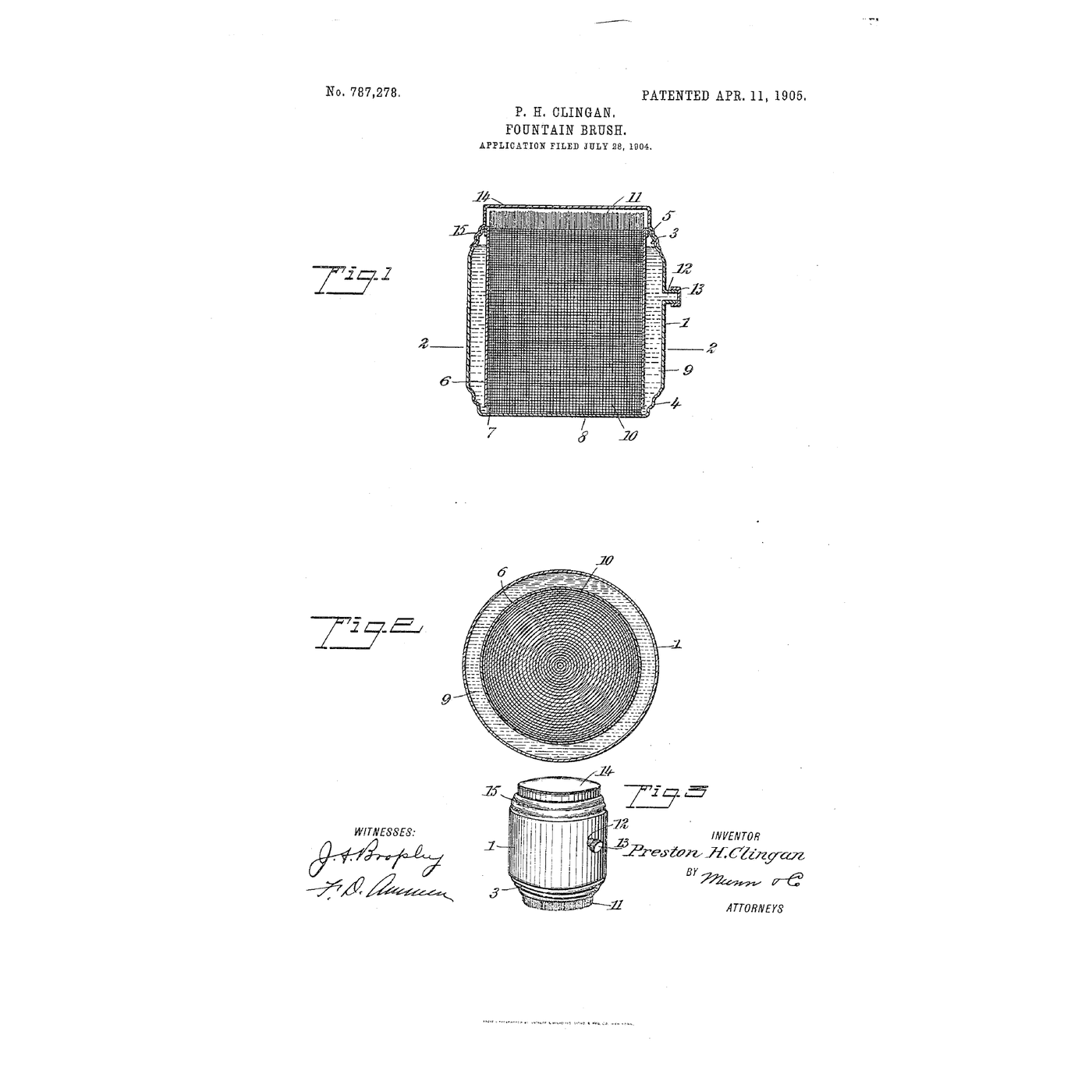


The Oil-Wick Fountain Brush: A Can Whose Wick Is the Brush
An oil can and a rag spill, and a brush dipped in oil drips.
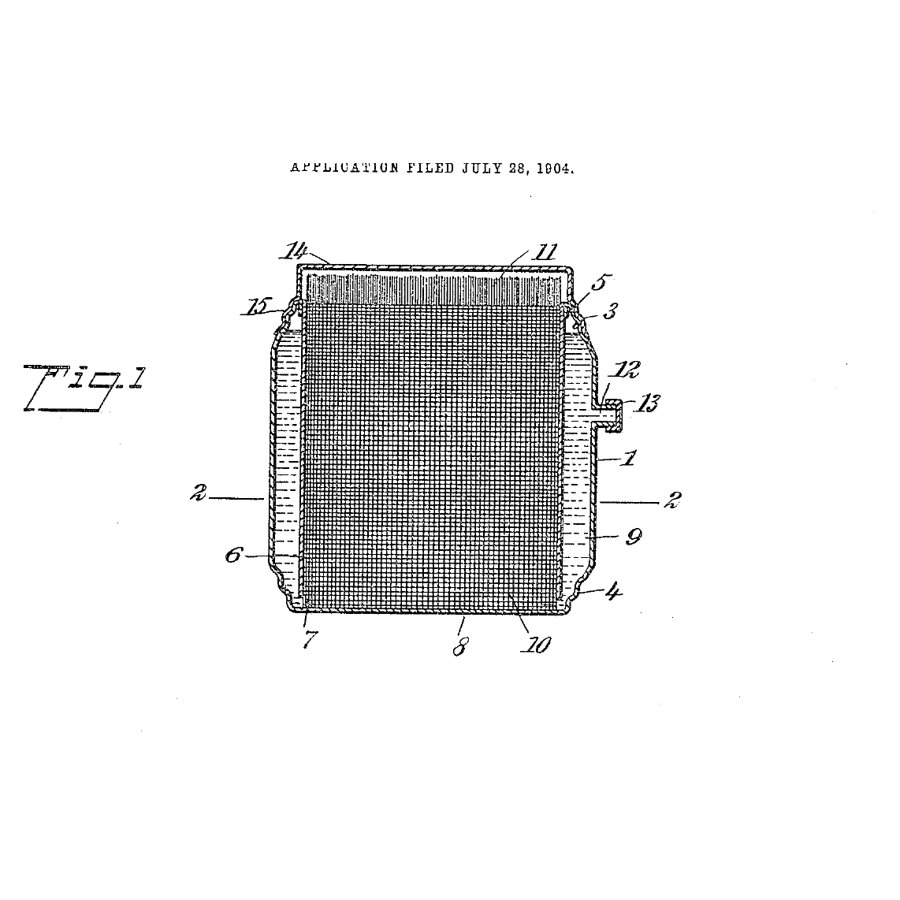
Preston H. Clingan of Florence, Colorado, received US 787,278, dated 11 April 1905, for "a can of very simple form which is so constructed as to prevent the possibility of spilling the contents thereof": an open thimble hangs from the can's mouth to near its bottom, a rolled burlap wick inside it is frayed above the mouth into a brush, and oil in the chamber round the thimble reaches the wick from underneath.
This rung works out how high a wick can lift oil, then builds the can from a jar, a tin and burlap and weighs the oil it lays on a board.
Oqalayo
About 2 hours
Imiyalelo
1
1
How high the wick lifts
How high the wick lifts
Ilayisha incwadi ye-Jupyter…
2
2
A wick that feeds oil before it
A wick that feeds oil before it
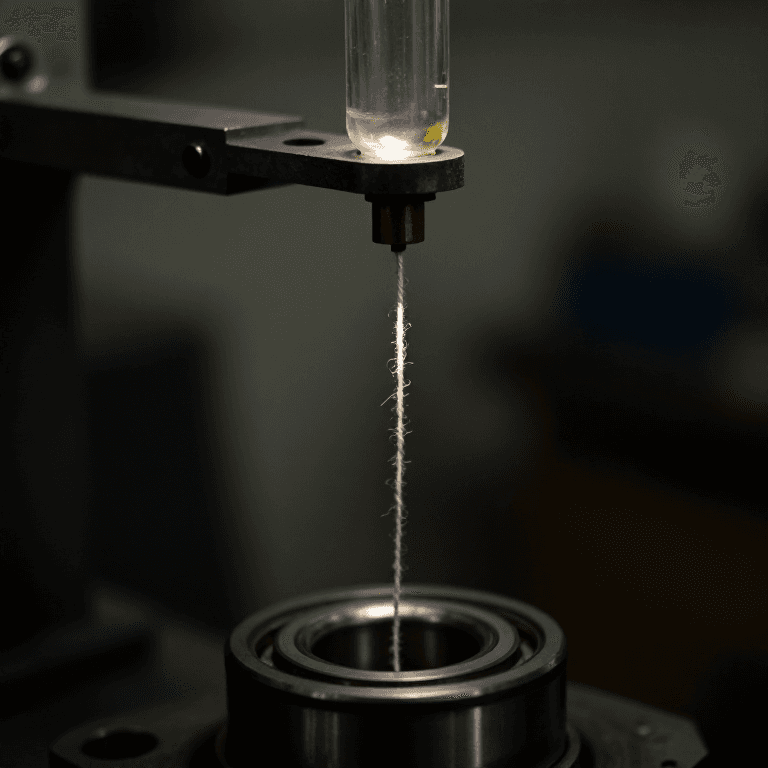
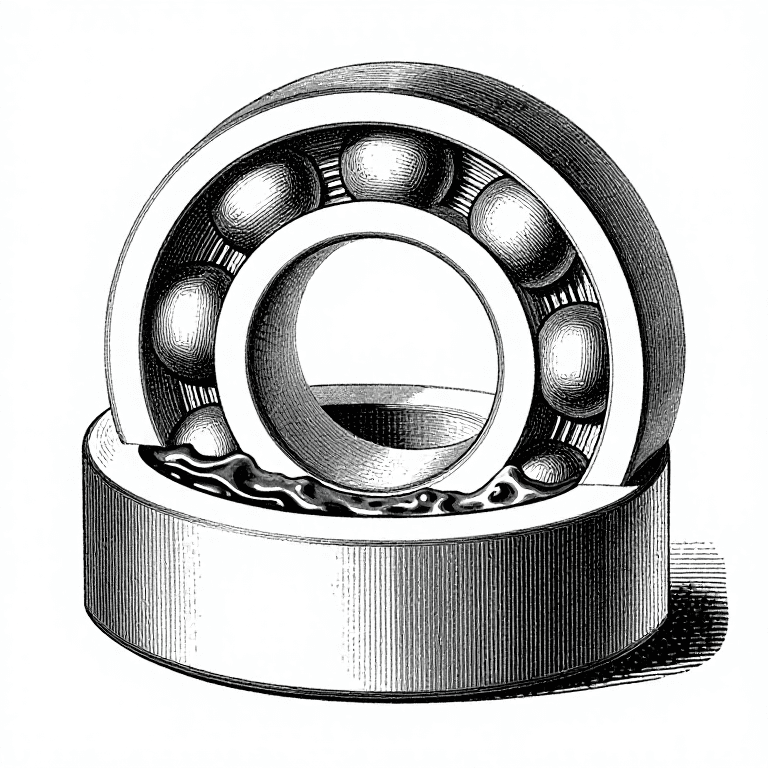
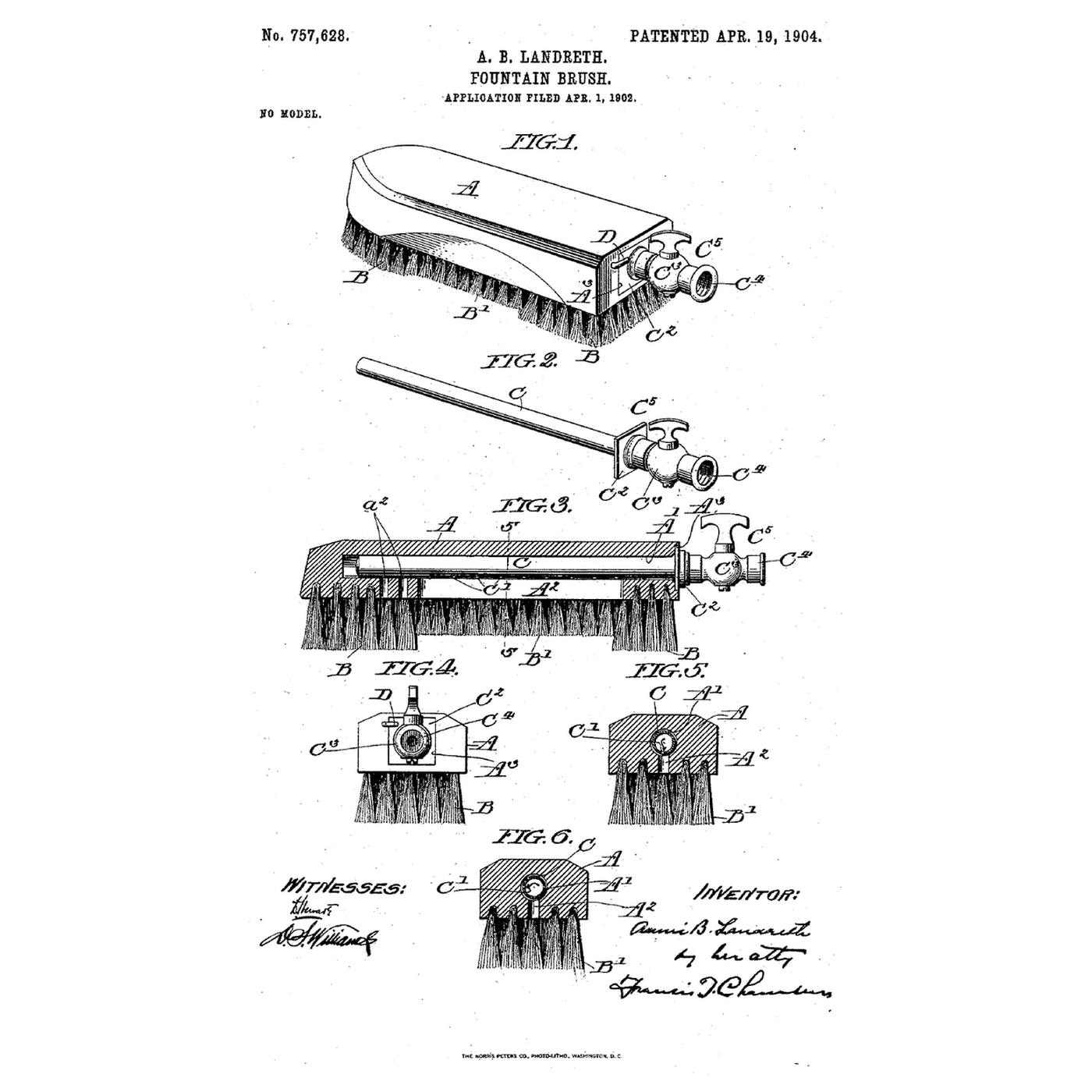
The embedded blueprint feeds oil to a bearing through a wick. Clingan turns the wick's frayed end into the brush.
3
3
Read US 787,278
Read US 787,278
"My object is to provide a can of very simple form which is so constructed as to prevent the possibility of spilling the contents thereof. The can includes a wick of absorbent material, which is constantly supplied with oil or other fluid within the can."
4
4
Make the thimble
Make the thimble
Remove both ends of a tin can that passes through the jar's mouth with 6 mm to spare. Cut it 10 mm shorter than the jar's inside height. File the cut edges.
Izinto zokwakha zalesi sinyathelo:
 Ithini1 ucezu
Amathuluzi adingekayo:
 Isikeli sensimbi
 Izinsimbi zokuhlikihla (ezesandla)
 Irula
 Amagilavu Omsebenzi Esikhumba
5
5
Cut the lip ring
Cut the lip ring
Cut an aluminium ring: outside to fit inside the jar's mouth, inside to fit round the thimble. Drill it 3 mm for a filling screw.
Izinto zokwakha zalesi sinyathelo:
 Ushidi we-aluminium1 ucezu
Amathuluzi adingekayo:
Isikeli sensimbi Ibhola Elingenantambo
 Iqoqo Lamakhanda EbholaIzinsimbi zokuhlikihla (ezesandla)
6
6
Fix the thimble
Fix the thimble
Epoxy the ring round the thimble's top and into the jar's mouth, the thimble hanging 10 mm clear of the floor. Cut a rubber washer for the filling screw.
Izinto zokwakha zalesi sinyathelo:
 Ijeke Lengilazi1 ucezu
 I-epoxy Yezingxenye Ezimbili1 ucezu
 Izikulufu zomshini1 ucezu
 Ishidi lerabha1 ucezu
Amathuluzi adingekayo:
 Ummese Womsebenzi Wezandla
 Isethi yezikulufudrayiva
7
7
Roll the wick
Roll the wick
Roll a strip of burlap tightly until it fills the thimble, 15 mm longer than it. Push it in and fray the top 15 mm with the fingers.
Izinto zokwakha zalesi sinyathelo:
 Isaka / i-hessian1 ucezu
Amathuluzi adingekayo:
 IsikeloIrula
8
8
The build in 3D
The build in 3D
FreeCAD model of this build, not of the patent: a 90 mm jar with a 66 mm mouth, the aluminium lip ring and filling screw, a 53 mm thimble 10 mm off the floor, the burlap wick with its frayed top, and the lid.
9
9
Oil a board and weigh it
Oil a board and weigh it
Pour linseed oil through the filling hole to half the jar's height and wait until the wick's top darkens. Weigh a plywood board, brush it once over, and weigh it again. Turn the closed jar on its side over a rag for a minute.
Izinto zokwakha zalesi sinyathelo:
 Uwoyela We-linseed Obilisiwe1 ucezu
 Ishidi le-plywood1 ucezu
 Izindwangu zekotini ezindala1 ucezu
Amathuluzi adingekayo:
 Isikali Sedijithali Sasekhishini
 Iwashi Lokumisa Isikhathi
 Ithephu Lokulinganisa
10
10
A wick that stays dry, floods or leaks
A wick that stays dry, floods or leaks
Oil-wick fountain brush troubleshooting.
Flow
Loading...
11
11
History and honest limits
History and honest limits
**Preston H. Clingan** of Florence, Colorado, assignor of one-half to John H. Todd of Cañon City, filed US 787,278 on 28 July 1904; it is dated 11 April 1905. His can is cylindrical with both ends contracted and threaded, so the cover fits either end; the thimble is soldered to an inward lip at the mouth; the wick is preferably a roll of burlap. He named oiling or polishing surfaces and cleaning windows among its uses.
**Honest limits.** A jar with one threaded mouth stands in for his can. The notebook assumes a fully wetting wick and one pore size. Your weights are the result.
Izinto
10- 1 ucezuIsibambeli
- 1 ucezuIsibambeli
- 1 ucezuIsibambeli
- 1 ucezuIsibambeli
- 1 ucezuIsibambeli
- 1 ucezuIsibambeli
- 1 ucezuIsibambeli
- 1 ucezuIsibambeli
- 1 ucezuIsibambeli
- 1 ucezuIsibambeli
Amathuluzi Adingekayo
12- Isibambeli
- Isibambeli
- Isibambeli
- Isibambeli
- 1 vendor sell this, none ship to you yetIsibambeli
- Isibambeli
- Isibambeli
- Isibambeli
- Isibambeli
- Isibambeli
- Isibambeli
- 1 vendor sell this, none ship to you yetIsibambeli
Amafayela omklamo
1Ama-blueprint ahlobene
Lama-blueprint abelana ngolwazi — amasu, izinto noma izimiso

CC0 Isizinda Somphakathi
Le blueprint ikhishwe ngaphansi kwe-CC0. Ukhululekile ukukopisha, ukuguqula, ukusabalalisa, nokusebenzisa ngaphandle kwemvume.
Sekela uMenzi ngokuthenga imikhiqizo nge-Blueprint yabo IKhomishane Yomenzi kumiswe ngabathengisi, noma dala inguqulo entsha yale Blueprint bese uyifaka njengoxhumaniso ku-Blueprint yakho ukuze wabelane ngemali engenayo.