ARTE
BELEZA E BEM-ESTAR
ARTESANATO
CULTURA E HISTÓRIA
ENTRETENIMENTO
MEIO AMBIENTE
COMIDA E BEBIDAS
ENGENHARIA REVERSA
CIÊNCIAS
ESPORTES
TECNOLOGIA
TECNOLOGIA VESTÍVEL

Bubble Wrap
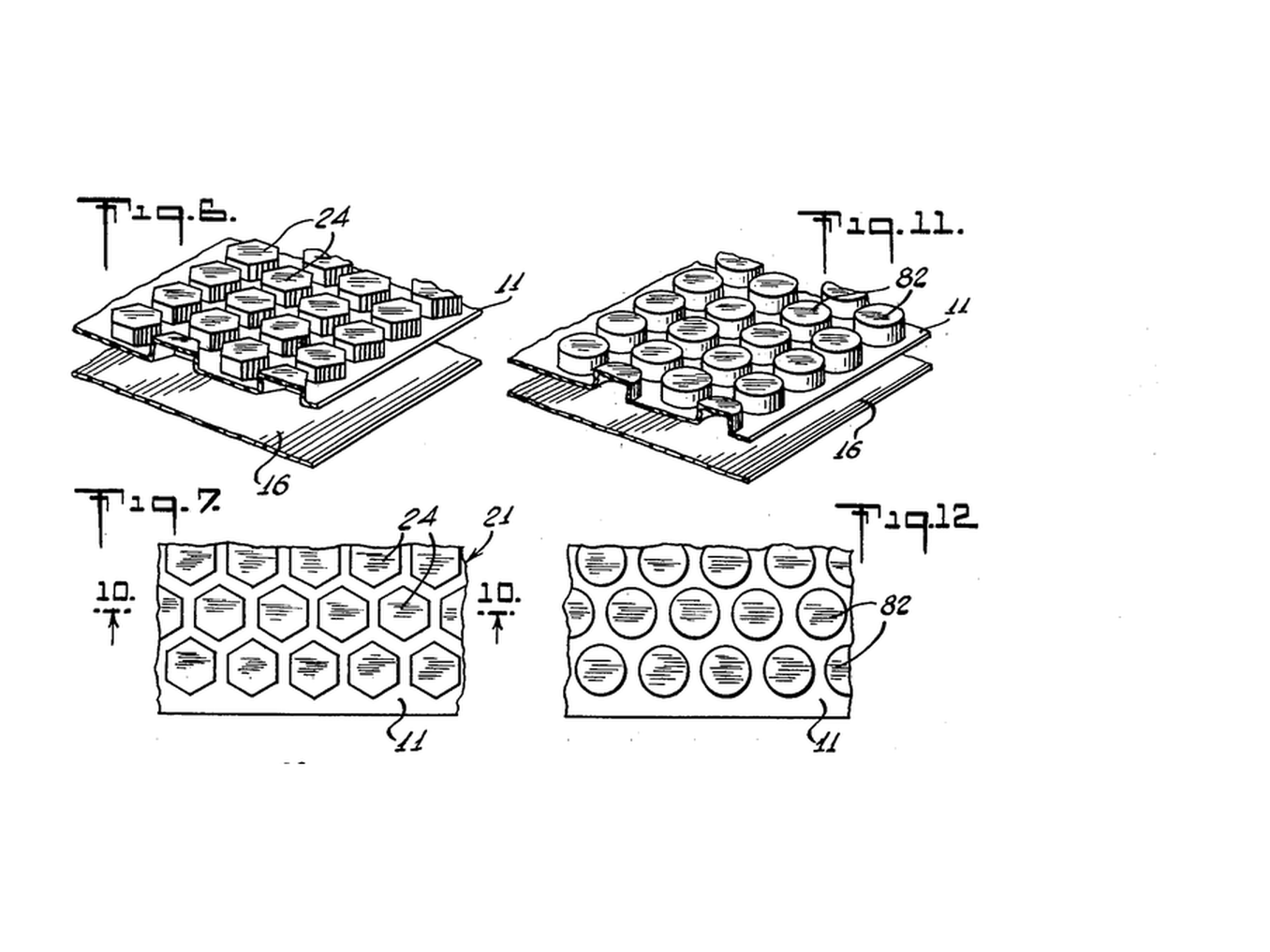
In 1957 Alfred Fielding and Marc Chavannes sealed two shower curtains together with air bubbles trapped between them, hoping to sell a textured wallpaper. It did not sell as wallpaper, nor as greenhouse insulation; it sold as packaging, and their company became Sealed Air.
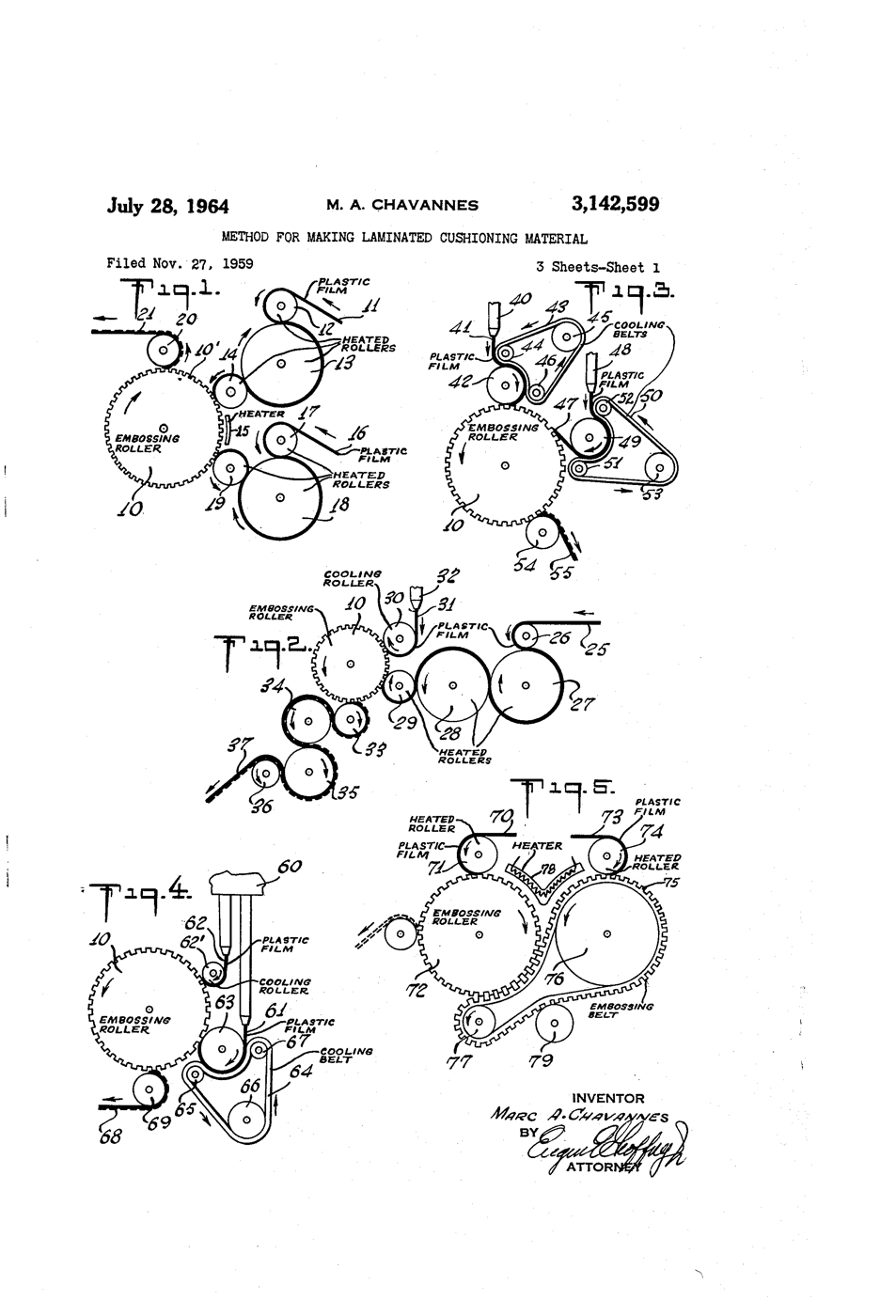
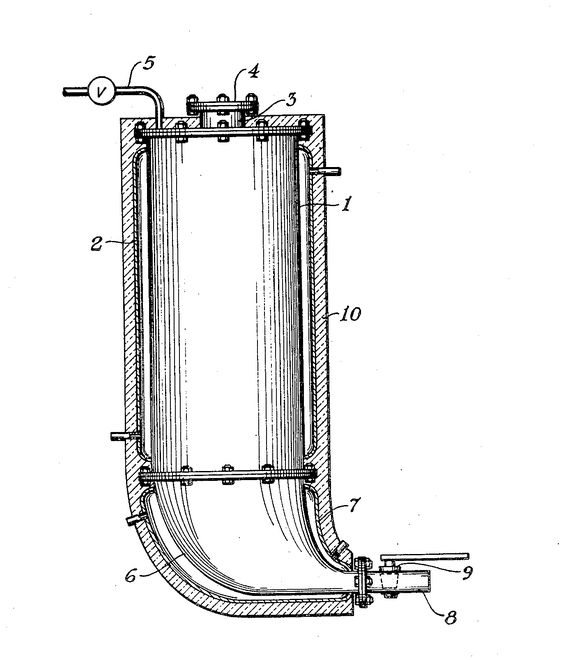
**US 3,142,599**, "Method for making laminated cushioning material", Chavannes, assigned to Sealed Air, filed 27. November 1959, granted 28. July 1964: plastic film heated above its softening point but below melting, drawn into the "discrete depressions" of a moulding roller, and sealed to a second film so each pocket traps air.
**You measure what the air does**: an Arduino accelerometer rides a wooden block, and for bare floor, 1, 2 and 4 layers and 2 popped layers you find the drop height that reaches 16 g - and from it, how far the air lets the block slow down.
Intermediário
2 hours
Instruções
1
1
The drop block
The drop block
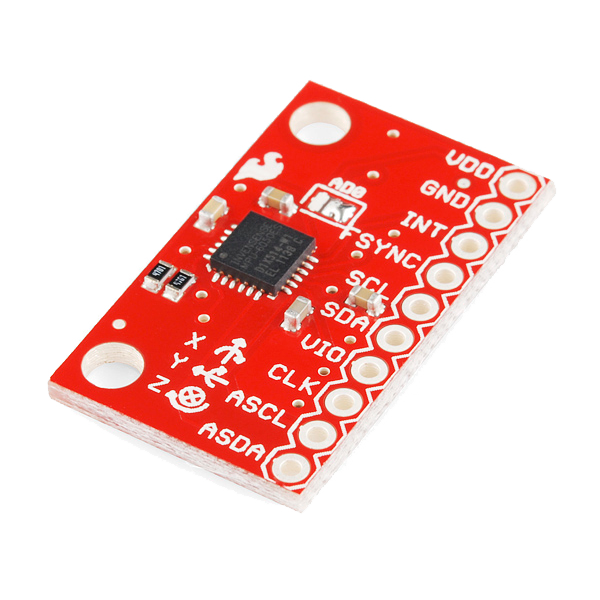
Cut a pine block 100 x 100 x 40 mm and weigh it. Tape the MPU-6050 flat on top, and zip-tie its four wires along the block so they cannot pull the sensor.
Materiais para este passo:
 Tábua de pinho1 peça
 Fita de máscara1 rolo
 Abraçadeiras de cabo4 peças
Ferramentas necessárias:
 Serrote
 Balança digital de cozinha
2
2
Wire and flash
Wire and flash
Use 1 m of jumper wire so the block can fall freely: VCC 5V, GND, SDA A4, SCL A5. Microswitch between D2 and GND. Open the serial monitor at 115200.
drop_peak_g.inocpp
Materiais para este passo:
 Triple Axis Accelerometer and Gyro Breakout - MPU-60501 peça
 Microinterruptor (accionado por alavanca)1 peça
 Conjunto de cabos Dupont (macho-fêmea)1 conjunto
Ferramentas necessárias:
 Arduino Uno R3
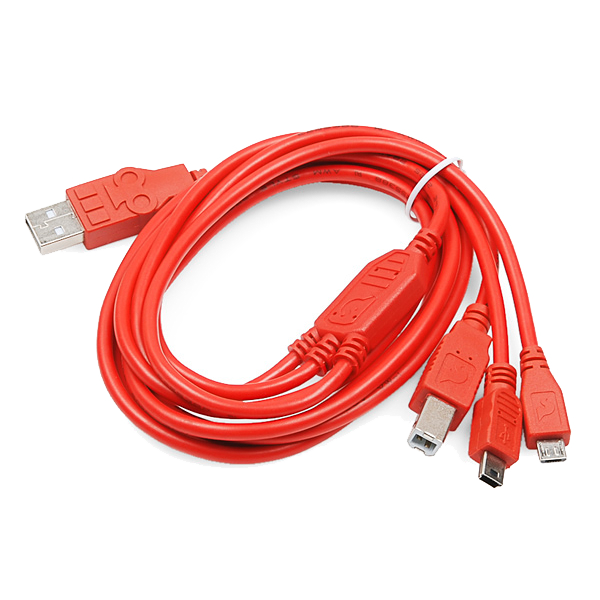 SparkFun Cerberus USB Cable - 1.8 meter
3
3
Cut the cushions
Cut the cushions
Cut 200 x 200 mm squares of bubble wrap: seven for the 1, 2 and 4 layer stacks, two more to pop completely for the control.
Materiais para este passo:
 Plástico de bolhas1 rolo
Ferramentas necessárias:
 Tesoura
4
4
Climb to 16 g
Climb to 16 g
Tape a tape measure up the wall. For each landing - bare floor, 1, 2 and 4 layers, the popped pair - drop the block flat, sensor up, from 10 mm, then 20, 40, 60 mm and so on, pressing the switch before each drop. Record the lowest height that reads 16.0 g. Use fresh wrap if bubbles burst.
Ferramentas necessárias:
 Fita métrica
5
5
Stopping distance from your ladder
Stopping distance from your ladder
A carregar o notebook Jupyter…
6
6
History & Context
History & Context
**What the patent specifies:** heated thermoplastic film formed into a roller's depressions and laminated to a second film to seal in air, continuously. **Modern build (derived):** commercial polyethylene bubble wrap.
Its big early customer was IBM, shipping the 1401 computer. Its limits: bubbles slowly leak and burst under long static loads, it is bulky to store, and most of it is thrown away after one use.
Materiais
7- 1 peçaReferência
- 1 roloReferência
- Abraçadeiras de cabo10% de comissão4 peçasReferência
- Triple Axis Accelerometer and Gyro Breakout - MPU-605010% de comissão1 peçaR$183.09
- Referência
- 1 conjuntoReferência
- 1 roloReferência
Ferramentas necessárias
6- Referência
- Referência
- Arduino Uno R310% de comissãoMagento Legacy Storeships internationallyReferência
- SparkFun Cerberus USB Cable - 1.8 meter10% de comissãoR$29.21
- Referência
- 1 vendor sell this, none ship to you yetReferência
Total estimado
O que quem fez comprou. Os materiais sem preço obtêm-se onde os comprares.
Blueprints relacionados
Estes blueprints compartilham conhecimento — técnicas, materiais ou princípios
CC0 Domínio Público
Este blueprint é liberado sob CC0. Você é livre para copiar, modificar, distribuir e usar este trabalho para qualquer finalidade, sem pedir permissão.
Apoie o Maker comprando produtos através do Blueprint, onde ele ganha uma Comissão Maker definida pelos vendedores, ou crie uma nova versão deste Blueprint e inclua-o como conexão no seu próprio Blueprint para compartilhar receita.