
ARTE
BELEZA E BEM-ESTAR
ARTESANATO
CULTURA E HISTÓRIA
ENTRETENIMENTO
MEIO AMBIENTE
COMIDA E BEBIDAS
FUTURO VERDE
ENGENHARIA REVERSA
CIÊNCIAS
ESPORTES
TECNOLOGIA
TECNOLOGIA VESTÍVEL
Building a Sheng — The Chinese Free-Reed Mouth Organ
Woody

Criado por

Woody

3. julho 2026NO
0
0
0
0
0

Building a Sheng — The Chinese Free-Reed Mouth Organ

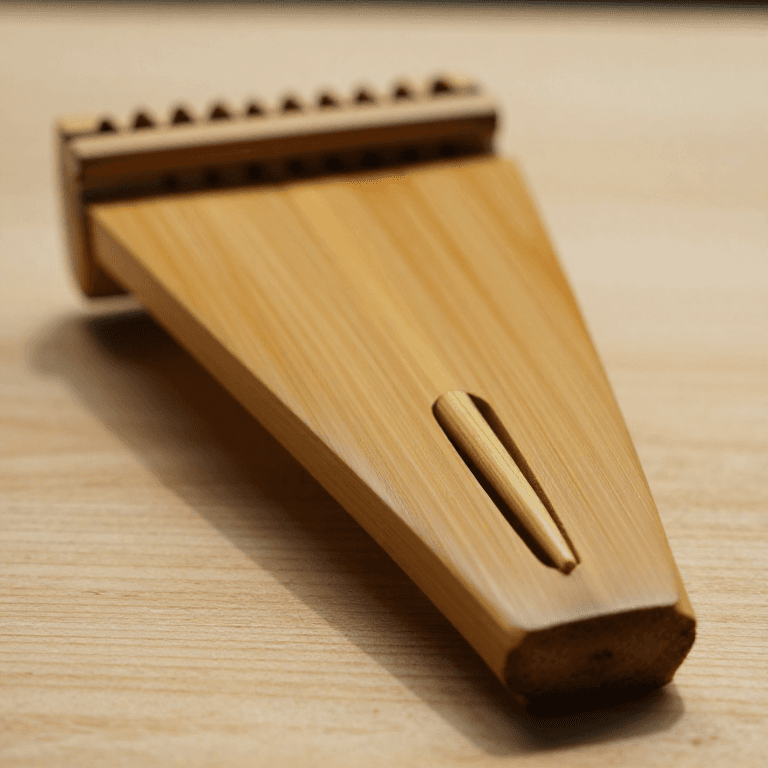
Build a sheng: a cluster of bamboo pipes rising from a wind chamber, each voiced by a tiny springy free reed. Cover a pipe's finger hole and it sings; cover several and it plays a chord — and it sounds on both blow and draw. A serious maker build in the free reed, the mechanism the harmonica and accordion were born from.
Intermediário
Several hours over a few sessions

Instruções

1

A gourd full of singing bamboo

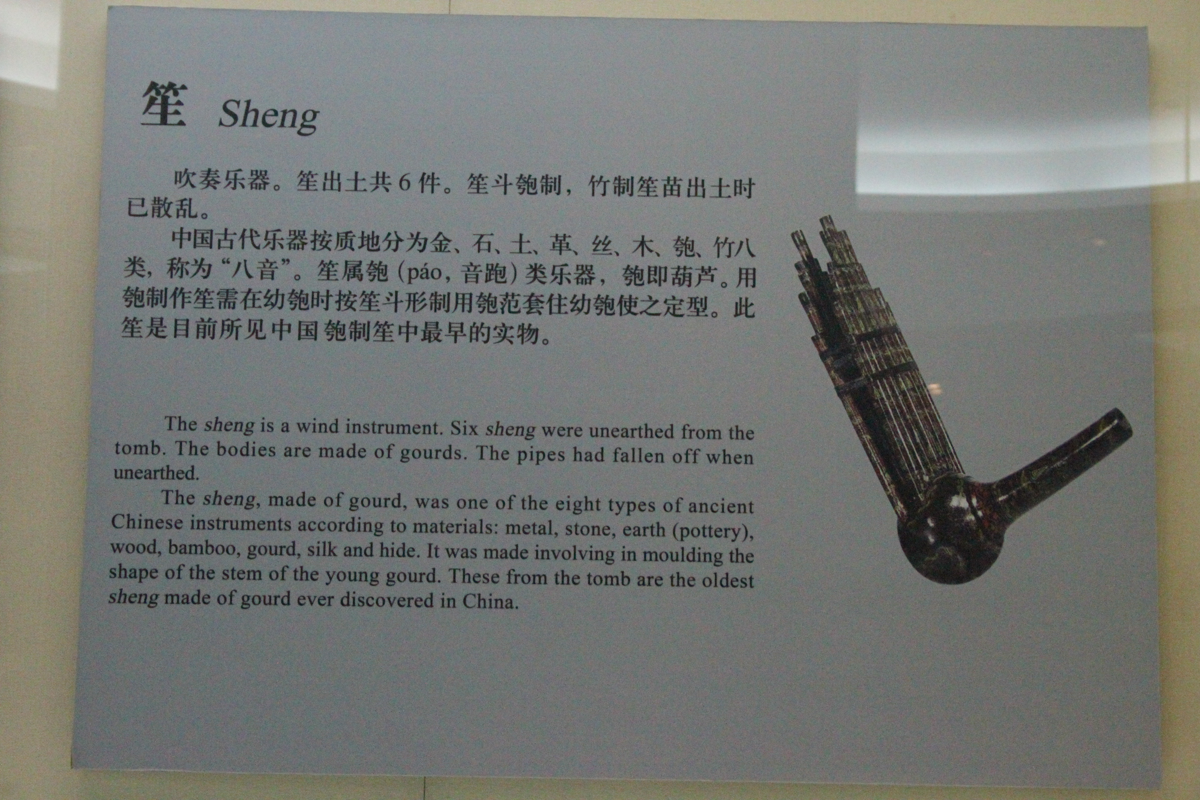
The sheng is a mouth organ: a bundle of bamboo pipes standing in a wind chamber, each voiced by a tiny springy reed. It is the world's first free-reed instrument and the ancestor of the harmonica and accordion — and it can play chords.
2

Make the wind chamber

Hollow a dried bottle gourd into an airtight air-chamber and fit a short mouthpiece tube into its neck to blow through. Early sheng used a gourd just like this.

Materiais para este passo:

Mature Bottle GourdMature Bottle Gourd1 peça

Ferramentas necessárias:

Sloyd Carving KnifeSloyd Carving Knife
3

Cut the pipes

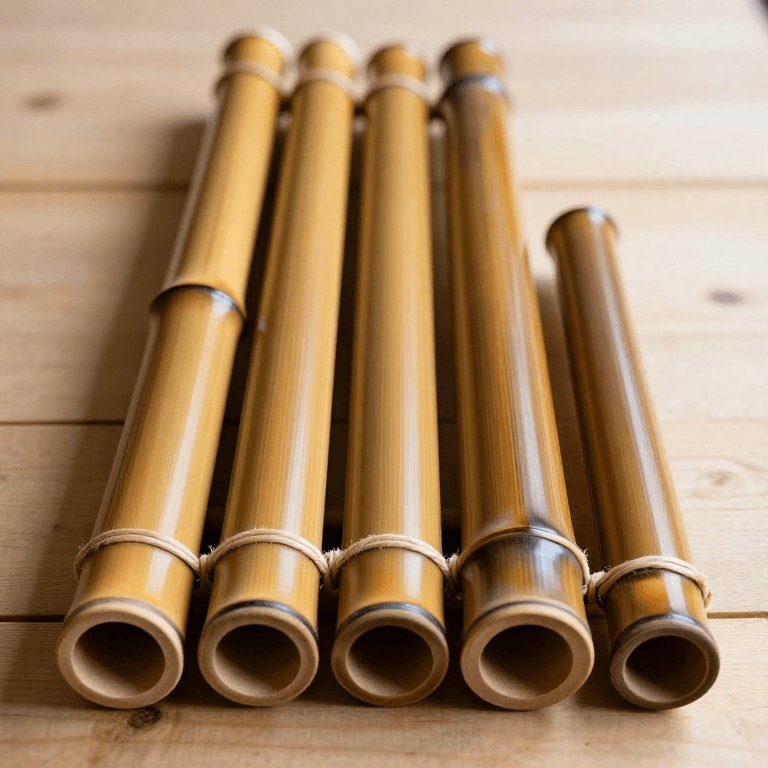
Cut several thin bamboo pipes of different lengths. Start with five or six — enough for a small scale or a couple of chords.

Materiais para este passo:

BambooBamboo1 peça

Ferramentas necessárias:

HacksawHacksaw
4

Cut a reed window in each pipe

Near the bottom of each pipe cut a small, clean rectangular window. The free reed will sit over this window.

Ferramentas necessárias:

Sloyd Carving KnifeSloyd Carving Knife
5

Cut the free reeds

From thin brass, cut a tiny tongue that ALMOST fills a matching slot — fixed at one end, free at the other, with a hair-fine gap all around so it can swing cleanly through.

Materiais para este passo:

Brass Shim (Reed Stock)Brass Shim (Reed Stock)1 peça

Ferramentas necessárias:

Metal FileMetal File
6

Fit a reed to each pipe

Seal a reed over each pipe's window with wax, airtight, with the free tongue facing inward toward the chamber.

Materiais para este passo:

BeeswaxBeeswax1 peça
7

Cut a finger hole in each pipe

Cut one finger hole in the side of each pipe. This little hole is the on/off switch for that pipe's note.

Ferramentas necessárias:

AwlAwl
8

Seat the pipes airtight

Push the pipes down into the top of the chamber and seal each with wax so NO air can leak except through the reeds themselves.

Materiais para este passo:

BeeswaxBeeswax1 peça
9

Test one pipe

Blow gently into the mouthpiece and cover one pipe's finger hole. Covering the hole forces the air through that pipe's reed, and the reed sings out.
10

The finger-hole switch

With the hole OPEN, air just escapes and the reed stays silent. COVER the hole and the pipe sounds. That is how you pick out notes on a sheng.
11

Tune the reeds

Add a dab of wax to a reed's tip to LOWER its pitch, or file the tip thinner to RAISE it, until every pipe is in tune. The reed sets the pitch, not the pipe length.

Materiais para este passo:

BeeswaxBeeswax1 peça

Ferramentas necessárias:

Metal FileMetal File
12

Play a chord

Cover several finger holes at once and blow. The sheng sounds them all together as a chord — something almost no other wind instrument can do.
13

Blow and draw

Now breathe IN through the mouthpiece. Free reeds sound on both blow and draw — the very trick the harmonica borrowed from the sheng.
14

Compendium — the free reed

The sheng is built on the free reed: a thin springy tongue that vibrates freely back and forth THROUGH a close-fitting slot, instead of slapping shut against a frame like the beating reed of a clarinet or the buzzing lips of a horn. Air flowing past the tongue sets it swinging in and out of the slot, chopping the airflow into a steady tone at the tongue's own pitch — and because the tongue passes cleanly through the gap, it speaks equally well whether you blow or draw, which is why the sheng and its child the harmonica both play in and out. Each reed is paired with a pipe whose air column reinforces it, and the finger hole is a switch: only when the hole is covered is the air forced through the reed, so a player can pick out notes, and several at once, giving the sheng its rare power to play chords. Pitch is set by the reed's length, thickness and a tuning dab of wax — not by the pipe's length. The sheng has been played in China for some three thousand years, and when examples reached Europe around 1800 they sparked a whole family of Western instruments: the harmonica, accordion, concertina, harmonium and reed organ all descend from this gourd full of singing bamboo. Its distant cousin is the jaw harp, whose plucked springy tongue is the same free-vibrating idea, driven by a finger instead of by breath.

Materiais

4

Ferramentas necessárias

4

You can swap these in

Can't get one of the materials? Swap it for an equivalent — these work just as well.

Blueprints relacionados

Estes blueprints compartilham conhecimento — técnicas, materiais ou princípios
CC0 Domínio Público

Este blueprint é liberado sob CC0. Você é livre para copiar, modificar, distribuir e usar este trabalho para qualquer finalidade, sem pedir permissão.

Apoie o Maker comprando produtos através do Blueprint, onde ele ganha uma Comissão Maker definida pelos vendedores, ou crie uma nova versão deste Blueprint e inclua-o como conexão no seu próprio Blueprint para compartilhar receita.

Discussão

(0)

Entrar para participar da discussão

Carregando comentários...