Colaboração
ARTE
BELEZA E BEM-ESTAR
ARTESANATO
CULTURA E HISTÓRIA
ENTRETENIMENTO
MEIO AMBIENTE
COMIDA E BEBIDAS
ENGENHARIA REVERSA
CIÊNCIAS
ESPORTES
TECNOLOGIA
TECNOLOGIA VESTÍVEL
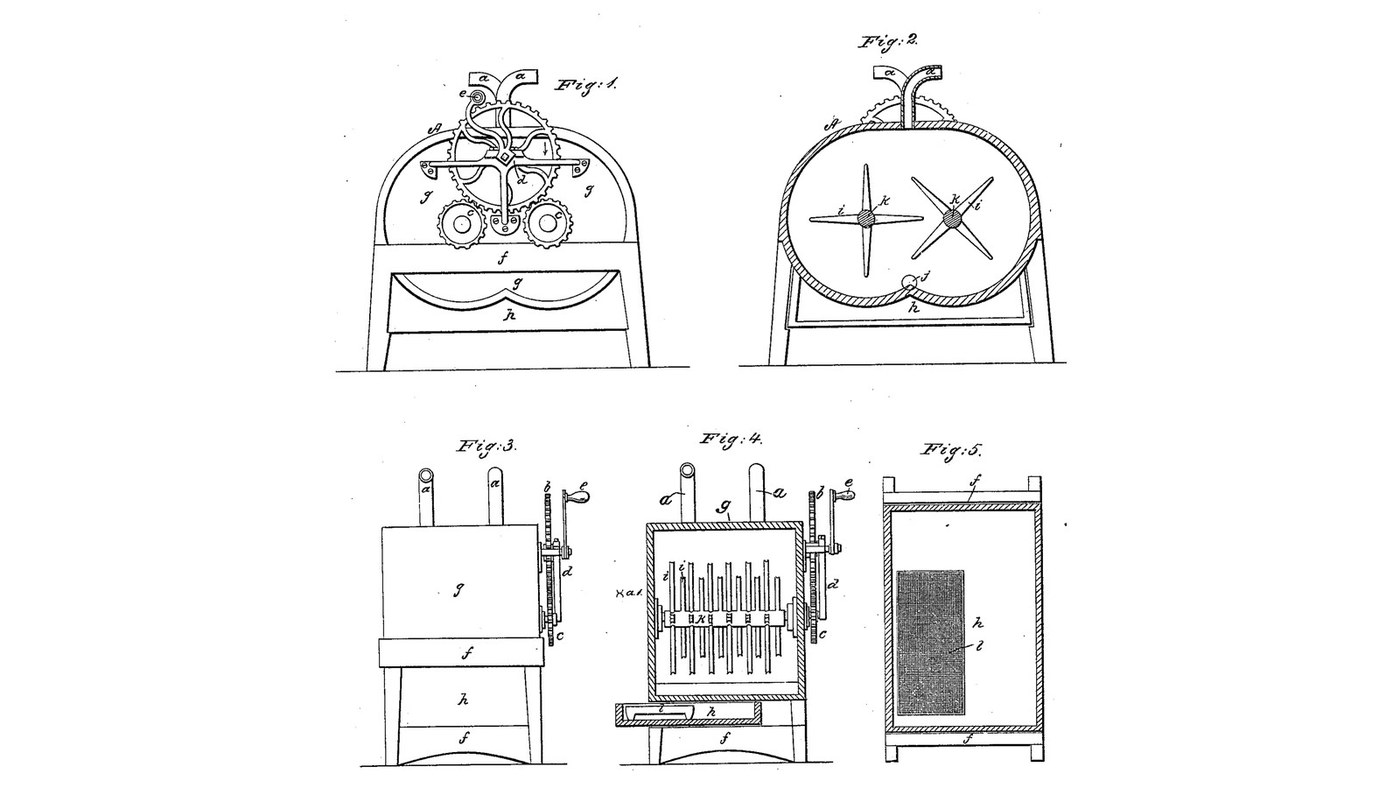

Double Rotary Crag Churn: Two Shafts of Four-Edged Arms Turn Through Each Other in Twin Half-Cylinders
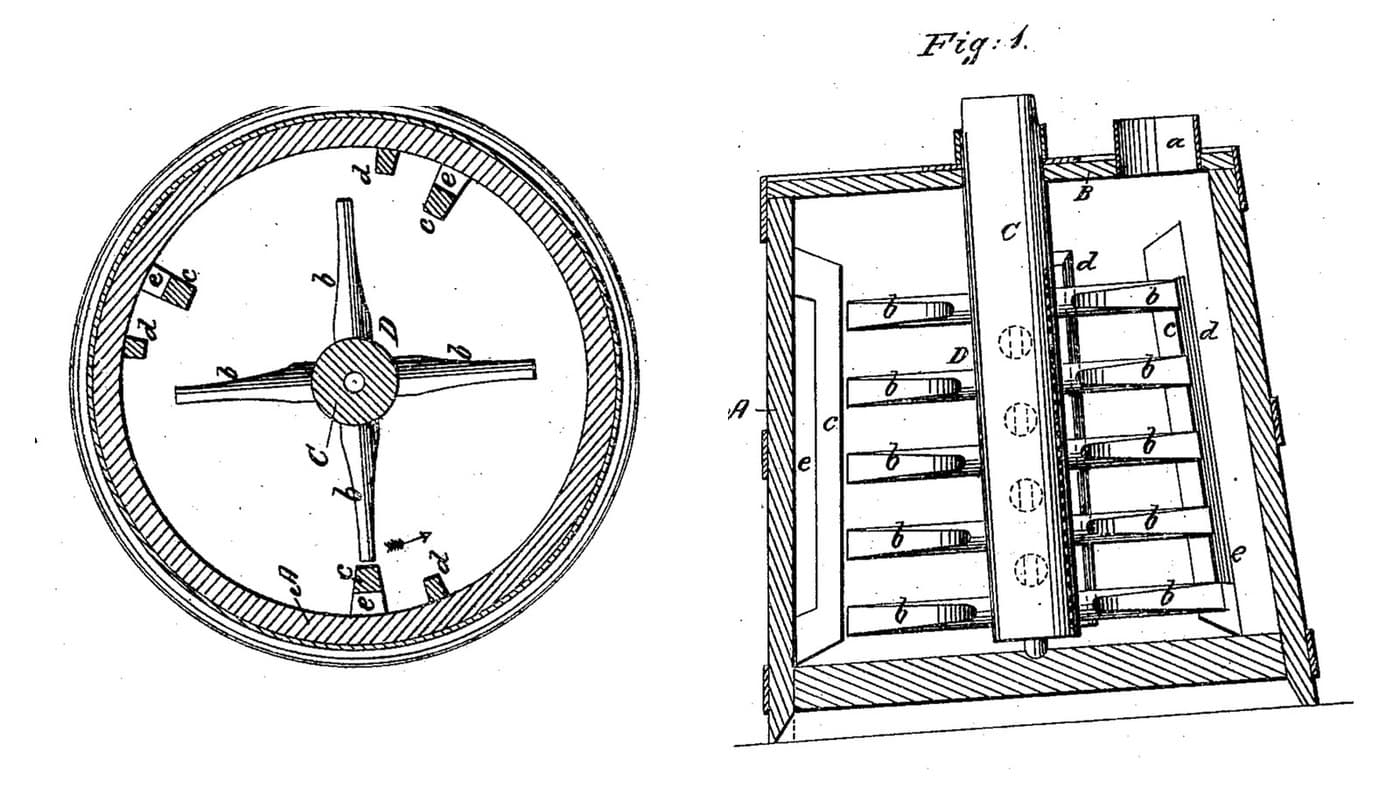
Aaron S. Cornell of New York received US 26,093, dated 15 November 1859, for what he called a "Double Rotary Crag Churn". Its bottom and cover are two half-cylinders side by side. One wheel and crank turn two shafts the same way; each carries crossed arms (crags), each arm two hollow half-cylinders back to back so it has four cutting edges, and the arms of one shaft pass between those of the other. A tap lets off the buttermilk into a draw with a sieve underneath.
The patent gives no sizes; every size here is ours.
Avançado
About 3 days, plus printing
Instruções
1
1
Two cylinders back to back
Two cylinders back to back
A carregar o notebook Jupyter…
2
2
Two dashers whose paths cross, the same day
Two dashers whose paths cross, the same day
Clow's two upright dashers turn opposite ways. Cornell lays his two shafts flat, turns them the same way and lets their arms pass between each other.
3
3
Read US 26,093
Read US 26,093
"As these pinions c, c, are both driven by the common wheel b, such pinions and their shafts will have rotary motion in the same direction so that as the arms on one shaft go down, those on the other shaft will pass upward, and the arms or dashers will thus be continually passing each other, giving the most complete and perfect agitation to the milk in the churn."
4
4
Print the crags i
Print the crags i
A set of two arms on a hub 40 mm across and 26 mm long, bored 16.6 mm: each arm two half-pipes back to back, tapering from 26 to 16 mm, reaching 105 mm from the shaft. Print eleven, with supports. PETG, 0.2 mm layers, 40 % infill, 4 walls.
5
5
Print the driving wheel b
Print the driving wheel b
Spur wheel, 64 teeth, module 3, 15 mm face, with a hub bored 20.6 mm. PETG, 0.2 mm layers, 40 % infill, 4 walls.
6
6
Print the pinions c
Print the pinions c
Spur pinion, 16 teeth, module 3, 15 mm face, with a hub bored 16.6 mm and a cross hole for a pin. Print two. PETG, 0.2 mm layers, 40 % infill, 4 walls.
7
7
Ends, trough and cover A
Ends, trough and cover A
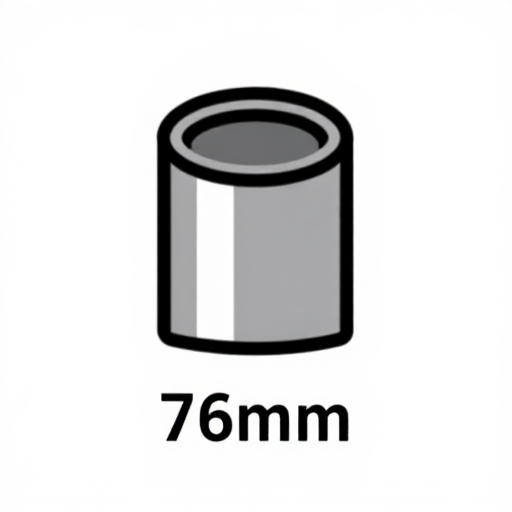
Draw two circles 280 mm across, centres 200 mm apart, on 20 mm hardwood and cut two ends to that outline. Rout a rebate on the inside of each to the 243 mm circles for the sheet, bore 16.6 mm at the two centres, and saw each end across through the centres: the lower halves carry the trough, the upper halves the cover. Bend 1.5 mm stainless sheet, 400 mm long and 615 mm round, to the two lower arcs, and screw it into the lower rebates with silicone sealant. Make the cover A the same way on the upper halves, with two short stainless air pipes a. Fit a spigot J at the bottom of one end, where the two arcs meet.
Materiais para este passo:
 Tábua de madeira de lei2 peças
 Chapa de aço inoxidável2 peças
 Vedante de silicone1 peça
 Parafusos para madeira40 peças
 Tubo de aço inoxidável1 peça
 Torneira de latão1 peça
Ferramentas necessárias:
 Bússola
 Serra tico-tico
 Tupia
 Berbequim sem fios
 Jogo de brocas
 Conjunto de brocas de pá
 Tesoura de chapa
 Limas (lima de mão)
 Sargento de barra
 Conjunto de chaves de fendas
8
8
Stand f and draw H
Stand f and draw H
Screw four legs 30 x 20 mm, 270 mm long, to the ends, a cross board shaped to cradle the trough, and two rails underneath. Make the draw H a hardwood tray 360 x 300 x 70 mm that slides on the rails, with a sieve l of stainless mesh on a frame inside it.
Materiais para este passo:
Tábua de madeira de lei2 peças Cola de madeira1 peçaParafusos para madeira24 peças
 Rede de aço inoxidável de grau alimentar1 peça
Ferramentas necessárias:
 Serra de mesaSerra tico-ticoBerbequim sem fiosJogo de brocasTesoura de chapaSargento de barra
9
9
Shafts K, crags and gearing
Shafts K, crags and gearing
Cut two 16 mm stainless shafts 495 mm long. Thread six crags on one and five on the other, 70 mm apart, so the five sit midway between the six, and turn each set a quarter turn from the last; pin them. Lay the shafts in the ends' half-holes, hold them with shaft collars, and put the cover on. Pin a pinion on each shaft's geared end, 25 mm outside the end. Bolt a bracket to the end, fix a 20 mm stud in it 66 mm above the shafts, and fit the wheel b on it meshing with both pinions, with a crank and handle.
Materiais para este passo:
 Varão de aço inoxidável3 peças
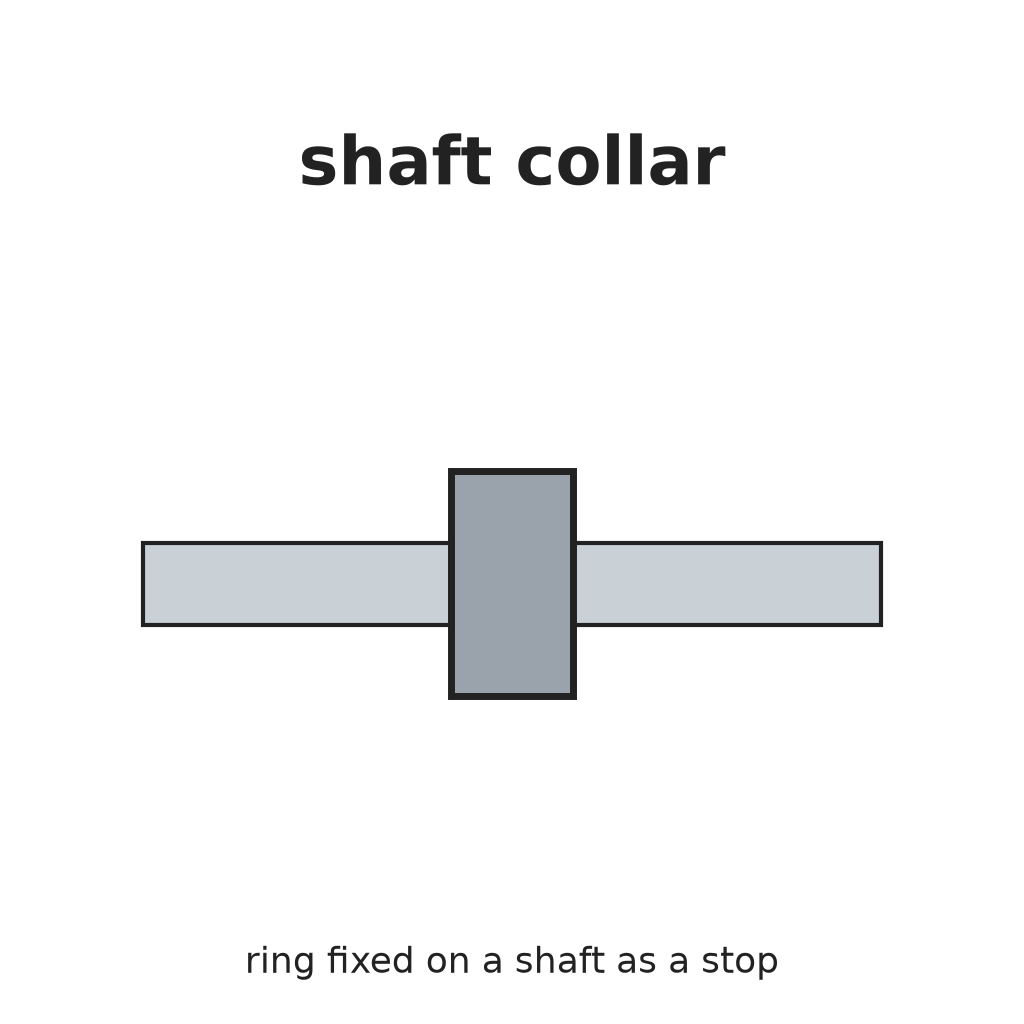 Shaft Collar4 peças
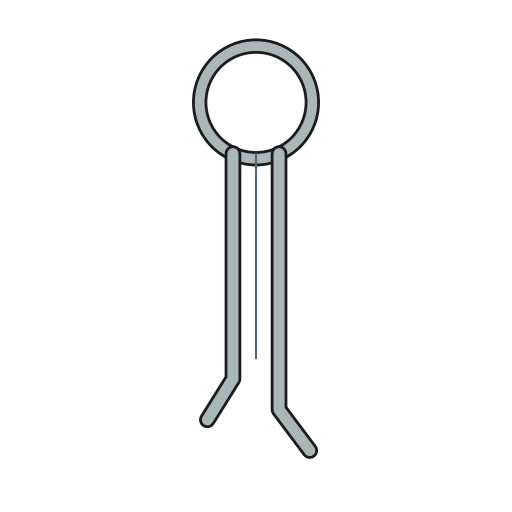 Contrapino15 peças
 Anilha plana4 peças
 Sortido de parafusos sextavados4 peças
 Porca de segurança com anel de nylon4 peçasTábua de madeira de lei1 peça
 Cavilhas de madeira dura1 peça
 Filamento PETG1 peça
Ferramentas necessárias:
 Impressora 3D de filamento (FDM)
 Serra de arco para metaisLimas (lima de mão)Berbequim sem fiosJogo de brocas
 Chave inglesa ajustável
10
10
The build in 3D
The build in 3D
FreeCAD model of this build, cut through the middle: the twin half-cylinder trough and cover with the air pipes, the two shafts with their crags passing between each other, the wheel and pinions, the tap, and the draw with its sieve on the stand. The shafts were turned through 12 positions.
11
11
Churn, then strain
Churn, then strain
Pour about 12 litres of heavy cream at about 15 °C into the trough, checked with the thermometer, and put the cover on. Turn the crank steadily, timing it. When the butter comes, draw off the buttermilk by the tap into the draw; shake the sieve to gather the bits of butter and put them back. Take the butter out, wash it in cold water until it runs clear, salt and weigh it.
Materiais para este passo:
 Natas para bater12 l
 Sal marinho grosso1 peça
 Água1 peça
Ferramentas necessárias:
 Termómetro de sonda permanente
 Cronómetro
 Balança digital de cozinha
 Taça grande de aço inoxidável
12
12
Troubleshooting
Troubleshooting
Crag churn troubleshooting.
Flow
Loading...
13
13
History and honest limits
History and honest limits
**Aaron S. Cornell** of New York, US 26,093, 15 November 1859, "Rotary Churn". He claimed "the arrangement of the rotating shafts armed with the concave or recessed crags or dashers within the two concave or half cylinder chambers placed back to back". His crags were galvanized iron or metal; ours are printed. His pinions screw on with left-hand threads so that turning the wheel backwards takes them off; ours are pinned. The patent gives no sizes; every size here is ours.
Materiais
19- 2 peçasReferência
- 2 peçasReferência
- 1 peçaReferência
- 64 peçasReferência
- 1 peçaReferência
- 1 peçaReferência
- 1 peçaReferência
- Referência
- 3 peçasReferência
- 4 peçasReferência
- 15 peçasReferência
- 4 peçasReferência
- Referência
- Referência
- 1 peçaReferência
- 1 peçaReferência
- 12 lReferência
- 1 peçaReferência
- 1 peçaReferência
Ferramentas necessárias
18- Referência
- 1 vendor sell this, none ship to you yetReferência
- Referência
- 1 vendor sell this, none ship to you yetReferência
- Referência
- Referência
- Referência
- Referência
- Referência
- Referência
- 1 vendor sell this, none ship to you yetReferência
- Referência
- Referência
- Referência
- Referência
- Referência
- Referência
- Referência
Ficheiros de design
4

Blueprints relacionados
Estes blueprints compartilham conhecimento — técnicas, materiais ou princípios
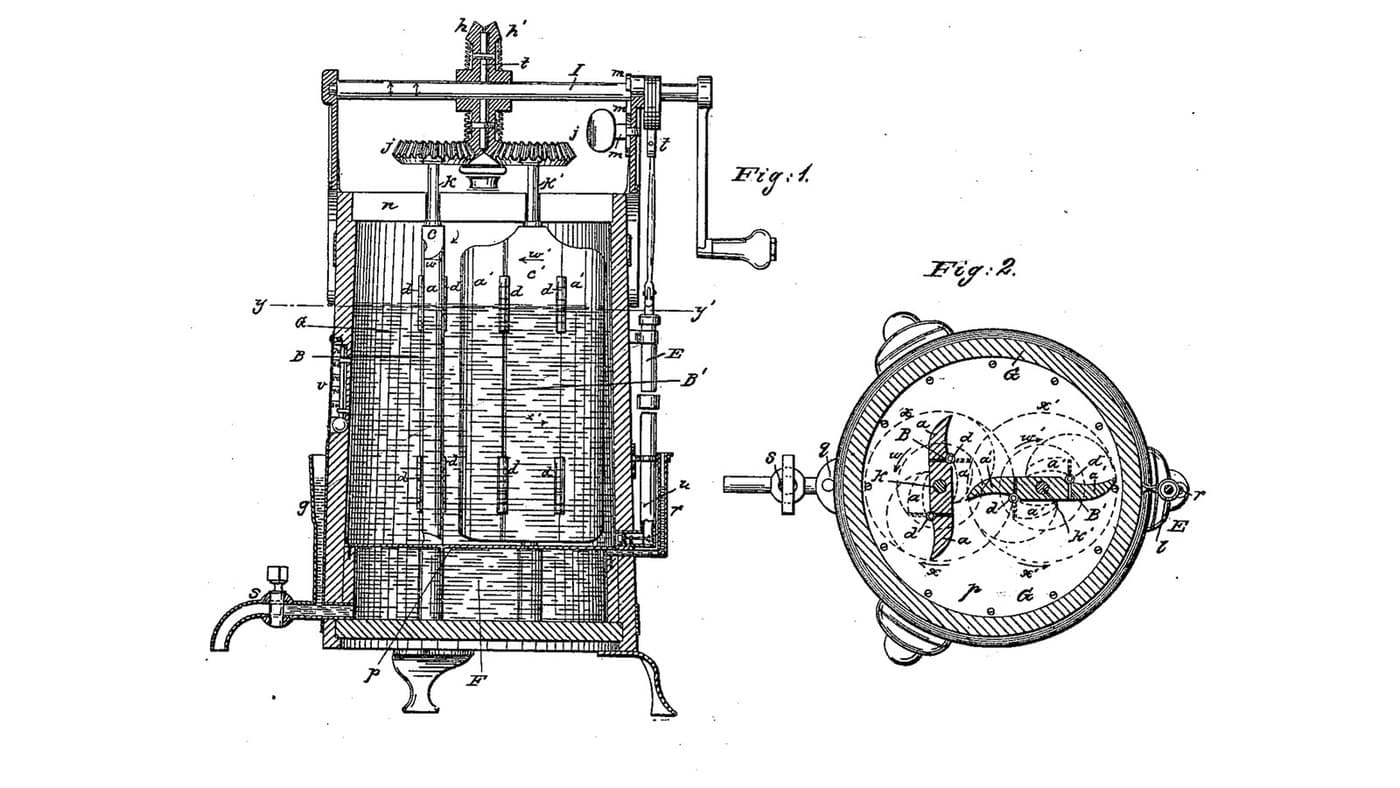
Contrary Hinged-Dasher Air-Pump Churn: Two Crossing Dashers Fold to Gather, a Pump Blows Air Through the Cream
por Buttercup
COMIDA E BEBIDAS
4
0
0
0
0
0
Brake-and-Ledge Bar Dasher Churn: Slotted Brakes Break the Current, Ledges Turn It Back to the Dasher
por Buttercup
Marcenaria
10
0
0
0
0
0

Churning Butter from Cream — The 5,000-Year-Old Fat Separation
por TheChef
ARTESANATO
63
0
0
0
0
0
CC0 Domínio Público
Este blueprint é liberado sob CC0. Você é livre para copiar, modificar, distribuir e usar este trabalho para qualquer finalidade, sem pedir permissão.
Apoie o Maker comprando produtos através do Blueprint, onde ele ganha uma Comissão Maker definida pelos vendedores, ou crie uma nova versão deste Blueprint e inclua-o como conexão no seu próprio Blueprint para compartilhar receita.