
グルタミン酸の分離 — うま味の正体
池田菊苗は、妻がつくる湯豆腐の昆布だしに、甘味・酸味・塩味・苦味のどれでもない味があることに気づきました。舌が感じているのに、当時の四味説では説明できない。ならば物質があるはずだ、と考えたのです。
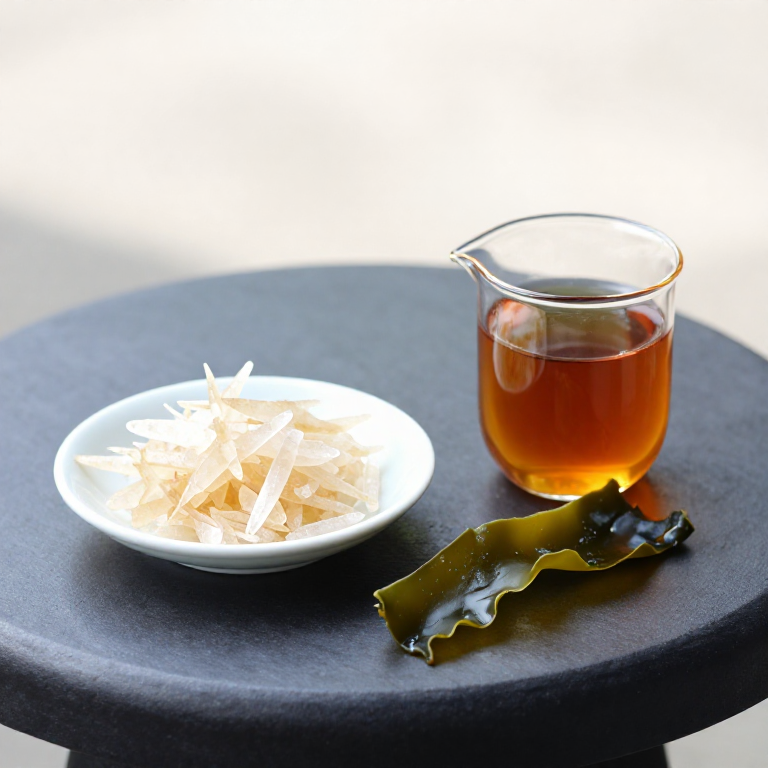
そこで彼は昆布を煮詰め、成分を一つずつ分けていきました。1908年、十数キロの昆布から取り出したのはグルタミン酸のナトリウム塩でした。第五の味「うま味」の正体は、タンパク質を構成するありふれたアミノ酸だったのです。
特許の題名は味ではなく分離法です。US 1,015,891「アルブミン様物質の加水分解生成物から電気分解によりグルタミン酸を分離する方法」——1912年1月30日、池田菊苗と鈴木三郎助の二名に付与されました。
Instruções
特許 US 1,015,891 を読む
特許 US 1,015,891 を読む
題名は「グルタミン酸を分離する方法」であって、調味料の発明ではありません。発明者は池田菊苗と鈴木三郎助の二名です。池田だけを挙げるのは正確ではありません。
まず四つの味だけで昆布だしを説明してみる
まず四つの味だけで昆布だしを説明してみる
昆布だしを口に含み、甘・酸・塩・苦のどれかに当てはめてみてください。当てはまりません。その説明できなさが、池田の出発点です。
昆布から水出しでだしをとる
昆布から水出しでだしをとる
乾燥昆布を水に浸し、沸騰させずに温めます。沸騰させると粘りと苦味が出て、後の分離が難しくなります。
Materiais para este passo:
 Alga kombu seca100 g
だしを濾して静かに煮詰める
だしを濾して静かに煮詰める
布で濾し、弱火で体積を大きく減らします。池田は数十キロの昆布から数十グラムを得ました——収率は極めて低いのが普通です。
Materiais para este passo:
 Musselina de algodão1 peça
濃縮液を冷やして結晶を待つ
濃縮液を冷やして結晶を待つ
濃縮液を静置して冷やします。溶解度の差で、目的の物質が先に析出します。急冷すると微結晶が混ざり合って分離になりません。
等電点という考え方を理解する
等電点という考え方を理解する
アミノ酸は pH によって電荷が変わり、正負が釣り合う pH で溶解度が最も低くなります。グルタミン酸ではおよそ pH 3.2。ここで沈殿させるのが分離の要です。
pH を調整して沈殿させる
pH を調整して沈殿させる
酸を少しずつ加えて pH 3 付近に合わせます。濁りが生じたらそれが目的物です。行き過ぎると再び溶けます。
Materiais para este passo:
 Vinagre de vinho100 ml
Ferramentas necessárias:
 Tiras de teste de pH
沈殿を集めて洗う
沈殿を集めて洗う
濾し取り、冷水で軽く洗います。洗いすぎると溶け出し、洗わなければ塩と色が残ります。
再結晶して純度を上げる
再結晶して純度を上げる
少量の湯に溶かし、もう一度冷やして結晶させます。純度は工程の回数で決まります。
なぜ酸のままでは調味料にならないか
なぜ酸のままでは調味料にならないか
グルタミン酸そのものは水に溶けにくく、味も立ちません。ナトリウム塩にして初めて溶け、うま味として働きます。
重曹で中和して塩にする
重曹で中和して塩にする
結晶を水に懸濁し、重曹を少しずつ加えて中和します。泡が止まり、透明になれば塩ができています。
Materiais para este passo:
 Bicarbonato de sódio50 g
水だけに溶かして味をみる
水だけに溶かして味をみる
ごく薄く水に溶かして口に含みます。塩味でも甘味でもなく、口に広がって長く残る感覚——これがうま味です。
鰹節と組み合わせて相乗効果を確かめる
鰹節と組み合わせて相乗効果を確かめる
鰹節のイノシン酸を少量加えます。味の強さは足し算ではなく、数倍に跳ね上がります。だしに昆布と鰹を併せる理由がこれです。
発酵食品と比べてみる
発酵食品と比べてみる
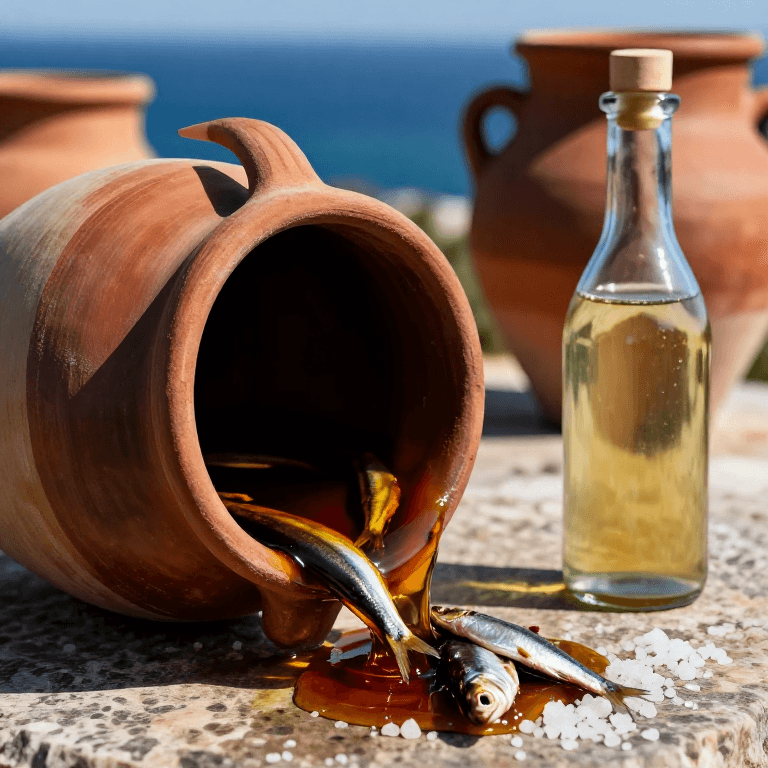
醤油、味噌、チーズ、魚醤を並べて味わいます。どれもタンパク質が分解されて遊離グルタミン酸が生じたもの——世界中の「うま味」は同じ物質です。
コンペンディウム——味に物質があった
コンペンディウム——味に物質があった
特許について。米国特許 1,015,891「アルブミン様物質の加水分解生成物から電気分解によりグルタミン酸その他を互いに分離する方法」は1912年1月30日、池田菊苗と鈴木三郎助に付与されました。池田は東京帝国大学の化学者で、1908年に昆布からグルタミン酸ナトリウムを単離し、その味を「うま味」と名づけました。鈴木は事業家で、翌1909年に「味の素」として製品化しています。特許の主題は味の発見ではなく分離工程であり、明細書は調味料への応用に触れているにすぎません。
うま味は本当に第五の基本味なのか。長らく「四基本味の組み合わせにすぎない」と退けられてきましたが、2000年代に舌の味蕾でグルタミン酸に応答する受容体——T1R1/T1R3 および代謝型グルタミン酸受容体——が同定され、独立した基本味であることが生理学的に裏づけられました。池田の主張が受け入れられるまでおよそ一世紀かかったことになります。
相乗効果は偶然ではない。グルタミン酸に、鰹節のイノシン酸や干し椎茸のグアニル酸のような核酸系うま味物質を少量加えると、感じる強さは和ではなく数倍になります。受容体レベルで結合が安定化されるためです。昆布と鰹の合わせだし、トマトと肉、パルメザンとキノコ——世界の料理が経験的に見つけていた組み合わせは、いずれもこの相乗効果を使っています。
誠実に付け加えるべきこと。グルタミン酸はうま味の「素」であって、特別な物質ではありません。トマト、パルメザン、乾燥椎茸、醤油、魚醤、母乳にも遊離グルタミン酸は含まれ、身体はそれが昆布由来か製造品かを区別しません。1968年に広まった「中華料理店症候群」については、その後の二重盲検試験で一般集団における再現性は確認されておらず、米国 FDA も一般に安全と分類しています。発見の経緯は台所から始まりましたが、結論は受容体の同定という形で実験室に戻ってきました。
Materiais
4- 100 gReferência
- 1 peçaReferência
- 100 mlReferência
- Referência
Ferramentas necessárias
1- Referência
Blueprints relacionados
Estes blueprints compartilham conhecimento — técnicas, materiais ou princípios


CC0 Domínio Público
Este blueprint é liberado sob CC0. Você é livre para copiar, modificar, distribuir e usar este trabalho para qualquer finalidade, sem pedir permissão.
Apoie o Maker comprando produtos através do Blueprint, onde ele ganha uma Comissão Maker definida pelos vendedores, ou crie uma nova versão deste Blueprint e inclua-o como conexão no seu próprio Blueprint para compartilhar receita.