Colaboração
ARTE
BELEZA E BEM-ESTAR
ARTESANATO
CULTURA E HISTÓRIA
ENTRETENIMENTO
MEIO AMBIENTE
COMIDA E BEBIDAS
ENGENHARIA REVERSA
CIÊNCIAS
ESPORTES
TECNOLOGIA
TECNOLOGIA VESTÍVEL
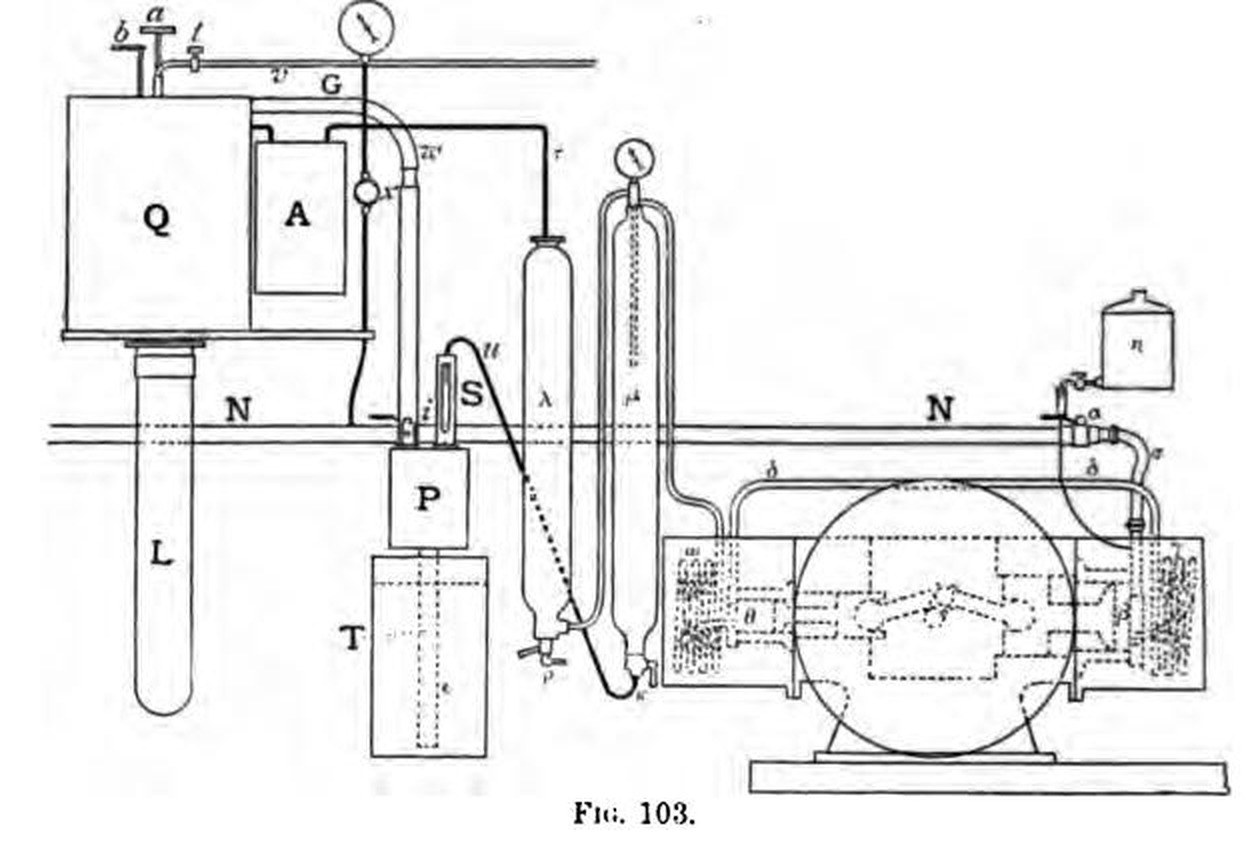


Liquid Hydrogen: Gas at 200 Atmospheres Cooled by Dry Ice and Liquid Air, then Expanded in a Regenerator Coil (Travers, 1901)
Hydrogen will not cool when it expands at room temperature, so Travers first chilled it with dry ice and then with liquid air boiling under a vacuum. Only then did expansion through a fine valve inside a regenerator coil cool it further, until clear liquid hydrogen ran into a vacuum vessel.
Result: liquid hydrogen (specific gravity 0.06), cold enough to freeze air solid.
Source: M. W. Travers, The Experimental Study of Gases (1901), pp. 196-206. Hydrogen is flammable; liquid air and liquid hydrogen are extremely cold. Picture: Fig. 103 of the book.
Avançado
1 week
Instruções
1
1
Make and store the hydrogen
Make and store the hydrogen
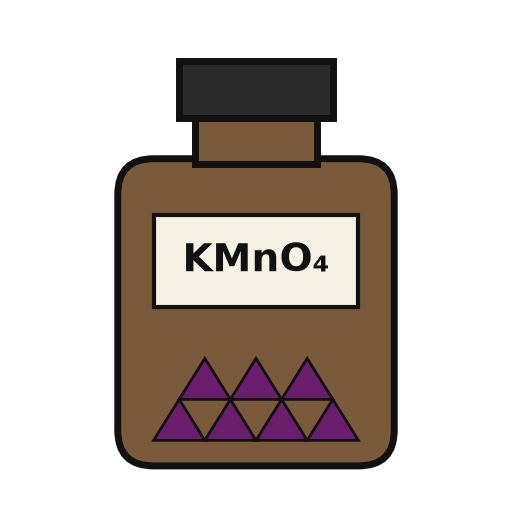
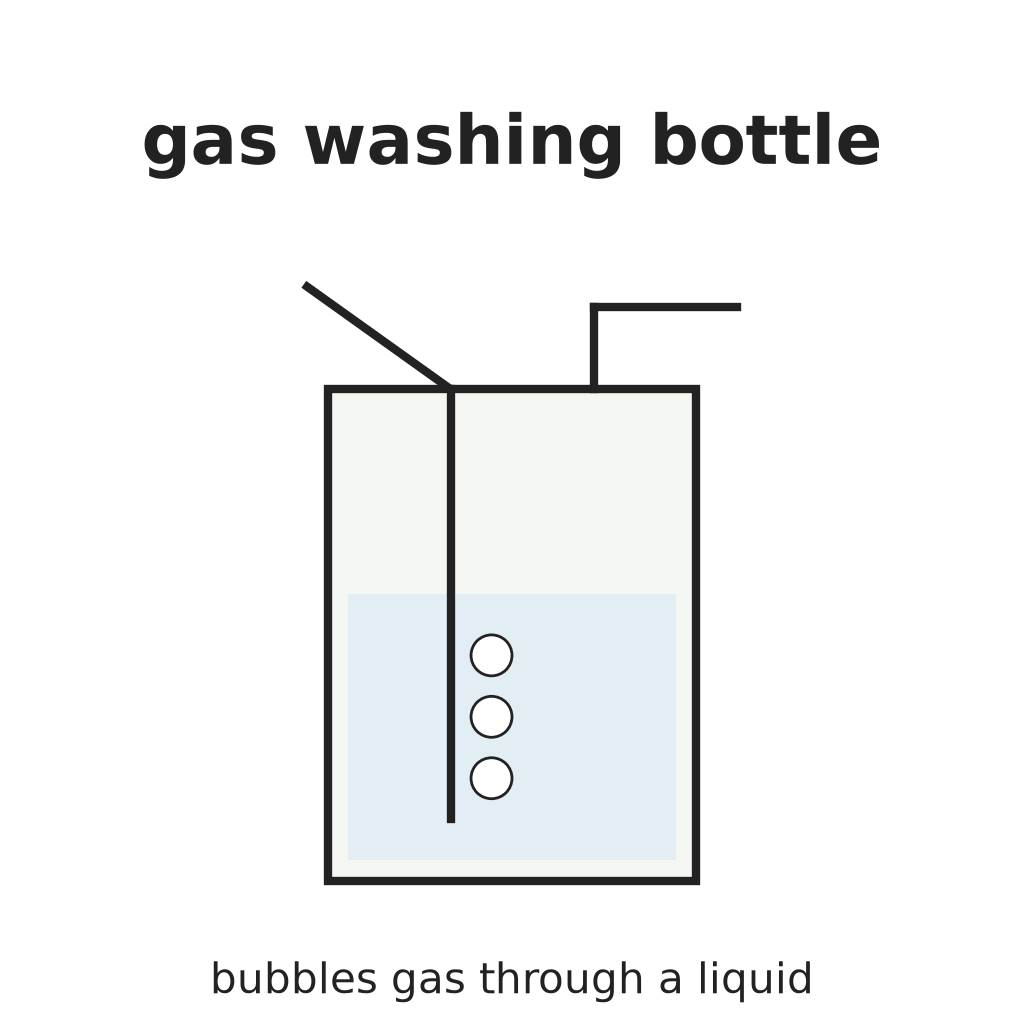
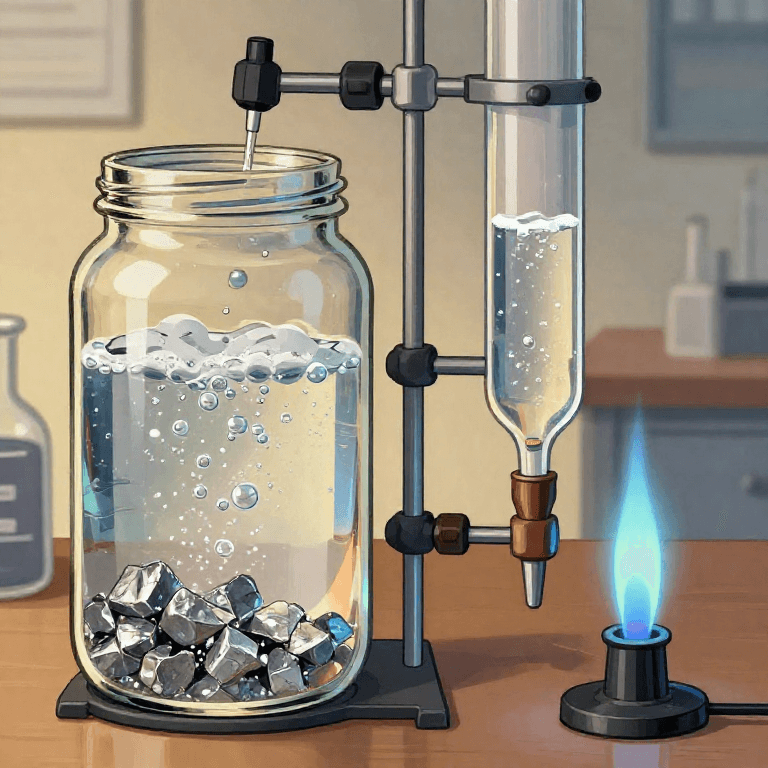
Put about 40 lb of commercial granulated zinc in a beer cask with a tap funnel, a delivery tube, an escape pipe into a vessel of water (safety valve) and a stoneware cock at the bottom to draw off spent acid. Run in dilute sulphuric acid. When the air is out, pass the gas through a wash-bottle of potassium permanganate into the gasometer (sheet iron, 6 ft high, 5 ft 6 in across, over water first saturated with hydrogen). Wash the gasometer out with hydrogen before collecting the main quantity. This takes five hours.
Materiais para este passo:
 Hidrogénio1 a gasometer full, made here
Ferramentas necessárias:
 Zinco
 Ácido sulfúrico diluído
 Barril de madeira
 Funil de adição
 Permanganato de potássio
 Frasco lavador de gases
 Gasómetro
 Água
2
2
Make liquid air and ready the compressor
Make liquid air and ready the compressor
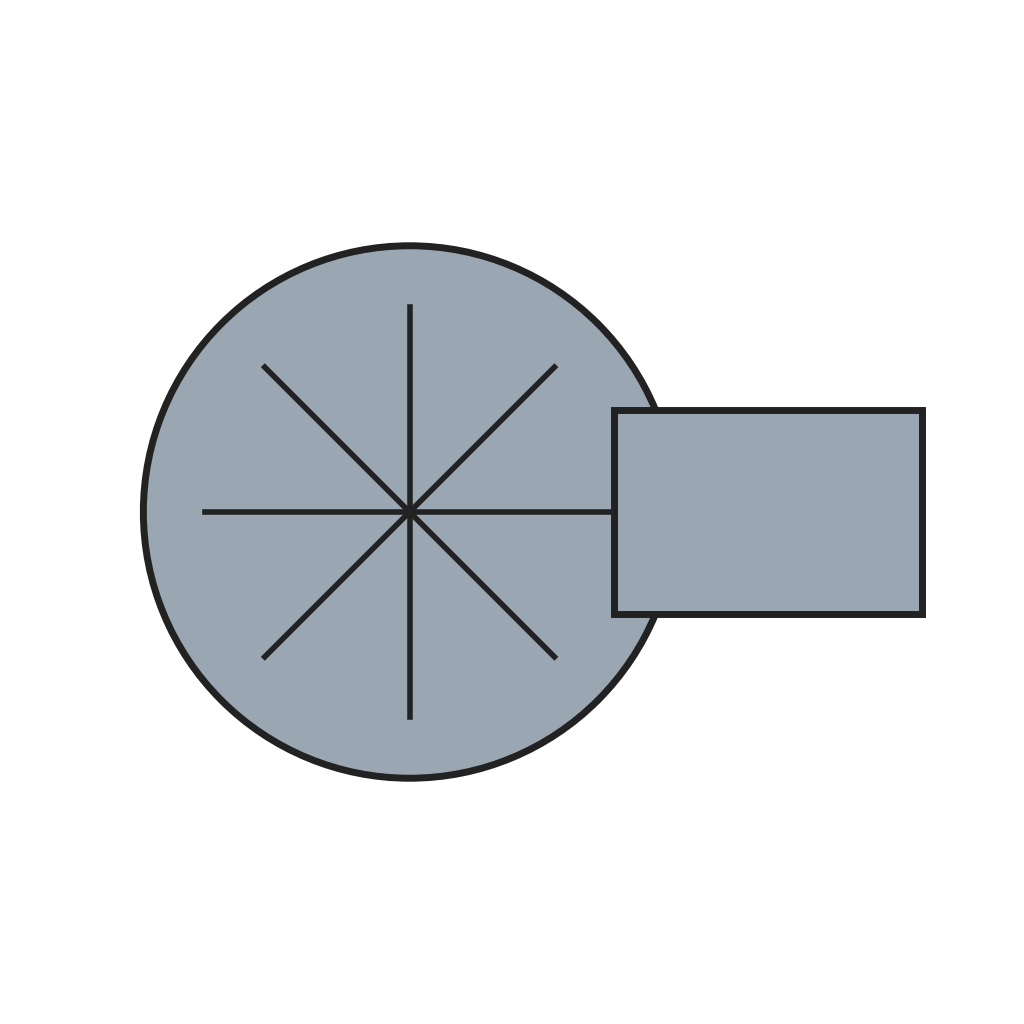
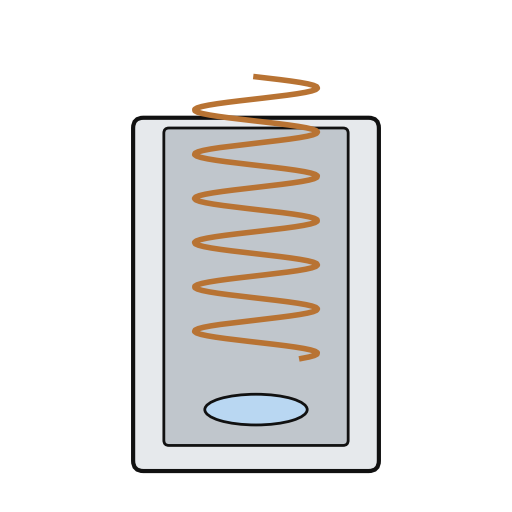
In the two or three days before, use the compressor to make liquid air with the Hampson liquefier and store it in vacuum vessels, about 8 litres in all. Then take the compressor apart and check the valves, springs and fibre packings. Remove the Hampson machine and connect the compressor through the cylinder of caustic potash to the hydrogen liquefier.
Ferramentas necessárias:
 Compressor de gás
 Liquefator de ar Hampson
 Ar líquido
 Vaso de vácuo (Dewar)
3
3
Cool the liquefier
Cool the liquefier
Four people are needed. Pack the vessel round coil A with solid carbonic acid and alcohol (-80 °C). Pour liquid air into chamber B and let it into chamber C, pumped down to 100 mm of mercury so it boils below -200 °C. Draw liquid air into vacuum vessel H and boil it under reduced pressure to chill the regenerator coil below -200 °C, then let it out and put vessels K and M (with a little liquid air) back in place.
Ferramentas necessárias:
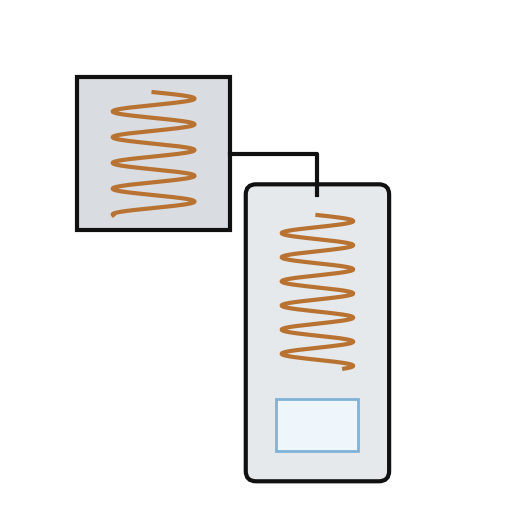 Liquefator de hidrogénio
 Dióxido de carbono sólido
 Etanol desnaturado a 95 %Ar líquidoVaso de vácuo (Dewar)
 Bomba de vácuo
 Vacuómetro
4
4
Compress the hydrogen to 200 atmospheres
Compress the hydrogen to 200 atmospheres
Purge the air from the compressor: open cock a, run a few turns, stop and open cock rho; do this three or four times. Then raise the pressure. The first cylinder takes the gas to about 16 atm, with a little glycerol and water holding 5 % caustic soda as lubricant; the second takes it to about 200 atm. The water is separated out and the gas dried over lumps of solid caustic potash. Have it at 200 atm by the time the liquefier is cold.
Ferramentas necessárias:
Compressor de gás Glicerol
 Soda cáustica (hidróxido de sódio)Água
 Hidróxido de potássio
 Manómetro
5
5
Expand and collect the liquid
Expand and collect the liquid
Reconnect chamber C to the exhaust pump and let liquid air in slowly (a fall of the mercury in the vacuum gauge means too fast). Open the expansion valve with the milled nut; let the gas out through the water tank for a few moments to clear the air, then open cock i so it circulates back. Keep B and the coil-A vessel topped up. Watch the glycerol gauge for the flow and turn the milled nut slowly back and forth the whole time so it does not block. H coats with white solid air; open cock r now and then, and the liquid runs through a baize filter into K. Lift K out on its wire into a vessel with a little liquid air. About 10 % of the gas is lost per run.
Ferramentas necessárias:
Liquefator de hidrogénioAr líquidoDióxido de carbono sólidoVaso de vácuo (Dewar)Bomba de vácuoVacuómetroManómetroMateriais
1- 1 a gasometer full, made hereReferência
Ferramentas necessárias
21- Referência
- Referência
- Referência
- Referência
- Referência
- Referência
- Referência
- Referência
- Referência
- Referência
- Referência
- Referência
- Referência
- Referência
- Referência
- 1 vendor sell this, none ship to you yetReferência
- Referência
- Referência
- Referência
- Referência
- Referência
Este projeto faz
Blueprints relacionados
Estes blueprints compartilham conhecimento — técnicas, materiais ou princípios


CC0 Domínio Público
Este blueprint é liberado sob CC0. Você é livre para copiar, modificar, distribuir e usar este trabalho para qualquer finalidade, sem pedir permissão.
Apoie o Maker comprando produtos através do Blueprint, onde ele ganha uma Comissão Maker definida pelos vendedores, ou crie uma nova versão deste Blueprint e inclua-o como conexão no seu próprio Blueprint para compartilhar receita.