ARTE
BELEZA E BEM-ESTAR
ARTESANATO
CULTURA E HISTÓRIA
ENTRETENIMENTO
MEIO AMBIENTE
COMIDA E BEBIDAS
ENGENHARIA REVERSA
CIÊNCIAS
ESPORTES
TECNOLOGIA
TECNOLOGIA VESTÍVEL
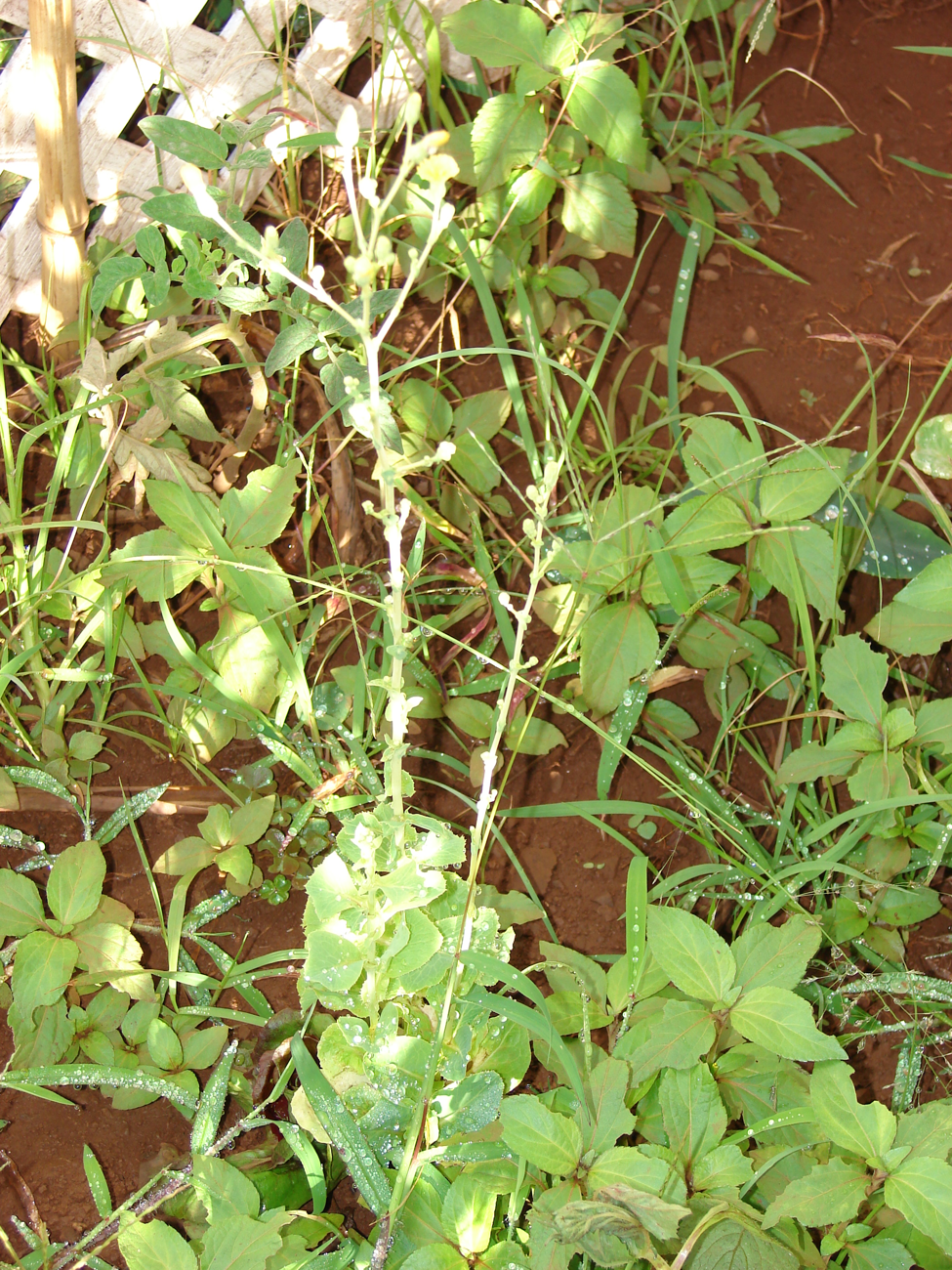
Forest and Kim Starr · CC BY 3.0


Saving Lettuce Seeds — Letting the Leaf Crop Bolt
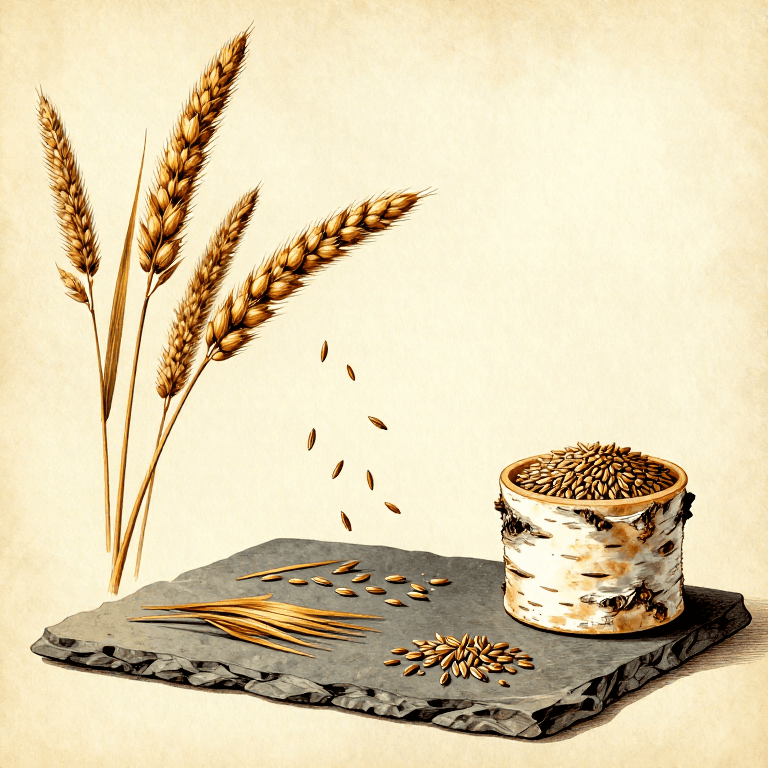
Save lettuce seed by doing the one thing gardeners usually fight: letting it BOLT. Lettuce is a self-pollinating annual, so a few plants left to shoot up, flower and go fluffy will hand you true seed with almost no risk of crossing. Let it flower, catch the dandelion-like fluffy seed, thresh and store. A buildable school project in the self-pollinated annual and the composite flower.
Iniciante
One growing season
Instruções
1
1
The leaf you must let run to seed
The leaf you must let run to seed
We grow lettuce for its leaves and normally pull it before it bolts. To save seed you do the opposite: let a few of your best plants shoot up into a tall flower stalk. They will turn bitter and inedible — that is fine, these plants are now your seed crop, not your salad.
2
2
Grow and let it bolt
Grow and let it bolt
Grow an open-pollinated variety (not F1 hybrid). Pick a few of the best, most true-to-type plants and leave them; warmth and long summer days push them to send up a stalk 60-90 cm tall. If a plant makes a very tight head, cut a shallow X across the top so the stalk can push out.
Materiais para este passo:
 Sementes de alface1 packet
 Composto orgânico1 bag
3
3
Watch the little flowers open
Watch the little flowers open
The stalk opens dozens of small pale-yellow flowers — lettuce is in the daisy family, and each 'flower' is really a cluster of tiny florets, like a miniature dandelion. Each floret pollinates ITSELF as it opens and will become one seed.
4
4
Wait for the fluff
Wait for the fluff
A week or two after each flower closes, it reopens as a little tuft of white fluff — every seed carries a feathery parachute (a pappus), exactly like a dandelion clock, to fly away on the wind. The heads ripen a few at a time over several weeks, not all at once.
5
5
Catch the seed before it flies
Catch the seed before it flies
Because ripe seed blows away, either shake the fluffy heads into a paper bag every couple of days, or once about half the heads are fluffy, cut the whole stalks and finish drying them head-down inside a large paper bag so the loose seed drops in.
Materiais para este passo:
 Saco de papel kraft com folha de alumínio1 peça
Ferramentas necessárias:
 Tesoura de podar
6
6
Thresh and winnow
Thresh and winnow
Rub the dry heads between your hands to break the seeds free of their fluff, then winnow: a gentle breath or breeze carries off the light pappus and chaff and leaves the heavier seeds behind. A fine sieve helps separate the last bits.
Ferramentas necessárias:
 Peneira de 60 mesh
7
7
Dry and store
Dry and store
Dry the cleaned seed a few more days, then store cool, dark and airtight, labelled with variety and year. Lettuce seed stays viable about 3 years.
Materiais para este passo:
 Frascos de vidro com tampa1 peça
 Etiquetas adesivas1 folha
8
8
Compendium — self-pollinated, and why bolting means seed
Compendium — self-pollinated, and why bolting means seed
Lettuce is, like the bean, a self-pollinating annual — its florets fertilise themselves as they open, so bees rarely mix varieties and the seed comes true with almost no isolation; you can grow several lettuces near each other and keep them all pure (a metre or two of space is ample). What makes lettuce its own lesson is the conflict between the crop and its seed. A lettuce plant spends its early life in a leafy, low rosette, pouring energy into the tender leaves we eat and NOT flowering — but warmth and lengthening days eventually flip it into reproductive mode, and it 'bolts': it stretches up a tall stem and rushes to flower and seed. Bolting ruins it for the kitchen (the leaves turn milky and bitter as the plant redirects everything to seed), which is why gardeners dread it — but bolting is exactly, and only, how you get seed. So seed-saving lettuce is simply a matter of surrendering a few plants to the process you normally prevent. Its flowers reveal a hidden relationship, too: lettuce belongs to the daisy/sunflower family (Asteraceae), so each bloom is a composite of many tiny florets, and each seed sails on a dandelion parachute — which is the one tricky part of the harvest, because ripe seed shatters and blows away, so you must catch it in a bag rather than wait for it all to be ready at once. Domesticated from wild lettuce by the ancient Egyptians over four thousand years ago, it is one of the oldest salad crops — and one of the easiest to keep going yourself.
Materiais
6- 1 packetReferência
- 1 bagReferência
- Referência
- Referência
- 1 folhaReferência
- 1 peçaReferência
Ferramentas necessárias
2- Referência
- Referência
Blueprints relacionados
Estes blueprints compartilham conhecimento — técnicas, materiais ou princípios
CC0 Domínio Público
Este blueprint é liberado sob CC0. Você é livre para copiar, modificar, distribuir e usar este trabalho para qualquer finalidade, sem pedir permissão.
Apoie o Maker comprando produtos através do Blueprint, onde ele ganha uma Comissão Maker definida pelos vendedores, ou crie uma nova versão deste Blueprint e inclua-o como conexão no seu próprio Blueprint para compartilhar receita.