Colaboração
ARTE
BELEZA E BEM-ESTAR
ARTESANATO
CULTURA E HISTÓRIA
ENTRETENIMENTO
MEIO AMBIENTE
COMIDA E BEBIDAS
ENGENHARIA REVERSA
CIÊNCIAS
ESPORTES
TECNOLOGIA
TECNOLOGIA VESTÍVEL
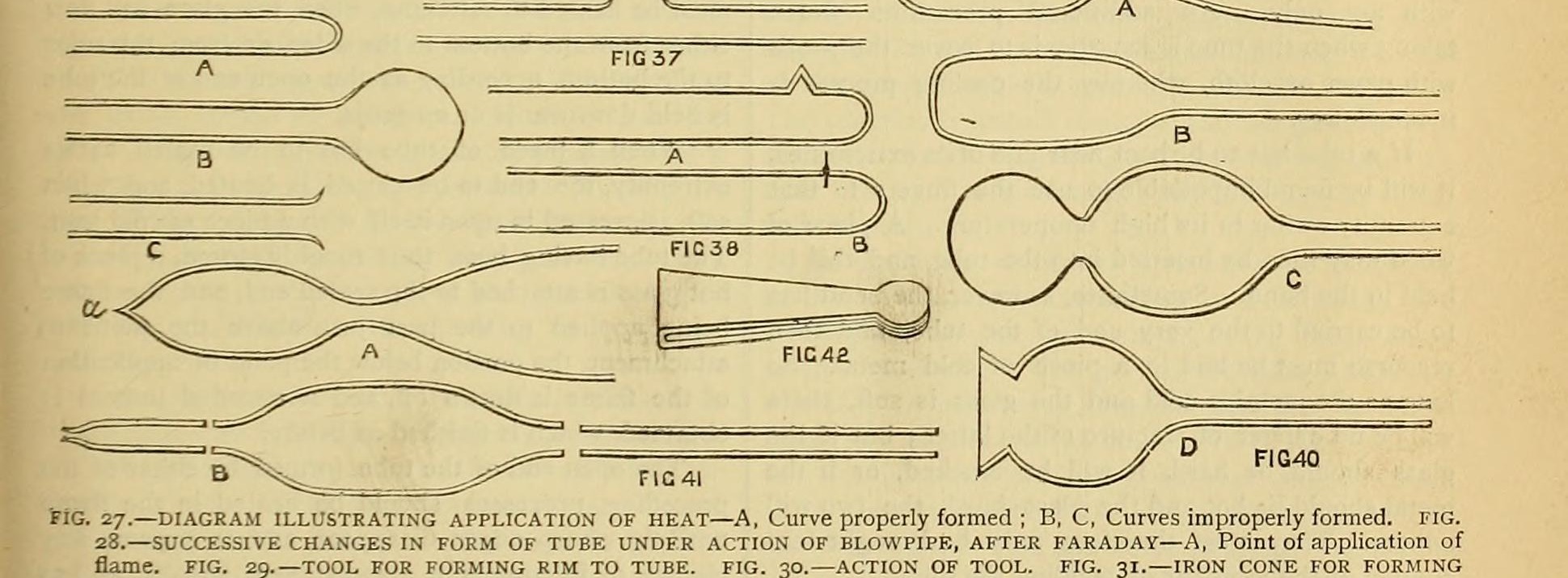


Bulb Pipette Blown at the Lamp: a Closed Tube Drawn, Bulbed, Pierced and Joined to Two Stems (Soward, 1886)
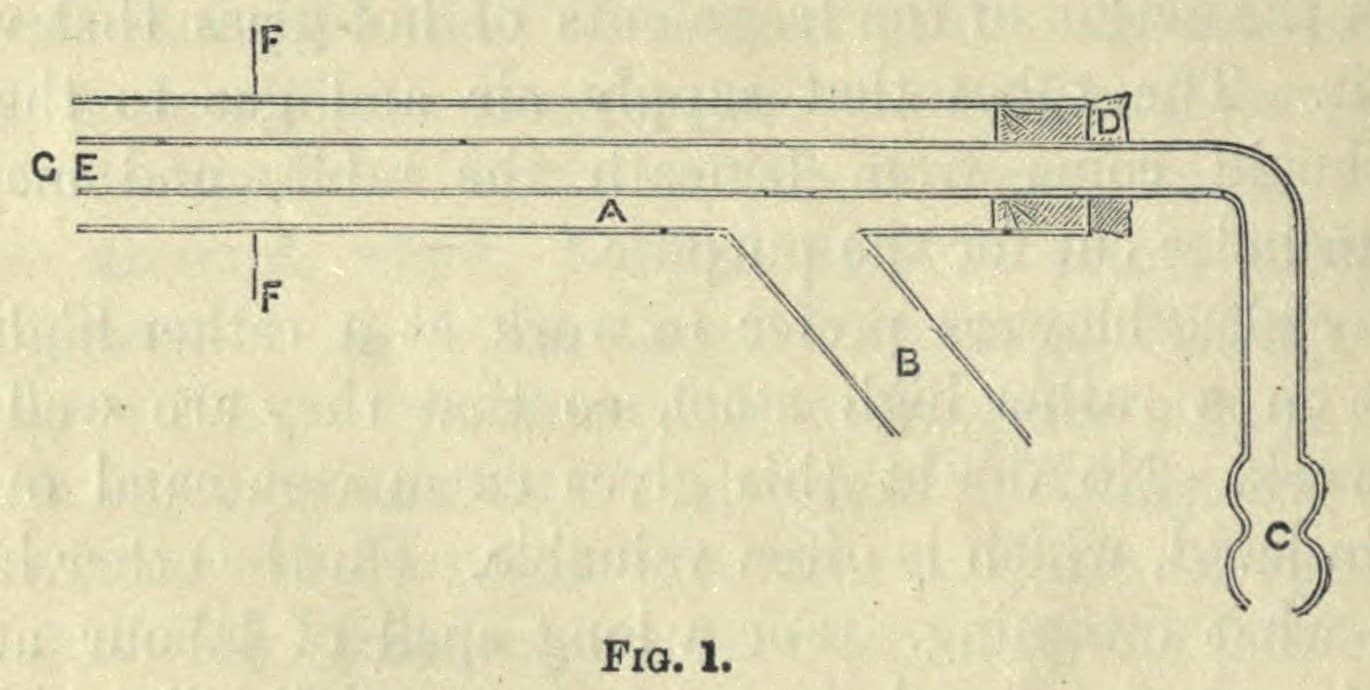
Alfred Soward's lampwork bulb pipette from Amateur Work (1886), made like his thistle funnel: a 3/8 in. bore tube closed and drawn down onto a 1/8 in. stem, blown into a bulb, a thin second bulb blown and broken off the far side to leave a short neck, and a second stem drawn to a fine capillary tip joined on.
Avançado
An hour once the basic operations are mastered
Instruções
1
1
Read Soward
Read Soward
"To make a pipette the process is very similar." (to the thistle funnel)
2
2
Prepare the tubes
Prepare the tubes
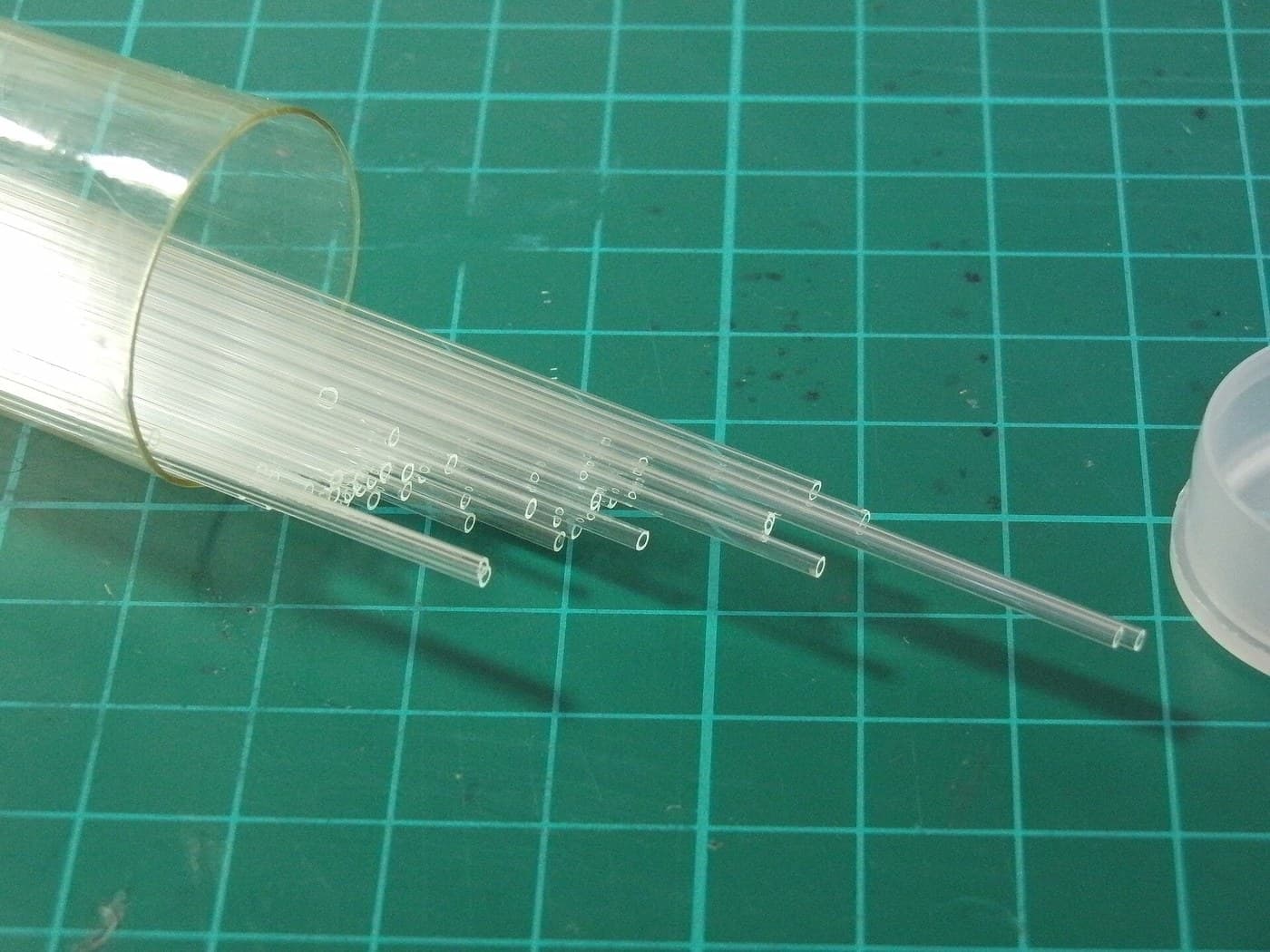
Take glass tube of about 1/8 in. (3 mm) bore for the stems and about 3/8 in. (10 mm) bore for the bulb. Close the wide tube at one end in the form of his fig. 41 A, then soften it about an inch from the end and draw it down to the small tube's diameter.
Materiais para este passo:
 Tubo de vidro1 peça
Ferramentas necessárias:
 Bico de Bunsen
 Cana de vidreiro
3
3
Join the first stem
Join the first stem
Cut the drawn, flask-shaped piece off with a file and fuse it to a length of the narrow tube: soften both ends, press them together, pull gently to reduce the thickened joint, and blow a gentle stream of air in.
Materiais para este passo:
Tubo de vidro1 peçaFerramentas necessárias:
 Limas (lima de mão)Bico de BunsenCana de vidreiro
4
4
Blow the bulb
Blow the bulb
Soften the flask part and blow it into a bulb through the stem.
Ferramentas necessárias:
Bico de BunsenCana de vidreiro5
5
Open the far end
Open the far end
Play the flame on the point opposite the stem (A in fig. 41) and blow a very thin second bulb with a strong blast. Break it away: it leaves a small projecting tube (B).
Ferramentas necessárias:
Bico de BunsenCana de vidreiro6
6
Draw and join the tip
Draw and join the tip
Draw a second piece of narrow tube to a capillary end: thicken it in the flame, pull the hands apart, cut with a file and hold the cut end a moment in the flame. Join this stem to the projecting tube as before.
Materiais para este passo:
Tubo de vidro1 peçaFerramentas necessárias:
Limas (lima de mão)Bico de BunsenCana de vidreiro7
7
Troubleshooting
Troubleshooting
Pipette troubleshooting.
Flow
Loading...
8
8
History and honest limits
History and honest limits
From Alfred W. Soward, "Glass-Blowing for Amateurs" IV, **Amateur Work, Illustrated**, vol. V (1886), pp. 173-176, figs. 39-41 (checked on the archive.org scan amateurworkillus05lond). He gives no volume or graduation: calibrate it by weighing water if you need one (see the graduated-pipette blueprint). Metric figures are ours.
Este projeto faz

Blueprints relacionados
Estes blueprints compartilham conhecimento — técnicas, materiais ou princípios

CC0 Domínio Público
Este blueprint é liberado sob CC0. Você é livre para copiar, modificar, distribuir e usar este trabalho para qualquer finalidade, sem pedir permissão.
Apoie o Maker comprando produtos através do Blueprint, onde ele ganha uma Comissão Maker definida pelos vendedores, ou crie uma nova versão deste Blueprint e inclua-o como conexão no seu próprio Blueprint para compartilhar receita.