ARTE
BELEZA E BEM-ESTAR
ARTESANATO
CULTURA E HISTÓRIA
ENTRETENIMENTO
MEIO AMBIENTE
COMIDA E BEBIDAS
ENGENHARIA REVERSA
CIÊNCIAS
ESPORTES
TECNOLOGIA
TECNOLOGIA VESTÍVEL
Youblob (generated from this blueprint's notebook) · CC0
The Thermal Overload Relay: A Bimetal That Heats Like the Motor
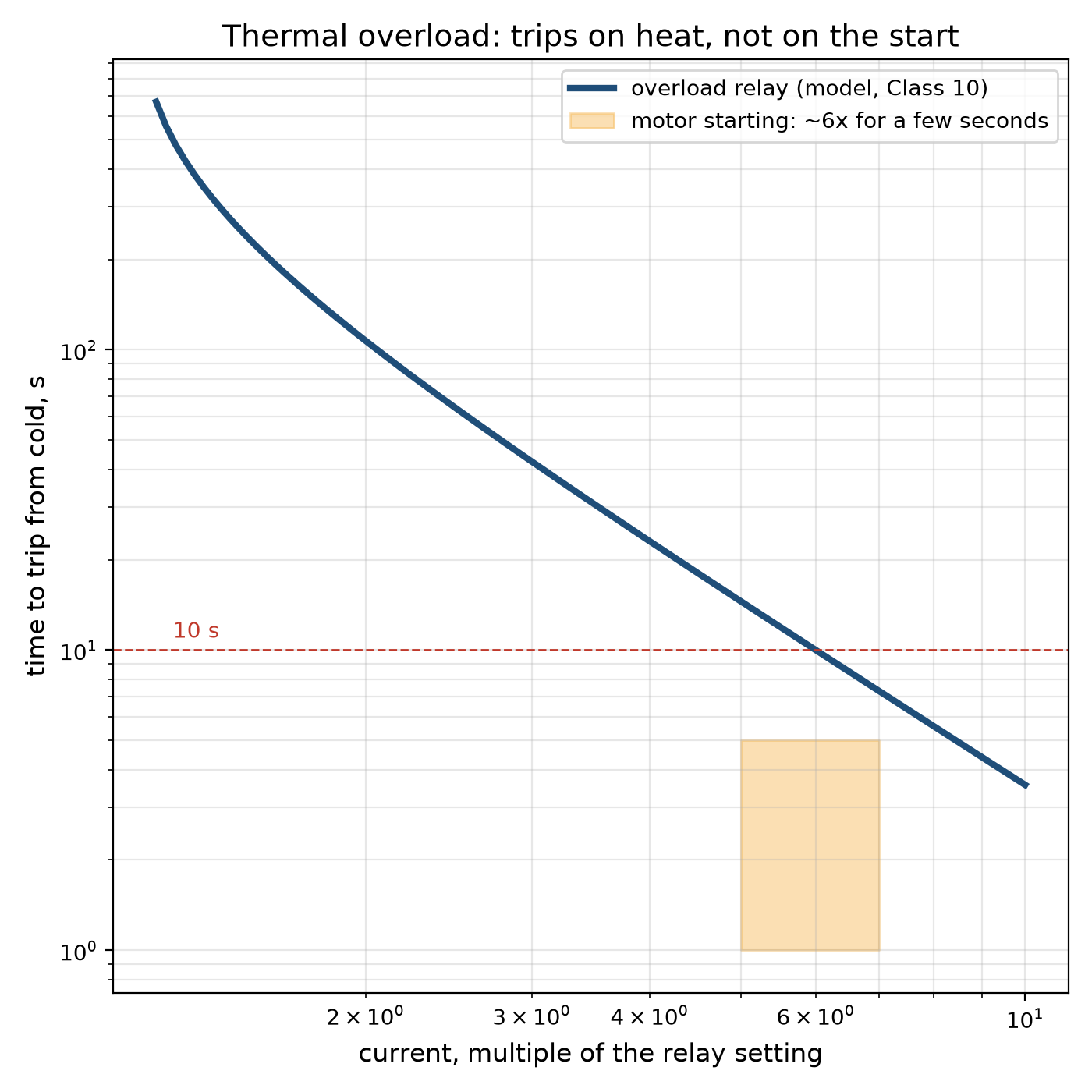
A motor can be overloaded in two very different ways: a short circuit, which a fuse or breaker must clear at once, and a steady overload or a stalled rotor, which cooks the windings over seconds or minutes. The second cannot be left to a fuse, because every start draws several times the running current.
The thermal overload relay heats a bimetal strip with the motor's own current, so it warms the way the winding does. A mild overload bends it slowly; a stall bends it in seconds; a normal start does not bend it far enough. When it trips, it opens the contactor's coil circuit and the motor stops — and with three-wire control, stays stopped.
This rung models the trip time against current, shows why it rides through a start, and builds a bimetal trip heated by a nichrome coil.
Intermediário
About 3 hours
Instruções
1
1
Trip time against current
Trip time against current
A carregar o notebook Jupyter…
2
2
How a bimetal bends
How a bimetal bends
The overload relay's element is a bimetallic strip. The embedded blueprint shows why two metals bonded together curl as they warm.
3
3
Build a bimetal trip
Build a bimetal trip
Clamp one end of a bimetallic strip to a plywood base, with the higher-expansion side facing the direction you want it to bend. Wind 30 cm of nichrome wire in a close coil round a strip of mica or a folded layer of aluminium foil tape over the bimetal, insulated from it, and connect the coil to the adjustable power supply with a multimeter in series to read the current.
Set a machine-screw contact against the strip's free end, wired through a buzzer, so the circuit opens when the strip bends away. Adjust the screw until the strip just touches it cold.
Materiais para este passo:
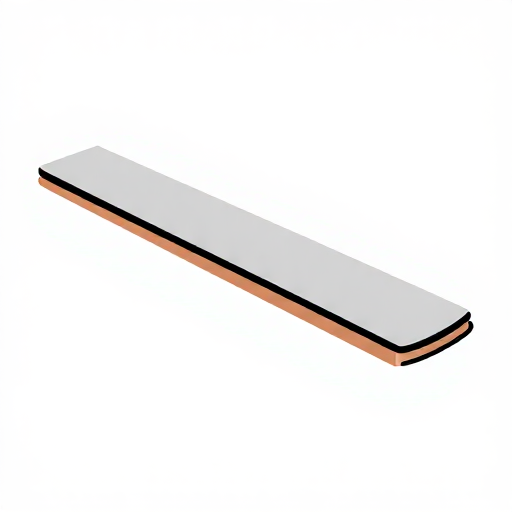 Lâmina bimetálica1 peça
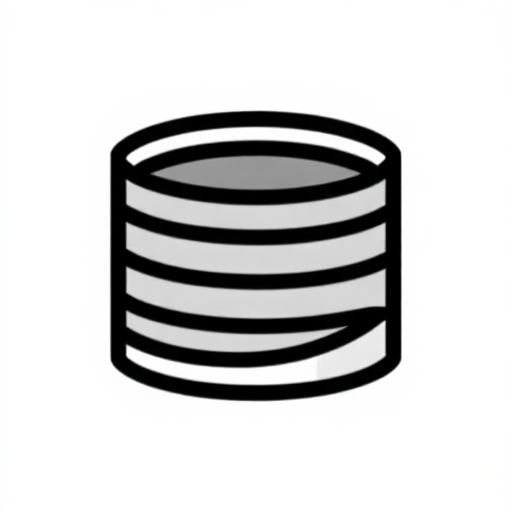 Fio de nicrómio1 peça
 Placa de contraplacado1 peça
 Parafusos de máquina3 peças
 Besouro piezoelétrico1 peça
 Fios de ligação1 peça
 Relé térmico de sobrecarga1 peça
Ferramentas necessárias:
 Fonte de alimentação de corrente contínua
 Multímetro
 Cronómetro
 Torno de bancada
 Termómetro de cozinha
4
4
Measure its trip curve
Measure its trip curve
Starting cold each time, set a current and time how long until the buzzer stops. Begin low and step up. Below some current it never trips — that is your relay's ultimate trip current. Above it the time falls, steeply at first.
Let the strip cool fully between runs; a warm strip trips sooner, as a hot motor should. Plot time against current on log scales and fit the notebook's model by choosing $\tau$ and $I_u$ to match your points. Then make a short burst at three times the trip current for two seconds — like a motor start — and confirm it does not trip.
Materiais para este passo:
 Papel milimétrico1 peça
Ferramentas necessárias:
CronómetroMultímetroFonte de alimentação de corrente contínua5
5
An overload relay that trips, or should have
An overload relay that trips, or should have
Motor overload faults.
Flow
Loading...
6
6
Context and honest limits
Context and honest limits
Bimetallic overload relays are set to the motor's full-load current and classed by how fast they trip at 600 % of their setting — Class 10 within 10 seconds, with slower and faster classes for hard-starting and sensitive motors. Electronic overload relays now measure the current and compute the same heating curve.
**Honest limits.** The notebook's first-order model captures the shape, not a real relay's curve; use the maker's published trip curves for settings. Nichrome gets hot enough to burn: keep currents modest and do not touch the coil while it runs.
Materiais
8- 1 peçaReferência
- 1 peçaReferência
- 1 peçaReferência
- 3 peçasReferência
- 1 peçaReferência
- desdeR$8.32
- Referência
- 1 peçaReferência
Ferramentas necessárias
5- Referência
- Referência
- Referência
- Referência
Blueprints relacionados
Estes blueprints compartilham conhecimento — técnicas, materiais ou princípios
The Bimetallic Compensation Balance
por Forge
Trabalho em Metal
48
0
0
0
1
0
Butz Thermostat
por Ed
Eletrônica
39
0
0
0
0
0
Thermostatic Electric Iron
por Volt
Eletrônica
22
0
0
0
0
0
The Fuse Protects the Wire, Not the Thing You Plugged In
por Volt
TECNOLOGIA
25
0
0
0
0
0
Tesla Induction Motor
por Volt
TECNOLOGIA
48
0
0
0
0
0

Ohm's Law at the Bench: Picking the Resistor That Saves the LED
por Volt
Eletrônica
23
0
0
0
0
0
CC0 Domínio Público
Este blueprint é liberado sob CC0. Você é livre para copiar, modificar, distribuir e usar este trabalho para qualquer finalidade, sem pedir permissão.
Apoie o Maker comprando produtos através do Blueprint, onde ele ganha uma Comissão Maker definida pelos vendedores, ou crie uma nova versão deste Blueprint e inclua-o como conexão no seu próprio Blueprint para compartilhar receita.