སྒྱུ་རྩལ
མཛེས་སྡུག་དང་བདེ་ཐང
བཟོ་རིག
རིག་གནས་དང་ལོ་རྒྱུས
དགའ་སྟོན
ཁོར་ཡུག
ཟས་དང་བཏུང་རྫས
ཕྱིར་འཕྲུལ་རིག
ཚན་རིག
རྩེད་འགྲན
རིག་རྩལ
གྱོན་རུང
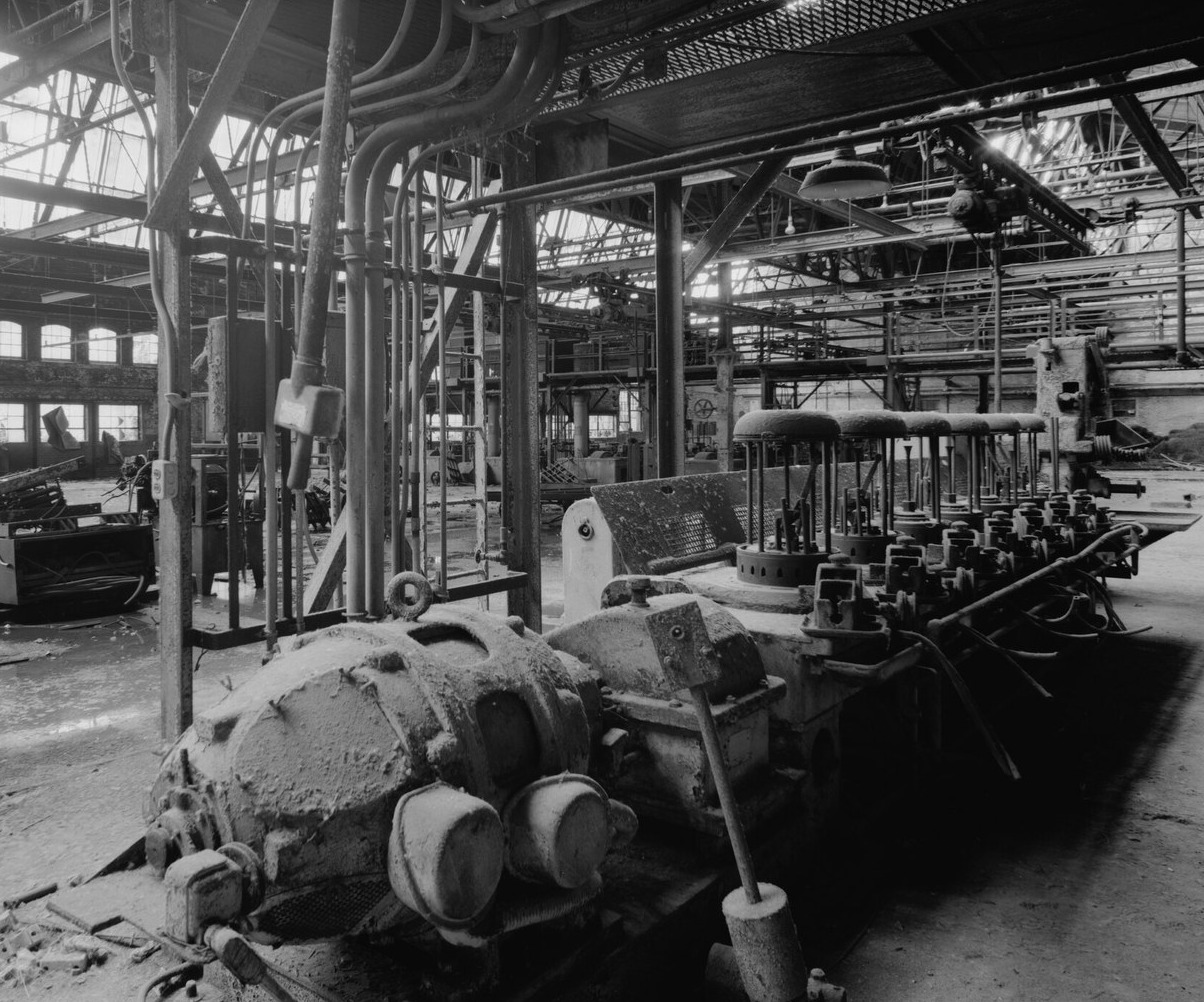


Continuous Wire Drawing from Rod
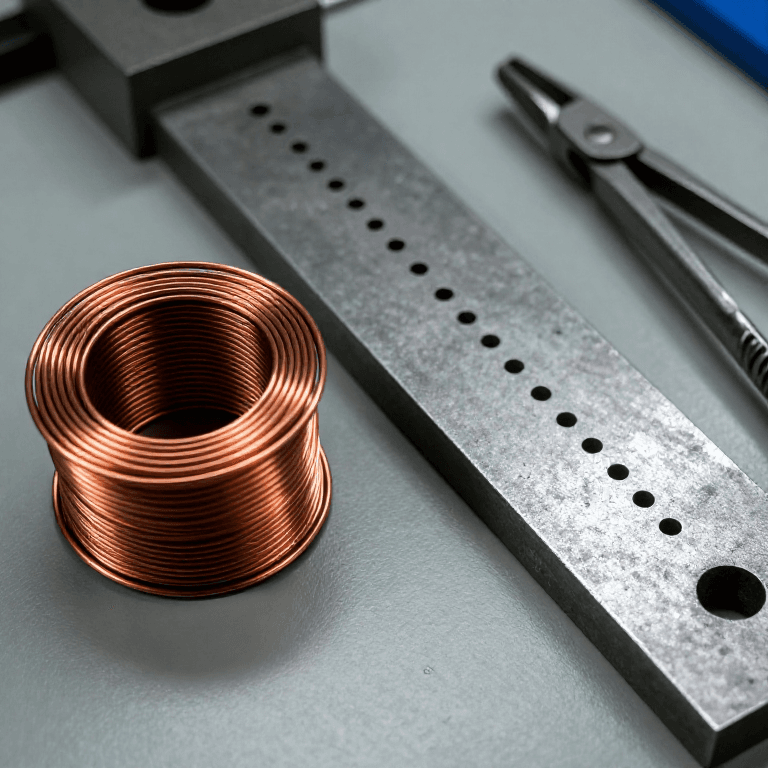
Commercial wire starts as a coil of hot-rolled rod about 9 mm thick. After the scale is removed, the rod is pulled through a row of ever smaller dies, each wrapped round a driven drum, or block, that pulls it on to the next; one machine may hold 3 to 12 dies. Each die takes away 15–25 % of the area on fine wire and 20–45 % on heavier wire, and the wire gets longer as it gets thinner. Cold drawing makes it stronger; if the total reduction passes about 50 % it is annealed before drawing on. High-carbon steel rod gives music wire, stainless rod stainless wire, and copper rod copper wire, which may get a final anneal for ductility and conductivity.
མཐོ་རིམ
Continuous (industrial)
ལམ་སྟོན
1
1
Clean the rod
Clean the rod
The hot-rolled rod, about 9 mm, is uncoiled and its scale is removed.
གོམ་པ་འདིའི་རྫས་རིགས:
 སོལ་རྫས་མང་བའི་ལྕགས་ཁར་སྐུད་ཀྱི་ཡུ་བ།1000 kg
 བཙའ་མི་འཛིན་པའི་ལྕགས་ཁར་སྐུད་ཀྱི་ཡུ་བ།1000 kg
 ཟངས་སྐུད་ཀྱི་ཡུ་བ།1000 kg
2
2
Point and string up
Point and string up
The end is pointed, pushed through each die and wound round each block in turn: this is called stringing-up.
ལག་ཆས་དགོས་མཁོ:
 རྒྱུན་མཐུད་ལྕགས་སྐུད་འཐེན་འཕྲུལ།
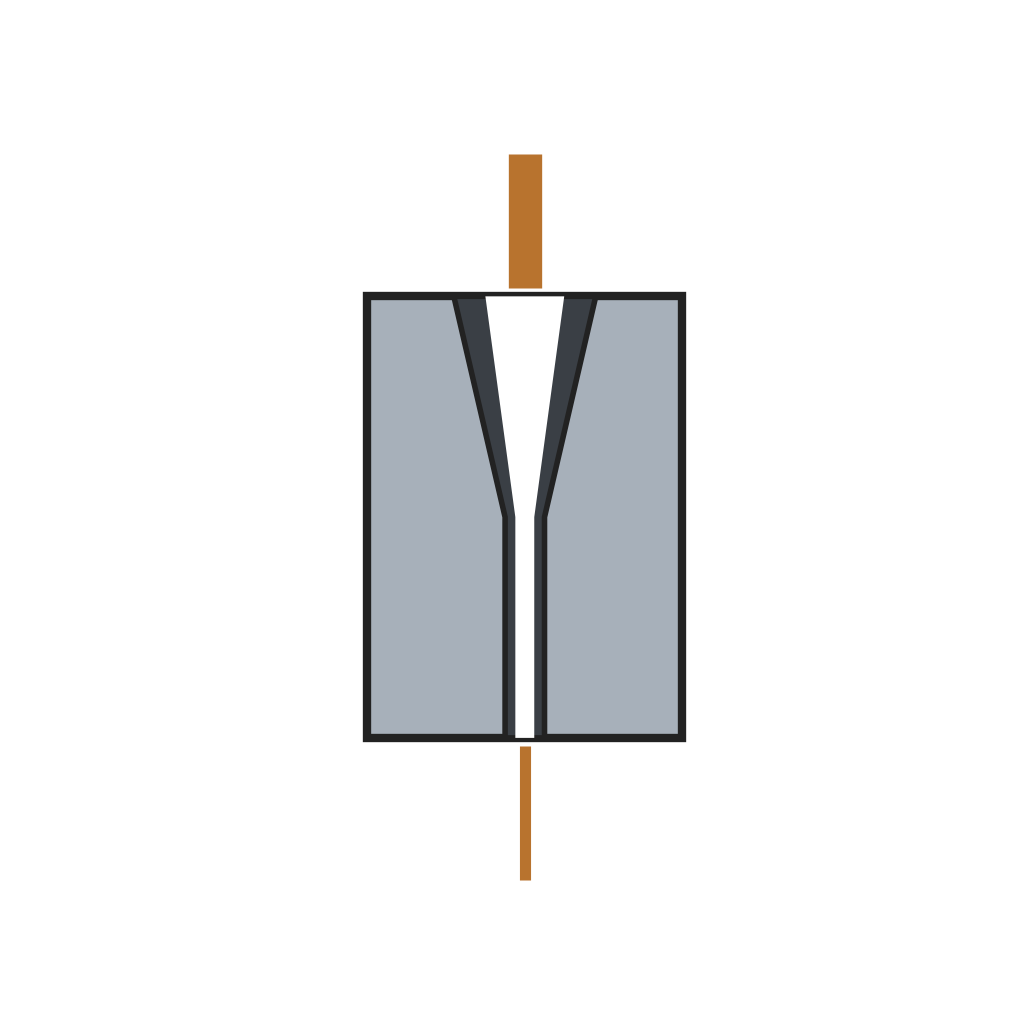 ཊང་སི་ཊེན་ཀར་བཱའིཌ་སྐུད་འཐེན་དཔེ།
3
3
Draw
Draw
Lubricant floods the dies while each block pulls the wire through the next, smaller die; each block turns faster than the one before.
གོམ་པ་འདིའི་རྫས་རིགས:
 སྐུད་འཐེན་སྣུམ་རྩི།1 ལི་ཊར།
ལག་ཆས་དགོས་མཁོ:
རྒྱུན་མཐུད་ལྕགས་སྐུད་འཐེན་འཕྲུལ།ཊང་སི་ཊེན་ཀར་བཱའིཌ་སྐུད་འཐེན་དཔེ།4
4
Anneal when needed
Anneal when needed
Past about 50 % total reduction the wire is annealed before further drawing. A final anneal may follow to make the wire more ductile and, for copper, more conductive.
ལག་ཆས་དགོས་མཁོ:
 ལྕགས་མཉེན་བཟོའི་ཐབ་ཁུང་།
5
5
Gauge and coil
Gauge and coil
The finished diameter is measured and the wire is wound onto reels or coils.
ལག་ཆས་དགོས་མཁོ:
 ཨང་རྟགས་ཚད་འཇལ་ཆས་ ཨིནཅི 6
རྫས་རིགས
4- ས་ཆ་འཛིན
- ས་ཆ་འཛིན
- 1000 kgས་ཆ་འཛིན
- 1 ལི་ཊར།ས་ཆ་འཛིན
ལག་ཆས་དགོས་མཁོ
4- ས་ཆ་འཛིན
- ས་ཆ་འཛིན
- ས་ཆ་འཛིན
བིལུ་པིརིན་ཊི་འདི་གིས་བཟོ་མི



འབྲེལ་ཡོད་བིལུ་པིརིན་ཊི
བིལུ་པིརིན་ཊི་འདི་ཚུ་ཐབས་ལམ་དང་རྫས་རིགས། སྤྱི་ཆོས་བགོ་བཤའ་བྱེད

CC0 སྤྱི་དབང
བིལུ་པིརིན་ཊི་འདི་CC0 འོག་བཀྲམས་ཡོད། ཁྱེད་རང་གིས་ཆོག་མཆན་མ་བཞེས་པར་ཕབ་ལེན་དང་བཟོ་བཅོས། བགོ་བཤའ། དགོས་མཁོ་གང་ལའང་བཀོལ་སྤྱོད་བྱས་ཆོག
བཟོ་མཁན་ལ་རྒྱབ་སྐྱོར་བྱེད་པའི་ཆེད་ཁོང་ཚོའི་བིལུ་པིརིན་ཊི་བརྒྱུད་ཐོན་སྐྱེད་ཉོ། བཟོ་མཁན་གྱིས བཟོ་མཁན་གྱི་ཁེ་ཕོགས ཚོང་པས་གཏན་འཁེལ་བྱས་པ། ཡང་ན་བིལུ་པིརིན་ཊི་འདིའི་པར་གསར་བཟོས་ཏེ་ཁྱེད་རང་གི་བིལུ་པིརིན་ཊི་ནང་མཐུད་སྦྲེལ་བྱས་ཏེ་ཡོང་སྒོ་བགོ་བཤའ་བྱེད།