སྒྱུ་རྩལ
མཛེས་སྡུག་དང་བདེ་ཐང
བཟོ་རིག
རིག་གནས་དང་ལོ་རྒྱུས
དགའ་སྟོན
ཁོར་ཡུག
ཟས་དང་བཏུང་རྫས
ཕྱིར་འཕྲུལ་རིག
ཚན་རིག
རྩེད་འགྲན
རིག་རྩལ
གྱོན་རུང
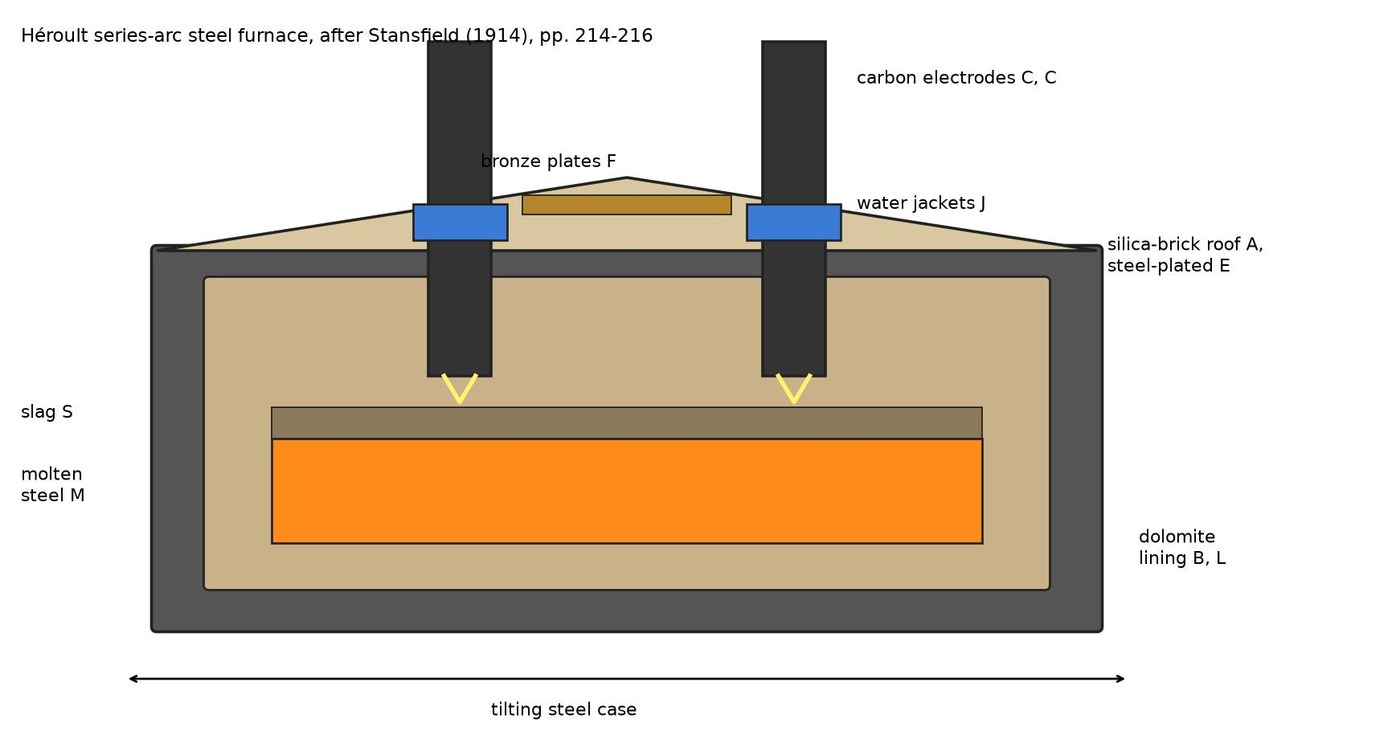

Electric Arc Furnace: the Héroult Series-Arc Steel Furnace (Stansfield, 1914)
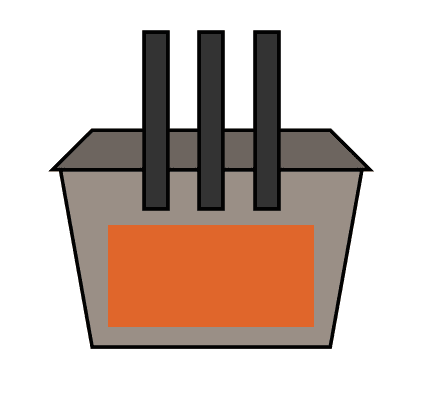
Héroult's steel furnace: a tilting hearth like an open-hearth furnace, lined with dolomite, with two carbon electrodes coming down through the roof. The current goes down one electrode, arcs into the slag, passes through the molten steel and arcs back up the other, so the heat goes straight into the metal.
Result: an electric steel furnace about 7 x 4 ft inside for a 3 ton charge, run at about 350 kW and 110 V.
Source: A. Stansfield, The Electric Furnace, 2nd ed. (1914), pp. 115-116, 214-216. Unknown: case and tilting gear details, electrode size. Picture: a drawn diagram (Fig. 93 is blank in the scan).
ཆེས་མཁས་པ
Unknown
ལམ་སྟོན
1
1
Build the case and lining
Build the case and lining
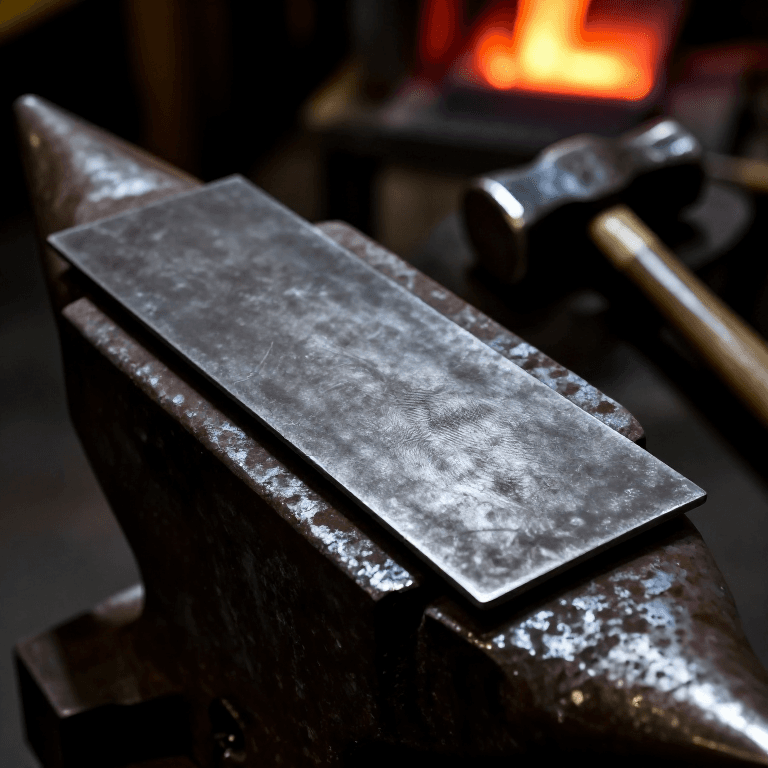
Build the furnace in a steel case on a tilting mounting, about 7 x 4 ft inside, with charging doors at the ends. Line it with dolomite bricks and crushed dolomite; dolomite or magnesite on the hearth, which allows strongly basic slags. Ours: mild steel plate. Not given: the case and tilting gear, the bricks' making.
གོམ་པ་འདིའི་རྫས་རིགས:
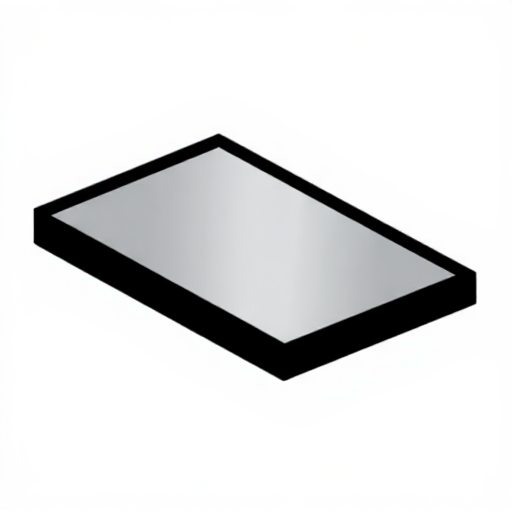 ལྕགས་འཇམ་གྱི་ཤོག་ལེབ་སྟུག།1 case
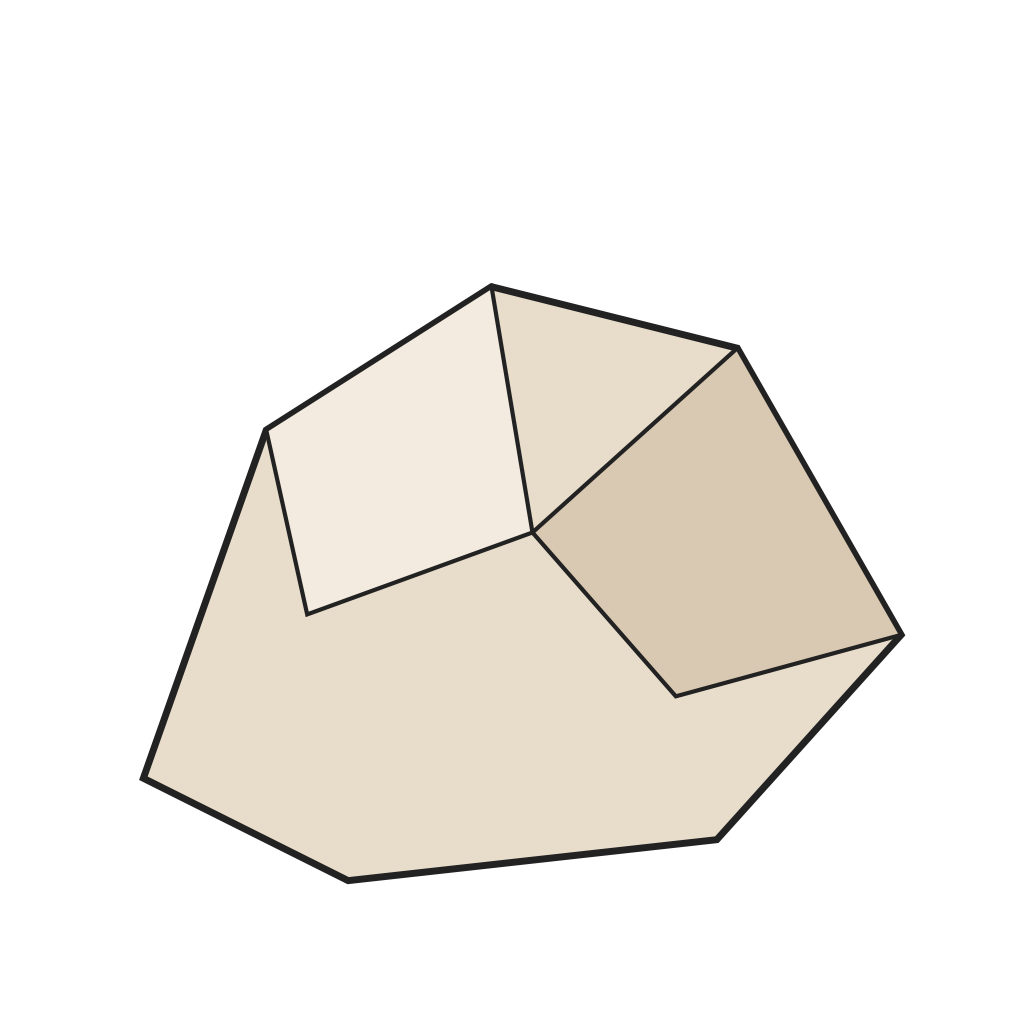 ཌོ་ལོ་མའིཊ། (མེག་ནི་སིཡམ་ཅན་གྱི་རྡོ་ཞ)1 lining and crushed dolomite
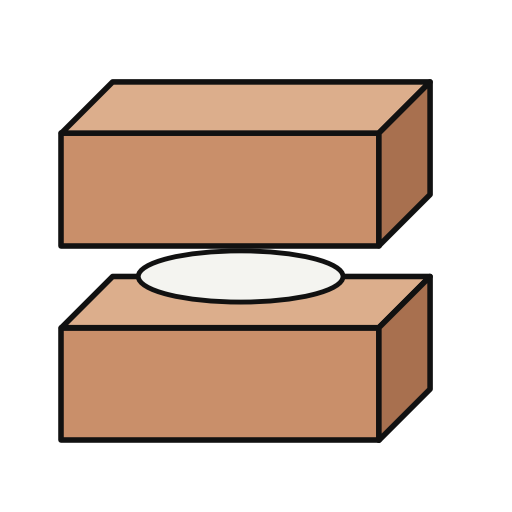 མེག་ནི་སཱའིཊ་རྡོ་ཏོག1 hearth, if magnesite
ལག་ཆས་དགོས་མཁོ:
 ཨག་ཀི་གློག་འཕྲུལ་བཙག་འཕྲུལ།
 རྡོ་བཟོ་བའི་སྐྱོགས།
 མ་ཤེས་པའི་ཚད།
2
2
Make the removable roof
Make the removable roof
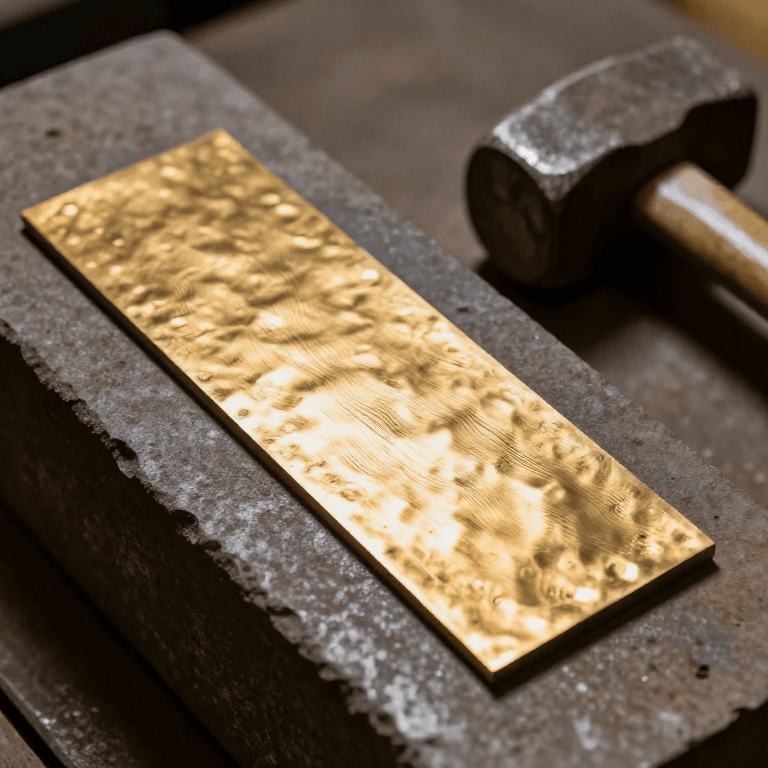
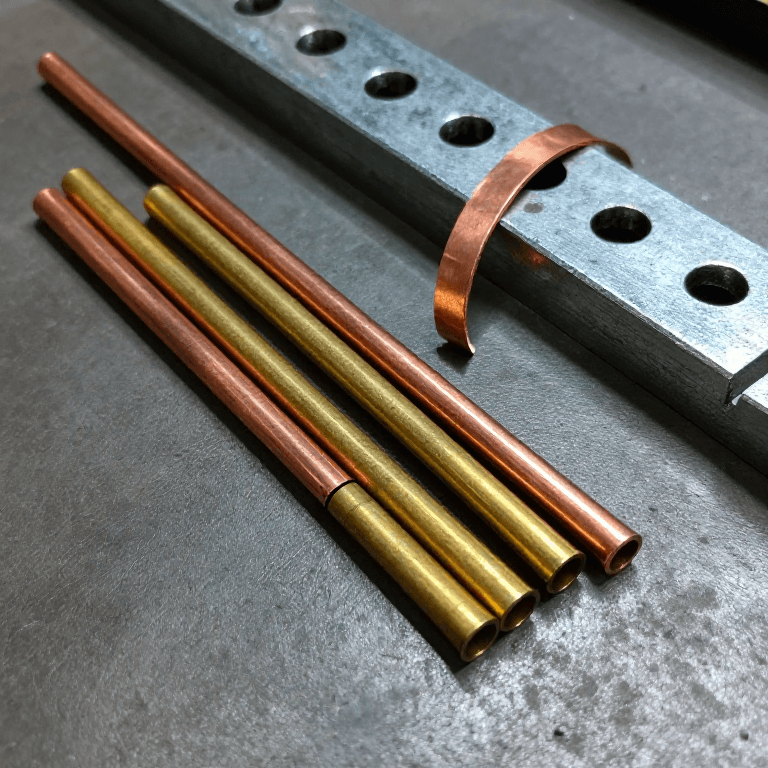
Make the roof of silica brick, covered with steel plates and given eyes so it can be lifted off. Between the two electrode holes use bronze plates instead of steel, because steel there would raise the inductance of the AC circuit. Fit water jackets round each electrode hole for a close fit, so less heat escapes and the electrodes do not burn in the air. Ours: copper tube for the water jackets. Silica brick has no head here.
གོམ་པ་འདིའི་རྫས་རིགས:
 ངོ་མ་ཤེས་པའི་རྒྱུ་ཆ།1 silica brickལྕགས་འཇམ་གྱི་ཤོག་ལེབ་སྟུག།1 roof plates
 ལི་གི་ལེབ་གཞི།1 plates between electrodes
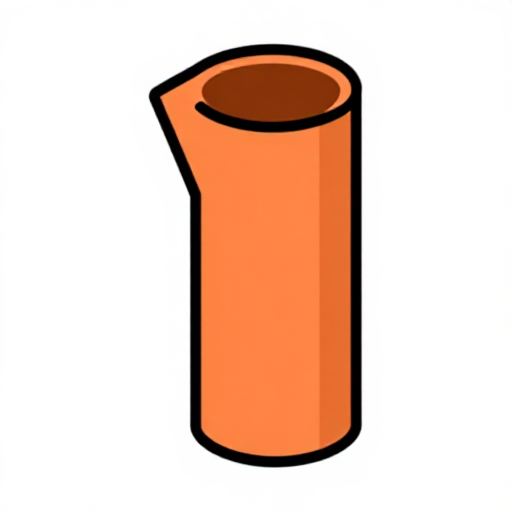 ཟངས་ཀྱི་སྦུག་མ།1 water jackets
ལག་ཆས་དགོས་མཁོ:
ཨག་ཀི་གློག་འཕྲུལ་བཙག་འཕྲུལ། འཁོད་བཞག་ཕུག་འཕྲུལ།
 ཆུ།
3
3
Hang the electrodes
Hang the electrodes
Use two vertical carbon electrodes, square in section. Carry each in a holder on an arm supported by the furnace itself, so its height does not change when the furnace tilts: four contact pieces round the electrode, drawn tight by a steel strap and a screw in the arm, with the cable bolted to them. Raise and lower each electrode separately, by a regulator controlled by the voltage between it and the metal. Not given: electrode size, the regulator's build.
གོམ་པ་འདིའི་རྫས་རིགས:
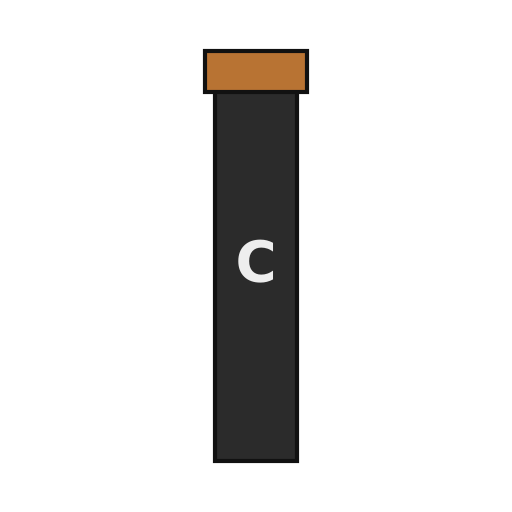 ཀར་བཱོན་གློག་རྩེ།2 electrodes
 མ་ཤེས་པའི་ལྕགས་རིགས།1 holders, arms, contact pieces
ལག་ཆས་དགོས་མཁོ:
འཁོད་བཞག་ཕུག་འཕྲུལ།4
4
Melt and refine a charge
Melt and refine a charge
Charge steel scrap with some iron ore and lime. Keep each electrode a little above the slag, leaving room for its arc. Regulate the current by hand while the scrap melts, then switch to automatic; full power only after about an hour. Pour off the slag and make a second, then a third, with lime and a little sand and fluorspar, before the final additions. At La Praz this took about 350 kW at 110 V: 5 hours for 1.25 tons of low-carbon steel, 8 hours for 2.33 tons of high-carbon steel. Not given: the electric supply.
ལག་ཆས་དགོས་མཁོ:
ཆུ།རྫས་རིགས
8- 1 roof platesས་ཆ་འཛིན
- 1 lining and crushed dolomiteས་ཆ་འཛིན
- 1 hearth, if magnesiteས་ཆ་འཛིན
- 1 silica brickས་ཆ་འཛིན
- 1 plates between electrodesས་ཆ་འཛིན
- 1 water jacketsས་ཆ་འཛིན
- 2 electrodesས་ཆ་འཛིན
- 1 holders, arms, contact piecesས་ཆ་འཛིན
མཐུད་སྦྲེལ་བིལུ་པིརིན་ཊི་རྫས་རིགས

བིལུ་པིརིན་ཊི་འདི་གིས་བཟོ་མི
CC0 སྤྱི་དབང
བིལུ་པིརིན་ཊི་འདི་CC0 འོག་བཀྲམས་ཡོད། ཁྱེད་རང་གིས་ཆོག་མཆན་མ་བཞེས་པར་ཕབ་ལེན་དང་བཟོ་བཅོས། བགོ་བཤའ། དགོས་མཁོ་གང་ལའང་བཀོལ་སྤྱོད་བྱས་ཆོག
བཟོ་མཁན་ལ་རྒྱབ་སྐྱོར་བྱེད་པའི་ཆེད་ཁོང་ཚོའི་བིལུ་པིརིན་ཊི་བརྒྱུད་ཐོན་སྐྱེད་ཉོ། བཟོ་མཁན་གྱིས བཟོ་མཁན་གྱི་ཁེ་ཕོགས ཚོང་པས་གཏན་འཁེལ་བྱས་པ། ཡང་ན་བིལུ་པིརིན་ཊི་འདིའི་པར་གསར་བཟོས་ཏེ་ཁྱེད་རང་གི་བིལུ་པིརིན་ཊི་ནང་མཐུད་སྦྲེལ་བྱས་ཏེ་ཡོང་སྒོ་བགོ་བཤའ་བྱེད།