སྒྱུ་རྩལ
མཛེས་སྡུག་དང་བདེ་ཐང
བཟོ་རིག
རིག་གནས་དང་ལོ་རྒྱུས
དགའ་སྟོན
ཁོར་ཡུག
ཟས་དང་བཏུང་རྫས
ཕྱིར་འཕྲུལ་རིག
ཚན་རིག
རྩེད་འགྲན
རིག་རྩལ
གྱོན་རུང
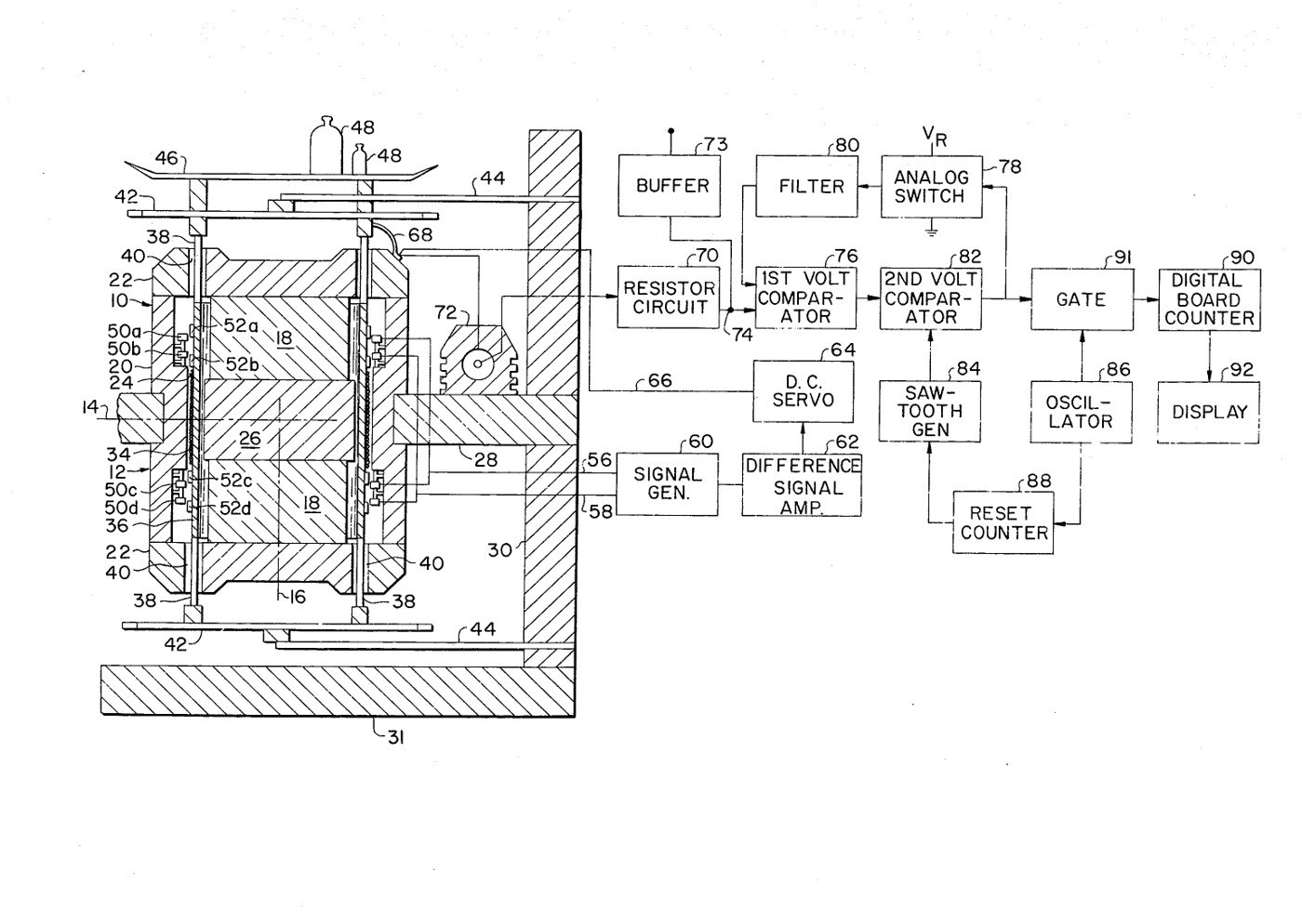


Electronic Analytical Balance: a Coil Current in Place of Weights (Akers et al., 1977)
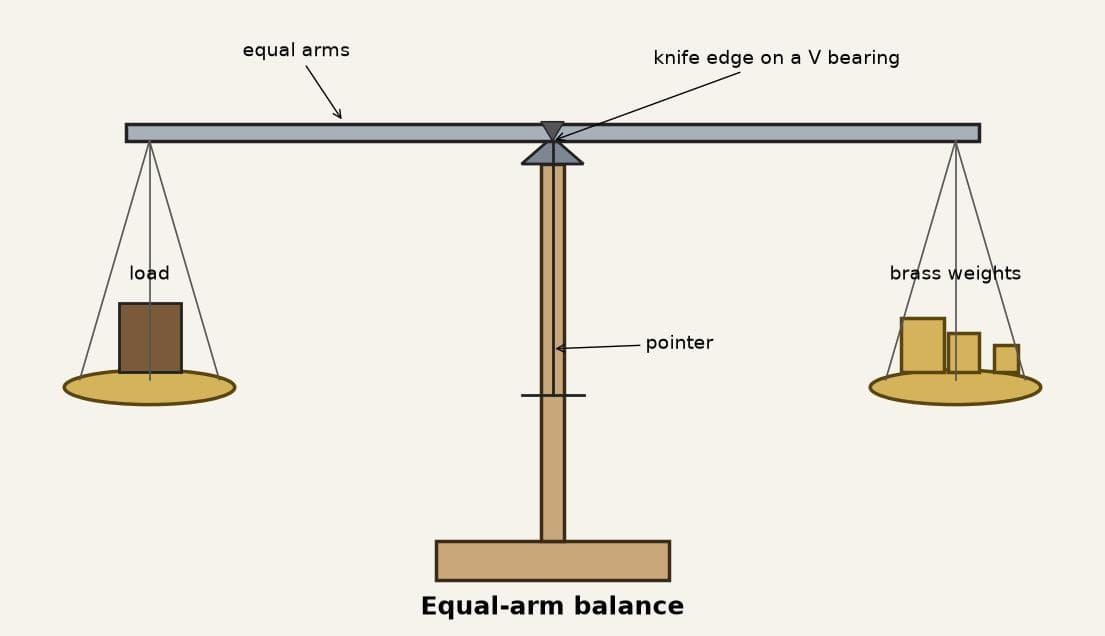
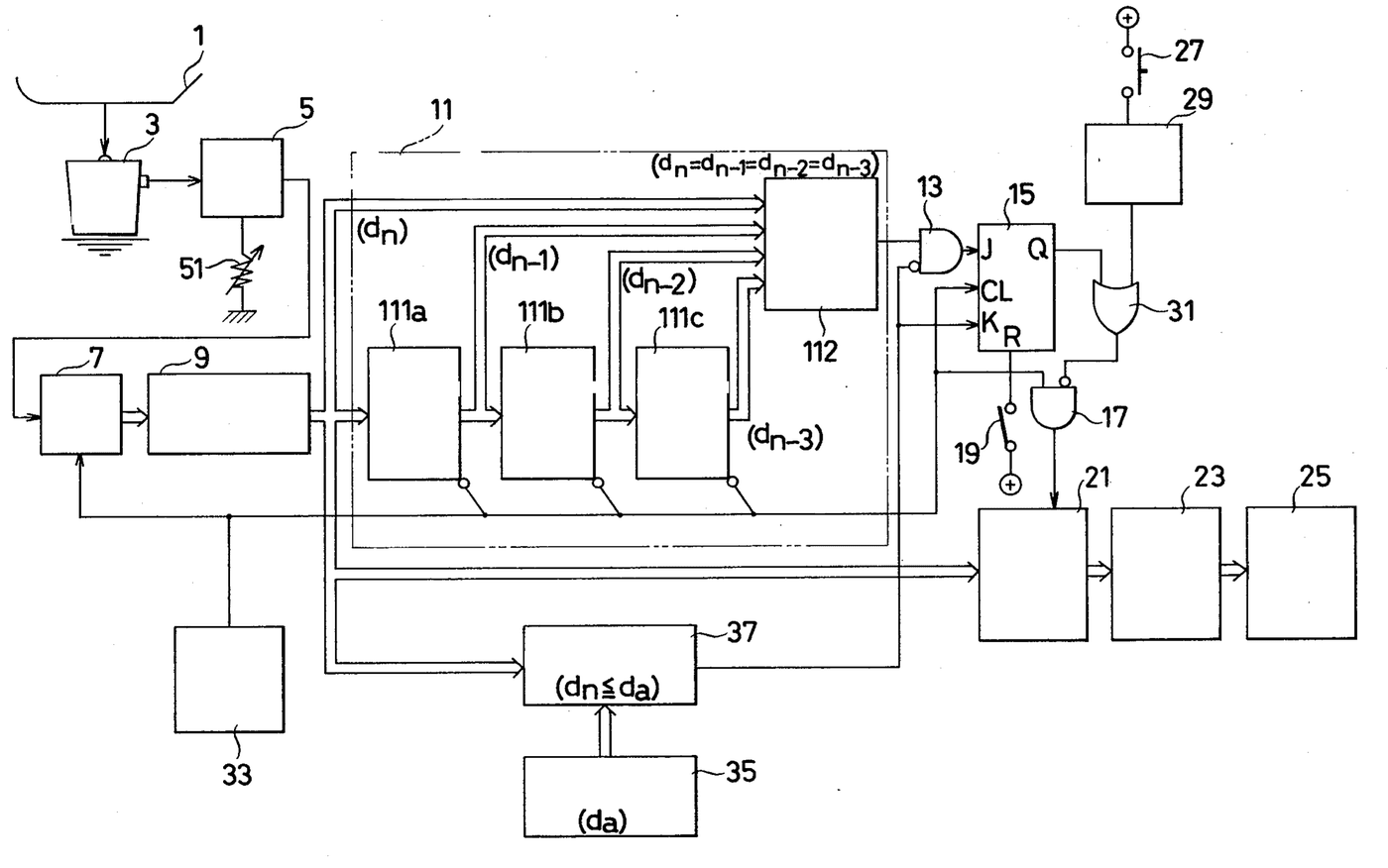
The equal-arm balance with its weights replaced by electricity. The pan sits on a coil in the gap of a permanent magnet. A load pushes it down; capacitor rings sense the smallest movement, and a servo drives just enough current through the coil to lift it back to its rest position. That current is the weight.
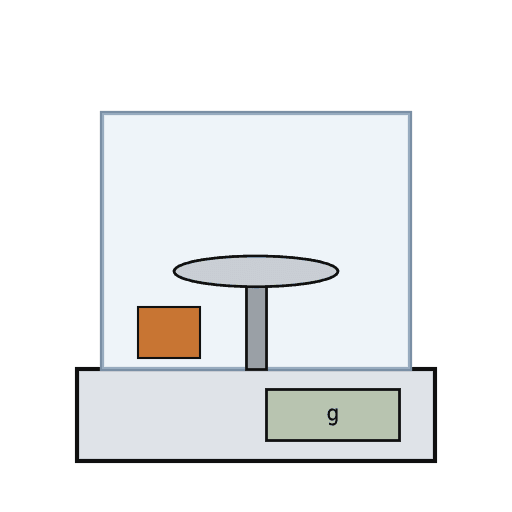
Result: a balance that reads the weight in grams or ounces on a digital display, with no weights to handle, and tare by its circuit.
Source: C. B. Akers and others (Arbor Laboratories), US Patent 4,034,819 (1977). Unknown: the resolution, capacity, magnet type, materials and sizes; the circuits are given as blocks only. Picture: patent drawing.
མཐོ་རིམ
2 weeks
ལམ་སྟོན
1
1
Build the magnet circuit
Build the magnet circuit
Stack permanent magnets into a column with a soft iron core. Enclose them in an annular outer housing with end caps, shaped so the field crosses a narrow annular air gap at a constriction. Keep the whole structure symmetrical about its vertical axis. Mount it on a support plate fixed to an upright, such as a housing panel on a base. Not given: the magnet type, materials and sizes.
གོམ་པ་འདིའི་རྫས་རིགས:
 ཁབ་ལེན།1 column
 ལྕགས་ཀྱི་དབྱུག་པ་སྒོར་སྒོར།1 soft iron core
 མ་ཤེས་པའི་ལྕགས་རིགས།1 housing and end caps
 ངོ་མ་ཤེས་པའི་རྒྱུ་ཆ།1 support plate, panel, base
ལག་ཆས་དགོས་མཁོ:
 སྒྲོག་བསྐོར་ཆས་ཆ་ཚང་།
 མ་ཤེས་པའི་ཚད།
2
2
Hang the coil in the gap
Hang the coil in the gap
Wind the coil tightly round the middle of a light bobbin that surrounds the core, the coil sitting in the air gap. Tabs at both ends of the bobbin pass out through holes in the end caps to suspension frames. Hang the frames from thin springy cantilevers fixed to the upright, so the bobbin can only move a short way straight up and down. Keep the bobbin and its suspension as light as possible. Put the weighing pan on top. Ours: enamelled wire.
གོམ་པ་འདིའི་རྫས་རིགས:
 ཨེ་ན་མཱེལ་བྱུགས་པའི་ཟངས་སྐུད།1 coilངོ་མ་ཤེས་པའི་རྒྱུ་ཆ།1 bobbin, frames, cantilevers
 སྲང་གི་སྡེར1 དུམ་བུ།
ལག་ཆས་དགོས་མཁོ:
མ་ཤེས་པའི་ཚད།3
3
Fit the capacitor rings
Fit the capacitor rings
Mount four capacitor rings inside the outer housing, two above and two below the air gap, facing matching rings on the bobbin. Cross-connect them so a tilt of the bobbin cancels out and only up-and-down movement shows. Connect them to a signal generator: as the bobbin moves, one set's capacitance rises and the other's falls, and the difference becomes the control voltage.
གོམ་པ་འདིའི་རྫས་རིགས:
མ་ཤེས་པའི་ལྕགས་རིགས།1 rings IC1 sensing circuit
 མཐུད་ནིའི་ལྕགས་སྐུད།1 དུམ་བུ།
 ཞ་སྦྱར་རྫས་ཀྱི་སྐུད་པ1 a little
ལག་ཆས་དགོས་མཁོ:
 ཞ་བཏབ་ནིའི་ལྕགས།
4
4
Close the servo loop and read the current
Close the servo loop and read the current
Feed the control voltage to a d.c. servo that drives current through the coil, through a flexible lead, until the bobbin is back at its rest position. Pass that current through a large stable resistor, a thermal resistor that corrects for temperature and a calibration potentiometer: the voltage across them stands for the weight. A separate circuit (comparators, saw-tooth generator, oscillator and counter) turns it into a count read out as grams or ounces. Tare is ordinary circuit logic. Ours: a segment LCD; check with calibration weights.
གོམ་པ་འདིའི་རྫས་རིགས:
IC1 servo and counting circuits འགོག་ཤུགས།2 stable resistor, thermal resistor
 པོ་ཊེན་ཤོ་མི་ཊར།1 calibration
 ཆ་ཤས་ཅན་གྱི་ཤེལ་རྡོ་ཆུ་ཅན་གསལ་སྟོན།1 displayཞ་སྦྱར་རྫས་ཀྱི་སྐུད་པ1 a little
ལག་ཆས་དགོས་མཁོ:
ཞ་བཏབ་ནིའི་ལྕགས། ཚད་བསྒྲིག་ལྗིད་རྡོའི་ཆ་ཚན།
རྫས་རིགས
12- 1 columnས་ཆ་འཛིན
- 1 soft iron coreས་ཆ་འཛིན
- 1 ringsས་ཆ་འཛིན
- 1 bobbin, frames, cantileversས་ཆ་འཛིན
- ས་ཆ་འཛིན
- 1 དུམ་བུ།ས་ཆ་འཛིན
- 1 servo and counting circuitsས་ཆ་འཛིན
- 1 དུམ་བུ།ས་ཆ་འཛིན
- 2 a littleས་ཆ་འཛིན
- 2 stable resistor, thermal resistorས་ཆ་འཛིན
- ས་ཆ་འཛིན
- 1 displayས་ཆ་འཛིན
ལག་ཆས་དགོས་མཁོ
4- ས་ཆ་འཛིན
- ས་ཆ་འཛིན
- 2 vendors sell this, none ship to you yetས་ཆ་འཛིན
- ས་ཆ་འཛིན
མཐུད་སྦྲེལ་བིལུ་པིརིན་ཊི་རྫས་རིགས
བིལུ་པིརིན་ཊི་འདི་གིས་བཟོ་མི
འབྲེལ་ཡོད་བིལུ་པིརིན་ཊི
བིལུ་པིརིན་ཊི་འདི་ཚུ་ཐབས་ལམ་དང་རྫས་རིགས། སྤྱི་ཆོས་བགོ་བཤའ་བྱེད
CC0 སྤྱི་དབང
བིལུ་པིརིན་ཊི་འདི་CC0 འོག་བཀྲམས་ཡོད། ཁྱེད་རང་གིས་ཆོག་མཆན་མ་བཞེས་པར་ཕབ་ལེན་དང་བཟོ་བཅོས། བགོ་བཤའ། དགོས་མཁོ་གང་ལའང་བཀོལ་སྤྱོད་བྱས་ཆོག
བཟོ་མཁན་ལ་རྒྱབ་སྐྱོར་བྱེད་པའི་ཆེད་ཁོང་ཚོའི་བིལུ་པིརིན་ཊི་བརྒྱུད་ཐོན་སྐྱེད་ཉོ། བཟོ་མཁན་གྱིས བཟོ་མཁན་གྱི་ཁེ་ཕོགས ཚོང་པས་གཏན་འཁེལ་བྱས་པ། ཡང་ན་བིལུ་པིརིན་ཊི་འདིའི་པར་གསར་བཟོས་ཏེ་ཁྱེད་རང་གི་བིལུ་པིརིན་ཊི་ནང་མཐུད་སྦྲེལ་བྱས་ཏེ་ཡོང་སྒོ་བགོ་བཤའ་བྱེད།