སྒྱུ་རྩལ
མཛེས་སྡུག་དང་བདེ་ཐང
བཟོ་རིག
རིག་གནས་དང་ལོ་རྒྱུས
དགའ་སྟོན
ཁོར་ཡུག
ཟས་དང་བཏུང་རྫས
ཕྱིར་འཕྲུལ་རིག
ཚན་རིག
རྩེད་འགྲན
རིག་རྩལ
གྱོན་རུང
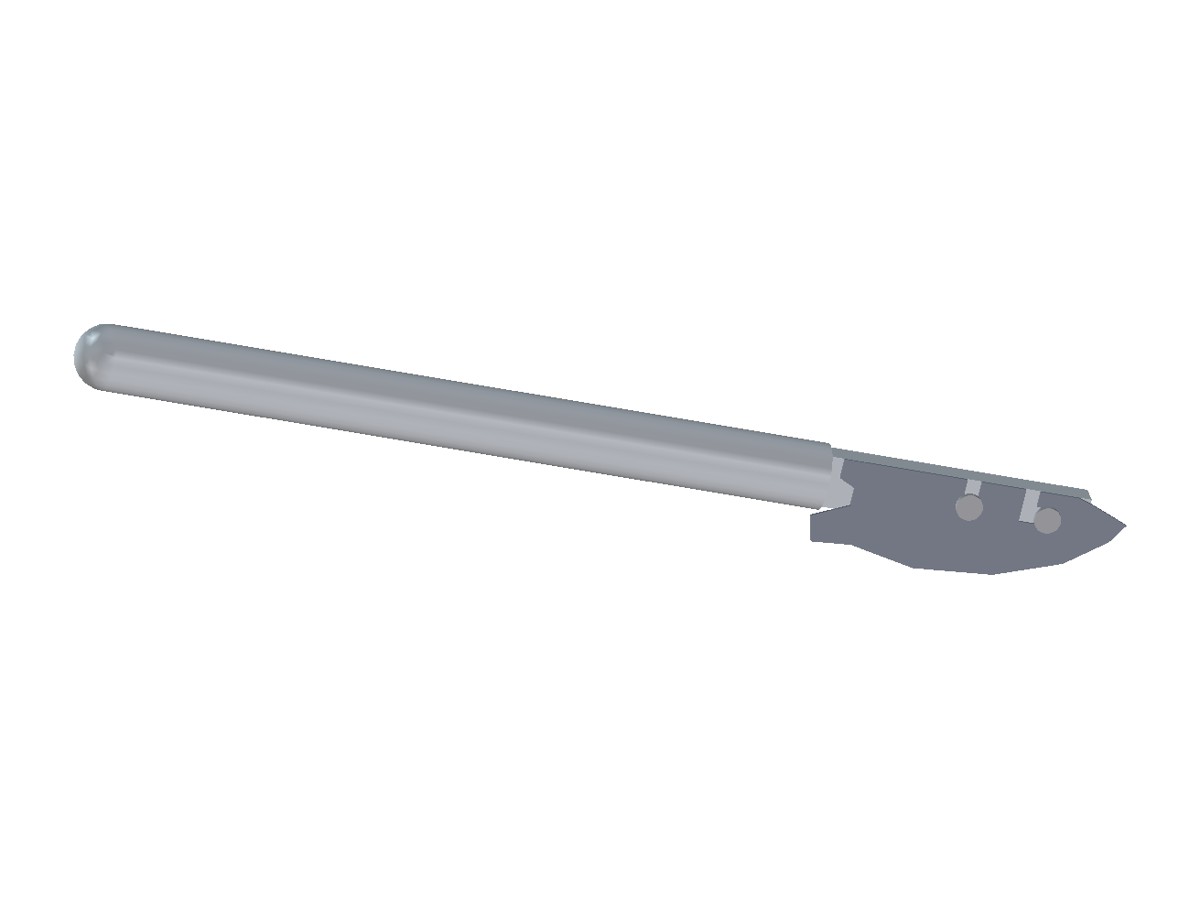


Scalpel: a Thin Flexible Blade Held on Two Studs and Snapped Behind a Wall (after Parker, 1915)
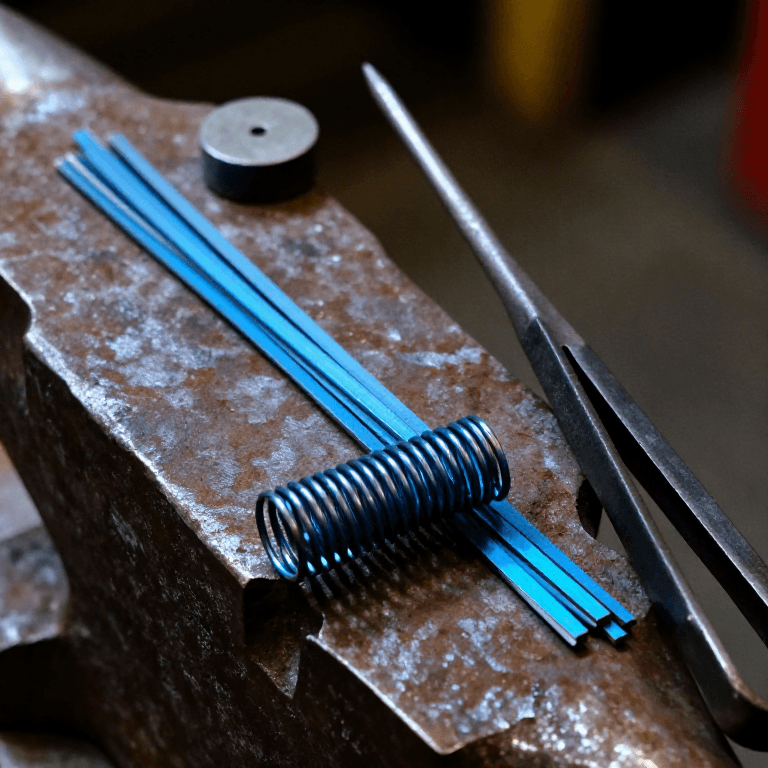
A scalpel with replaceable blades: a stainless handle filed to a flat tongue with two headed studs, and thin spring-steel blades with two slots in the back. Hook a blade on the front stud, swing it onto the rear one and it snaps into place, flexed tight against the tongue. Morgan Parker patented this detachable surgical blade in 1915.
བར་མ
About 4 hours
ལམ་སྟོན
1
1
Putting a blade on and taking it off
Putting a blade on and taking it off
The right and wrong way to fit and remove a scalpel blade (Apprentice Doctor MedSkills).
2
2
Parker's detachable blade, 1915
Parker's detachable blade, 1915
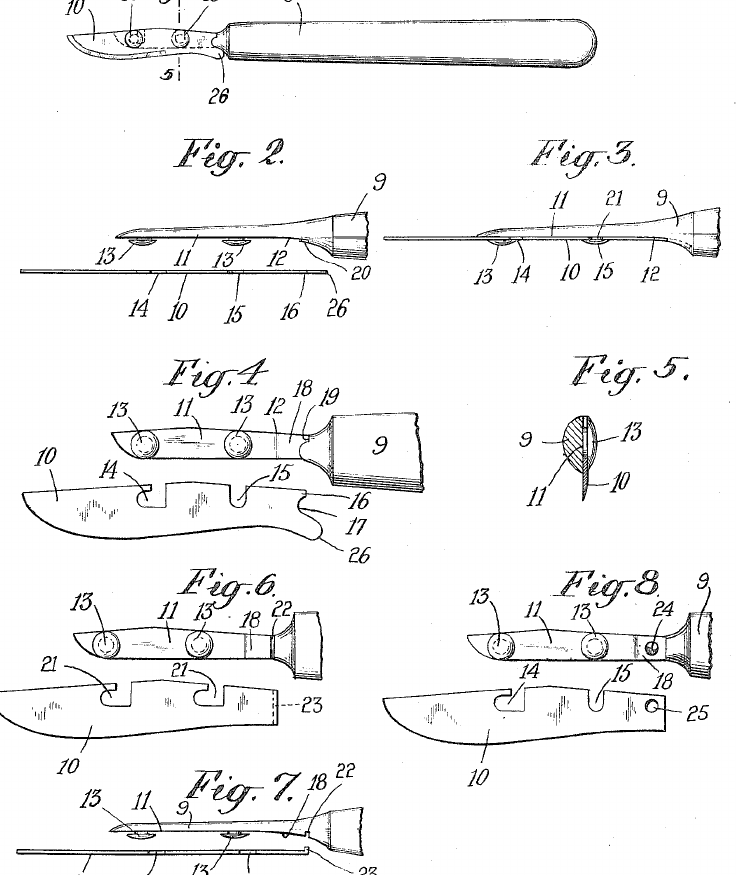
US 1,139,796: the handle 9 ends in a flat supporting surface 11 with two headed studs 13, inclined slightly at 18 near the handle. The thin, slightly flexible blade 10 has an L-slot 14 and a straight slot 15 in its back. Hook it on a stud, turn it until the other slot meets its stud: the incline flexes it, and its projection 16 snaps behind the wall 20.
3
3
Print the drawing
Print the drawing
Blade, tongue and studs at 1:1. Print at 100 % and check the 50 x 10 mm box.
4
4
Make the handle and tongue
Make the handle and tongue
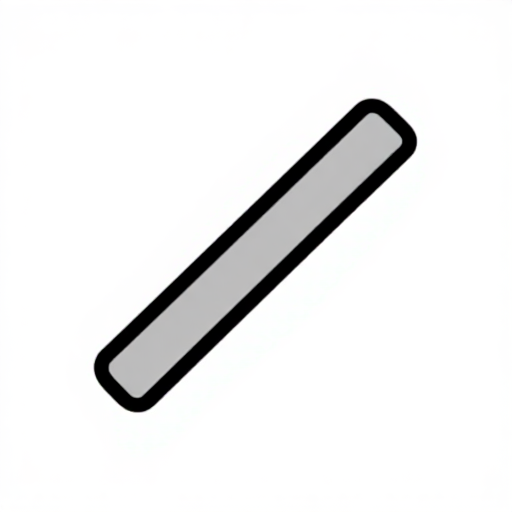
Cut 150 mm of 10 mm stainless bar. File the first 40 mm down to a flat tongue 8 mm high and 4 mm thick, centred. On the blade side, from 30 mm to the handle, let the face rise 0.6 mm; then file it 0.5 mm lower from 33 to 38 mm, leaving a square wall at 38 mm. Round the other end.
གོམ་པ་འདིའི་རྫས་རིགས:
 ཁ་ཟེ་མི་ཆགས་པའི་ལྕགས་ཀྱི་དབྱུག་གུ1 piece (10 mm, 150 mm)
ལག་ཆས་དགོས་མཁོ:
 ལྕགས་གཏུབ་སོག་ལེ།
 ལྕགས་ཀྱི་དར་མ།
 ལས་ཅོག་གི་འཛིན་ཆས།
 ཨང་རྟགས་ཚད་འཇལ་ཆས་ ཨིནཅི 6
5
5
Fit the studs
Fit the studs
Drill 2 mm through the tongue at 6 and 18 mm from the tip, 4 mm up. Push in 2 mm stainless wire, a 0.4 mm feeler blade between the tongue and where each head will be, and peen a head about 4 mm across on the blade side; peen the other side flush. Pull the feeler out: each head now stands off by exactly a blade's thickness.
གོམ་པ་འདིའི་རྫས་རིགས:
 ཟིལ་མི་ཆགས་པའི་ལྕགས་སྐུད།1 piece (2 mm, 20 mm)
ལག་ཆས་དགོས་མཁོ:
 དབུས་ཀྱི་རྟགས་ཆས།
 ཕུག་མགོའི་ཚོགས་ཆས།
 འཁོད་བཞག་ཕུག་འཕྲུལ།
 མགོ་སྒོར་སྒོར་གྱི་ཐོ་བ།
 བར་སྟོང་ཚད་འཇལ་ཆས་ཆ་ཚང་།ལས་ཅོག་གི་འཛིན་ཆས།
6
6
Cut the blades
Cut the blades
Stick the blade outline on 0.4 mm spring steel strip, cut it out with a cutting disc and file the outline. Cut the two 2.2 mm slots and the notch behind the projection with the disc and a needle file. Grind and hone the curved belly to an edge, keeping the steel cool. Make several.
གོམ་པ་འདིའི་རྫས་རིགས:
 ལྕགས་ཀྱི་ཐིག་ལེབ (སི་པིང་ལྕགས། སྲབ་མོ)1 piece (0.4 mm, 20 x 60 mm per blade)
ལག་ཆས་དགོས་མཁོ:
 འཁོར་བའི་ལག་ཆས (Dremel རིགས)
 ཁབ་དར་མའི་ཚོགས་ཆས།
 རྣོ་བཟོའི་རྡོ།
 ཉེན་སྲུང་མིག་ཤེལ།
7
7
Fit and use
Fit and use
Lay the blade on the tongue, hook the L-slot on the front stud, swing the blade back until the straight slot drops on the rear stud, and push it home: the projection clicks behind the wall. To take it off, press the finger piece out over the wall and swing the blade forward off the studs. Never push a blade on or off towards your fingers.
8
8
Troubleshooting
Troubleshooting
Scalpel problems and fixes.
Flow
Loading...
9
9
History and honest limits
History and honest limits
Morgan Parker, Newport, Rhode Island: US 1,139,796, "Detachable-Blade Knife", filed 21 April 1914, granted 18 May 1915. Ours: every size, the stainless handle, the spring-steel blades and the feeler-gauge way of setting the stud heads. Home-made blades are not sterile and are not for use on people; they are for dissection, taxidermy, sections and culture work. Not made by us yet.
རྫས་རིགས
3- 1 piece (10 mm, 150 mm)ས་ཆ་འཛིན
- 1 piece (2 mm, 20 mm)ས་ཆ་འཛིན
- 1 piece (0.4 mm, 20 x 60 mm per blade)ས་ཆ་འཛིན
ལག་ཆས་དགོས་མཁོ
13- ས་ཆ་འཛིན
- ས་ཆ་འཛིན
- ས་ཆ་འཛིན
- ས་ཆ་འཛིན
- ས་ཆ་འཛིན
- ས་ཆ་འཛིན
- ས་ཆ་འཛིན
- ས་ཆ་འཛིན
- ས་ཆ་འཛིན
- ས་ཆ་འཛིན
- ས་ཆ་འཛིན
- ས་ཆ་འཛིན
- ས་ཆ་འཛིན
བཟོ་བཀོད་ཡིག་སྣོད།
1མཐུད་སྦྲེལ་བིལུ་པིརིན་ཊི་རྫས་རིགས
བིལུ་པིརིན་ཊི་འདི་གིས་བཟོ་མི

CC0 སྤྱི་དབང
བིལུ་པིརིན་ཊི་འདི་CC0 འོག་བཀྲམས་ཡོད། ཁྱེད་རང་གིས་ཆོག་མཆན་མ་བཞེས་པར་ཕབ་ལེན་དང་བཟོ་བཅོས། བགོ་བཤའ། དགོས་མཁོ་གང་ལའང་བཀོལ་སྤྱོད་བྱས་ཆོག
བཟོ་མཁན་ལ་རྒྱབ་སྐྱོར་བྱེད་པའི་ཆེད་ཁོང་ཚོའི་བིལུ་པིརིན་ཊི་བརྒྱུད་ཐོན་སྐྱེད་ཉོ། བཟོ་མཁན་གྱིས བཟོ་མཁན་གྱི་ཁེ་ཕོགས ཚོང་པས་གཏན་འཁེལ་བྱས་པ། ཡང་ན་བིལུ་པིརིན་ཊི་འདིའི་པར་གསར་བཟོས་ཏེ་ཁྱེད་རང་གི་བིལུ་པིརིན་ཊི་ནང་མཐུད་སྦྲེལ་བྱས་ཏེ་ཡོང་སྒོ་བགོ་བཤའ་བྱེད།