སྒྱུ་རྩལ
མཛེས་སྡུག་དང་བདེ་ཐང
བཟོ་རིག
རིག་གནས་དང་ལོ་རྒྱུས
དགའ་སྟོན
ཁོར་ཡུག
ཟས་དང་བཏུང་རྫས
ཕྱིར་འཕྲུལ་རིག
ཚན་རིག
རྩེད་འགྲན
རིག་རྩལ
གྱོན་རུང
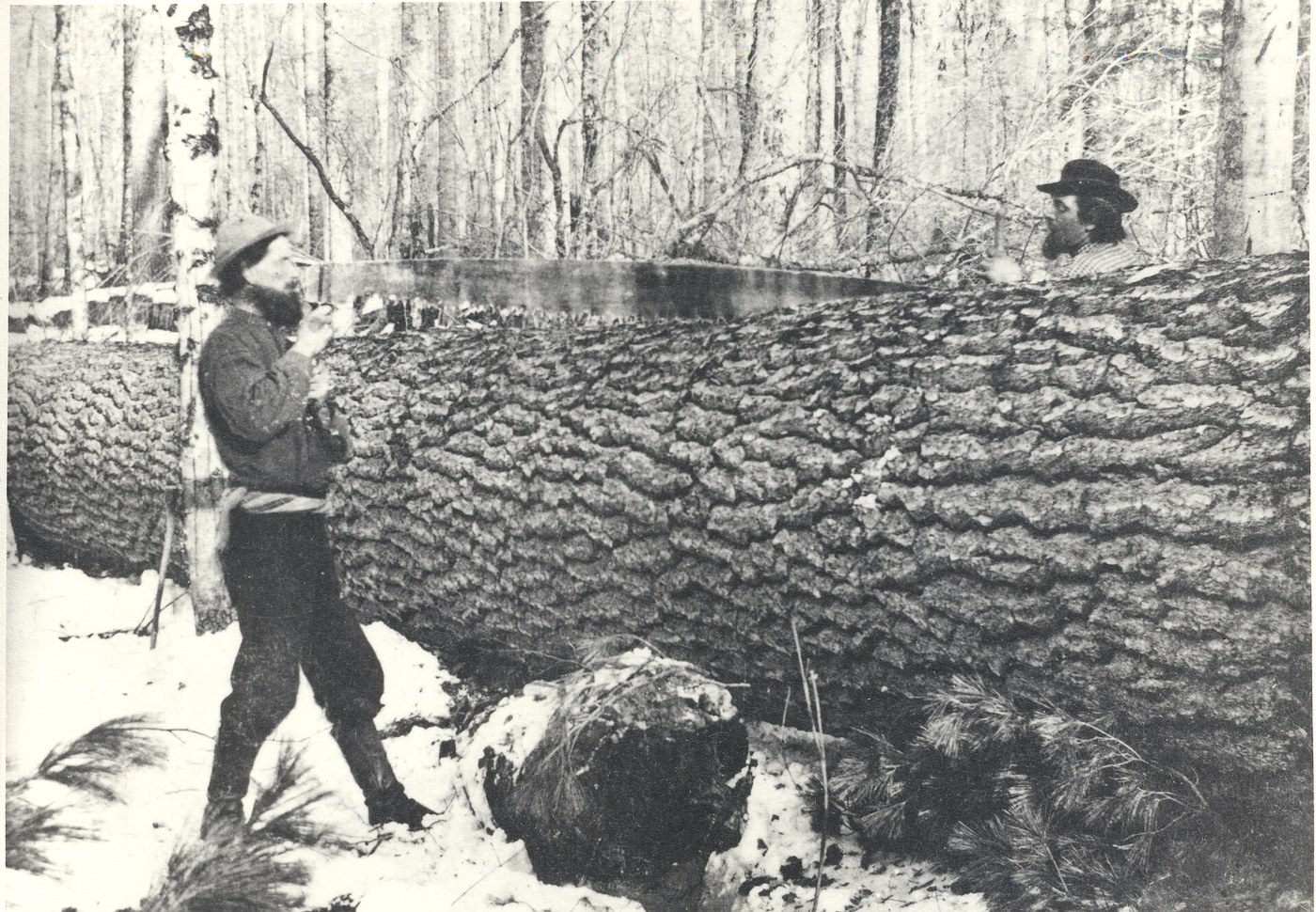


Two-Man Crosscut Saw: Bellied Blade, Scorers and Cleaners
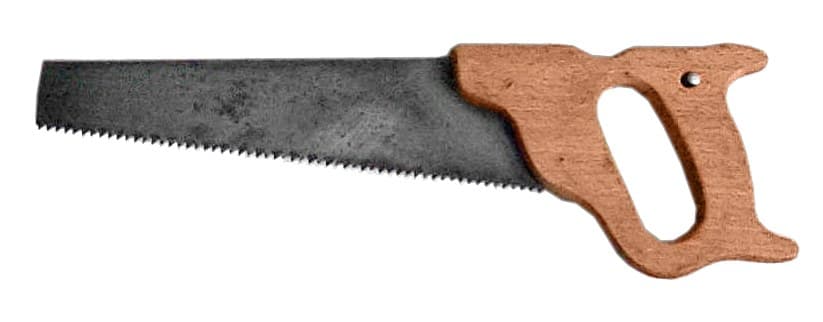
The two-man crosscut saw cuts a log across the grain, a handle at each end. Grimshaw (1882) describes it: the blade is twice as wide in the middle as at the ends, for stiffness and for the wear there; scorer teeth cut the fibres at both sides of the kerf, and slightly shorter cleaner teeth plough out the wood between.
The picture: two men bucking a white pine log with a crosscut saw, about the 1890s.
མཐོ་རིམ
Several days
ལམ་སྟོན
1
1
Shear the bellied plate
Shear the bellied plate
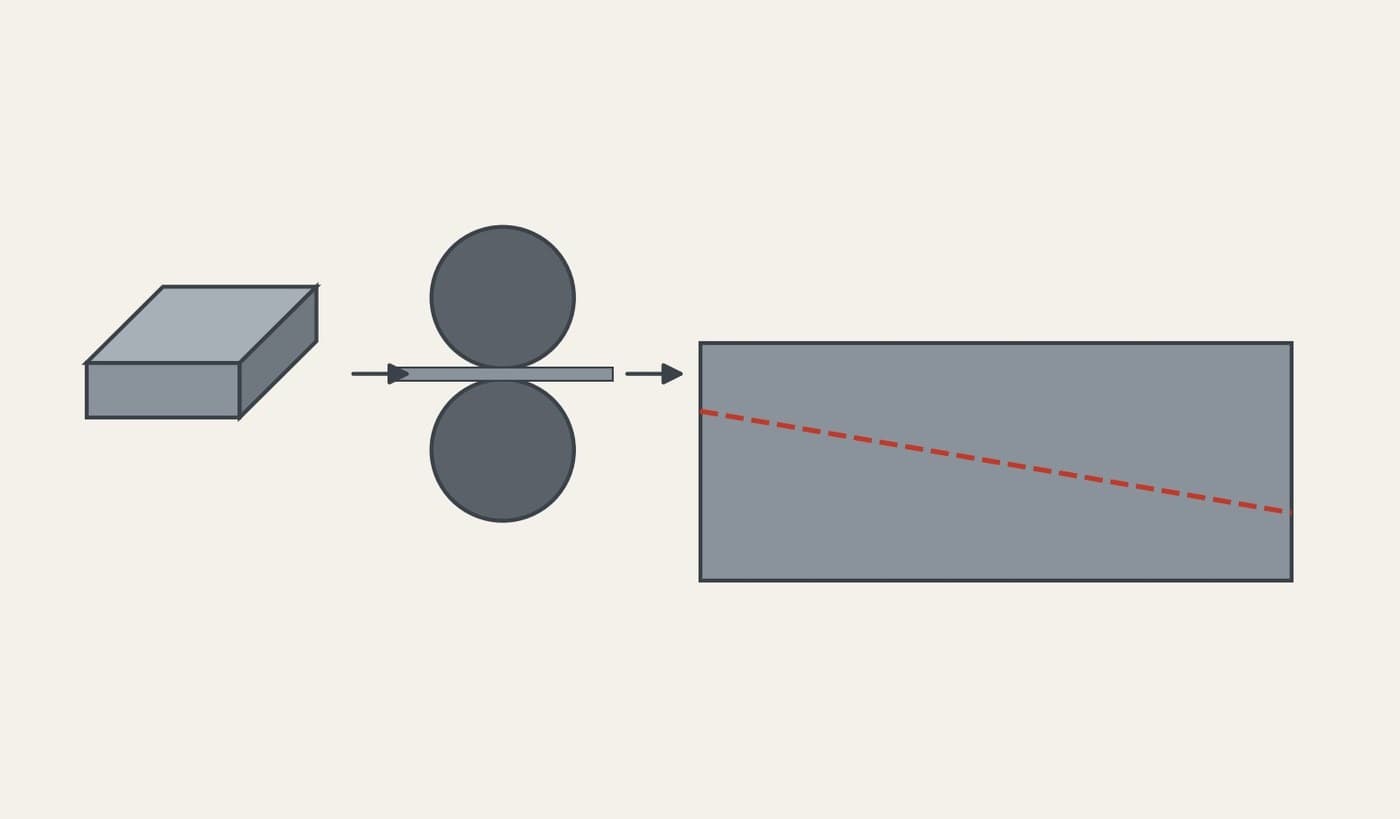
Shear rolled saw plate to the outline: straight back, toothed edge curving out so the middle is twice as wide as the ends (Grimshaw).
གོམ་པ་འདིའི་རྫས་རིགས:
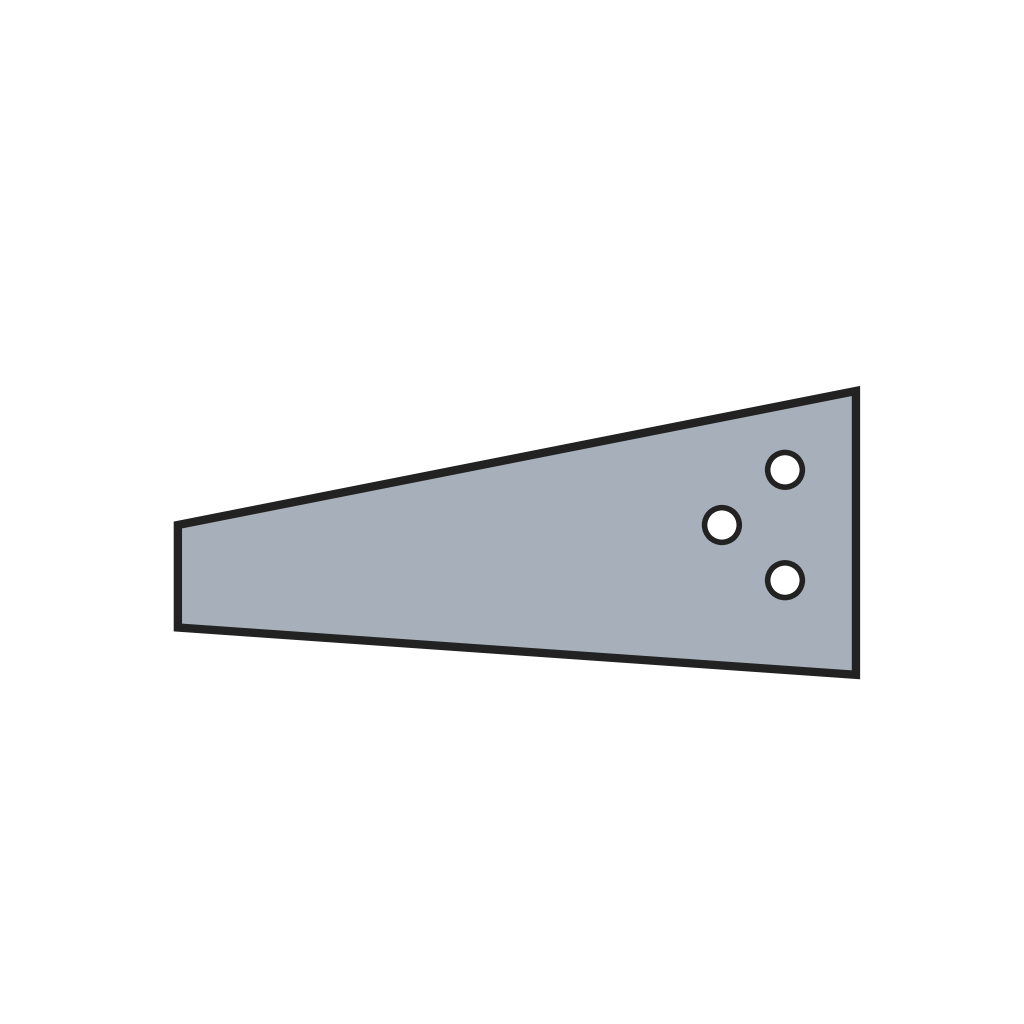 སོག་ལེབ་ཀྱི་ལྕགས་ཁར་ལེབ་ཏེ།1 དུམ་བུ།
ལག་ཆས་དགོས་མཁོ:
 ལྕགས་ལེབ་གཏུབ་ཇེམ།
 ཚག་གི་ལག་ཤུབས།
 ཉེན་སྲུང་མིག་ཤེལ།
2
2
Punch the teeth
Punch the teeth
Punch the teeth with shaped dies in the press: groups of scorers with a cleaner between, the cleaners a little shorter. Cut the gullets near the middle deeper than at the ends.
ལག་ཆས་དགོས་མཁོ:
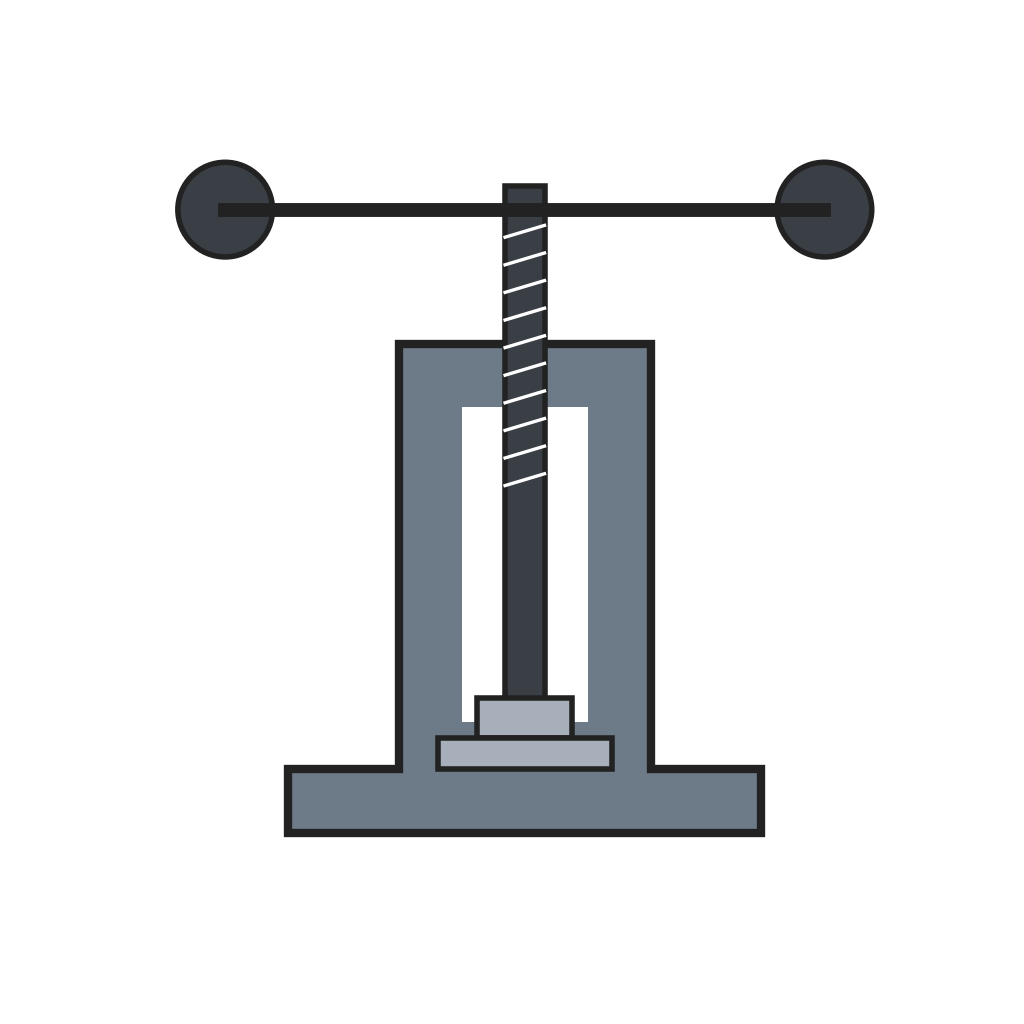 སོག་སོ་བུག་གནོན་འཕྲུལ།ཚག་གི་ལག་ཤུབས།ཉེན་སྲུང་མིག་ཤེལ།
3
3
Harden
Harden
Heat the toothed plate evenly to a light cherry red and plunge it into a bath of oil, tallow, rosin and beeswax (Grimshaw; his oil was whale oil, ours is lard oil). It comes out as brittle as glass.
ལག་ཆས་དགོས་མཁོ:
 མགར་བའི་ཐབ་ཁུང་།
 མགར་བའི་ལག་བཟུང་།
 གཏུབ་སྣུམ།
 སེམས་ཅན་གྱི་ཚིལ།
 ཐང་ཤིང་གི་རོ་ཛིན
 སྦྲང་ཞུན།ཚག་གི་ལག་ཤུབས།ཉེན་སྲུང་མིག་ཤེལ།
4
4
Flatten and temper
Flatten and temper
Scour off the scale and press the plate flat between heated dies until it shows blue, the spring temper (as Grimshaw gives for handsaws).
ལག་ཆས་དགོས་མཁོ:
 ཚ་བཏང་བའི་ལེབ་བཟོ་དཔེ།ཚག་གི་ལག་ཤུབས།ཉེན་སྲུང་མིག་ཤེལ།
5
5
Grind thin at the back
Grind thin at the back
Grind both faces, working from the back toward the teeth, until the back is two to four gauges thinner than the toothed edge, so the blade clears its kerf.
ལག་ཆས་དགོས་མཁོ:
 འཁོར་བའི་གཏར་རྡོཚག་གི་ལག་ཤུབས།ཉེན་སྲུང་མིག་ཤེལ།
6
6
Set and file
Set and file
Set the scorers alternately left and right, file the scorers to points, and file the cleaners square and a little lower.
ལག་ཆས་དགོས་མཁོ:
 སོ་སྒྱུར་ཆས།
 སོག་ལེའི་སོ་བརྡར་ཆས།
7
7
Handles
Handles
Turn two hardwood handles, drill them, and bolt one upright through each end of the blade with a short iron rod peened over (our fitting).
གོམ་པ་འདིའི་རྫས་རིགས:
 སྲ་བའི་ཤིང་གི་ཐག་ལེབ2 དུམ་བུ།
 ལྕགས་འཇམ་གྱི་དབྱུག་ཟླུམ།0.3 m
ལག་ཆས་དགོས་མཁོ:
 ཤིང་གཞུའི་འཁོར་ལོའི་འཕྲུལ་ཆས
 ལག་འཕྲུལ་ཁུང་བཏོན
8
8
Plate for a 6-foot cross-cut
Plate for a 6-foot cross-cut
Jupyter ཚང་དེབ་མངོན་གསལ་འབད་དོ་…
རྫས་རིགས
3- 1 དུམ་བུ།ས་ཆ་འཛིན
- 2 དུམ་བུ།ས་ཆ་འཛིན
- ས་ཆ་འཛིན
ལག་ཆས་དགོས་མཁོ
16- ས་ཆ་འཛིན
- ས་ཆ་འཛིན
- ས་ཆ་འཛིན
- ས་ཆ་འཛིན
- ས་ཆ་འཛིན
- ས་ཆ་འཛིན
- ས་ཆ་འཛིན
- ས་ཆ་འཛིན
- ས་ཆ་འཛིན
- ས་ཆ་འཛིན
- ས་ཆ་འཛིན
- ས་ཆ་འཛིན
- ས་ཆ་འཛིན
- ས་ཆ་འཛིན
- ས་ཆ་འཛིན
- ས་ཆ་འཛིན
བིལུ་པིརིན་ཊི་འདི་གིས་བཟོ་མི

འབྲེལ་ཡོད་བིལུ་པིརིན་ཊི
བིལུ་པིརིན་ཊི་འདི་ཚུ་ཐབས་ལམ་དང་རྫས་རིགས། སྤྱི་ཆོས་བགོ་བཤའ་བྱེད
CC0 སྤྱི་དབང
བིལུ་པིརིན་ཊི་འདི་CC0 འོག་བཀྲམས་ཡོད། ཁྱེད་རང་གིས་ཆོག་མཆན་མ་བཞེས་པར་ཕབ་ལེན་དང་བཟོ་བཅོས། བགོ་བཤའ། དགོས་མཁོ་གང་ལའང་བཀོལ་སྤྱོད་བྱས་ཆོག
བཟོ་མཁན་ལ་རྒྱབ་སྐྱོར་བྱེད་པའི་ཆེད་ཁོང་ཚོའི་བིལུ་པིརིན་ཊི་བརྒྱུད་ཐོན་སྐྱེད་ཉོ། བཟོ་མཁན་གྱིས བཟོ་མཁན་གྱི་ཁེ་ཕོགས ཚོང་པས་གཏན་འཁེལ་བྱས་པ། ཡང་ན་བིལུ་པིརིན་ཊི་འདིའི་པར་གསར་བཟོས་ཏེ་ཁྱེད་རང་གི་བིལུ་པིརིན་ཊི་ནང་མཐུད་སྦྲེལ་བྱས་ཏེ་ཡོང་སྒོ་བགོ་བཤའ་བྱེད།