སྒྱུ་རྩལ
མཛེས་སྡུག་དང་བདེ་ཐང
བཟོ་རིག
རིག་གནས་དང་ལོ་རྒྱུས
དགའ་སྟོན
ཁོར་ཡུག
ཟས་དང་བཏུང་རྫས
ཕྱིར་འཕྲུལ་རིག
ཚན་རིག
རྩེད་འགྲན
རིག་རྩལ
གྱོན་རུང
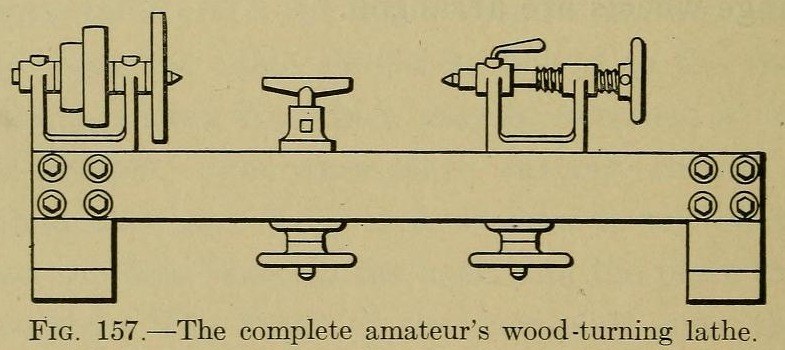

Wood Lathe: Simple Amateur's Lathe with a Maple Bed, 7 in Swing (Lathe Work for Beginners, 1922)
A wood-turning lathe an amateur can build: two strips of hard maple bolted to maple legs make the 3 ft bed, and cast-iron head-stock, tail-stock, hand-rest body, hand wheels and cone pulleys are cast from home-made patterns. Steel spindles turn in the cast-iron bearings, and a cone pulley drives the head-stock from a countershaft.
Result: a wood lathe with a 7 in swing and a 3 ft bed.
Source: R. F. Yates, Lathe Work for Beginners (1922), Chapter XII, pp. 208-216. Unknown: the pattern sizes (on the book's drawings) and the drive. Picture: Fig. 157 of the book.
མཐོ་རིམ
Unknown
ལམ་སྟོན
1
1
Make the patterns and get castings
Make the patterns and get castings
Make patterns from any handy wood: one for both head-stock and tail-stock, with a web joining the two bearings so the casting does not spring; one for the hand wheels (three castings); one for the washers (two); the cone pulley (two: lathe and countershaft); and the hand-rest body. Give them a slight draw taper. Have them cast in iron at a foundry. Not given: pattern sizes (on the book's drawings).
གོམ་པ་འདིའི་རྫས་རིགས:
 ལྕགས་བླུགས་ཀྱི་ཅ་ལ1 head-stock, tail-stock, wheels, washers, pulleys, rest body
ལག་ཆས་དགོས་མཁོ:
 ཤིང་ལེབ།
 ཀིའུ་པོ་ལ་ཐབ
 མ་ཤེས་པའི་ཚད།
2
2
Build the maple bed
Build the maple bed
Make the bed of two strips of clear hard maple 1 in thick, 4 in wide and about 36 in long (about 1 1/2 in thick for a longer bed), and two maple legs, the part between the ways cut exactly square. Bore a 5/8 in hole through the head-stock leg in line with the head-stock's 1/2 in tapped hole, recessed below for a nut and washers. Bolt bed to legs with eight 3/8 in carriage bolts. Sand it and give it a coat of clear shellac against warping. White oak will do if there is no maple.
གོམ་པ་འདིའི་རྫས་རིགས:
 སྲ་བའི་ཤིང་གི་པང་ལེབ་མཐུག་ཏོ1 ways and legs
 མགོ་ཟླུམ་གྱི་བོལ་ཊུ།8 3/8 in carriage bolts
 ཤེལ་ལཱཀ1 finish
ལག་ཆས་དགོས་མཁོ:
 འཁོད་བཞག་ཕུག་འཕྲུལ།
 བྱེ་མའི་ཤོག་ཀུ
3
3
Machine the stocks
Machine the stocks
Face the outside ends of the head-stock and tail-stock bearings on a shaper or milling machine. Drill the bearings between centres in a lathe with a 47/64 in drill, saw off the joining web, face the inner ends and ream to 3/4 in. Line both castings up on a 3/4 in shaft and machine their bottoms. Drill oil holes in the head-stock lugs. Tap the tail-stock front lug 3/16 in for a clamp turned, heated and bent to shape, with soft copper or brass under it; tap the tail-stock rear bearing 7/8 in, 9 threads.
གོམ་པ་འདིའི་རྫས་རིགས:
 མ་ཤེས་པའི་ལྕགས་རིགས།1 clamp and copper pad
ལག་ཆས་དགོས་མཁོ:
 གཤག་གཏུབ་འཁྲུལ་འཁོར།
 ལྕགས་ཀྱི་འཁྲུལ་འཁོར།
 སྐུད་རིས་གཏུབ་ཆས་ཆ་ཚང་།
 མགར་ཐབ།
4
4
Turn the spindles and pulley
Turn the spindles and pulley
Turn the head-stock spindle from 1 3/8 in machine steel: 3/4 in diameter, a 7/8 in nose threaded 9 to the inch, a 3/8 in hole right through and a No. 1 Morse taper in the nose. Turn the tail-stock spindle from 7/8 in stock, 3/4 in diameter with a 7/8 in, 9-thread part. Centre each piece, drill halfway from each end with a 3/8 in drill, ream, then finish between centres. Turn the cone pulley with crowned faces, wide enough to run easily between the bearings, and fix it to the spindle with a 3/8 in headless set screw.
གོམ་པ་འདིའི་རྫས་རིགས:
 ལྕགས་འཇམ་གྱི་ལྕགས་ཕྲེང་སྒོར་སྒོརམ།1 spindlesམ་ཤེས་པའི་ལྕགས་རིགས།1 set screws
ལག་ཆས་དགོས་མཁོ:
ལྕགས་ཀྱི་འཁྲུལ་འཁོར།འཁོད་བཞག་ཕུག་འཕྲུལ།5
5
Fit the wheels and hand rest, and assemble
Fit the wheels and hand rest, and assemble
Drill hand wheel N 3/4 in for the tail-stock spindle and hold it with a 1/4 in set screw; tap the other two wheels 1/2 in. Drill the washers 9/16 in. Bolt the head-stock down with a stud through the leg, and fit a 1/2 in stud about 7 in long for the tail-stock and a 1/2 in square-headed bolt for the hand-rest body. Plane the hand rest's bottom, drill it 3/4 in, and fit tee-rests of 1/4 x 1 in flat steel welded to 3/4 in shafting, held by a 1/4 in set screw; make several lengths. The cast iron serves as bearing metal, or the bearings can be bushed or babbitted.
གོམ་པ་འདིའི་རྫས་རིགས:
 ལྕགས་འཇམ་གྱི་ལེབ་ཤིང་།1 tee-restsམ་ཤེས་པའི་ལྕགས་རིགས།1 studs, bolts, set screws, shafting
ལག་ཆས་དགོས་མཁོ:
འཁོད་བཞག་ཕུག་འཕྲུལ།སྐུད་རིས་གཏུབ་ཆས་ཆ་ཚང་།མགར་ཐབ།རྫས་རིགས
7- 1 head-stock, tail-stock, wheels, washers, pulleys, rest bodyས་ཆ་འཛིན
- 1 ways and legsས་ཆ་འཛིན
- 8 3/8 in carriage boltsས་ཆ་འཛིན
- 1 finishས་ཆ་འཛིན
- 1 studs, bolts, set screws, shaftingས་ཆ་འཛིན
- 1 spindlesས་ཆ་འཛིན
- 1 tee-restsས་ཆ་འཛིན
མཐུད་སྦྲེལ་བིལུ་པིརིན་ཊི་རྫས་རིགས

འབུལ་ལམ 10%
Casting Iron in a Cupola Furnace — Re-Melting Pig Iron into Finished Castings
Piett གྱིས
ལྕགས་བཟོ
༥༠
༠
༠
༠
༦
༠
འབུལ་ལམ 10%
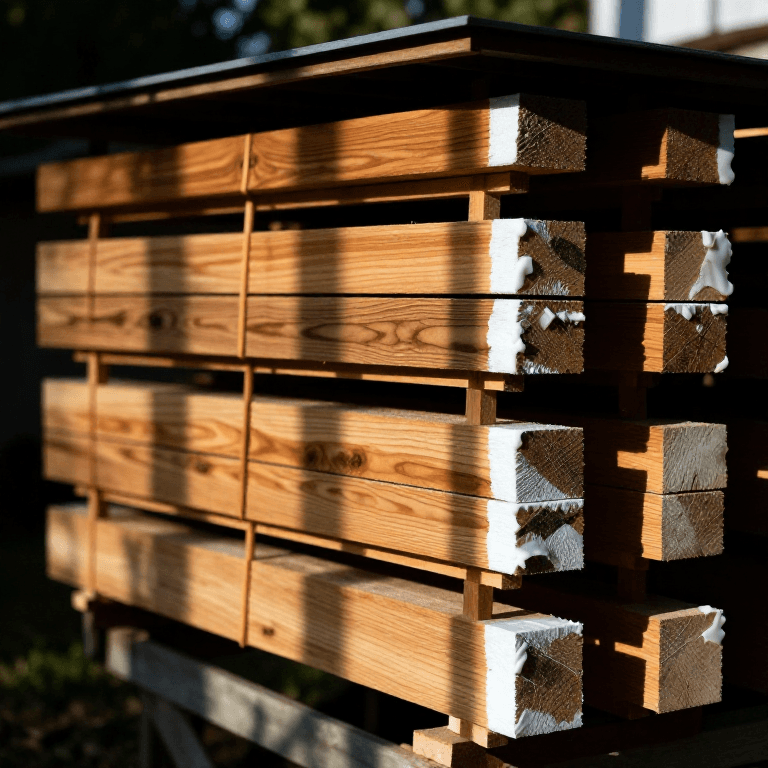
Oak Boards and Blocks, Milled and Air-Dried
Woody གྱིས
ཤིང་བཟོ
༣༩
༠
༠
༠
༣
༠
འབུལ་ལམ 10%
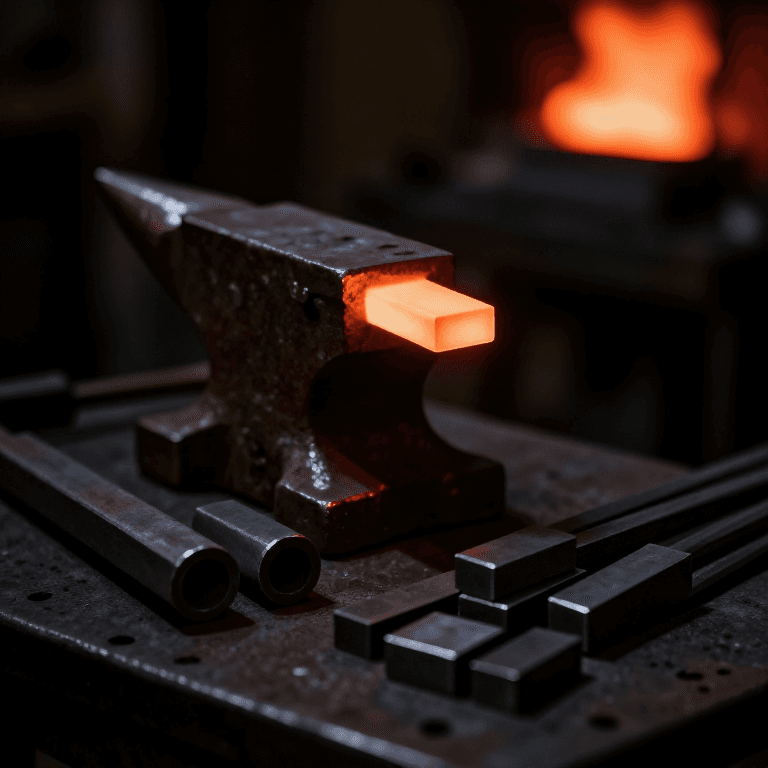
Mild Steel Bar Stock Forged from an Ingot
Forge གྱིས
དེང་རབས
༤༡
༠
༠
༠
༥
༠

འབུལ་ལམ 10%
Shellac Flakes from Stick Lac
Mary གྱིས
ཤིང་བཟོ
༣༢
༠
༠
༠
༡
༠
འབུལ་ལམ 10%
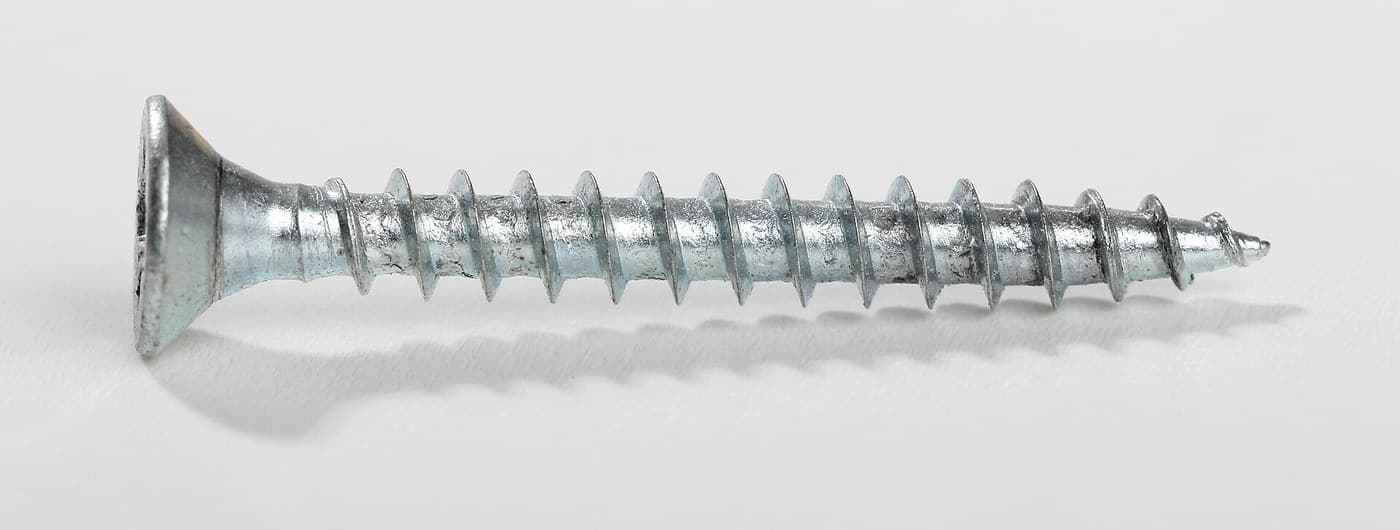
Screws: Cold Headed and Thread Rolled
Emma གྱིས
ལྕགས་བཟོ
༤༦
༠
༠
༠
༡
༠
བིལུ་པིརིན་ཊི་འདི་གིས་བཟོ་མི

CC0 སྤྱི་དབང
བིལུ་པིརིན་ཊི་འདི་CC0 འོག་བཀྲམས་ཡོད། ཁྱེད་རང་གིས་ཆོག་མཆན་མ་བཞེས་པར་ཕབ་ལེན་དང་བཟོ་བཅོས། བགོ་བཤའ། དགོས་མཁོ་གང་ལའང་བཀོལ་སྤྱོད་བྱས་ཆོག
བཟོ་མཁན་ལ་རྒྱབ་སྐྱོར་བྱེད་པའི་ཆེད་ཁོང་ཚོའི་བིལུ་པིརིན་ཊི་བརྒྱུད་ཐོན་སྐྱེད་ཉོ། བཟོ་མཁན་གྱིས བཟོ་མཁན་གྱི་ཁེ་ཕོགས ཚོང་པས་གཏན་འཁེལ་བྱས་པ། ཡང་ན་བིལུ་པིརིན་ཊི་འདིའི་པར་གསར་བཟོས་ཏེ་ཁྱེད་རང་གི་བིལུ་པིརིན་ཊི་ནང་མཐུད་སྦྲེལ་བྱས་ཏེ་ཡོང་སྒོ་བགོ་བཤའ་བྱེད།