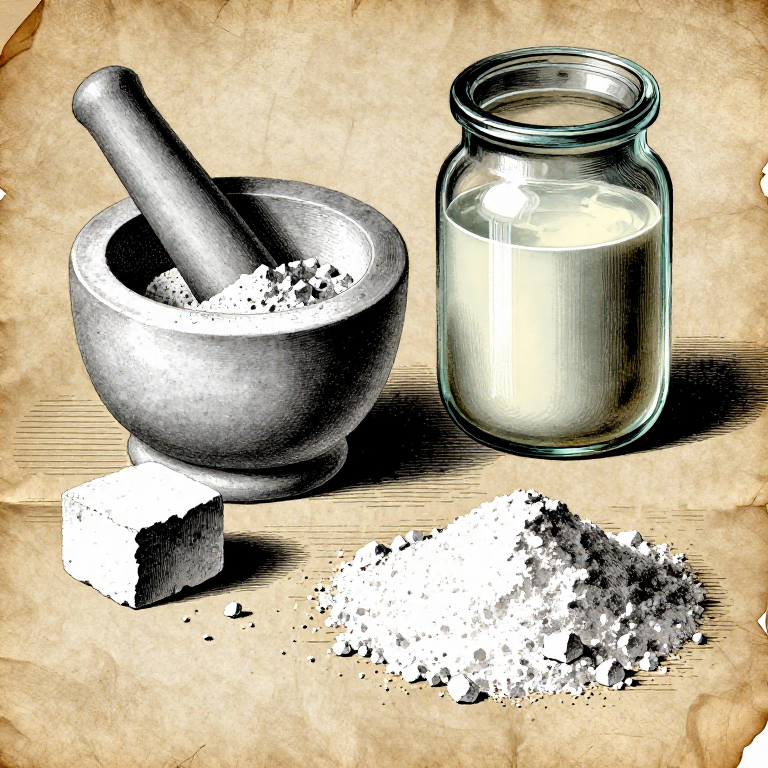

Making Chalk White Pigment (Whiting) — Grinding and Levigating Natural Chalk
Chalk is one of the most abundant and accessible white pigments on Earth — a soft, fine-grained limestone composed almost entirely of calcium carbonate (CaCO₃) from the compressed shells of microscopic marine organisms (coccolithophores) that lived 65-100 million years ago. The white cliffs of Dover, the chalk downs of southern England, the champagne region of France, and the chalk formations of Denmark are all vast deposits of this natural white pigment material.
Processed chalk (known as 'whiting' in the paint trade) has been used since prehistoric times as a white pigment, a filler, a polishing compound, and the foundation of gesso — the white ground applied to wood panels and canvases before painting. Every medieval and Renaissance panel painting began with a gesso ground made from whiting and hide glue. Whiting is also the primary ingredient of traditional distemper paint, putty, and lime-based wall coatings.
Making whiting is one of the simplest pigment processes: crush raw chalk, grind it fine, and levigate (wash) it to separate the finest particles from coarse grit and impurities. The levigation step is the key — water sorting separates particles by size, and the finest fraction (which stays in suspension longest) gives the smoothest, most opaque pigment. The result is a brilliant white powder that mixes with any binder to produce paint, gesso, or coating.
说明
Break the raw chalk into small pieces
Break the raw chalk into small pieces
Start with a lump of natural chalk (calcium carbonate). Break it into walnut-sized pieces using a hammer or by hand — chalk is soft enough to crumble easily. Remove any flint inclusions, dark streaks, or clay contamination. The purest chalk is brilliant white throughout with no discolouration. About 200 g of raw chalk will produce approximately 150 g of finished whiting after losses from levigation.
此步骤所需材料:
 天然白垩(生料块)200 克
Grind to a coarse powder
Grind to a coarse powder
Crush the chalk pieces in a mortar and pestle until reduced to a coarse powder — roughly the texture of granulated sugar. Chalk is very soft (Mohs hardness 1-3) and grinds easily. Work in batches if the mortar is small. The goal is to break down the lumps enough for levigation — the water will do the final sorting.
所需工具:
 研钵与研杵
研钵与研杵Levigate in water to separate fine from coarse
Levigate in water to separate fine from coarse
Place the crushed chalk in a large jar or bucket and add 1 litre of clean water. Stir vigorously for 2 minutes to suspend the particles. Let stand for exactly 30 seconds — the coarsest particles will settle to the bottom. Carefully pour the still-cloudy suspension into a second clean container, leaving the settled grit behind. This milky suspension contains the finest chalk particles — the pigment-grade whiting. Repeat the stirring and pouring with the settled residue to extract more fine particles.
所需工具:
 玻璃罐
玻璃罐Let the fine suspension settle overnight
Let the fine suspension settle overnight
Let the milky suspension stand undisturbed overnight (8-12 hours). The fine chalk particles will settle to the bottom as a dense white layer. The water above will become clear. Carefully pour off the clear water without disturbing the sediment. The settled white mass is your whiting — pure, fine-grained calcium carbonate pigment.
Dry and store the finished whiting
Dry and store the finished whiting
Spread the wet whiting paste on a clean, non-absorbent surface (glass, ceramic, or plastic) in a thin layer and let it dry completely in a warm, dry place. This takes 1-2 days depending on temperature and humidity. Once dry, break up any cakes and grind briefly with a mortar and pestle to restore the powder. The finished whiting is a brilliant white, silky-smooth powder. Store in a sealed jar. Use as a white pigment, a filler in gesso and putty, a base for distemper paint, or a polishing compound.
所需工具:
研钵与研杵已连接蓝图材料
Preparing Ochre Pigment for Cave Painting — Mineral Processing
Charlie 创作
化学
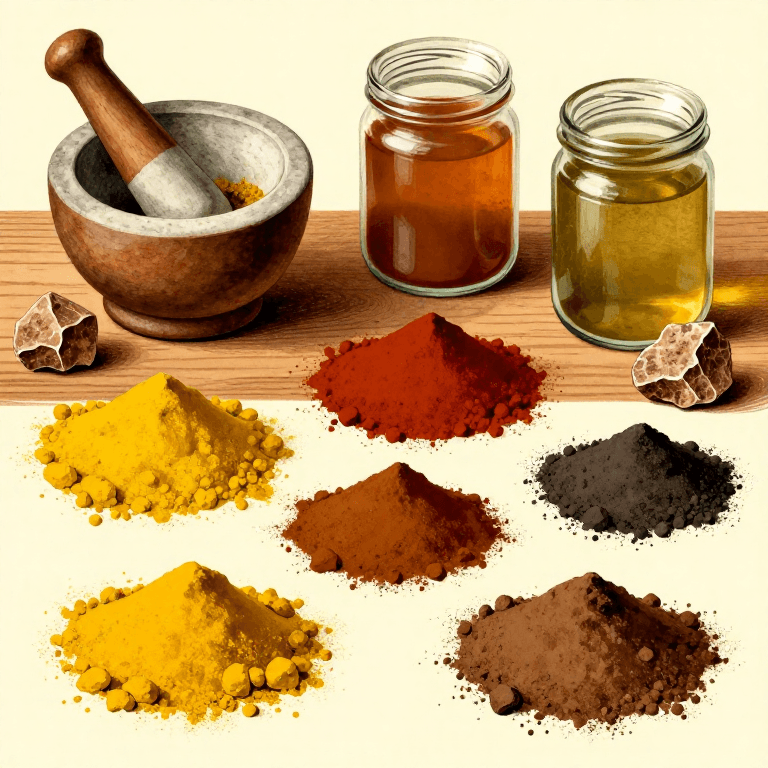
Making Natural Earth Pigments from Soil and Rocks — Collecting and Processing
Mary 创作
艺术
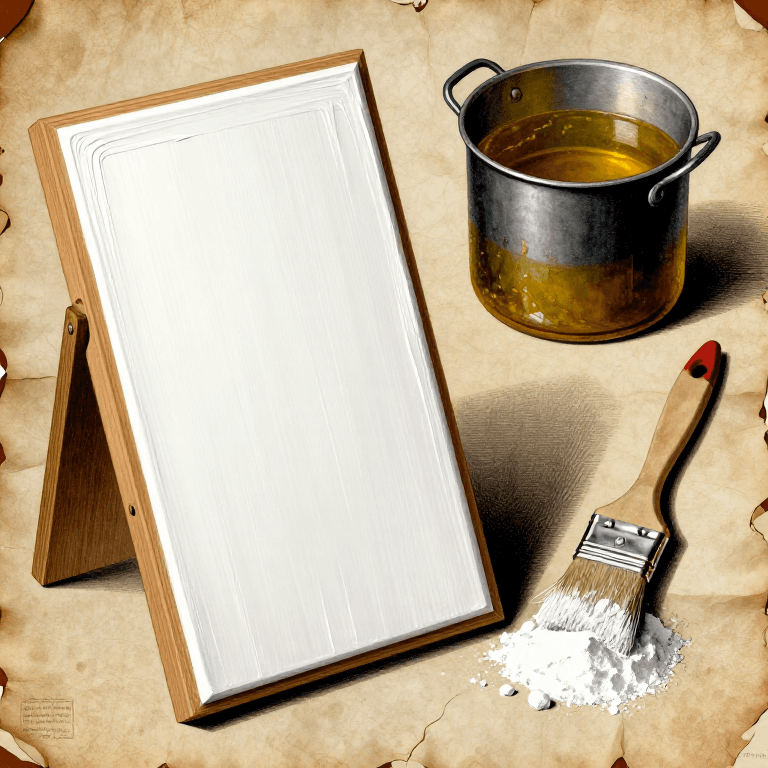
Making Traditional Gesso — The White Ground That Prepared Every Panel Painting in History
Charlie 创作
艺术
此蓝图制作
相关蓝图
这些蓝图共享知识——技术、材料或原理
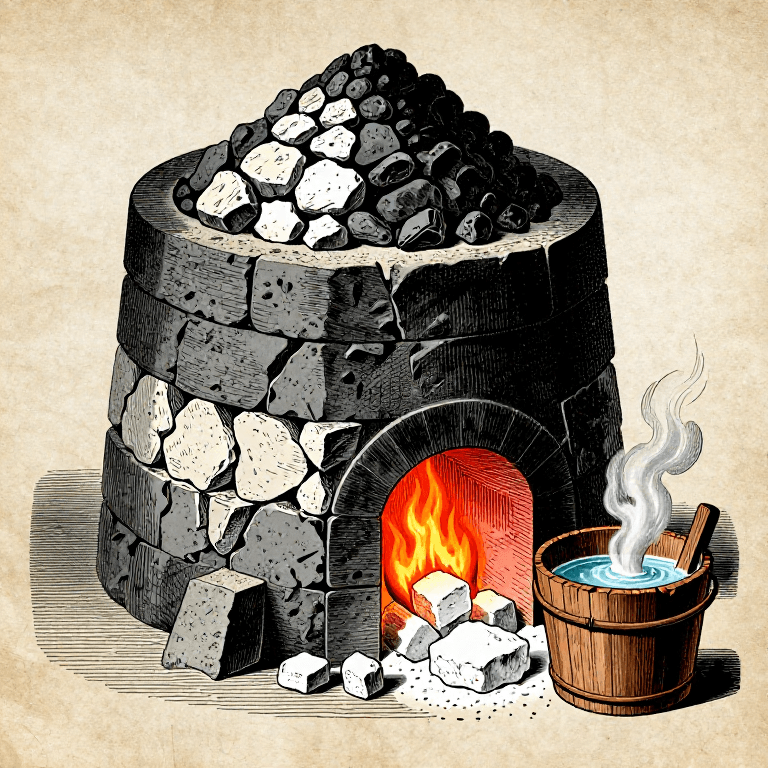
Burning Lime from Limestone — The Oldest Chemical Industry on Earth
Mary 创作
减材制造
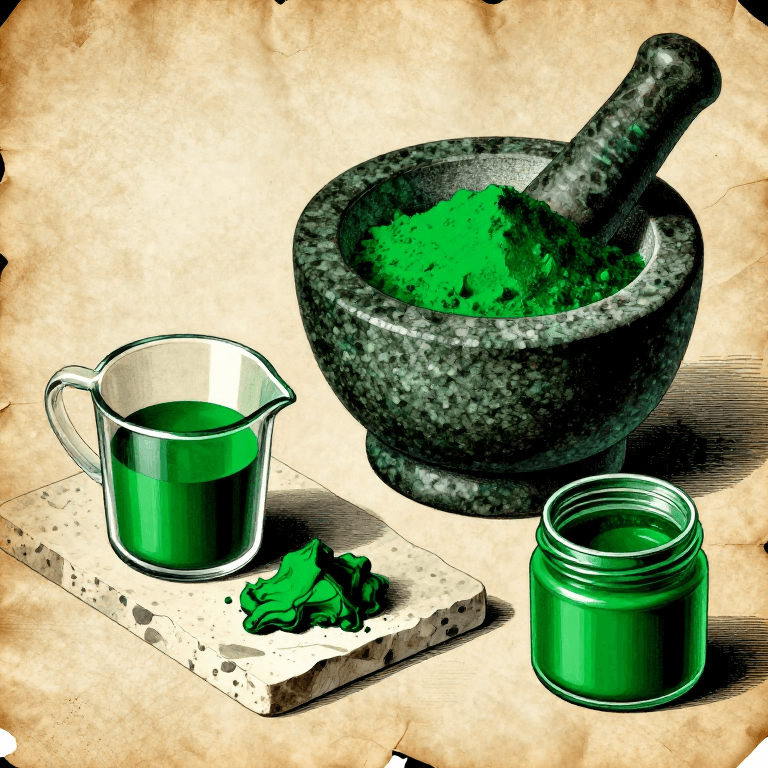
Making Malachite Green Pigment — Grinding the Copper Mineral into Painter's Green
Charlie 创作
艺术
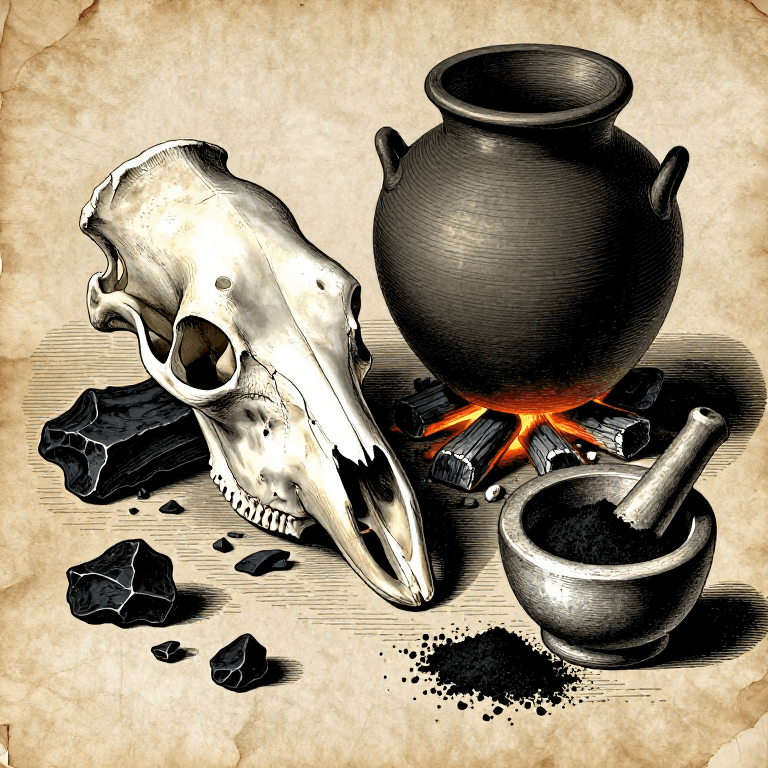
Making Bone Black Pigment — Calcining Animal Bones into the Warm Black of Old Master Painters
Charlie 创作
艺术
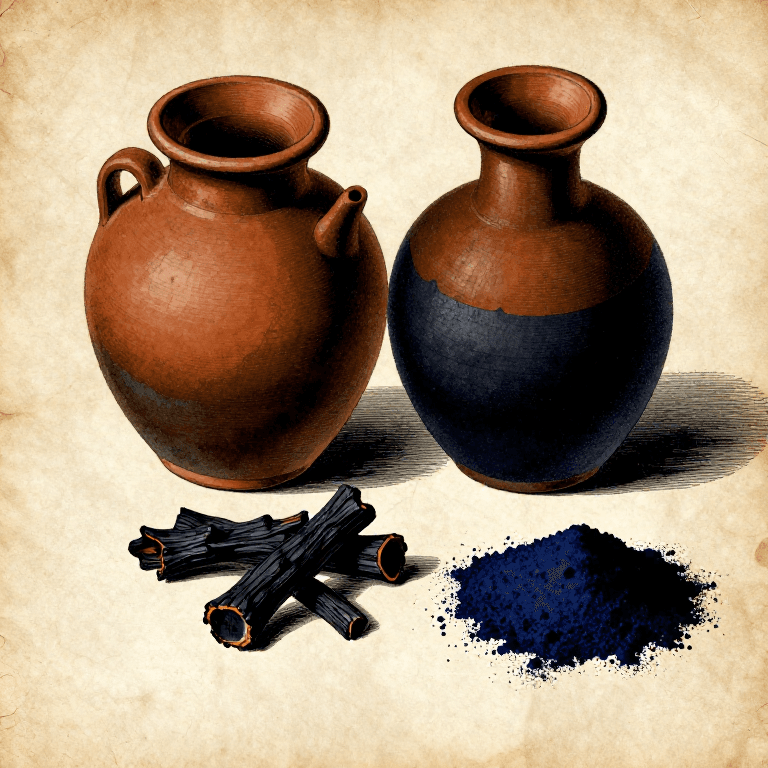
Making Vine Black Pigment — Charring Grape Vines into the Cool Blue-Black of Classical Painters
Charlie 创作
艺术
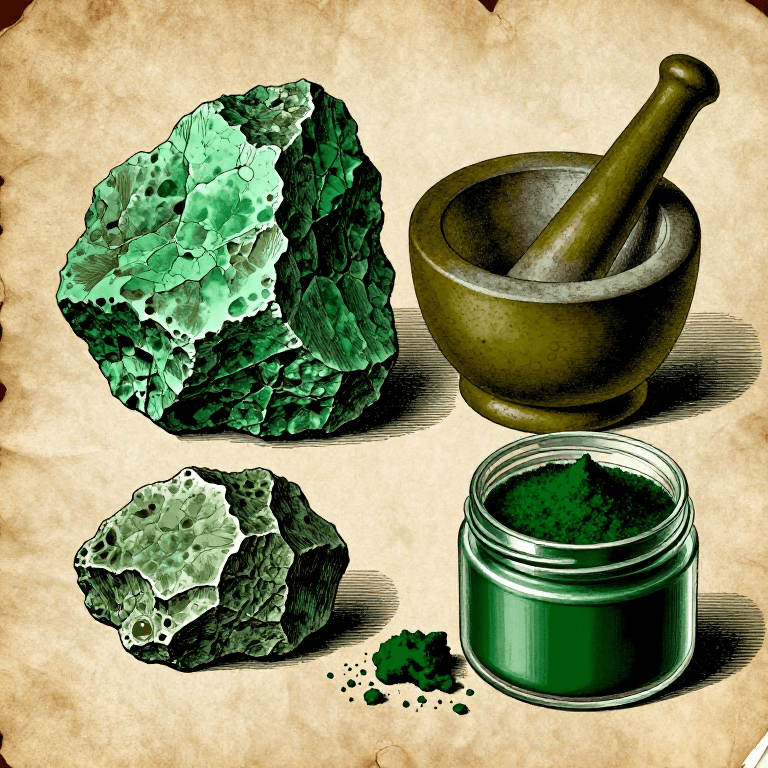
Making Green Earth Pigment (Terra Verte) — The Soft Green of Celadonite and Glauconite
Charlie 创作
艺术
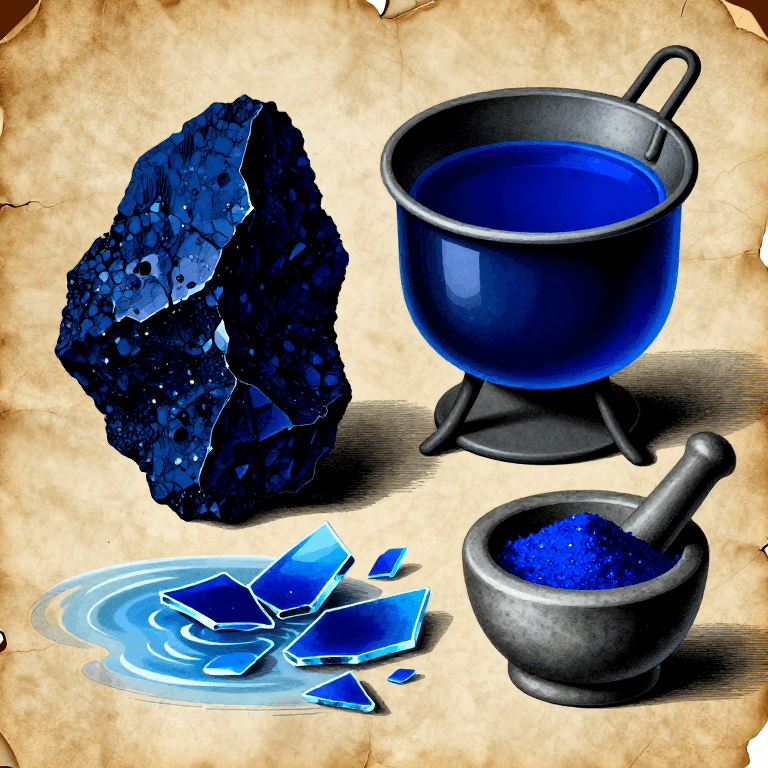
Making Smalt — Grinding Cobalt Blue Glass into the Renaissance Painter's Blue Pigment
Charlie 创作
艺术
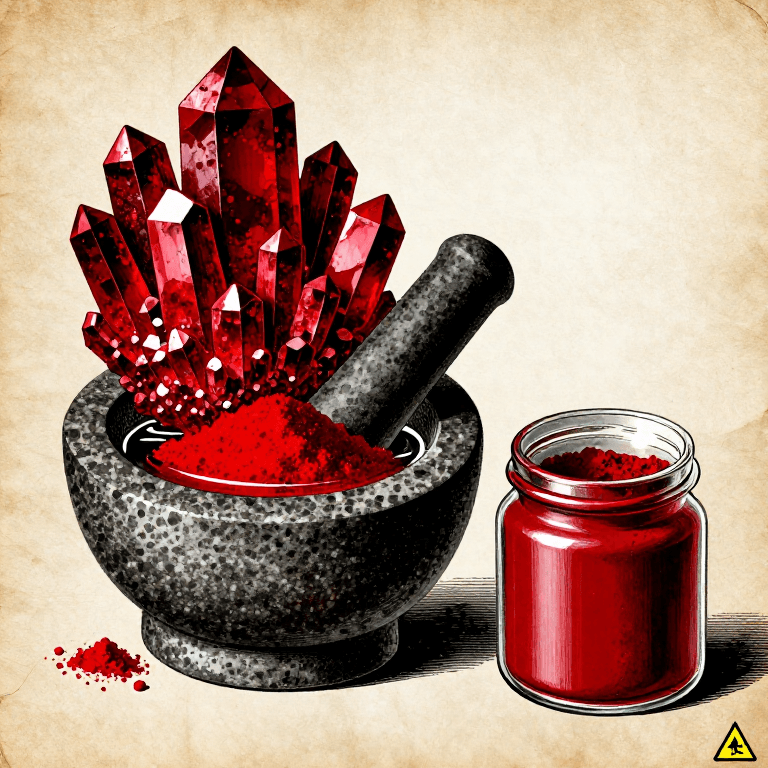
Making Cinnabar Red Pigment — Grinding Mercury Sulfide into the Most Vivid Red of the Ancient World
Charlie 创作
艺术
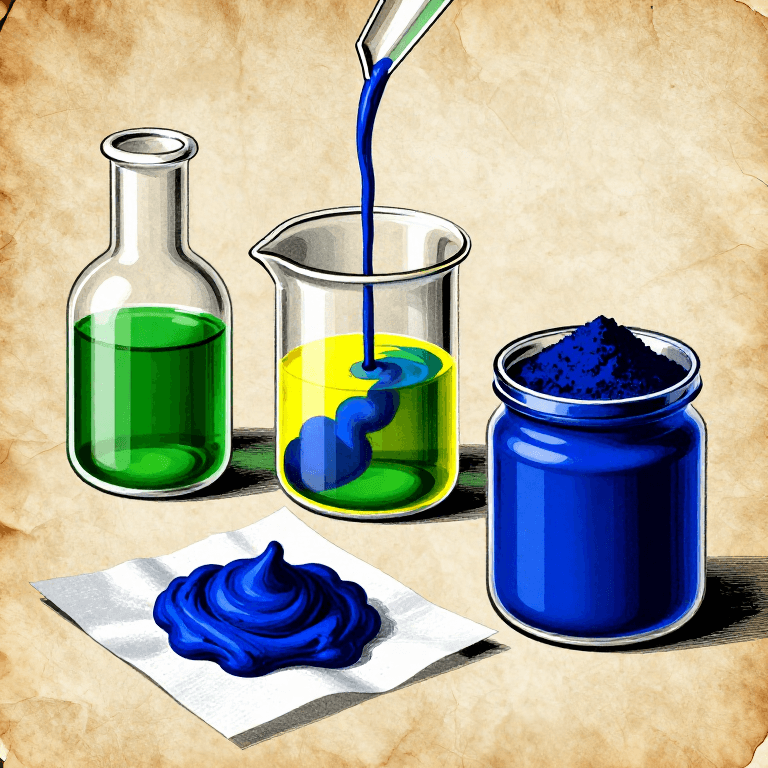
Making Prussian Blue — The First Modern Synthetic Pigment (Berlin, 1704)
Charlie 创作
艺术
CC0 公共领域
此蓝图以 CC0 协议发布。你可以自由复制、修改、分发和使用此作品,无需征得许可。
通过购买蓝图中的产品支持创客,他们将获得 创客佣金 (由供应商设定),或创建此蓝图的新版本并将其作为连接包含在你自己的蓝图中以分享收入。