艺术
美容与健康
工艺
文化与历史
娱乐
环境
食品与饮料
逆向工程
科学
体育
技术
可穿戴设备
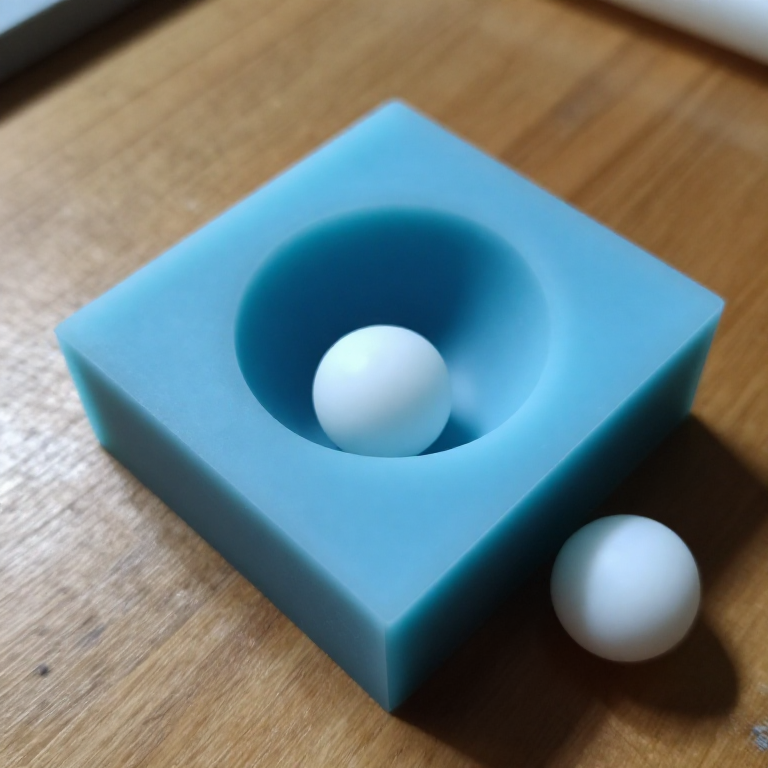
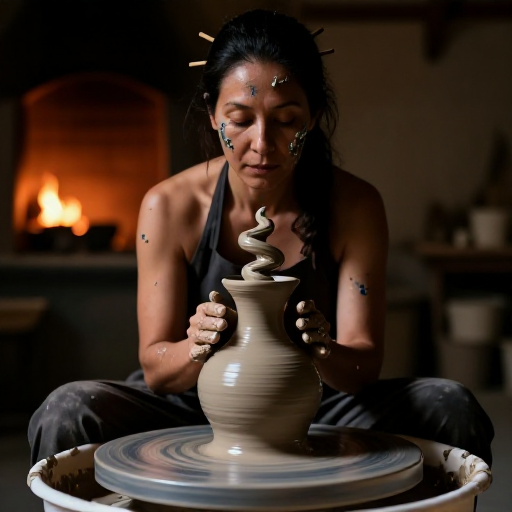

Silicone (Rochow Direct Process)
Silicones - chains of silicon and oxygen carrying methyl groups - were known from Frederic Kipping's laboratory work, but could only be made a few grams at a time. In 1940 Eugene Rochow at General Electric found a one-step route: pass methyl chloride over hot silicon with copper, and methylchlorosilanes come straight off. Richard Müller found the same reaction independently in Germany, which is why it is also called the Müller-Rochow process. It is how silicones are still made.
**US 2,380,995**, "Preparation of organosilicon halides", Rochow, assigned to General Electric, granted 7. August 1945, claims "effecting reaction between silicon and a hydrocarbon halide" with a copper catalyst at 200–500 °C.
**Methyl chloride and chlorosilanes are toxic and stay in the plant.** You use the product: a two-part silicone mould of glass marbles, then cast hot wax in it, again and again.
初学者
4 hours plus two cures
说明
1
1
Build the box
Build the box
Cut foam board and hot-glue an open box 60 x 40 mm inside, 50 mm tall. Seal every inside seam with a bead of glue - silicone finds any gap.
此步骤所需材料:
 建模泡沫板1 张
所需工具:
 手工刀
手工刀 热熔胶枪
热熔胶枪 直尺
直尺2
2
Clay bed and keys
Clay bed and keys
Press sulphur-free modelling clay 20 mm deep into the box. Push two 16 mm marbles exactly halfway in, 20 mm apart. Press four dimples in the clay with a pencil end: these are the registration keys.
此步骤所需材料:
 塑形黏土150 克
 玻璃弹珠2 个
所需工具:
 6 英寸数显卡尺
3
3
Weigh and mix
Weigh and mix
Weigh part A and part B at the kit's stated ratio into a mixing cup (the notebook gives the mass). Stir 3 minutes, scraping sides and bottom.
此步骤所需材料:
 硅胶模具制作套装1 套件
所需工具:
 精密数字天平
 带刻度调配杯
 搅拌棒
搅拌棒4
4
First pour
First pour
Pour in a thin stream from 30 cm into one corner, never onto the marbles, until 6 mm above them. Cure for the kit's time.
所需工具:
带刻度调配杯5
5
Flip and release
Flip and release
Flip the box, peel away all clay and leave the marbles in the silicone. Brush a thin coat of petroleum jelly over the silicone face - silicone bonds to silicone.
此步骤所需材料:
 凡士林5 克
6
6
Second pour
Second pour
Mix a second batch the same way and pour 6 mm above the marbles. Cure again.
此步骤所需材料:
硅胶模具制作套装1 套件所需工具:
精密数字天平带刻度调配杯7
7
Open and cut sprues
Open and cut sprues
Tear off the foam board, part the halves and pop out the marbles. With the craft knife cut a 5 mm cone from the top face into each cavity.
所需工具:
手工刀8
8
Cast wax
Cast wax
Melt paraffin wax in the double boiler to 75 °C. Band the halves shut, pour through each sprue, cool 30 minutes, open. Count how many casts it survives.
此步骤所需材料:
 石蜡100 克
 橡皮筋1 包
所需工具:
 双层隔水锅
双层隔水锅 糖果温度计
糖果温度计 电焊手套
电焊手套 透明安全眼镜
9
9
Troubleshoot the mould
Troubleshoot the mould
Work down in order; each question points to one step to redo.
Flow
Loading...
10
10
Reaction, pour size, siblings
Reaction, pour size, siblings
正在加载 Jupyter 笔记本…
11
11
History & Context
History & Context
**What the patent specifies:** silicon reacted with a hydrocarbon halide over copper at 200–500 °C to give organosilicon halides. **Modern build (derived):** a two-part room-temperature-curing mould silicone.
Silicone first served in the Second World War as grease and insulation for aircraft ignition systems; today it is sealant, bakeware, medical tubing and every maker's mould rubber. Its limits: it tears easily once nicked, is expensive, and a platinum-cure grade will not set against sulphur, some clays and latex gloves.
此蓝图制作

相关蓝图
这些蓝图共享知识——技术、材料或原理
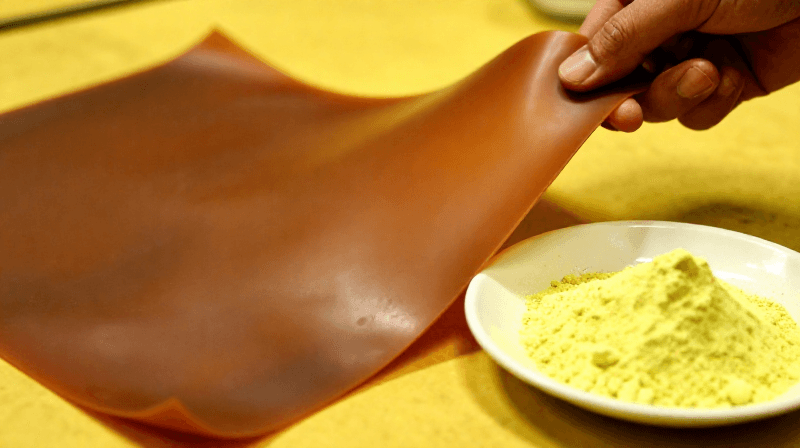



CC0 公共领域
此蓝图以 CC0 协议发布。你可以自由复制、修改、分发和使用此作品,无需征得许可。
通过购买蓝图中的产品支持创客,他们将获得 创客佣金 (由供应商设定),或创建此蓝图的新版本并将其作为连接包含在你自己的蓝图中以分享收入。