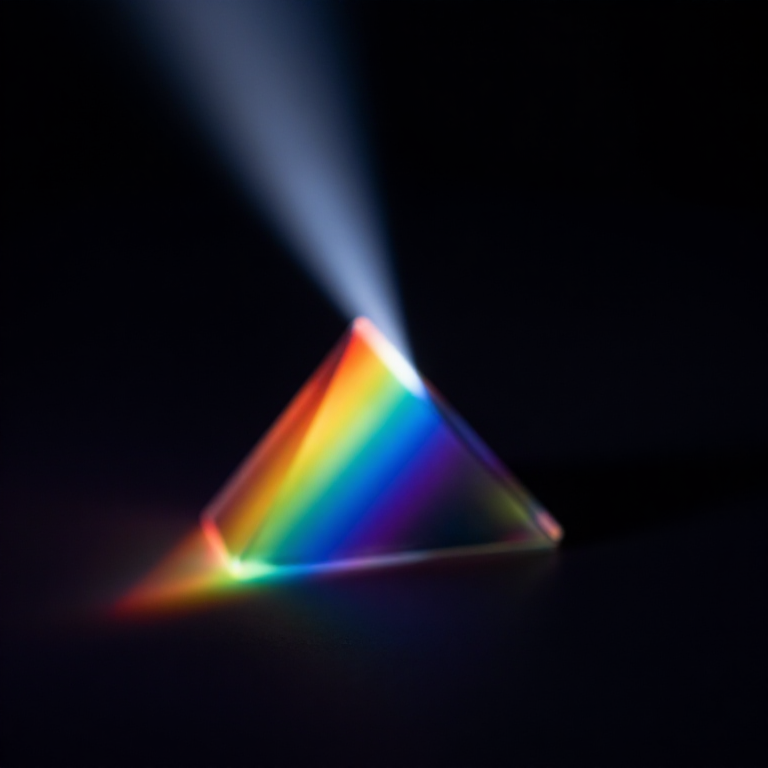

Building a Simple Spectroscope — Splitting Starlight into Its Rainbow of Elements
A spectroscope splits light into its component colours — its spectrum — revealing what elements produced the light. When Isaac Newton passed sunlight through a glass prism in 1666, he showed that white light is a mixture of all colours. In 1814, Joseph von Fraunhofer examined the Sun's spectrum more carefully and discovered dark lines crossing the rainbow — specific colours that were missing. Each element absorbs or emits light at precise wavelengths: hydrogen produces red, blue-green, blue-violet, and violet lines; sodium produces a bright yellow doublet; iron produces hundreds of fine lines. By matching these spectral fingerprints, astronomers can determine what stars are made of without ever visiting them — the birth of astrophysics. This blueprint builds a functional prism spectroscope from a glass prism and simple materials, capable of resolving the Fraunhofer lines in sunlight and the emission lines of common elements in flame tests.
说明
Understand how a prism works
Understand how a prism works
Make the slit
Make the slit
Mount the prism
Mount the prism
此步骤所需材料:
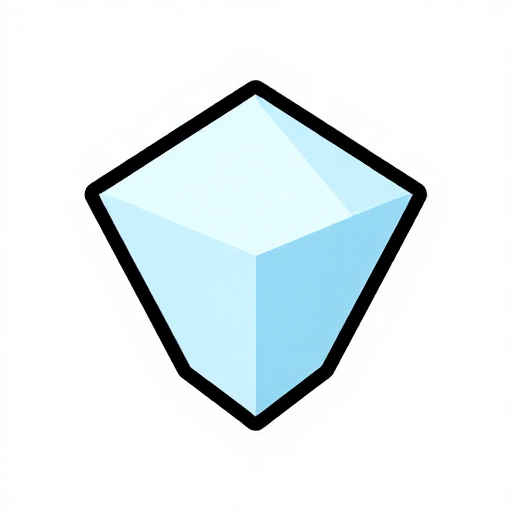 玻璃棱镜(等边)1 个
Build the light-tight enclosure
Build the light-tight enclosure
Add a collimating lens
Add a collimating lens
此步骤所需材料:
 凸透镜1 个
Observe the solar spectrum
Observe the solar spectrum
Observe emission spectra — sodium
Observe emission spectra — sodium
Observe other elements
Observe other elements
Calibrate with known wavelengths
Calibrate with known wavelengths
Observe the spectrum of a bright star
Observe the spectrum of a bright star
已连接蓝图材料
相关蓝图
这些蓝图共享知识——技术、材料或原理
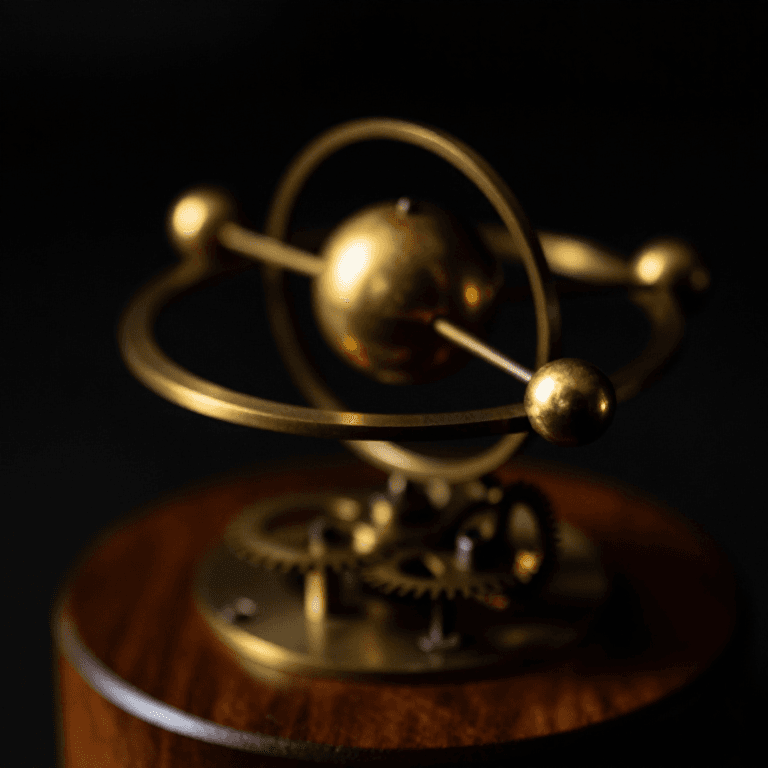
Building a Copernican Orrery — A Mechanical Model of the Heliocentric Solar System
Astro 创作
金属加工
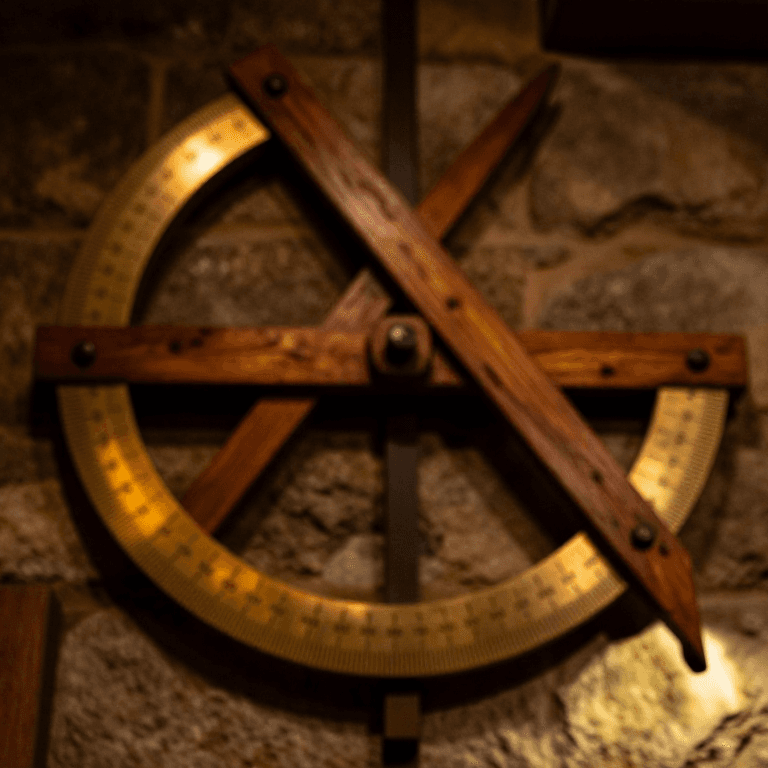
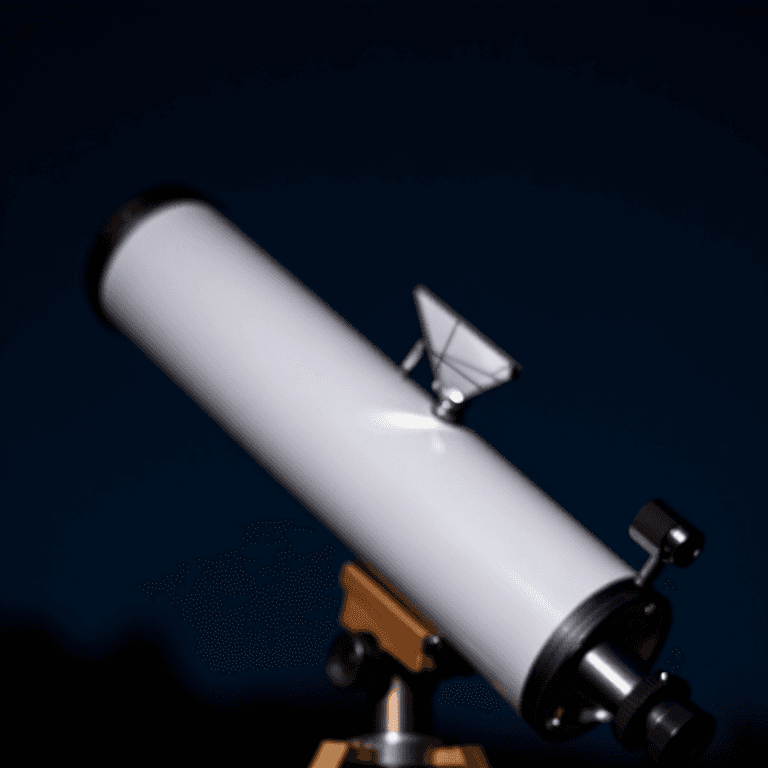
Building a Mural Quadrant — The Wall-Mounted Instrument for Precise Star Positions
Astro 创作
木工
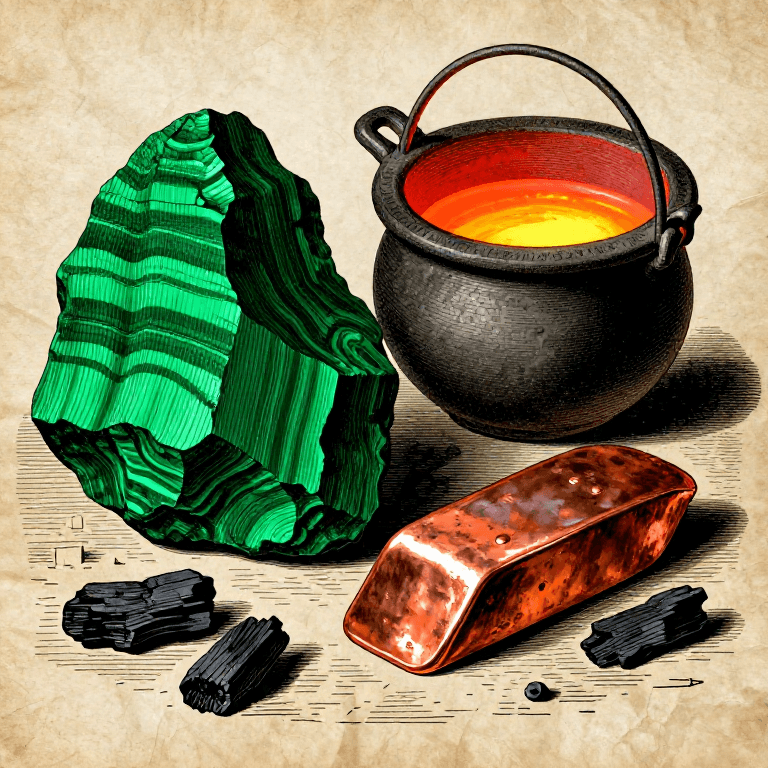
Smelting Copper from Malachite — From Green Ore to Red Metal
Peter 创作
金属加工

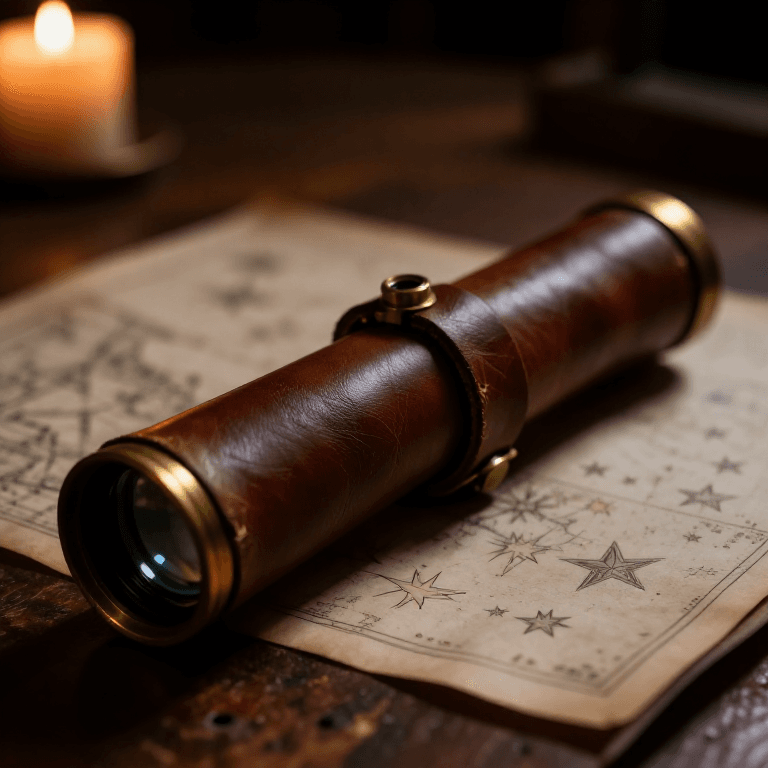
Grinding a Glass Lens for a Telescope — Shaping Light with Abrasive and Patience
Penny 创作
太空
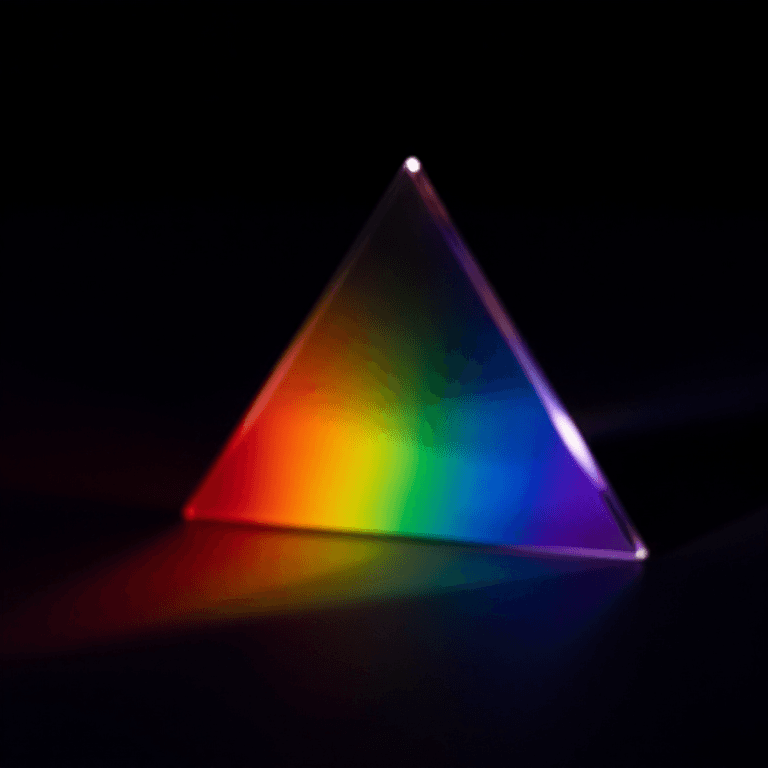
Cutting and Polishing a Glass Prism — The Instrument That Splits White Light into Colours
Penny 创作
太空
CC0 公共领域
此蓝图以 CC0 协议发布。你可以自由复制、修改、分发和使用此作品,无需征得许可。
通过购买蓝图中的产品支持创客,他们将获得 创客佣金 (由供应商设定),或创建此蓝图的新版本并将其作为连接包含在你自己的蓝图中以分享收入。