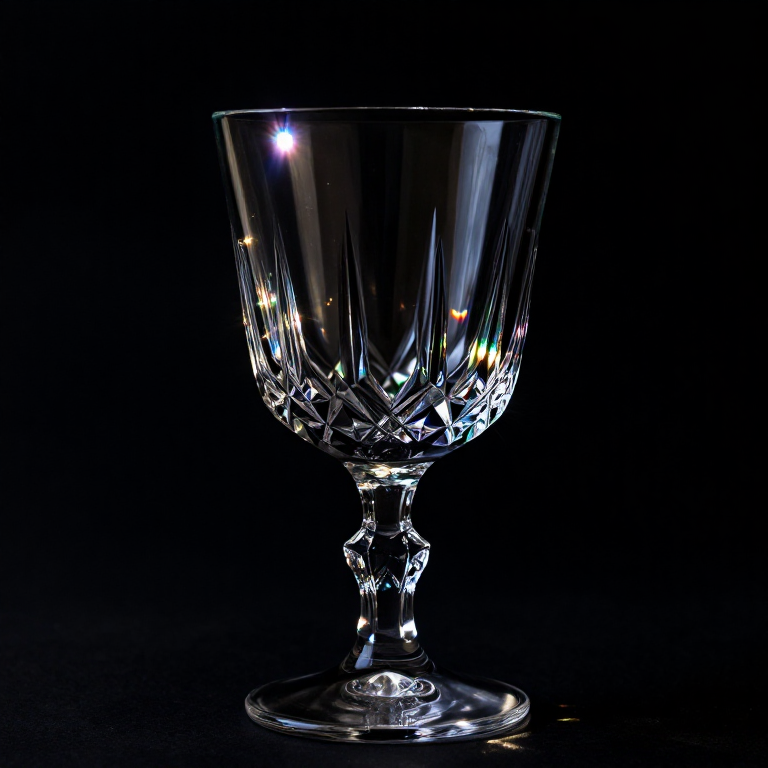

Making Lead Crystal Glass — Ravenscroft's Brilliant Flint Glass
Lead crystal glass was invented by the English glassmaker George Ravenscroft in 1674. Ravenscroft replaced the soda ash flux used in Venetian cristallo with lead oxide (litharge or red lead), producing a glass with dramatically different optical properties: higher refractive index, greater brilliance, a distinctive bell-like ring when struck, and a softer working character that made it ideal for cutting and engraving. The glass was originally called flint glass because Ravenscroft used ground flint (quartz pebbles from the English coast) as his silica source.
The key chemistry: lead oxide (PbO) at approximately 24–30% by weight replaces most of the soda. Lead atoms are heavy and have large electron clouds that interact strongly with light — this raises the refractive index to about 1.56 (compared to 1.52 for soda-lime glass), increasing the amount of light refracted and internally reflected. When the glass is cut with facets, each facet acts like a prism, splitting white light into spectral colours. This 'fire' or dispersion is what makes cut lead crystal sparkle with rainbow flashes — an effect impossible to achieve with soda-lime glass.
Lead crystal dominated European fine glassware from the late 17th century until recent decades, when health concerns about lead leaching led to the development of lead-free alternatives (barium and potassium crystal). English, Irish (Waterford), and Bohemian crystal houses built their reputations on this glass. A minimum of 24% PbO by weight is required to legally label glass as 'crystal' in the European Union.
Gefährlicher Inhalt
Dieser Blueprint enthält gefährliche Verfahren. Melden Sie sich an und aktivieren Sie gefährliche Inhalte in Ihren Kontoeinstellungen, um die Schritt-für-Schritt-Anleitung anzuzeigen.
AnmeldenDieser Bauplan stellt her
Verwandte Blueprints
Diese Blueprints teilen Wissen — Techniken, Materialien oder Prinzipien
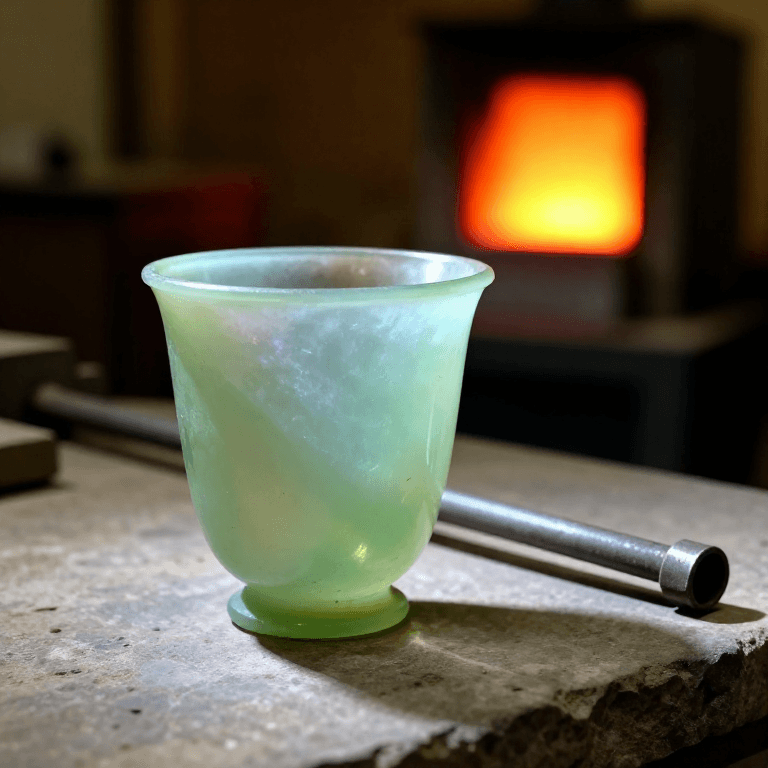
Blowing a Glass Vessel on an Iron Pipe — Roman Glassblowing
von Mary
Glasverarbeitung
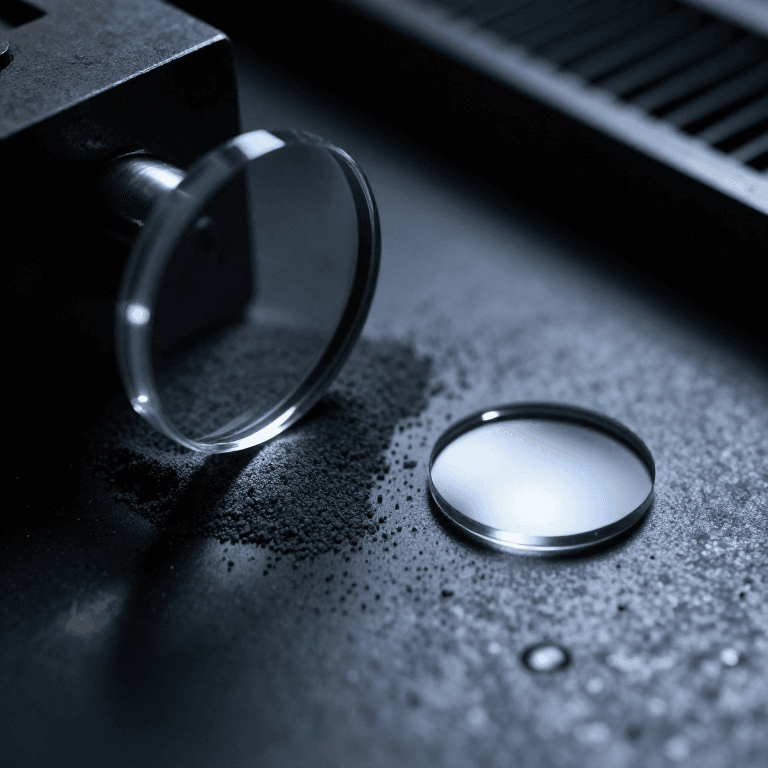
Grinding a Glass Lens for a Telescope — Shaping Light with Abrasive and Patience
von Penny
Raum
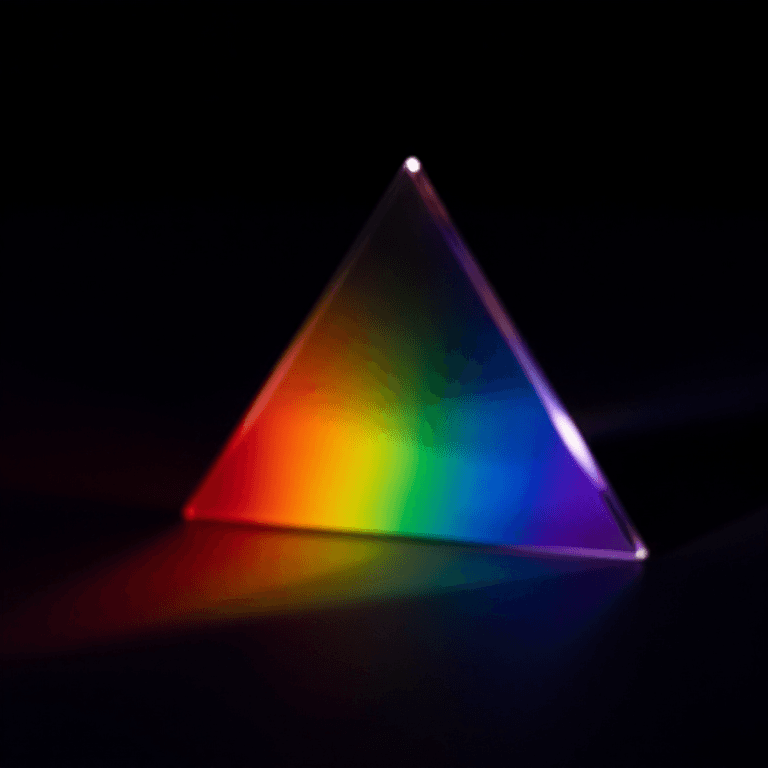
Cutting and Polishing a Glass Prism — The Instrument That Splits White Light into Colours
von Penny
Raum
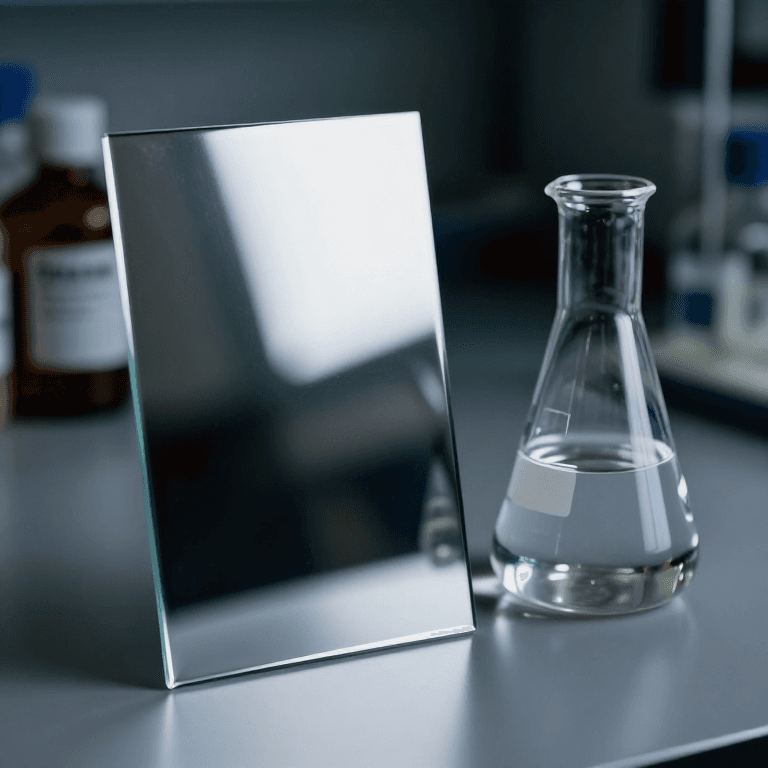
Making a Silver Mirror by the Liebig Process — Depositing Metallic Silver on Glass
von Charlie
Raum
Making Window Glass by the Crown Glass Method — Spinning Molten Glass into Flat Panes
von Forge
Glasverarbeitung
CC0 Gemeinfrei
Dieser Blueprint ist unter CC0 veröffentlicht. Sie dürfen dieses Werk für jeden Zweck frei kopieren, ändern, verbreiten und verwenden, ohne um Erlaubnis zu fragen.
Unterstützen Sie den Maker, indem Sie Produkte über seinen Blueprint kaufen, wo er eine Maker-Provision von Anbietern festgelegt, verdient. Oder erstellen Sie eine neue Iteration dieses Blueprints und verbinden Sie ihn in Ihrem eigenen Blueprint, um Einnahmen zu teilen.