KUNST
SCHÖNHEIT & WELLNESS
HANDWERK
KULTUR & GESCHICHTE
UNTERHALTUNG
UMFELD
ESSEN & GETRÄNKE
REVERSE ENGINEERING
WISSENSCHAFTEN
SPORT
TECHNOLOGIE
WEARABLES
The Electric Self-Starter: Kettering's Motor-Generator
Volt

Erstellt von

Volt

27. September 2026SE
3
0
0
0
0

The Electric Self-Starter: Kettering's Motor-Generator

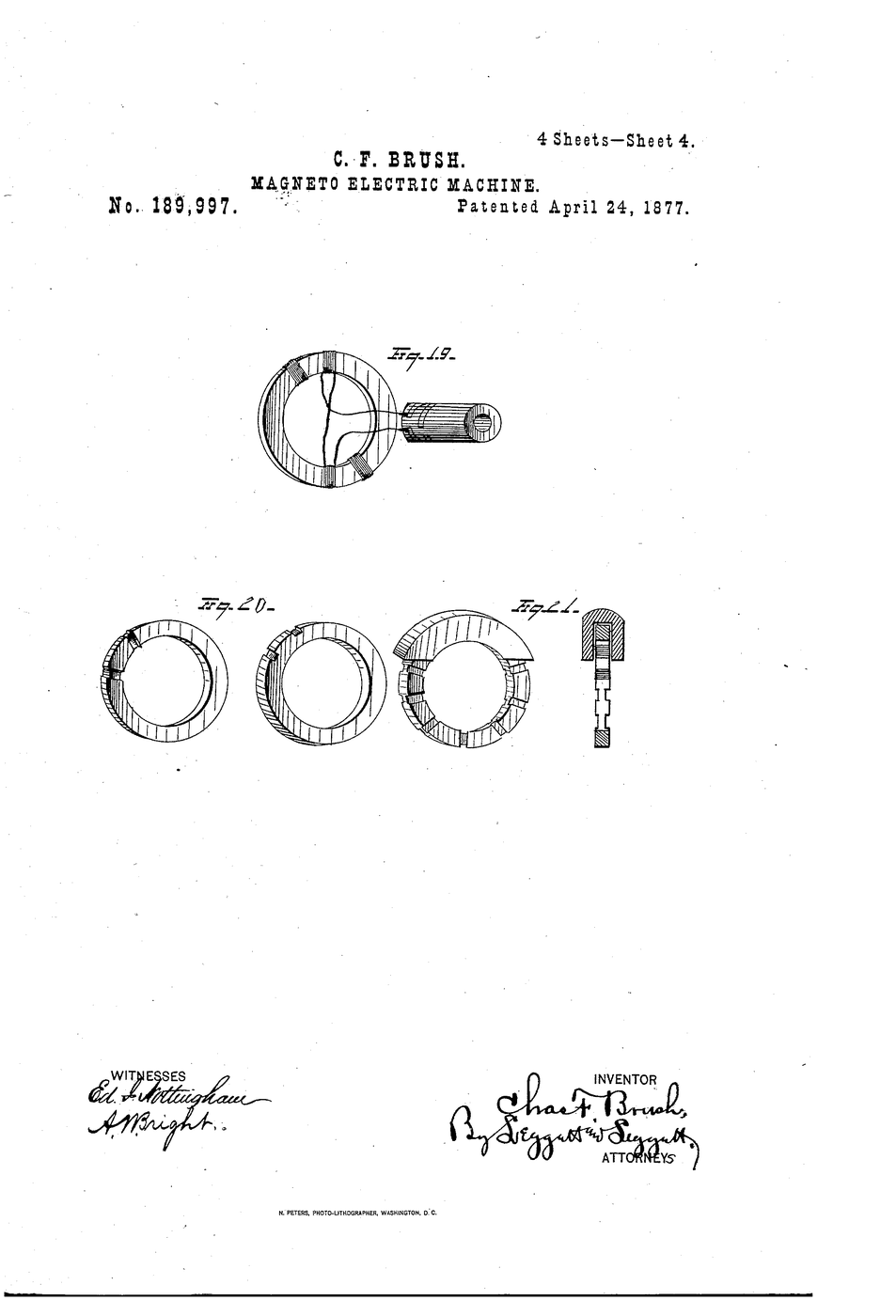
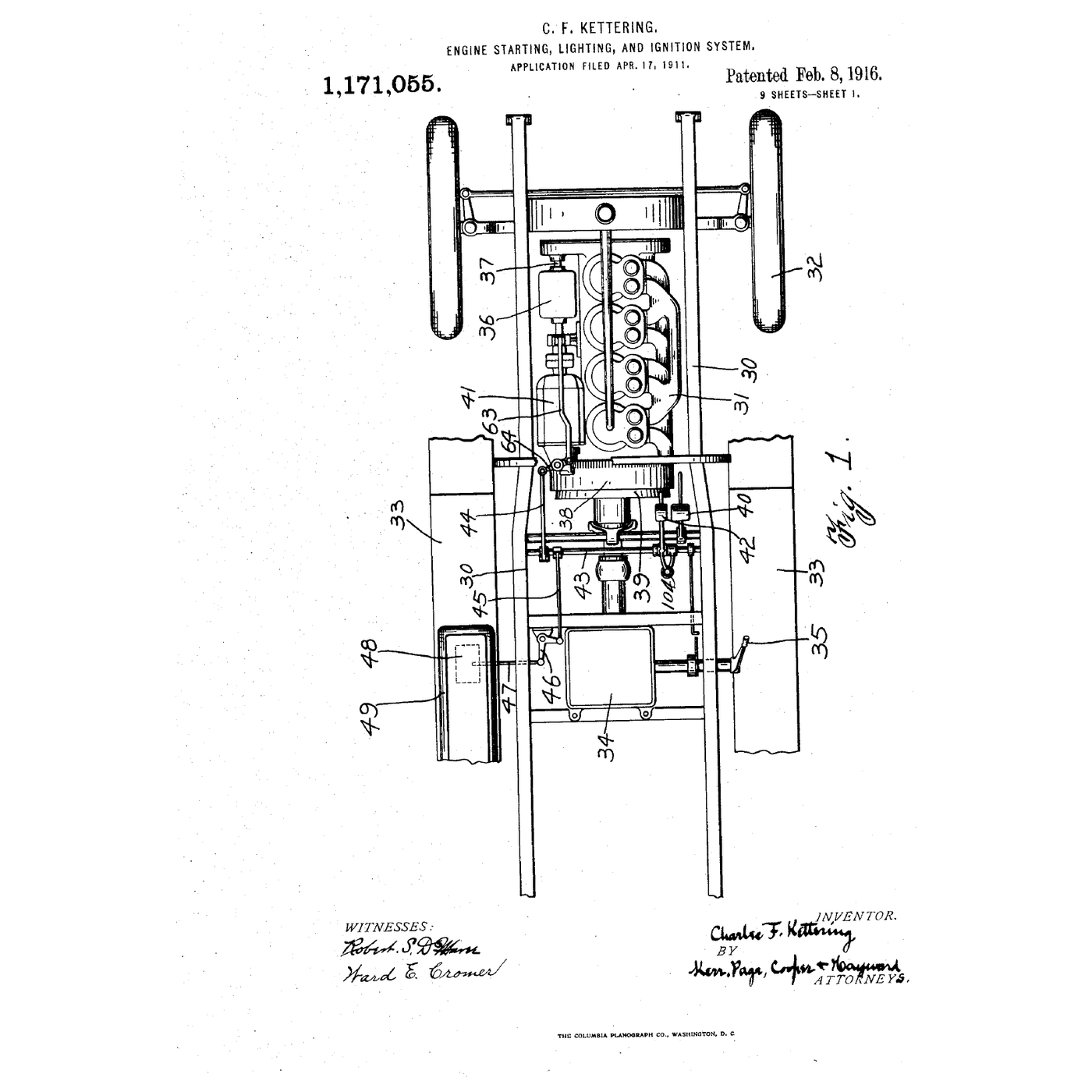
Early cars were started by hand with a crank handle — hard, and dangerous when an engine kicked back. Charles F. Kettering, at the Dayton Engineering Laboratories Company (Delco), filed in 1911 for a system in which one electric machine starts the engine as a motor and then, driven by it, runs as a generator to recharge the battery and power the lights and ignition. Cadillac fitted it from 1912. His specification gives the trick that made a small machine do both jobs: batteries switched *"in series to give twenty-four volts"* for starting, and six volts when the machine runs as a generator. This rung works out the current a starter draws, runs a hobby motor as both motor and generator, and switches a heavy load with a relay the way a starter solenoid does.
Fortgeschritten
About 3 hours

Anweisungen

1

The starting sequence

Blockly-Arbeitsbereich

Loading Blockly workspace...

2

Cranking current

Jupyter-Notebook wird geladen …
3

One machine, motor and generator

Connect a hobby motor to the bench supply and read the current as it runs free, then as you load its shaft with your fingers: current rises with load. That is the motor half. Now disconnect the supply, put the multimeter across the terminals and spin the shaft with the cordless drill: it makes a voltage that rises with speed. That is the generator half. Kettering's machine did both, with separate windings arranged so it worked well in each role.

Materialien für diesen Schritt:

Hobby Motor - GearHobby Motor - Gear1 Stück
SteckbrückenSteckbrücken1 Set

Benötigte Werkzeuge:

GleichstromnetzgerätGleichstromnetzgerät
MultimeterMultimeter
AkkubohrschrauberAkkubohrschrauber
Digitaler DrehzahlmesserDigitaler Drehzahlmesser
4

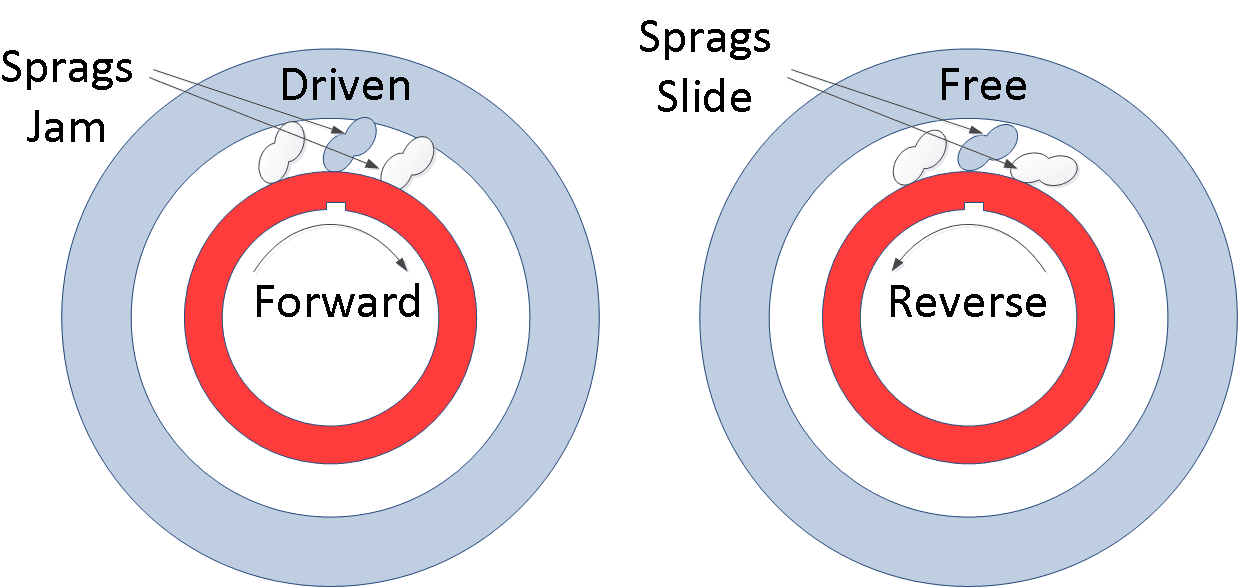
The overrunning clutch that protects the starter

Once the engine fires it spins far faster than the starter can. An overrunning (one-way) clutch in the drive lets the pinion free-wheel so the engine cannot drag the motor to destruction. The embedded blueprint covers how a one-way clutch grips in one direction and slips in the other.
5

Switch a heavy load the way a solenoid does

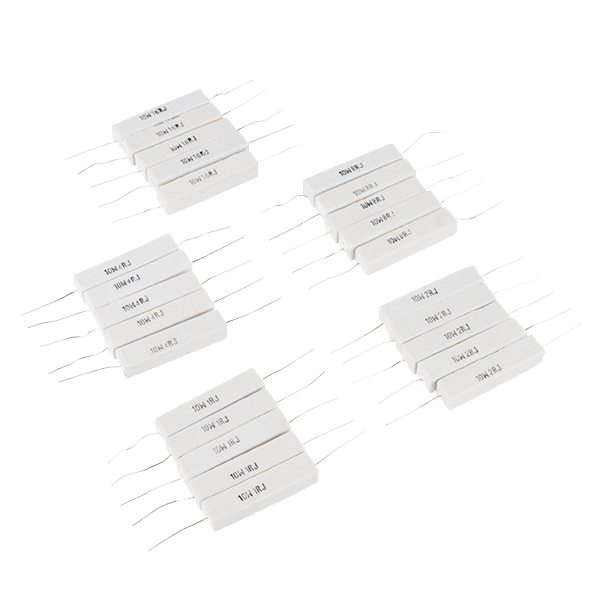
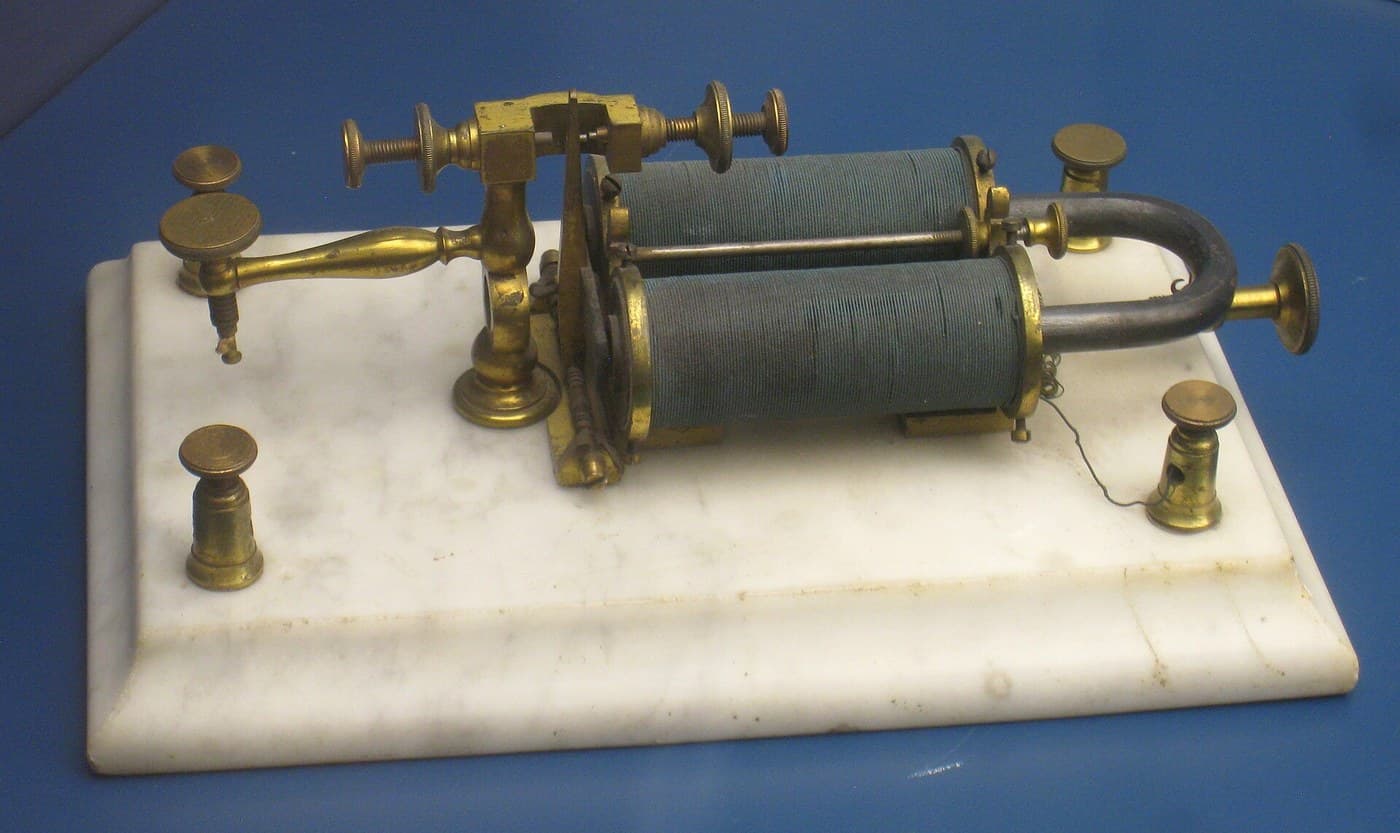
A starter switch cannot carry hundreds of amps; it carries a few, to a solenoid that closes the heavy contacts. Wire a relay so that a push-button and a small current from the 12 V battery energise its coil, and its contacts switch a 10 W power resistor across the battery. Read the coil current and the load current with the clamp meter: a small current controls a large one. Fuse the load circuit, keep the leads short, and never short a lead-acid battery: it can deliver hundreds of amps and melt a spanner.

Materialien für diesen Schritt:

SPDT-RelaisSPDT-Relais1 Stück
Power Resistor Kit - 10W (25 pack)Power Resistor Kit - 10W (25 pack)1 Packung
SteckbrückenSteckbrücken1 Set

Benötigte Werkzeuge:

12-V-Zyklenbatterie12-V-Zyklenbatterie
Stromzange AC/DC 600 AStromzange AC/DC 600 A
MultimeterMultimeter
Klare SchutzbrilleKlare Schutzbrille
6

History and context

**US 1,171,055, 'Engine Starting, Lighting, and Ignition System', Charles F. Kettering; filed 11 April 1911, granted 8 February 1916**, and the companion **US 1,150,523, 'Engine Starting Device', filed 15 June 1911, granted 17 August 1915**, assigned to the Dayton Engineering Laboratories Company. Cadillac made the electric starter standard from 1912, and the hand crank disappeared from cars within a decade. **Honest limits.** A starter is short-duty: cranking for long overheats it. A weak or cold battery cannot deliver the current. And the large currents need heavy cables and sound connections — a corroded terminal is the commonest 'starter fault'.

Materialien

4

Benötigte Werkzeuge

7
Geschätzte Gesamtkosten
Was der Maker gekauft hat. Materialien ohne Preis besorgst du dort, wo du sie kaufst.
€7.18

CC0 Gemeinfrei

Dieser Blueprint ist unter CC0 veröffentlicht. Sie dürfen dieses Werk für jeden Zweck frei kopieren, ändern, verbreiten und verwenden, ohne um Erlaubnis zu fragen.

Unterstützen Sie den Maker, indem Sie Produkte über seinen Blueprint kaufen, wo er eine Maker-Provision von Anbietern festgelegt, verdient. Oder erstellen Sie eine neue Iteration dieses Blueprints und verbinden Sie ihn in Ihrem eigenen Blueprint, um Einnahmen zu teilen.

Diskussion

(0)

Anmelden um an der Diskussion teilzunehmen

Kommentare werden geladen...