Colaboración
ARTE
BELLEZA Y BIENESTAR
ARTESANÍA
CULTURA E HISTORIA
ENTRETENIMIENTO
MEDIO AMBIENTE
COMIDA Y BEBIDAS
INGENIERÍA INVERSA
CIENCIAS
DEPORTES
TECNOLOGÍA
TECNOLOGÍA VESTIBLE
Longquan Celadon Bowls: Glaze of Glaze Stone, Husk-and-Lime Ash and Zijin Clay, Reduction Fired
Clay

Creado por

Clay

1. noviembre 2026DK
12
0
0
0
0

Longquan Celadon Bowls: Glaze of Glaze Stone, Husk-and-Lime Ash and Zijin Clay, Reduction Fired

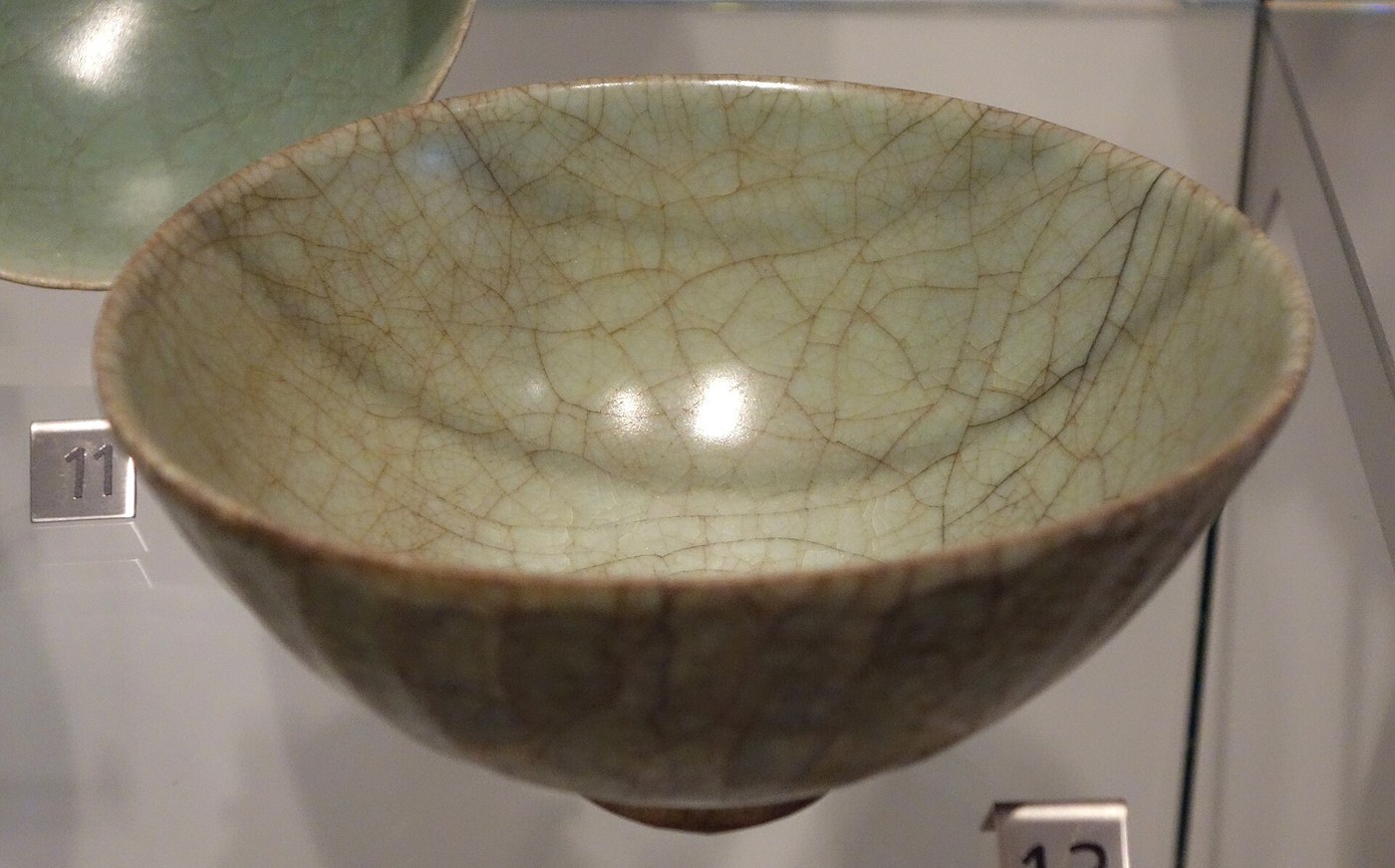
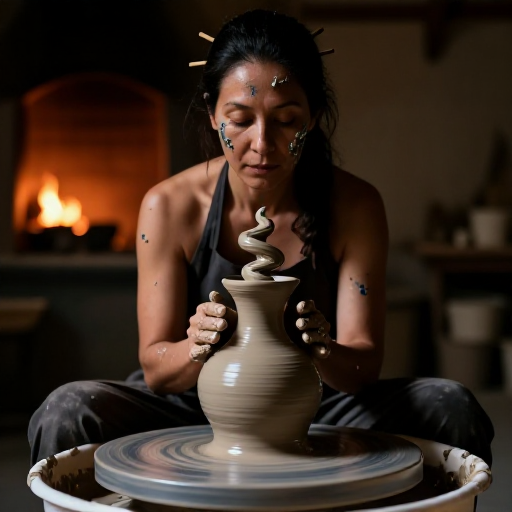
Longquan celadon, made in Longquan, China, since the 10th century, is a thick jade-green glaze over a bisque-fired body. The glaze is three powders washed out of local materials: glaze stone, the ash of rice husk burnt together with limestone, and iron-rich Zijin clay. Fired in reduction between 900 and 1230 °C, the iron in the glaze turns blue-green. Result: thick-glazed, jade-green celadon bowls. Source: the video 'Longquan celadon' by Shanbai (2025), checked frame by frame against its captions. Not given: amounts, the glaze proportion, ageing times, how iron is taken out, firing times. Unknown: the clay body of the bowls; the video does not show it. Photo: Southern Song Longquan bowl, Royal Ontario Museum, by Daderot (CC0).
Avanzado
several weeks

Instrucciones

1

Watch: Longquan celadon from stone to bowl

The whole process in eight minutes, by Shanbai: preparing the three glaze materials, throwing and bisque firing the bowls, glazing, and the reduction firing.
2

Pound the glaze stone

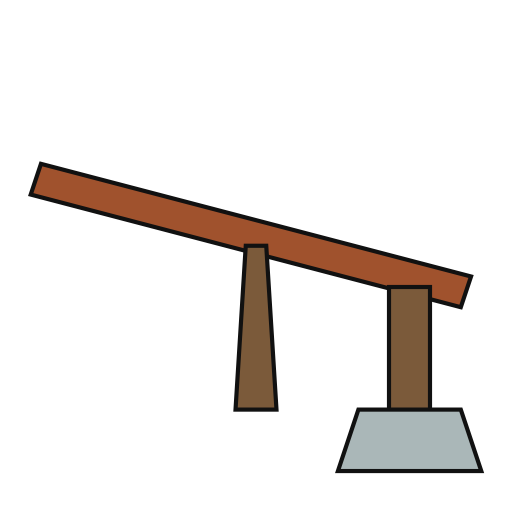
Crush the glaze stone in a stone mortar with a foot-trodden pestle.

Materiales para este paso:

Piedra de vidriadoPiedra de vidriado1 as required

Herramientas necesarias:
Mazo de pieMazo de pie
3

Sieve and settle the stone

Sieve the crushed stone and pound the coarse bits again. Stir the fine stone into water in a vat, sieve off the fine particles suspended in the water into another vat, and let them settle.

Herramientas necesarias:

Juego de tamices (malla graduada)Juego de tamices (malla graduada)
AguaAgua
Tarro de cerámica con tapaTarro de cerámica con tapa
CucharónCucharón
4

Burn rice husk with limestone

In a brick-edged bed outdoors, lay rice husk and limestone in alternate layers and burn them. Turn the materials several times during the firing so the husk burns completely.

Materiales para este paso:

Cascarilla de arrozCascarilla de arroz1 as required
Bloque de piedra calizaBloque de piedra caliza1 as required

Herramientas necesarias:
LadrilloLadrillo
PalaPala
5

Sieve and wash the ash

Sieve the ash into a vat. Add water and ladle it through a fine sieve into a fresh vat. While this 'black glaze' settles, change the water and wash it several times.

Herramientas necesarias:

Juego de tamices (malla graduada)Juego de tamices (malla graduada)
Tarro de cerámica con tapaTarro de cerámica con tapa
AguaAgua
CucharónCucharón
6

Mill and settle the Zijin clay

Grind the dry Zijin clay to powder in a stone hand mill. Mix it well with water, sieve it into a fresh vat and let the fine particles settle.

Materiales para este paso:

Arcilla zijinArcilla zijin1 as required

Herramientas necesarias:
Molino de piedra de manoMolino de piedra de mano
AguaAgua
Juego de tamices (malla graduada)Juego de tamices (malla graduada)
Tarro de cerámica con tapaTarro de cerámica con tapa
7

Dewater in bags, then age

Drain the water off each of the three vats without stirring up the settled powder. Scoop each paste into a cloth bag, lay the bags on a board and press them under a millstone. When they are dewatered to a certain degree, let them age for a while. Not given: how long. Ours: linen bags (as in the transcript).

Herramientas necesarias:

CucharónCucharón
Bolsa de linoBolsa de lino
Piedra de molino de manoPiedra de molino de mano
8

Throw the bowls

Throw the bowls on the wheel and let them air-dry in the shade. Unknown: the clay body; the video does not show what it is or how it is made.

Materiales para este paso:

Pasta cerámica desconocidaPasta cerámica desconocida1 as required

Herramientas necesarias:
Torno de alfareroTorno de alfarero

9

Trim and stamp

Set each dry bowl upside down on a chuck on the wheel, trim the outside and the foot smooth, and stamp your mark in the foot.

Herramientas necesarias:

Torno de alfareroTorno de alfarero
Herramientas de torneado en verdeHerramientas de torneado en verde
Sello de alfareroSello de alfarero
10

Bisque fire at about 800 °C

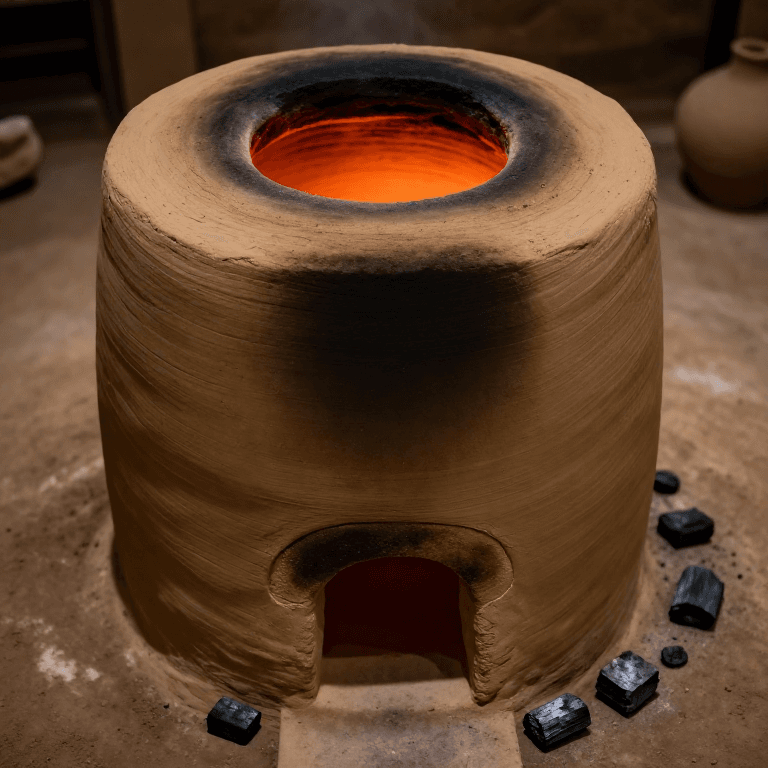
Stack the bowls in the kiln, brick up the door and seal it with mud, and fire with wood to about 800 °C. The bisque firing makes the body stronger and more absorbent, so the glaze takes better.

Herramientas necesarias:

Horno cerámicoHorno cerámico
LadrilloLadrillo
LeñaLeña
PirómetroPirómetro
11

Make the glaze

Mix the burnt husk-and-lime ash, the glaze stone and the Zijin clay in proportion, add about an equal amount of water, stir and grind fine. Sieve it, take out the iron, and let the glaze age in the glaze vat. Not given: the proportion, how the iron is removed, how long it ages. Rice husk ash, glaze stone and Zijin clay give the silica, feldspar and kaolin; Zijin clay's iron is the colourant; lime and the potash and soda of feldspar lower the melting point.

Herramientas necesarias:

Mortero y mano de piedraMortero y mano de piedra
AguaAgua
Juego de tamices (malla graduada)Juego de tamices (malla graduada)
Tarro de cerámica con tapaTarro de cerámica con tapa
12

Dip the bowls

Hold each bisque bowl with wire tongs and dip it into the glaze. Let it air-dry.

Herramientas necesarias:

Tenazas para bañarTenazas para bañar
Tarro de cerámica con tapaTarro de cerámica con tapa
13

Spray on more glaze

Set the bowl upside down on a chuck on the wheel and spray glaze evenly over the outside with a mouth-blown sprayer. Repeated bisque firings, dipping and thin spray coats build a thick glaze; Longquan celadon is a lime-alkali glaze that stays put at high temperature. Scrape the glaze off the foot with a knife.

Herramientas necesarias:

Torno de alfareroTorno de alfarero
Pulverizador de vidriado a soploPulverizador de vidriado a soplo
CuchilloCuchillo
14

Reduction fire in saggars

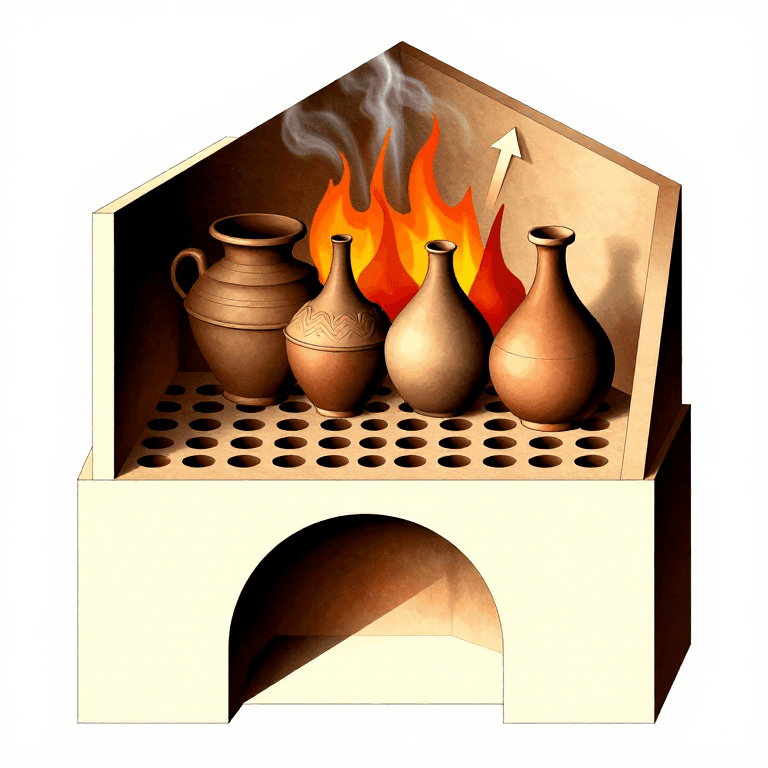
Set the bowls in saggars, stack them in the kiln and seal the door. Between 900 °C and 1230 °C, feed fuel often, and when combustion is insufficient fire in reduction: the iron in the glaze gives up oxygen, and the mix of divalent and trivalent iron turns the glaze blue-green. Not given: how long the firing takes.

Herramientas necesarias:

Caja refractariaCaja refractaria
Horno cerámicoHorno cerámico
LadrilloLadrillo
LeñaLeña
PirómetroPirómetro

Materiales

5

Herramientas requeridas

21

CC0 Dominio público

Este Blueprint se publica bajo CC0. Eres libre de copiar, modificar, distribuir y usar este trabajo para cualquier propósito, sin pedir permiso.

Apoya al Maker comprando productos a través de su Blueprint, donde gana una Comisión del Maker establecida por los vendedores, o crea una nueva iteración de este Blueprint e inclúyela como conexión en tu propio Blueprint para compartir ingresos.

Discusión

(0)

Iniciar sesión para unirte a la discusión

Cargando comentarios...