Collaboration
ART
BEAUTÉ ET BIEN-ÊTRE
ARTISANAT
CULTURE ET HISTOIRE
DIVERTISSEMENT
ENVIRONNEMENT
NOURRITURE ET BOISSONS
INGÉNIERIE INVERSE
SCIENCES
SPORTS
TECHNOLOGIE
TECHNOLOGIE PORTABLE
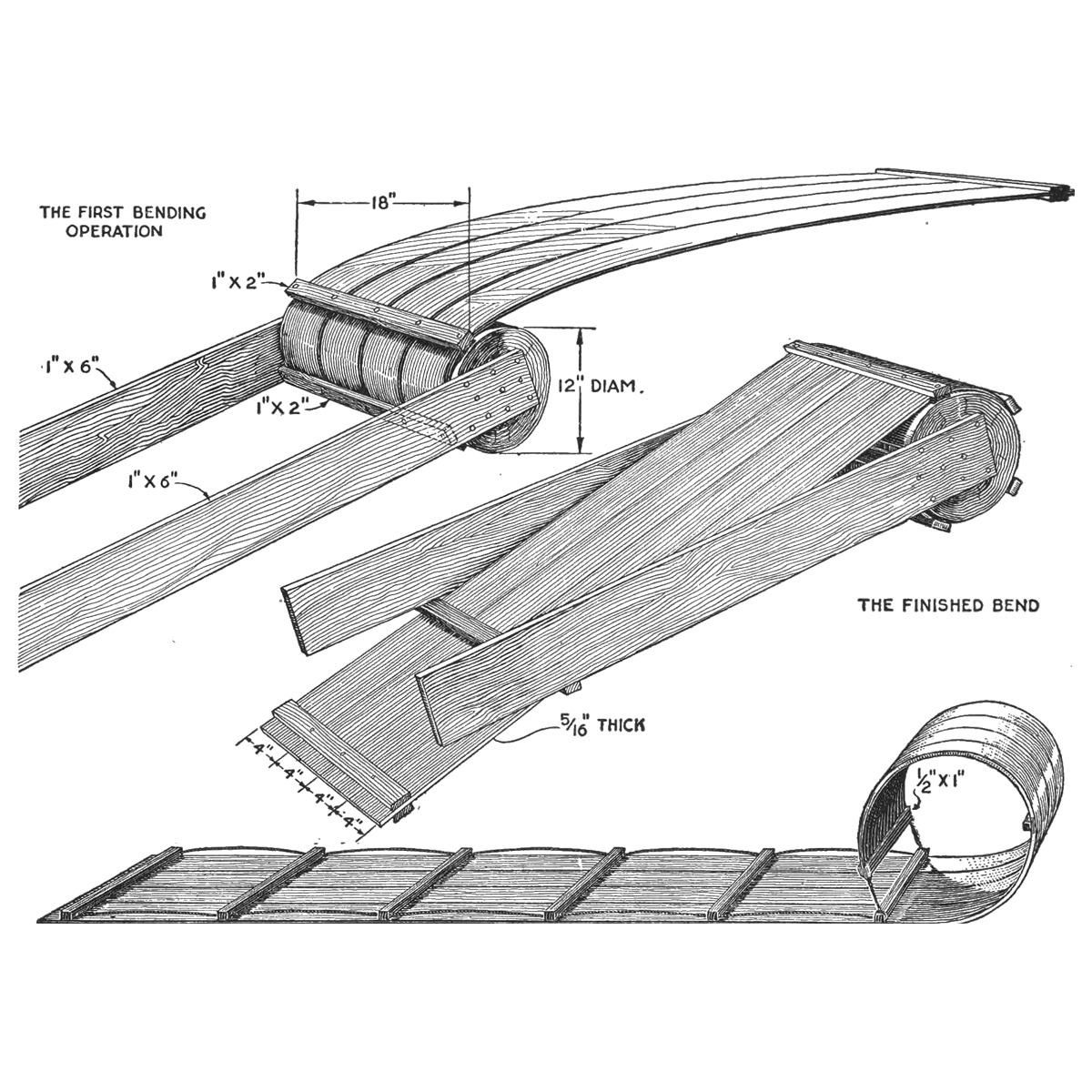


Coasting Toboggan: Four Steamed Hardwood Boards Bent Over a Log Form (Boy Mechanic, 1919)
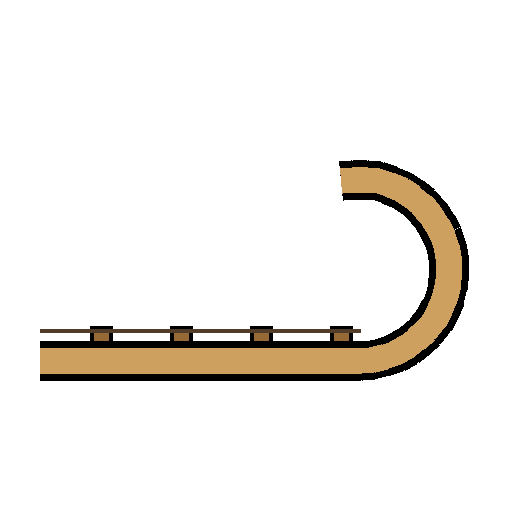
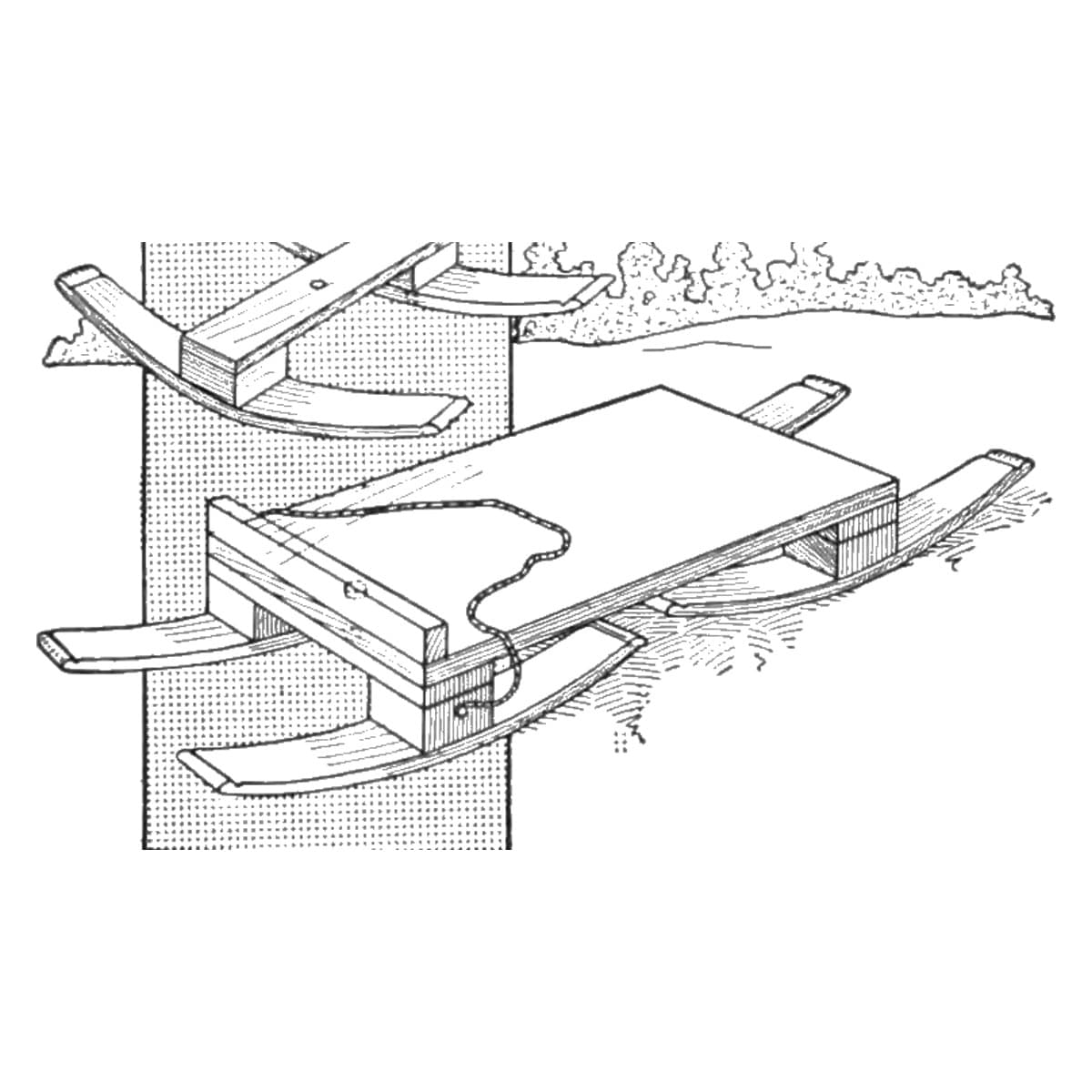
A. M. Parker's toboggan from The Boy Mechanic, Book 3 (1919), 7-1/2 ft long and 16 in wide: four 5/16 in hardwood boards steamed at one end and bent round a 12 in log on a simple form, held by notched cross cleats, the curl riveted and wired, and a rope run along the sides.
Intermédiaire
About 1 week (four days drying)
Consignes
1
1
His mill bill in centimetres
His mill bill in centimetres
Chargement du notebook Jupyter…
2
2
Read The Boy Mechanic, Book 3
Read The Boy Mechanic, Book 3
"Essentials of a good toboggan, whether for coasting or use in transportation, are strength and lightness." Woods in order of merit: hickory, birch and oak (not quarter-sawed).
3
3
Prepare the boards and cleats
Prepare the boards and cleats
Choose four 5/16 by 4 in by 10 ft boards straight in grain and free from knots. Plane the running side and bevel the edges so that, together, they form a wide V joint half the depth of the boards. Notch the seven 1 by 1 in cross cleats on one side, 1 in from each end, for the side ropes.
Matériaux pour cette étape :
 Planche de bois dur4 pièces
Outils nécessaires :
 Rabot
 Scie égoïne
 Ciseaux à bois
 Crayon
 Mètre ruban
4
4
Build the bending form
Build the bending form
Bore a gimlet hole through the centre of each 1 by 2 by 18 in piece and two more 4-1/4 in each side of it. Nail one 6 ft common board to each end of the 12 in by 18 in log block so their ends run parallel. With 3 in nails fix one bored cleat to the block between them, held out 1/2 in by a temporary spacer.
Matériaux pour cette étape :
 Planche de pin2 pièces
 Clous1 pièce
Outils nécessaires :
Scie égoïne Chignole à main
 Marteau
5
5
Steam and bend
Steam and bend
Steam about 3 ft of the board ends, or boil them in a tank. Clamp or nail the dry ends together edge to edge between two of the 1 by 2 in pieces, about 1/4 in apart. Push the steamed ends under the cleat on the block (its nails slip between the boards), bear down and nail on another bored cleat as far as the floor allows. Turn it over and bend the boards round the block, nailing on more cleats, until the clamped end lies between the 6 ft boards; hold it with a piece nailed across. The closer the cleats, the less risk of splitting.
Matériaux pour cette étape :
Clous1 pièceOutils nécessaires :
 Grande marmiteMarteau
 Serre-joint à pompe
6
6
Fit the cleats and finish
Fit the cleats and finish
Dry at least four days on the form. Clamp the two 1/2 by 1 in pieces on each side of the bow ends, drill through and rivet them. Rivet a 1 by 1 in crossbar inside the bow at the extreme front and another under the end of the curl, and wire them together to hold the bend. Put the tail crossbar not nearer than 2-1/2 in from the board ends and space the rest evenly, notched side down. Trim, scrape and sandpaper the bottom, finish with oil, and run a 3/8 in rope through the notches under the cleat ends.
Matériaux pour cette étape :
Planche de bois dur1 pièce Rivets en acier1 pièce
 Fil de fer1 pièce
 Huile de lin1 pièce
 Papier abrasif1 pièce
 Corde de coton1 pièce
Outils nécessaires :
Chignole à mainMarteauScie égoïne Racloir en acier
 Pince plate
7
7
Troubleshooting
Troubleshooting
Toboggan troubleshooting.
Flow
Loading...
8
8
History and honest limits
History and honest limits
From "Making a Coasting Toboggan" by A. M. Parker, in **The Boy Mechanic, Book 3**, Popular Mechanics, 1919 (Project Gutenberg 71856; checked on the archive.org scan boymechanic0003unse, pp. 11-13). The tools and metric figures are ours.
Matériaux
8- 4 piècesEspace réservé
- 2 piècesEspace réservé
- 2 piècesEspace réservé
- 1 pièceEspace réservé
- 1 pièceEspace réservé
- 1 pièceEspace réservé
- 1 pièceEspace réservé
- 1 pièceEspace réservé
Outils requis
11- Espace réservé
- Espace réservé
- Espace réservé
- 1 vendor sell this, none ship to you yetEspace réservé
- 1 vendor sell this, none ship to you yetEspace réservé
- Espace réservé
- Espace réservé
- Espace réservé
- Espace réservé
- Espace réservé
- Espace réservé
Ce plan fabrique
Blueprints liés
Ces blueprints partagent des connaissances — techniques, matériaux ou principes
CC0 Domaine public
Ce blueprint est publié sous CC0. Vous êtes libre de copier, modifier, distribuer et utiliser ce travail pour tout usage, sans demander la permission.
Soutenez le Maker en achetant des produits via son Blueprint où il perçoit une Commission Maker définie par les Vendeurs, ou créez une nouvelle itération de ce Blueprint et incluez-le comme connexion dans votre propre Blueprint pour partager les revenus.