
Collaboration
ART
BEAUTÉ ET BIEN-ÊTRE
ARTISANAT
CULTURE ET HISTOIRE
DIVERTISSEMENT
ENVIRONNEMENT
NOURRITURE ET BOISSONS
INGÉNIERIE INVERSE
SCIENCES
SPORTS
TECHNOLOGIE
TECHNOLOGIE PORTABLE
Corn Whiskey (Moonshine): Indian Corn Alone, Scalded, Malted, Singled and Doubled (Hall, 1818)
Alchometer

Créé par

Alchometer

19. novembre 2026GB
1
0
0
1
0

Corn Whiskey (Moonshine): Indian Corn Alone, Scalded, Malted, Singled and Doubled (Hall, 1818)

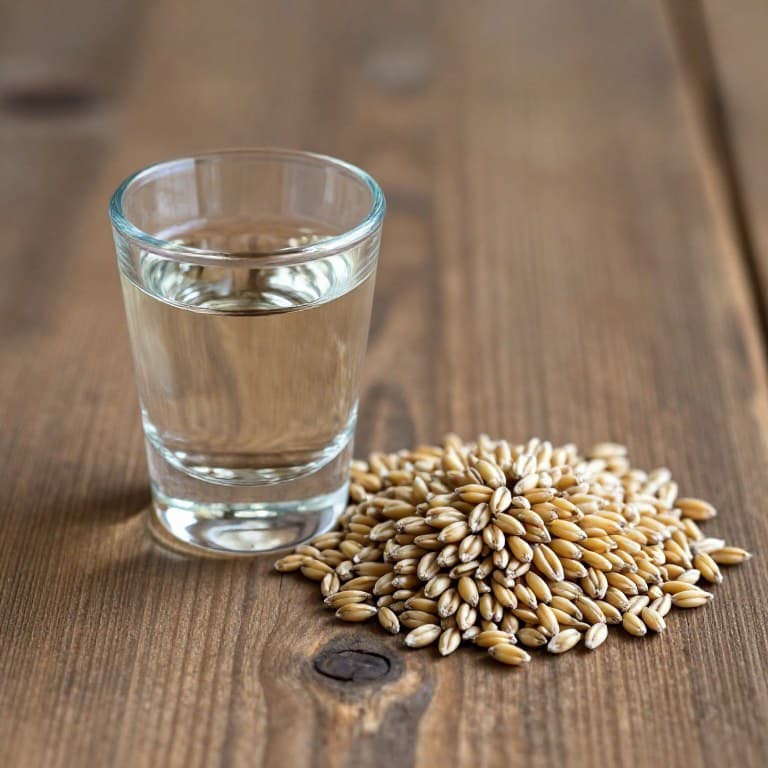
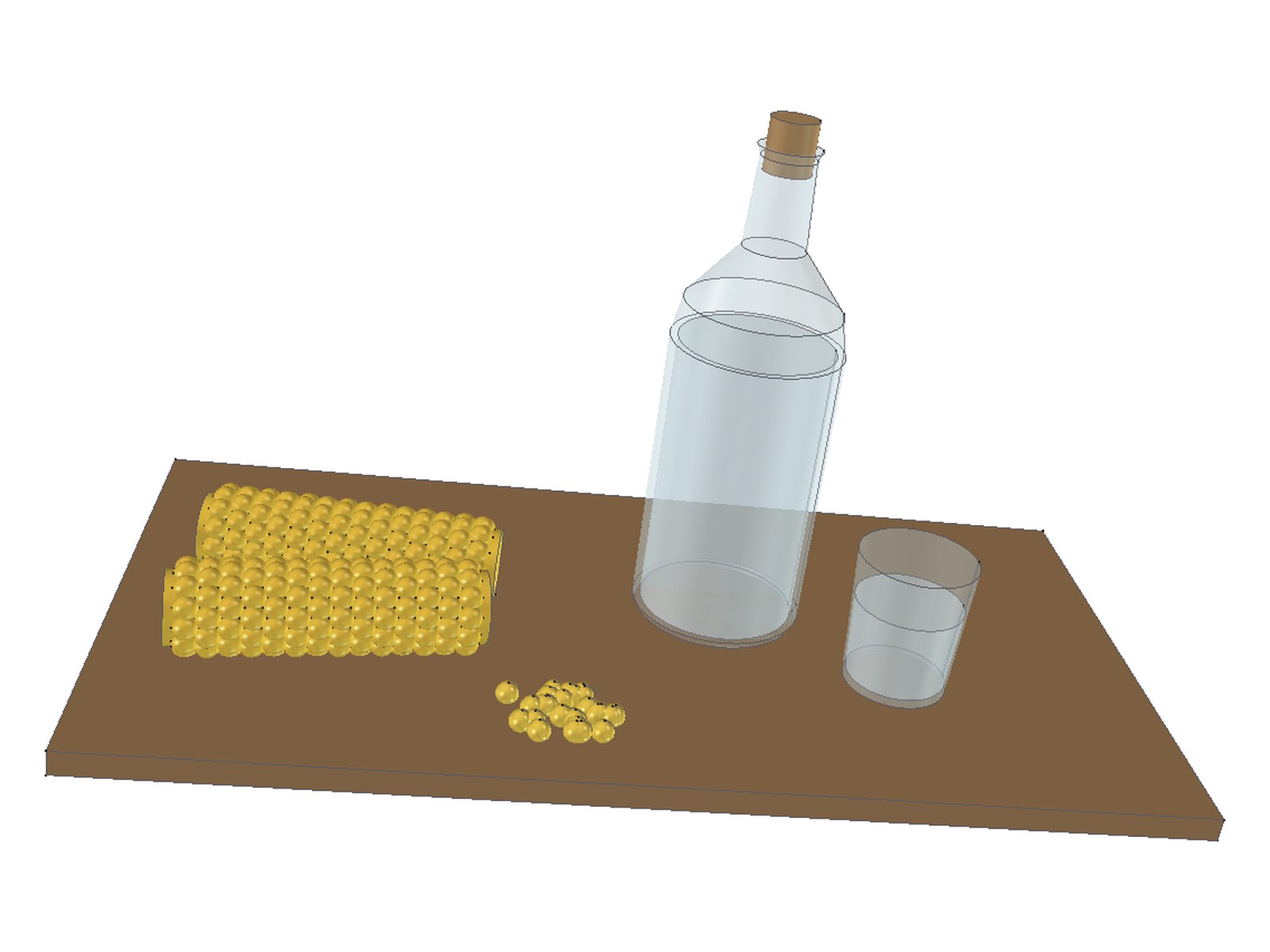
Plain corn whiskey, the clear spirit called moonshine, with no flavouring, as Harrison Hall mashes Indian corn alone in The Distiller (Philadelphia, 1818). Cornmeal is soaked at 110 F, scalded with boiling water and malted, then fermented with yeast and returns. It is distilled to singlings, then doubled, and cut when the proof is off. Distilling spirits without a licence is illegal in many countries: check your law first.
Avancé
About 1 week

Consignes

1

Read Hall, and the law

Hall on corn alone: "This should be avoided if possible, the weight of corn being very great, and having a very small proportion of bran, it sinks to the bottom of the hogshead and is consequently difficult to be fermented." Ours: distilling spirits without a licence is illegal in many countries, Norway and the United States among them. Check your law first.
2

The still

A pot still with a worm in a tub of cold water.
3

Your size

Chargement du notebook Jupyter…
4

Scald a clean cask

Scald the mashing cask completely and keep anything acid out of it. Hall: the grand secret of good fermentation is cleanliness.

Outils nécessaires :

Tonneau en boisTonneau en bois
Grande marmiteGrande marmite
5

Soak the meal at 110 F

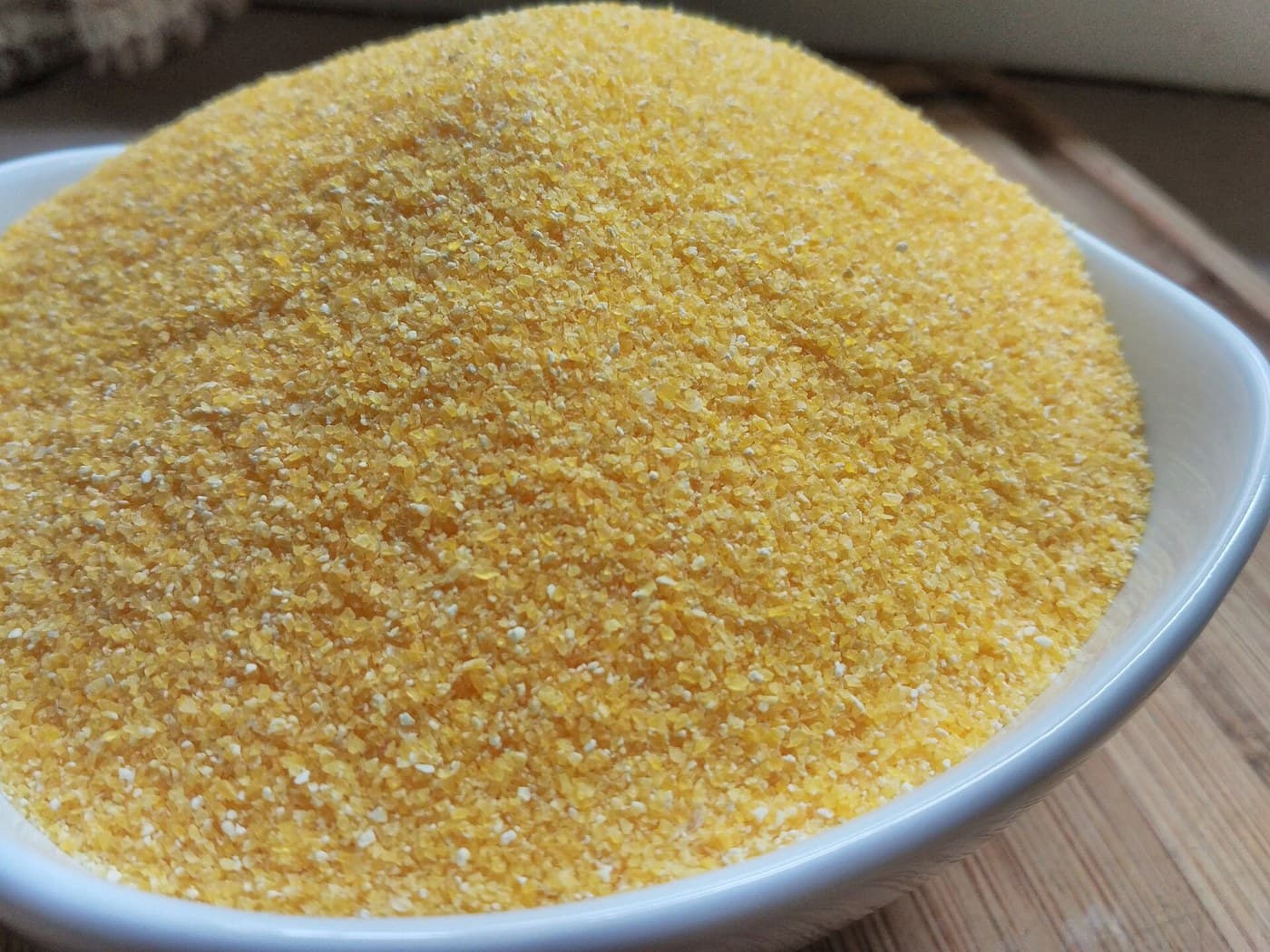
Put the first water, at about 110 F (43 C), in the cask. Stir in the cornmeal well and let it stand one to two hours.

Matériaux pour cette étape :

Farine de maïsFarine de maïs1 as required
EauEau1 as required

Outils nécessaires :

Tonneau en boisTonneau en bois
Pagaie en boisPagaie en bois
Thermomètre de cuissonThermomètre de cuisson
Balance de cuisine numériqueBalance de cuisine numérique
6

Scald with boiling water

Add the boiling water (twice the first), stir it well and cover it for thirty minutes. Well scalded corn cracks, water oozes from the cracks, the oar moves freely and little sticks to it.

Matériaux pour cette étape :

EauEau1 as required

Outils nécessaires :

Grande marmiteGrande marmite
Pagaie en boisPagaie en bois
7

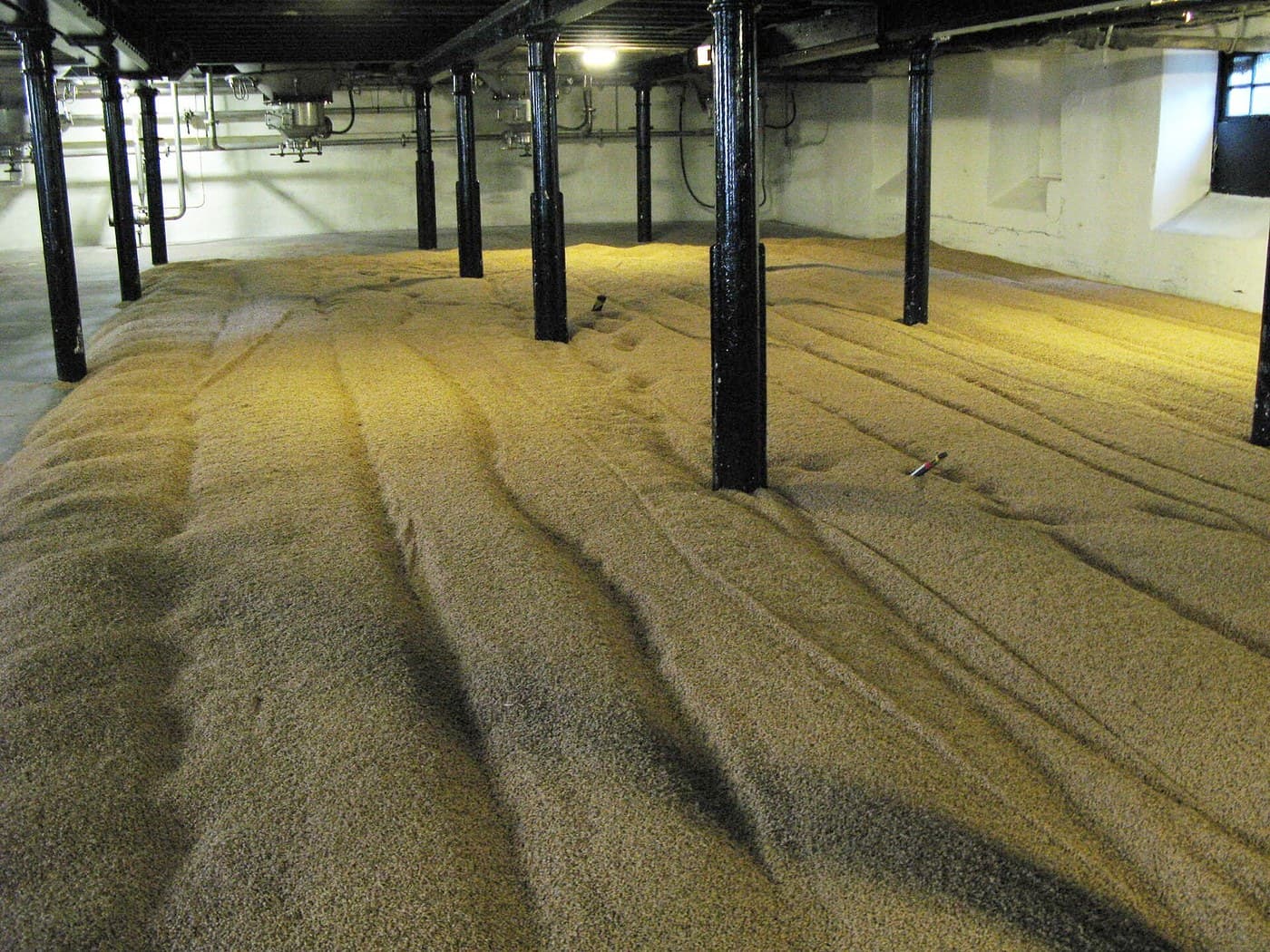
Add the malt

Add the ground malt and stir it often until it is fit to cool off. Hall's rate: 10 to 15 lb a hogshead in cold weather, less in warm.

Matériaux pour cette étape :

Malt pâleMalt pâle1 as required

Outils nécessaires :

Pagaie en boisPagaie en bois
8

Cool off and yeast

Cool it off with returns and water, warmer than a mixed-grain mash (that one: 80-90 F in winter, 75 F in summer), and fill the cask within six inches of the top. Stir in yeast: corn alone needs more than the one or two quarts of a mixed mash. Cover it. Ours: on your first batch there are no returns yet, so use water.

Matériaux pour cette étape :

Levure de brassageLevure de brassage1 as required
EauEau1 as required

Outils nécessaires :

Tonneau en boisTonneau en bois
Thermomètre de cuissonThermomètre de cuisson
Pagaie en boisPagaie en bois
9

Ferment until fit for the still

Leave it covered and at rest. Hall's mixed mash is fit for the still in 50 or 60 hours.

Outils nécessaires :

Tonneau en boisTonneau en bois
10

Charge and paste the still

Charge the still with the wash. Keep stirring until it boils, so the corn does not burn on. Paste the joints with rye meal and water, well worked in the hand.

Matériaux pour cette étape :

Farine de seigleFarine de seigle1 as required
EauEau1 as required

Outils nécessaires :

Alambic de distillationAlambic de distillation
Pagaie en boisPagaie en bois
11

Run the singlings

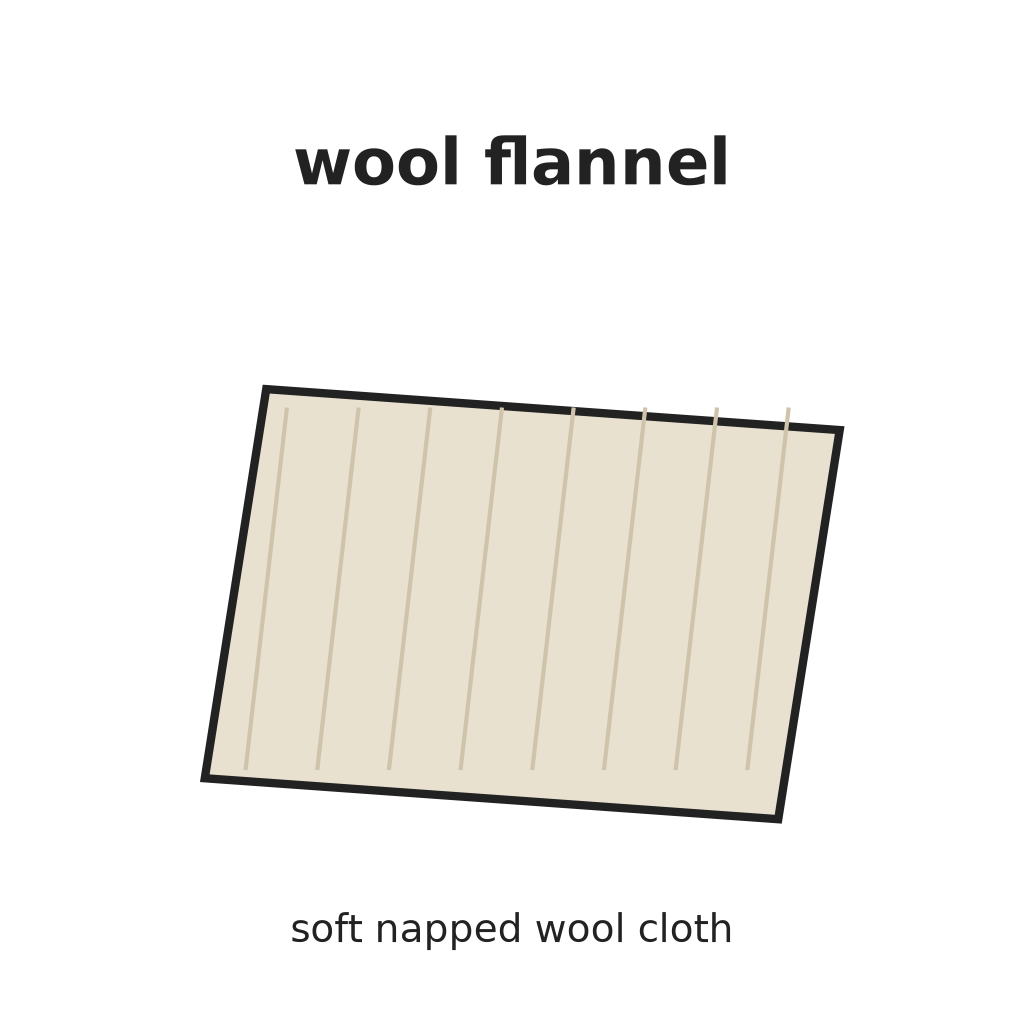
Run the singlings through a flannel strainer. If wash runs out of the worm, damp the fire. Stop when a little thrown on the still head no longer burns at a candle.

Outils nécessaires :

Alambic de distillationAlambic de distillation
Flanelle de laine (pour filtrer)Flanelle de laine (pour filtrer)
BougieBougie
Verre doseurVerre doseur
12

Keep the returns

Let the spent wash settle. The thin top part is the returns for the next mash. Hall: they add about a tenth to the yield, but leave them out for a week now and then.

Outils nécessaires :

Tonneau en boisTonneau en bois
13

Double: first shot back

Put the singlings in the still again. The first running, the first shot, goes back into the singlings.

Outils nécessaires :

Alambic de distillationAlambic de distillation
Flacon de verre (petit, pour échantillons)Flacon de verre (petit, pour échantillons)
14

Cut when the proof is off

Run spirit into a clean receiver until the proof is off: no bubbles stay on top of the liquor in the receiver. That is your corn whiskey.

Outils nécessaires :

Verre doseurVerre doseur
Flacon de verre (petit, pour échantillons)Flacon de verre (petit, pour échantillons)
15

Feints to the next doubling

Run the rest as long as it will burn: the feints. Keep them apart and run them again in the next doubling. Never mix feints into the whiskey. Keep a wet sheet ready for the doubling still.

Outils nécessaires :

Tonneau en boisTonneau en bois
BougieBougie
Toile de cotonToile de coton
16

Bottle it clear

Bottle the clear whiskey and stopper it. Nothing is added: this is the plain spirit.

Outils nécessaires :

Bouteilles en verre avec bouchonsBouteilles en verre avec bouchons
17

Troubleshooting

Corn whiskey problems and fixes.

Flow

Loading...
18

History and honest limits

**Harrison Hall**, *The Distiller* (2nd ed., Philadelphia, 1818), pp. 100, 121-128, 150, 198, 225-226, 231. Hall does not say how much warmer to cool off corn alone, or how much more yeast it needs; neither do we. Ours: the metric figures, water in place of returns on the first batch, the law note.

Matériaux

5

Outils requis

12

CC0 Domaine public

Ce blueprint est publié sous CC0. Vous êtes libre de copier, modifier, distribuer et utiliser ce travail pour tout usage, sans demander la permission.

Soutenez le Maker en achetant des produits via son Blueprint où il perçoit une Commission Maker définie par les Vendeurs, ou créez une nouvelle itération de ce Blueprint et incluez-le comme connexion dans votre propre Blueprint pour partager les revenus.

Commentaires

(0)

Se connecter pour participer à la discussion

Chargement des commentaires...