
The Hooded Fountain Paint Brush: A Dome Shares the Paint Between Both Sides
Consignes
Paint the brush needs
Paint the brush needs
A turned perforated tube before it
A turned perforated tube before it
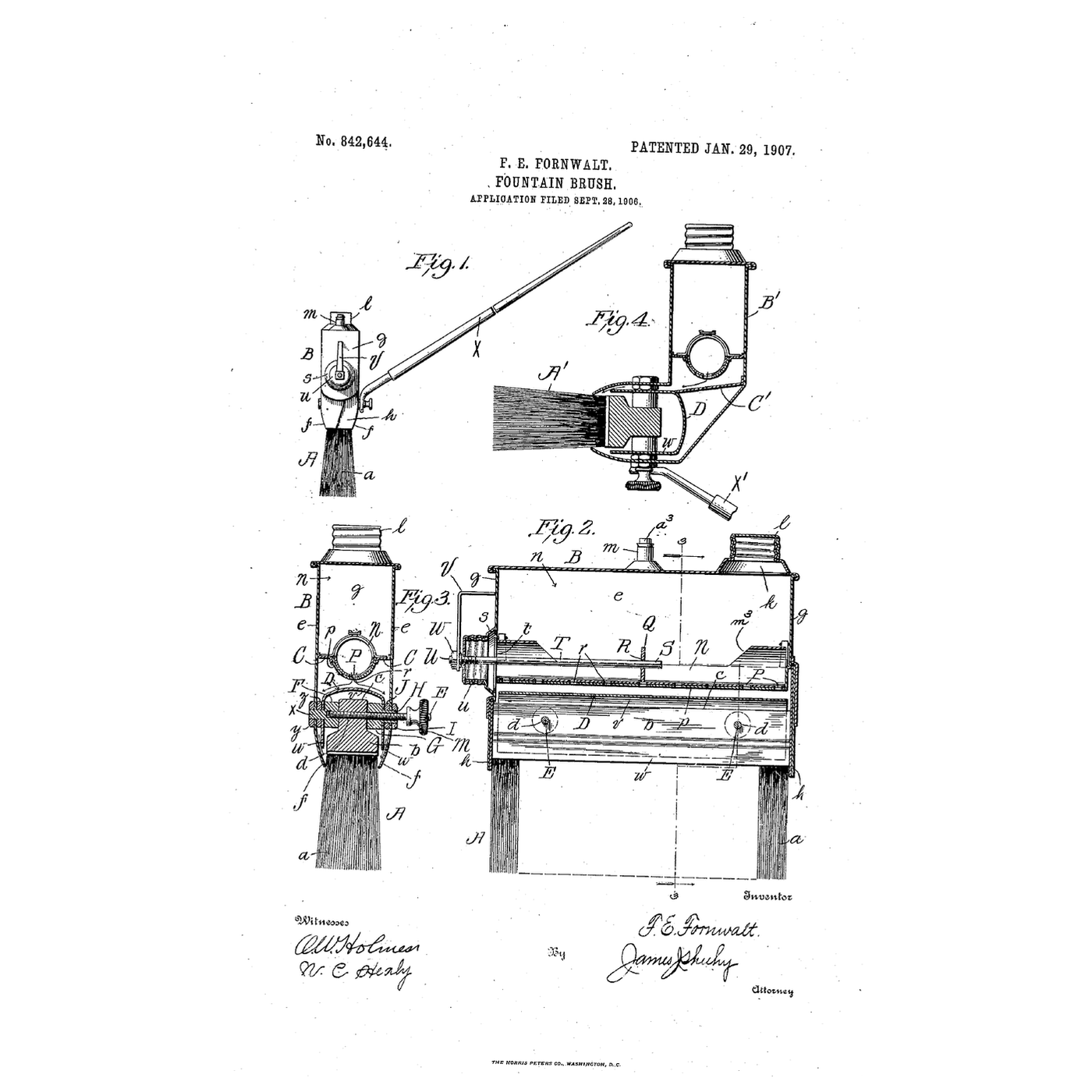
Read US 842,644
Read US 842,644
Fold the tank
Fold the tank
Matériaux pour cette étape :
 Tôle d'aluminium1 pièce
 Rivets aveugles1 pièce
 Mastic silicone1 pièce
Outils nécessaires :
 Cisaille à tôle
 Pince plate
 Étau d'établi
 Kit de riveteuse
 Perceuse sans fil
 Jeu de forets
 Jeu de scies-cloches
 Gants de travail en cuir
Drill the floor
Drill the floor
Outils nécessaires :
Perceuse sans filJeu de forets Marqueur permanent
 Règle
RègleMake the turning valve
Make the turning valve
Matériaux pour cette étape :
 Tube de cuivre 10 mm1 pièce
Outils nécessaires :
 Scie à métauxPerceuse sans filJeu de forets
 Limes (lime à main)Étau d'établi
Fold the hood
Fold the hood
Matériaux pour cette étape :
Tôle d'aluminium1 pièceRivets aveugles1 pièceOutils nécessaires :
Étau d'établiKit de riveteuseClamp on the brush
Clamp on the brush
Matériaux pour cette étape :
 Jeu de pinceaux1 pièce
 Assortiment de boulons à tête hexagonale1 pièce
 Écrou hexagonal1 pièce
 Rondelle plate1 pièceRivets aveugles1 pièce
Outils nécessaires :
Perceuse sans filJeu de forets Clé à molette
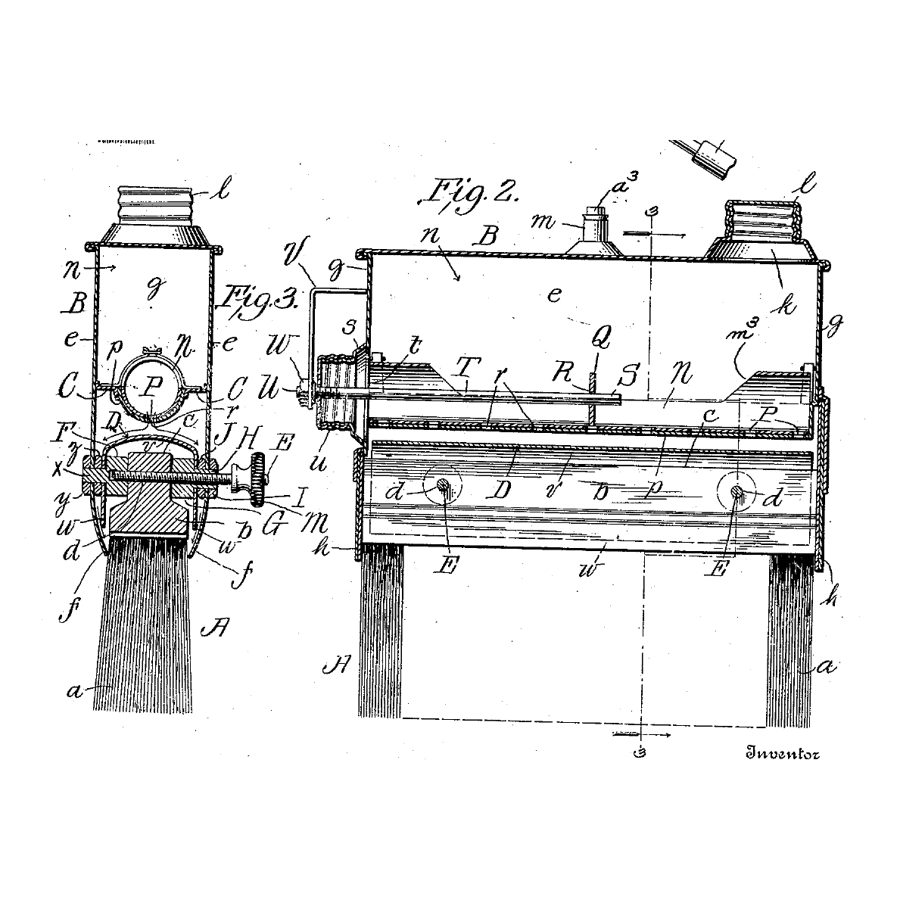
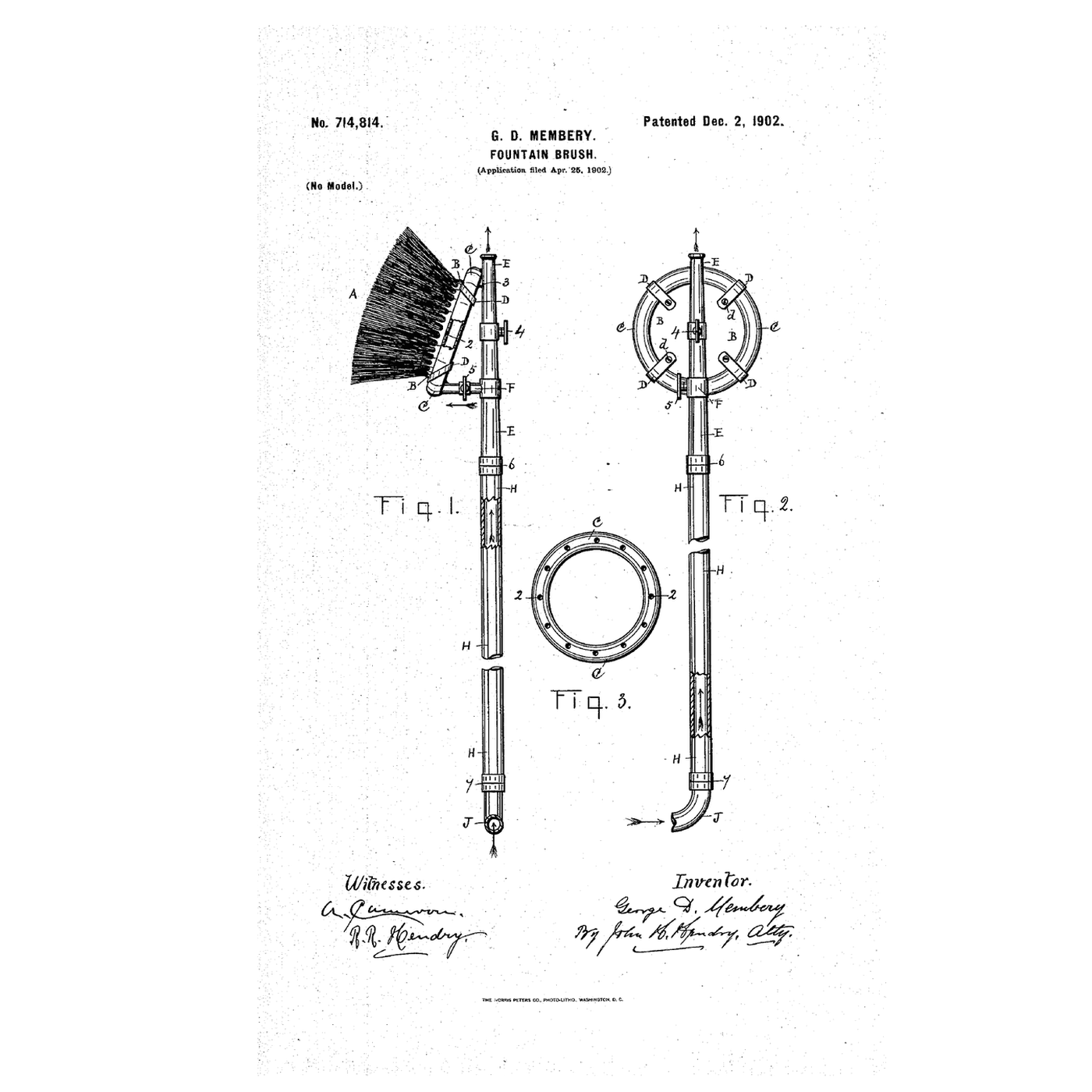
The patent drawing
The patent drawing
Paint and weigh
Paint and weigh
Matériaux pour cette étape :
 Coffret de peinture acrylique1 pièce
 Eau1 pièce
 Panneau de contreplaqué1 pièce
Outils nécessaires :
 Balance de cuisine numérique
 Mètre ruban
 Chronomètre
A brush that clogs, floods or paints one side
A brush that clogs, floods or paints one side
Flow
History and honest limits
History and honest limits
Matériaux
11- 1 pièceEspace réservé
- 3 piècesEspace réservé
- 1 pièceEspace réservé
- 1 pièceEspace réservé
- 1 pièceEspace réservé
- Espace réservé
- 1 pièceEspace réservé
- 1 pièceEspace réservé
- Espace réservé
- 1 pièceEspace réservé
- 1 pièceEspace réservé
Outils requis
16- Espace réservé
- Espace réservé
- Espace réservé
- Espace réservé
- 1 vendor sell this, none ship to you yetEspace réservé
- Espace réservé
- Espace réservé
- Espace réservé
- Espace réservé
- Espace réservé
- Espace réservé
- Espace réservé
- Espace réservé
- Espace réservé
- 1 vendor sell this, none ship to you yetEspace réservé
- Espace réservé
Blueprints liés
Ces blueprints partagent des connaissances — techniques, matériaux ou principes
The Tube-in-the-Back Fountain Brush: Turn the Tube and the Jets Become a Soak
par YourGrandma
Mécanique
Making Hide Glue Distemper — The Traditional Ceiling and Wall Paint of Europe
par Charlie
ART
The Long-Handled Fountain Brush: A Ring of Holes Wets the Bristles From the Ground
par Martin
Mécanique
CC0 Domaine public
Ce blueprint est publié sous CC0. Vous êtes libre de copier, modifier, distribuer et utiliser ce travail pour tout usage, sans demander la permission.
Soutenez le Maker en achetant des produits via son Blueprint où il perçoit une Commission Maker définie par les Vendeurs, ou créez une nouvelle itération de ce Blueprint et incluez-le comme connexion dans votre propre Blueprint pour partager les revenus.