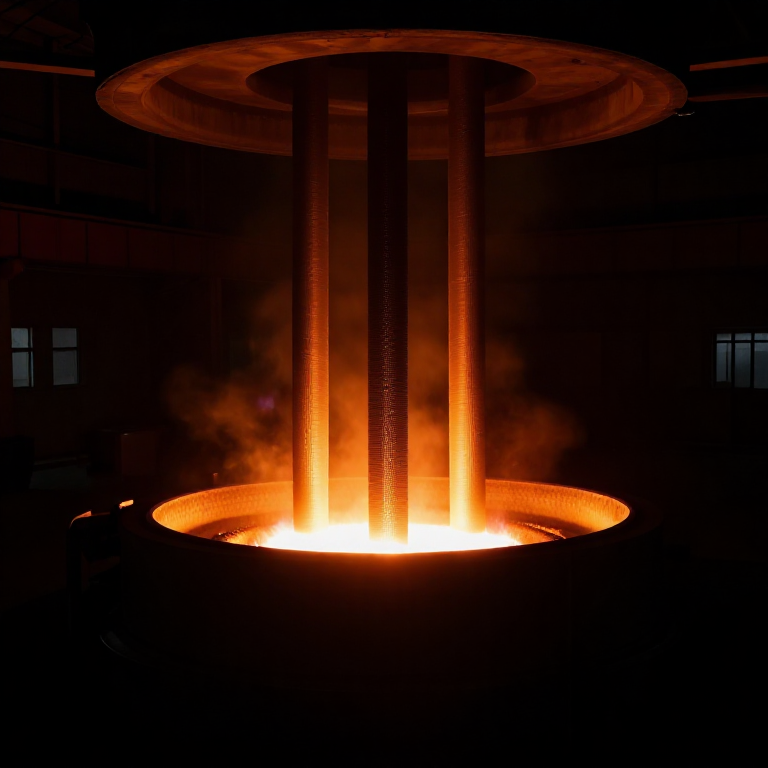


Héroult Electric Arc Furnace
دستورالعملها
Understand the hazards, which are unusual
Understand the hazards, which are unusual
An electric arc combines three separate dangers that most workshop processes do not.
- Ultraviolet: an open arc burns unprotected eyes and skin like an arc weld. Full shade-rated eye protection and covered skin, for everyone in the room, not only the operator.
- Electrical: high current at low voltage. Every connection must be sound; a loose joint heats and fails.
- Molten metal and spatter: a damp crucible or a damp charge produces a steam explosion that throws metal.
- Work outdoors or under extraction; arc furnaces produce metal fume.
- Have a dry sand bucket ready, never water.
The arc-eye risk is the one people underestimate. Damage happens without pain at the time and appears hours later. Anyone who might glance at the arc needs protection, which is why industrial arc furnaces run inside enclosures rather than relying on the operator's mask.
This build is a demonstration at small scale. Do not attempt it as a first metalworking project, and do not run it unattended.مواد مورد نیاز این مرحله:
 بوتهٔ گرافیت و رس1 قطعه
ابزارهای مورد نیاز:
 انبر بوته
 کولیس دیجیتال ۶ اینچی
Build the refractory hearth
Build the refractory hearth
A lined vessel that can hold a bath of molten metal and survive the arc above it.
- Build a steel shell — a thick-walled tin or a welded box — and line it with refractory clay to at least 30 mm.
- Form the hearth as a shallow dish so the melt pools in the centre under the electrodes.
- Dry the lining slowly over days, then fire it gently before first use.
- Provide a tapping spout, or plan to lift the whole vessel with tongs.
Drying slowly is not optional. Trapped moisture in a refractory lining turns to steam on first heat and blows the lining apart — the failure is sudden and throws hot material. Days of air drying followed by a slow first fire is the standard procedure and skipping it is the most common way these builds fail dangerously.
The dish shape matters: a flat hearth lets the melt spread thin and freeze, while a dished one keeps the bath deep under the arc where the heat is.مواد مورد نیاز این مرحله:
 بوتهٔ گِل نسوز1 قطعه
 بوتهٔ چدنی1 قطعه
ابزارهای مورد نیاز:
انبر بوته مجموعه سوهانکولیس دیجیتال ۶ اینچی
 گونیای ترکیبی
Mount adjustable carbon electrodes
Mount adjustable carbon electrodes
Arc length is the control variable, so the electrodes must move.
- Use carbon gouging rods or salvaged carbon electrodes.
- Mount each in a clamp on a vertical slide so it can be raised and lowered by hand.
- Insulate the holders from the frame and from each other.
- Connect to a suitable low-voltage high-current supply — an arc welder is the practical choice.
- Set both electrodes to strike against the charge, or against each other over it.
Arc length sets the power delivered. Too short and the electrodes touch, shorting the supply and delivering heat but no arc. Too long and the arc extinguishes. Everything between is a continuous adjustment, and on an industrial furnace it is done automatically by hydraulic rams responding to current — one of the earliest industrial feedback control systems, and a direct descendant of the centrifugal governor.
Héroult's own arrangement struck the arc between electrodes and the charge itself, so current passed through the metal. That detail is what distinguishes his design from a furnace merely heated by an arc nearby.مواد مورد نیاز این مرحله:
 تسمهٔ آلومینیومی1 قطعه
 تختهٔ چندلایهٔ توس بالتیک1 ورق
 واشر تخت8 قطعه
 مهرهٔ ششگوش4 قطعه
ابزارهای مورد نیاز:
 دریل شارژی
 مجموعه مته
 مجموعه آچار آلنمجموعه سوهانگونیای ترکیبی
Melt a scrap charge and compare with the converter route
Melt a scrap charge and compare with the converter route
The point is what goes IN, not what comes out.
- Charge the hearth with clean, dry scrap steel — nails, offcuts, bar ends.
- Strike the arc, hold it, and watch the charge collapse into a pool.
- Note the time to melt and estimate the energy used from the supply rating.
- Now list what a Bessemer converter would have required to make the same steel: blast furnace, coke, ore, limestone, hot metal.
- Compare the two input lists.
مواد مورد نیاز این مرحله:
 شمش سرب خام (از ذوب گالن)1 ingot
ابزارهای مورد نیاز:
انبر بوته کرونومترکولیس دیجیتال ۶ اینچی
Heat without combustion, and history
Heat without combustion, and history
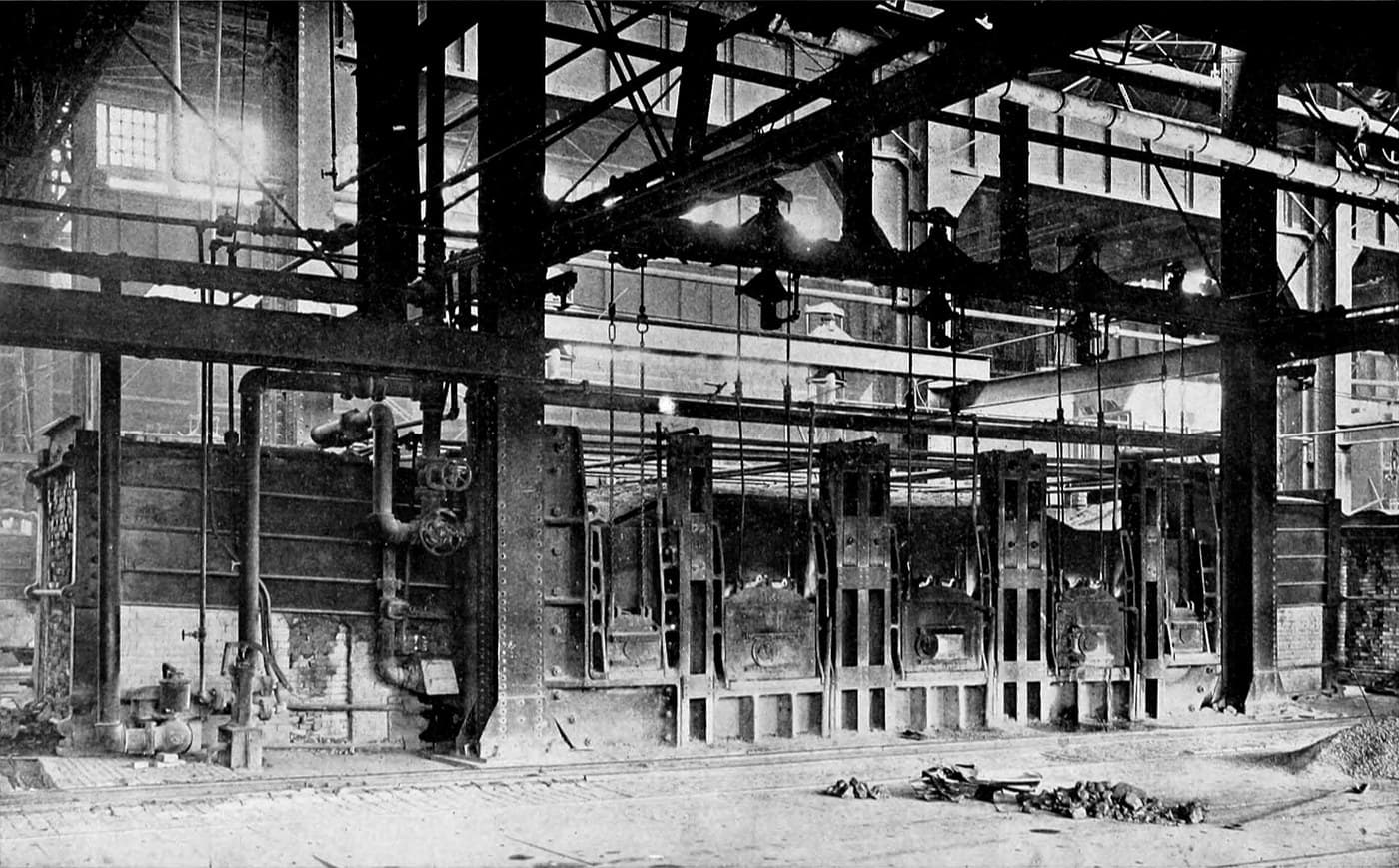
Paul Héroult is better known for the Hall-Héroult process for smelting aluminium, developed simultaneously and independently with Charles Martin Hall in 1886. He applied the same instinct — use electricity as the heat source rather than fire — to steel, and his commercial arc furnace went to work around 1900. Both inventions depended on cheap electricity, which is why neither could have happened much earlier.
Why separating heat from combustion matters chemically. In an open hearth the flame plays over the bath, so combustion products are in contact with the metal and the atmosphere above it is whatever the fuel makes it. In an arc furnace the heat arrives as electricity and the atmosphere can be controlled independently — which allows alloy steels, stainless steels and tool steels whose elements would be oxidised away by a flame. High-alloy steelmaking is essentially an arc furnace product.
Where it sits in the chronological chain: the blast furnace makes iron from ore, puddling and then Bessemer and open hearth turn that iron into steel, and the arc furnace turns steel back into steel. It is the first process in this sequence that does not begin with ore at all, and that is why it changed the industry's geography — a minimill needs scrap and power, not a coalfield.
Its honest limits: enormous electrical demand, so its economics track the electricity price; dependence on scrap quality, since tramp elements like copper cannot be removed and accumulate through recycling; and electrode consumption, which is a real running cost. It complements rather than replaces the blast furnace route, because scrap alone cannot supply all the world's steel and never has.
مواد
8- 1 قطعهجایگزین
- 1 قطعهجایگزین
- 1 قطعهجایگزین
- 1 قطعهجایگزین
- جایگزین
- 8 قطعهجایگزین
- 4 قطعهجایگزین
- 1 ingotجایگزین
نقشههای مرتبط
این نقشهها دانش مشترکی دارند — تکنیکها، مواد یا اصول


CC0 مالکیت عمومی
این نقشه تحت مجوز CC0 منتشر شده است. شما آزاد هستید آن را کپی، ویرایش، توزیع و برای هر هدفی بدون نیاز به اجازه استفاده کنید.
با خرید محصولات از طریق نقشه از سازنده حمایت کنید و او کمیسیون سازنده تعیین شده توسط فروشندگان، دریافت میکند یا یک نسخه جدید از این نقشه ایجاد کنید و آن را به عنوان اتصال در نقشه خود قرار دهید تا درآمد به اشتراک گذاشته شود.