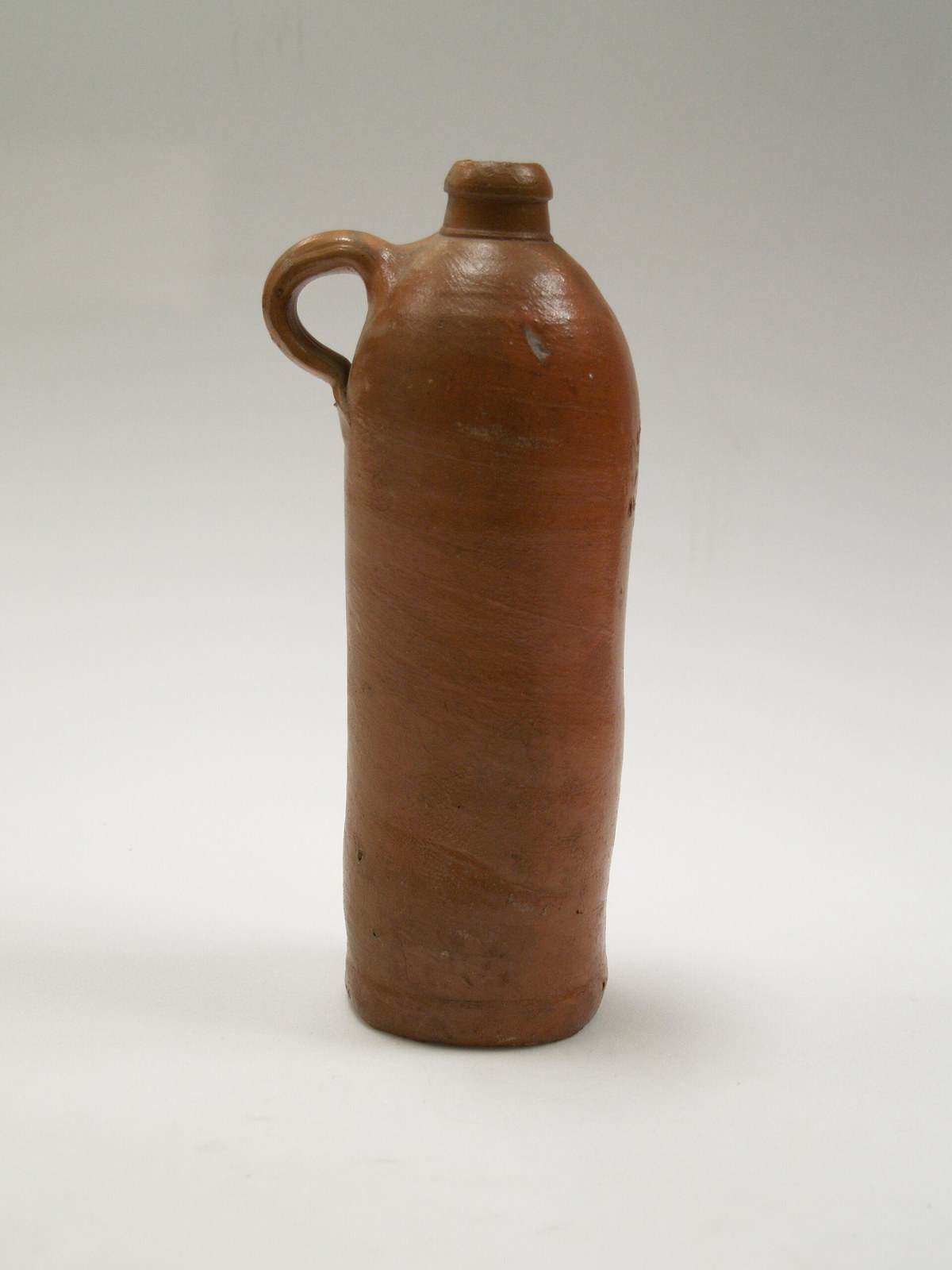

Dutch Geneva (Genever): Malt and Rye Mashed at 162 F, Distilled Three Times with Juniper and Hops (Byrn, 1868)
Leiðbeiningar
Read Byrn, and the law
Read Byrn, and the law
The still
The still
His measures in metric
His measures in metric
Grind the grain
Grind the grain
Efni fyrir þetta skref:
 Ljóst malt1 as required
 Rúgkorn1 as required
Nauðsynleg verkfæri:
 Kornmylla
Mash at 162 F
Mash at 162 F
Efni fyrir þetta skref:
 Vatn1 as required
Nauðsynleg verkfæri:
 Trébali
 Tréskeið
 Eldhúshitamælir
 Stór pottur
Cut with cold water
Cut with cold water
Efni fyrir þetta skref:
Vatn1 as requiredNauðsynleg verkfæri:
Trébali Flotvog
Ferment 48 hours
Ferment 48 hours
Efni fyrir þetta skref:
 Bruggger1 as required
Nauðsynleg verkfæri:
 TrétunnaEldhúshitamælir
Charge and lute the still
Charge and lute the still
Efni fyrir þetta skref:
 Kalsíumkarbónat (kalkhvíta)1 as required
 Rúgmjöl1 as requiredVatn1 as required
 Sápustykki1 stykki
Nauðsynleg verkfæri:
 Eimingartæki
Raise the fire by degrees
Raise the fire by degrees
Nauðsynleg verkfæri:
Eimingartæki Ofið ullarteppi
Set aside the first runnings
Set aside the first runnings
Nauðsynleg verkfæri:
 Mælikanna
Run the low wines
Run the low wines
Nauðsynleg verkfæri:
Eimingartæki KertiTrétunnaFlotvog
Second distillation
Second distillation
Nauðsynleg verkfæri:
EimingartækiThird distillation, juniper and hops
Third distillation, juniper and hops
Efni fyrir þetta skref:
 Einir (ber og viður)1 as required
 Humall1 as required
Nauðsynleg verkfæri:
EimingartækiCut at the bead
Cut at the bead
Nauðsynleg verkfæri:
 Glerhettuglas (lítið, fyrir sýni)Mælikanna
Collect the feints, stop the fire
Collect the feints, stop the fire
Nauðsynleg verkfæri:
TrétunnaKertiBring to proof
Bring to proof
Efni fyrir þetta skref:
Vatn1 as requiredNauðsynleg verkfæri:
FlotvogMælikannaRedistil the feints
Redistil the feints
Efni fyrir þetta skref:
 Salt1.8 kg
Nauðsynleg verkfæri:
EimingartækiKeep it in glass
Keep it in glass
Efni fyrir þetta skref:
 Glerflöskur með tappa1 stykki
Nauðsynleg verkfæri:
MælikannaTroubleshooting
Troubleshooting
Flow
History and honest limits
History and honest limits
Efni
11- 1 as requiredStaðgengill
- 1 as requiredStaðgengill
- 4 as requiredStaðgengill
- 1 as requiredStaðgengill
- 1 as requiredStaðgengill
- 1 as requiredStaðgengill
- 1 stykkiStaðgengill
- 1 as requiredStaðgengill
- 1 as requiredStaðgengill
- 1.8 kgStaðgengill
- 1 stykkiStaðgengill
Nauðsynleg verkfæri
12- Staðgengill
- Staðgengill
- Staðgengill
- Staðgengill
- Staðgengill
- Staðgengill
- Staðgengill
- Staðgengill
- Staðgengill
- Staðgengill
- Staðgengill
- Staðgengill
Efni úr tengdum teikningum

Þessi teikning býr til
Tengd Blueprint
Þessi blueprint deila þekkingu — tækni, efni eða meginreglur
Malt Whisky: Malt and Barley Meal Mashed at 150 F, Fermented 8 to 12 Days and Distilled (Byrn, 1868)
eftir Alchometer
Áfengi
Apple Brandy (Cider Spirits): Pressed Cider Fermented, Distilled to Low Wines and Doubled (Byrn, 1868)
eftir Alchometer
Áfengi
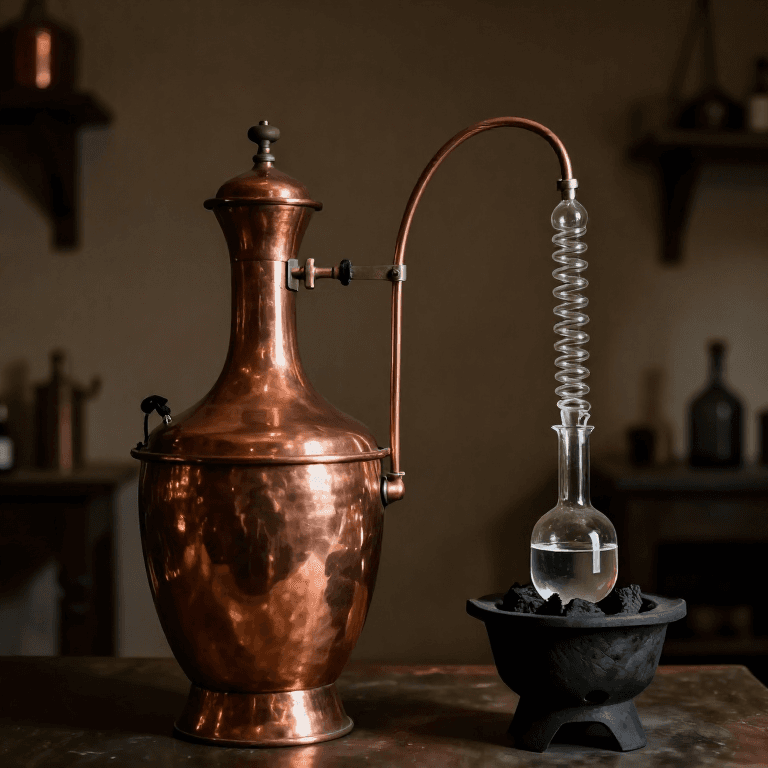
Building a Copper Alembic Still — Islamic Golden Age Distillation
eftir Charlie
HANDVERK
CC0 opinbert ríki
Þessi teikning er gefin út undir CC0. Þér er frjálst að afrita, breyta, dreifa og nota þetta verk í hvaða tilgangi sem er, án þess að biðja um leyfi.
Studdu smiðinn með því að kaupa vörur í gegnum teikningu hans þar sem hann fær þóknun smiða sem seljendur ákvarða, eða búðu til nýja endurskoðun á þessari teikningu og tengdu hana sem tengingu í þinni eigin teikningu til að deila tekjum.