LIST
FEGURÐ OG VELLÍÐAN
HANDVERK
MENNING OG SAGA
SKEMMTUN
UMHVERFI
MATUR OG DRYKKUR
ÖFUGVERKFRÆÐI
VÍSINDI
ÍÞRÓTTIR
TÆKNI
KLÆÐANLEG TÆKNI
The Electric Self-Starter: Kettering's Motor-Generator
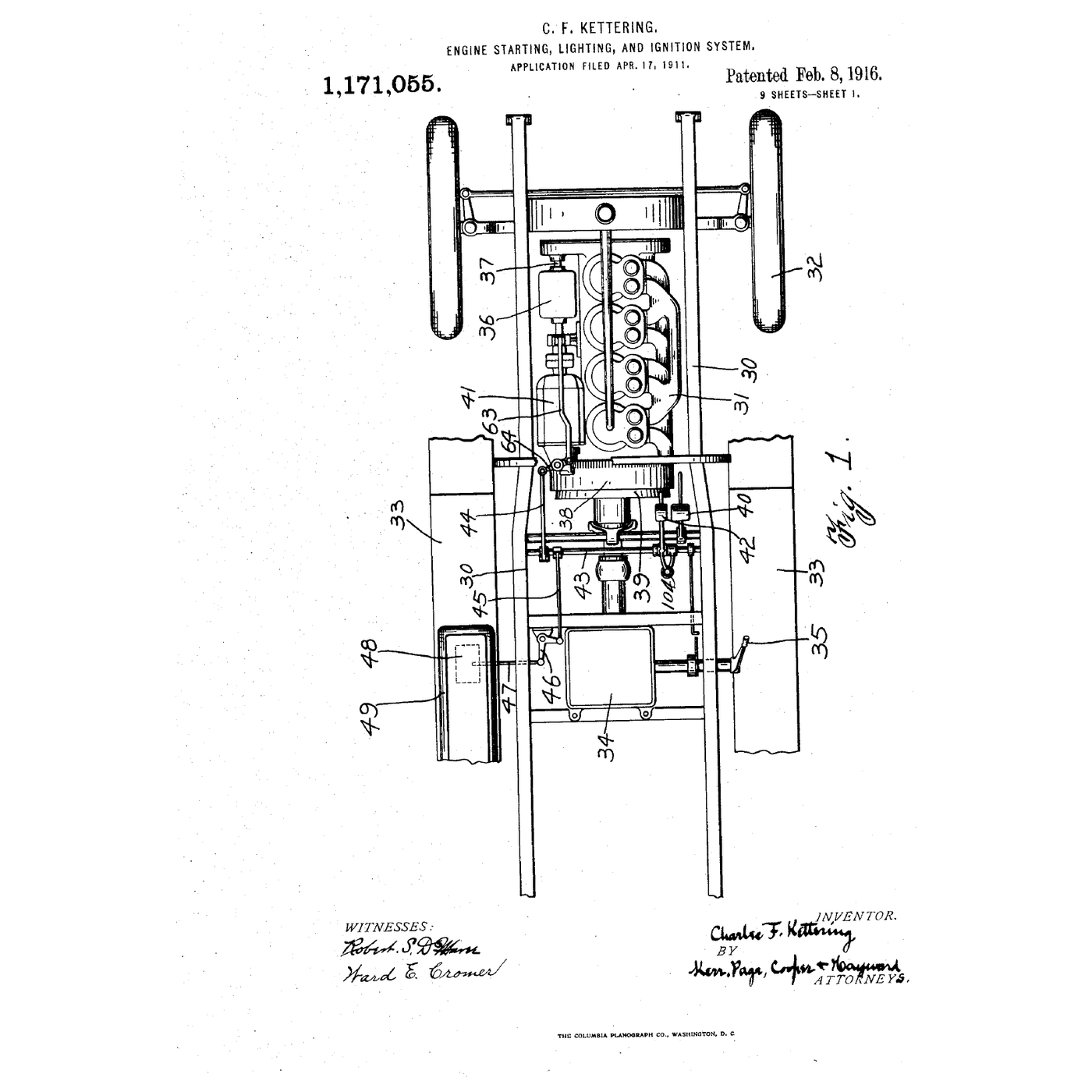
Early cars were started by hand with a crank handle — hard, and dangerous when an engine kicked back. Charles F. Kettering, at the Dayton Engineering Laboratories Company (Delco), filed in 1911 for a system in which one electric machine starts the engine as a motor and then, driven by it, runs as a generator to recharge the battery and power the lights and ignition. Cadillac fitted it from 1912.
His specification gives the trick that made a small machine do both jobs: batteries switched *"in series to give twenty-four volts"* for starting, and six volts when the machine runs as a generator.
This rung works out the current a starter draws, runs a hobby motor as both motor and generator, and switches a heavy load with a relay the way a starter solenoid does.
Miðlungs
About 3 hours
Leiðbeiningar
1
1
The starting sequence
The starting sequence
Blockly vinnusvæði
Loading Blockly workspace...
2
2
Cranking current
Cranking current
Hleð Jupyter-vinnubók…
3
3
One machine, motor and generator
One machine, motor and generator
Connect a hobby motor to the bench supply and read the current as it runs free, then as you load its shaft with your fingers: current rises with load. That is the motor half.
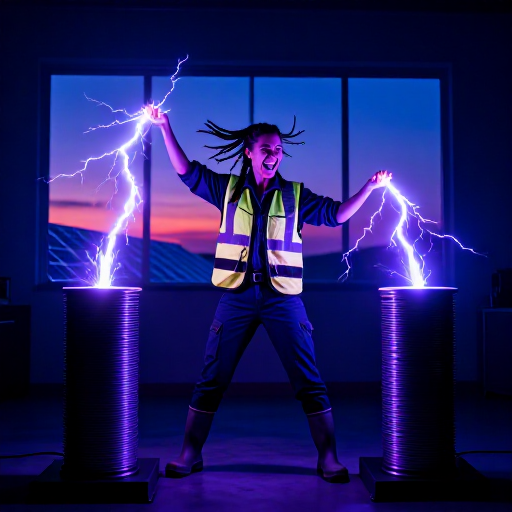
Now disconnect the supply, put the multimeter across the terminals and spin the shaft with the cordless drill: it makes a voltage that rises with speed. That is the generator half. Kettering's machine did both, with separate windings arranged so it worked well in each role.
Efni fyrir þetta skref:
 Gírmótor1 stykki
 Tengivírar1 sett
Nauðsynleg verkfæri:
 Jafnstraumsgjafi
 Fjölsviðsmælir
 Hleðslubor
 Stafrænn snúningshraðamælir
4
4
The overrunning clutch that protects the starter
The overrunning clutch that protects the starter
Once the engine fires it spins far faster than the starter can. An overrunning (one-way) clutch in the drive lets the pinion free-wheel so the engine cannot drag the motor to destruction. The embedded blueprint covers how a one-way clutch grips in one direction and slips in the other.
5
5
Switch a heavy load the way a solenoid does
Switch a heavy load the way a solenoid does
A starter switch cannot carry hundreds of amps; it carries a few, to a solenoid that closes the heavy contacts. Wire a relay so that a push-button and a small current from the 12 V battery energise its coil, and its contacts switch a 10 W power resistor across the battery. Read the coil current and the load current with the clamp meter: a small current controls a large one.
Fuse the load circuit, keep the leads short, and never short a lead-acid battery: it can deliver hundreds of amps and melt a spanner.
Efni fyrir þetta skref:
 SPDT-liði1 stykki
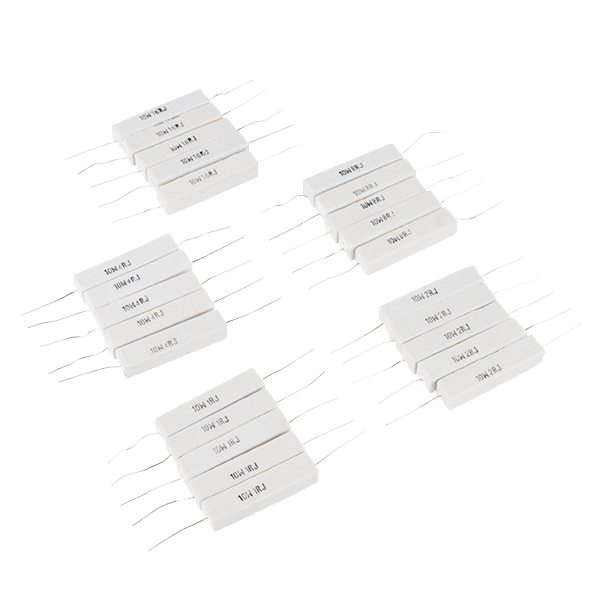 Power Resistor Kit - 10W (25 pack)1 pakkiTengivírar1 sett
Nauðsynleg verkfæri:
 12 V djúphleðslurafgeymir
 Klemmumælir AC/DC 600 AFjölsviðsmælir
 Tær öryggisgleraugu
6
6
History and context
History and context
**US 1,171,055, 'Engine Starting, Lighting, and Ignition System', Charles F. Kettering; filed 11 April 1911, granted 8 February 1916**, and the companion **US 1,150,523, 'Engine Starting Device', filed 15 June 1911, granted 17 August 1915**, assigned to the Dayton Engineering Laboratories Company. Cadillac made the electric starter standard from 1912, and the hand crank disappeared from cars within a decade.
**Honest limits.** A starter is short-duty: cranking for long overheats it. A weak or cold battery cannot deliver the current. And the large currents need heavy cables and sound connections — a corroded terminal is the commonest 'starter fault'.
Efni
4- frá$1.63
- 1 stykkiStaðgengill
- Power Resistor Kit - 10W (25 pack)10% þóknun1 pakki$5.74
Nauðsynleg verkfæri
7- Staðgengill
- Staðgengill
- Hleðslubor3% þóknunMagento Legacy Storeships internationallyStaðgengill
- Staðgengill
- 12 V djúphleðslurafgeymir10% þóknunStaðgengill
- Staðgengill
- Staðgengill
Áætlað alls
Það sem smiðurinn keypti. Efni án verðs færðu þar sem þú kaupir það.
Tengd Blueprint
Þessi blueprint deila þekkingu — tækni, efni eða meginreglur
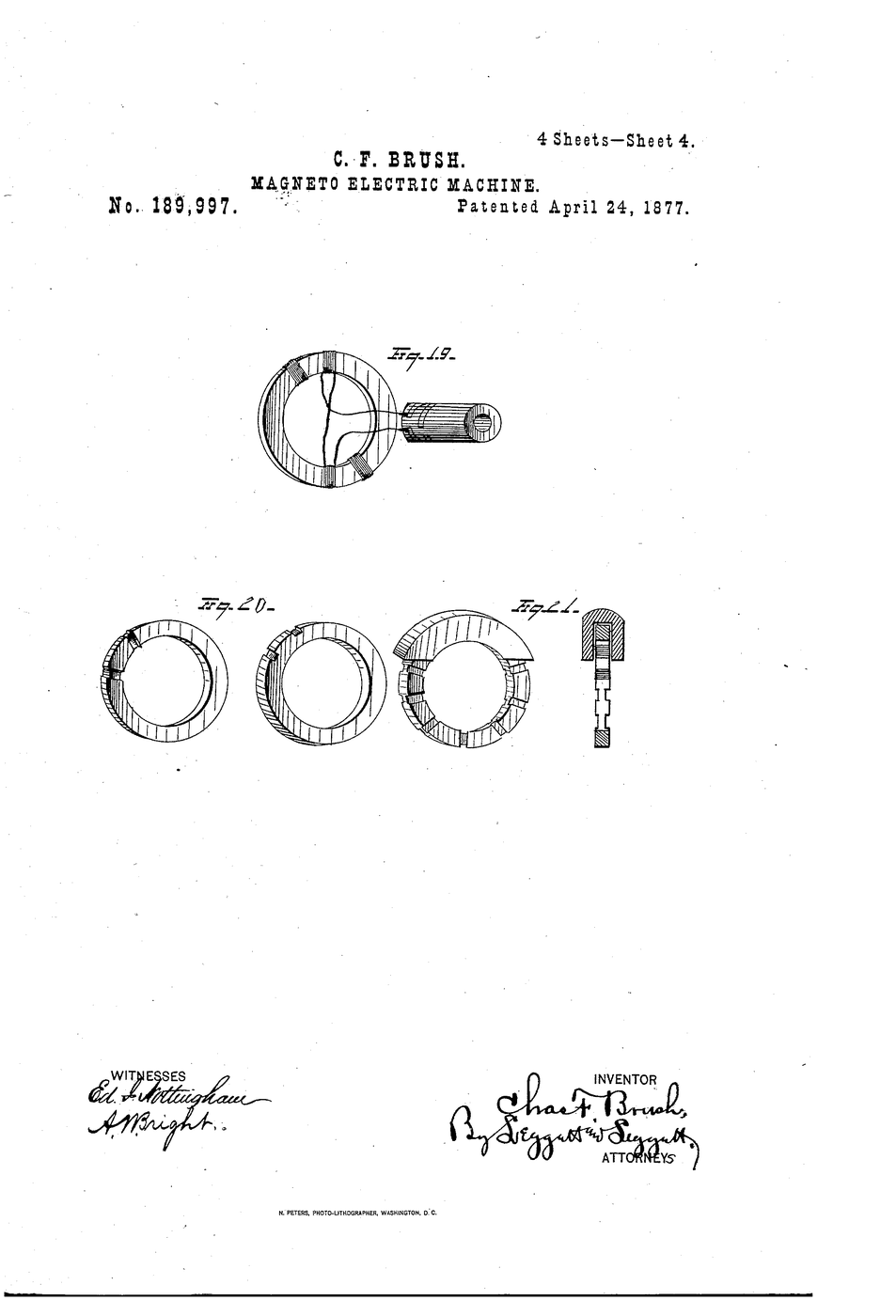
Brush Dynamo
eftir Emma
Orka
44
0
0
0
1
0
Hættulegt
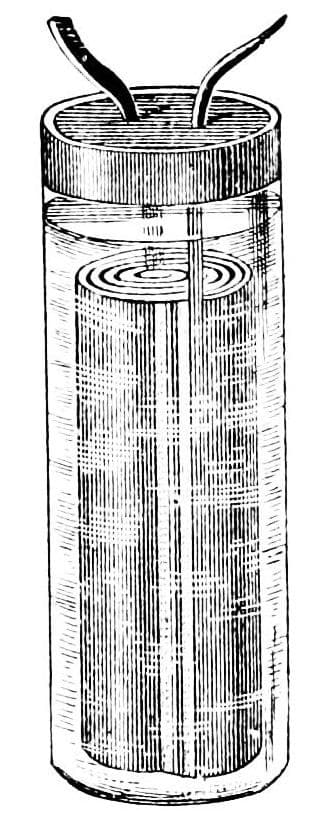
Plante Lead-Acid Cell
eftir Volt
Orka
61
0
0
0
0
0
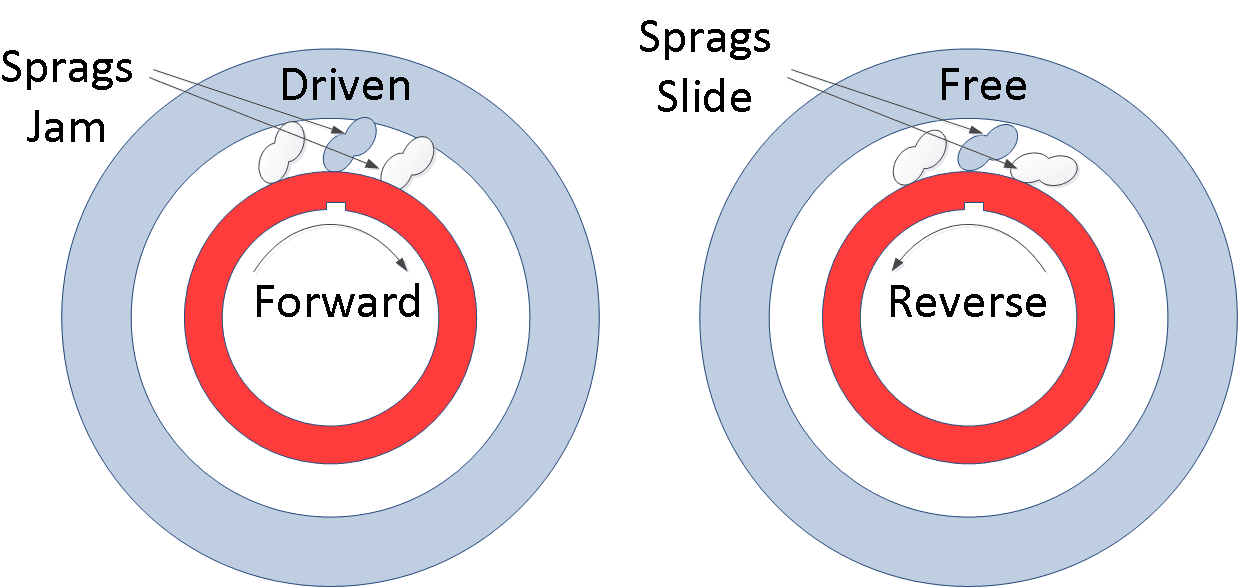
Sprag Clutch
eftir Martin
HANDVERK
59
0
0
0
0
0
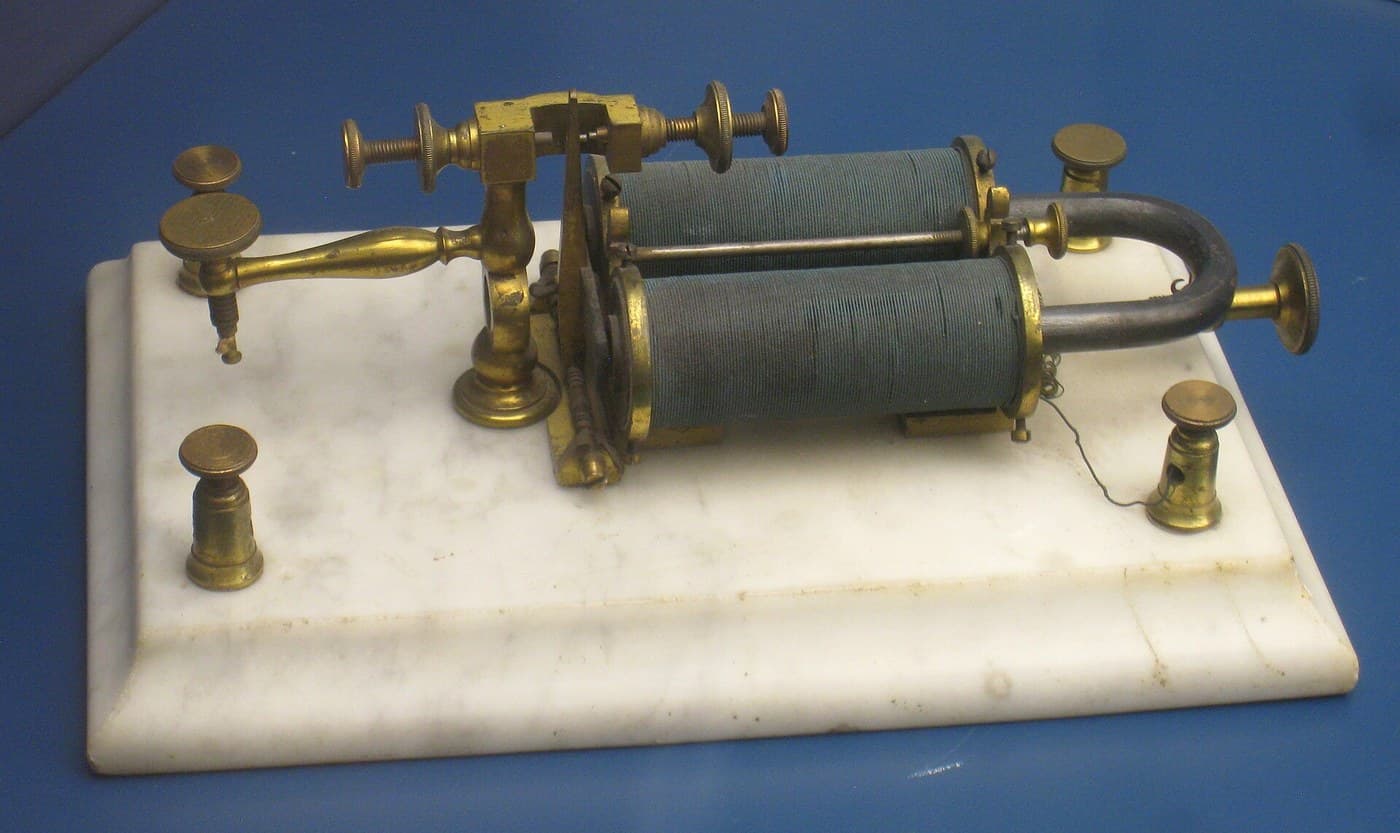
The Telegraph Relay
eftir Ed
Rafeindatækni
50
0
0
0
2
0
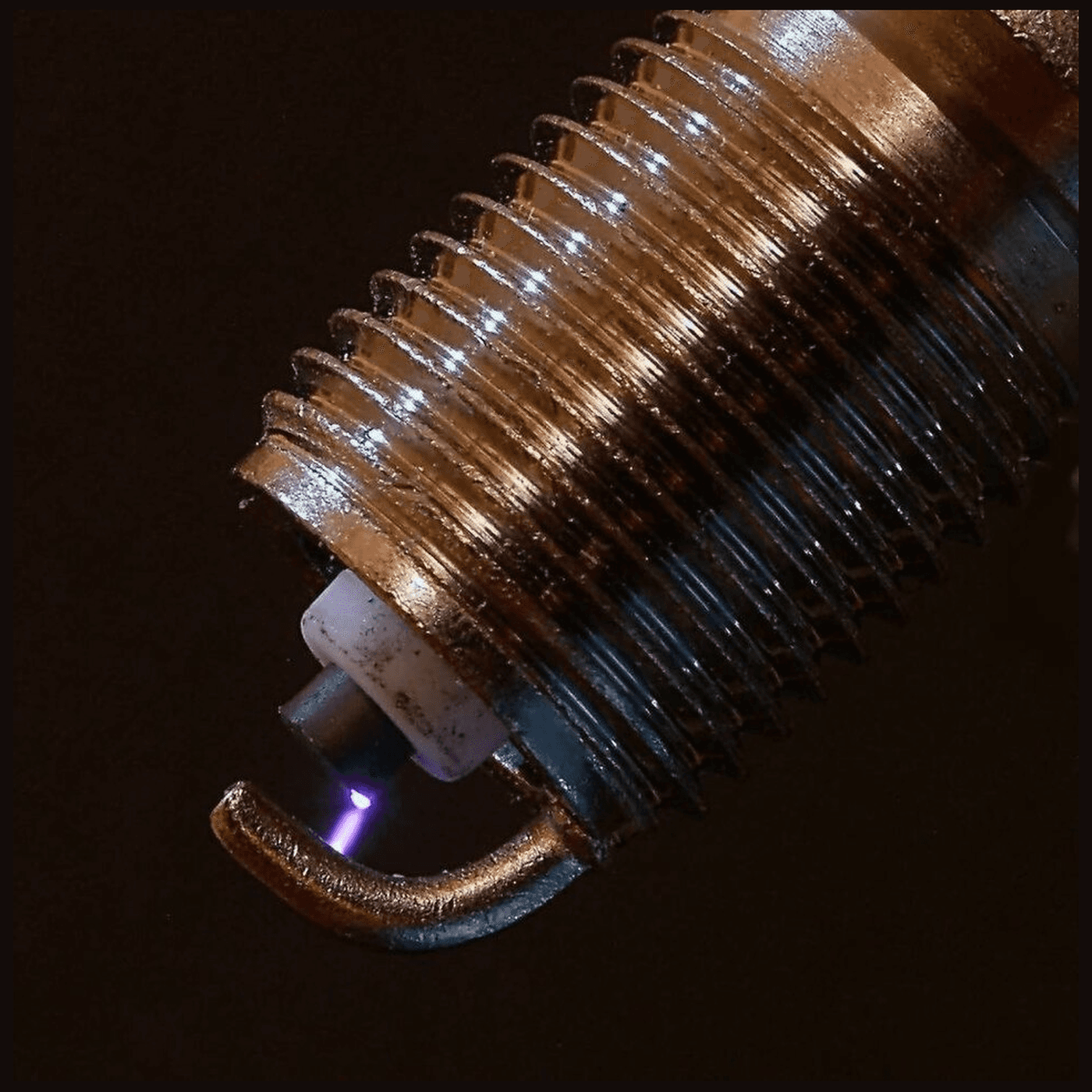
The Magneto and the Spark Plug: Thousands of Volts at the Right Moment
eftir Volt
Vélfræði
37
0
0
0
0
0
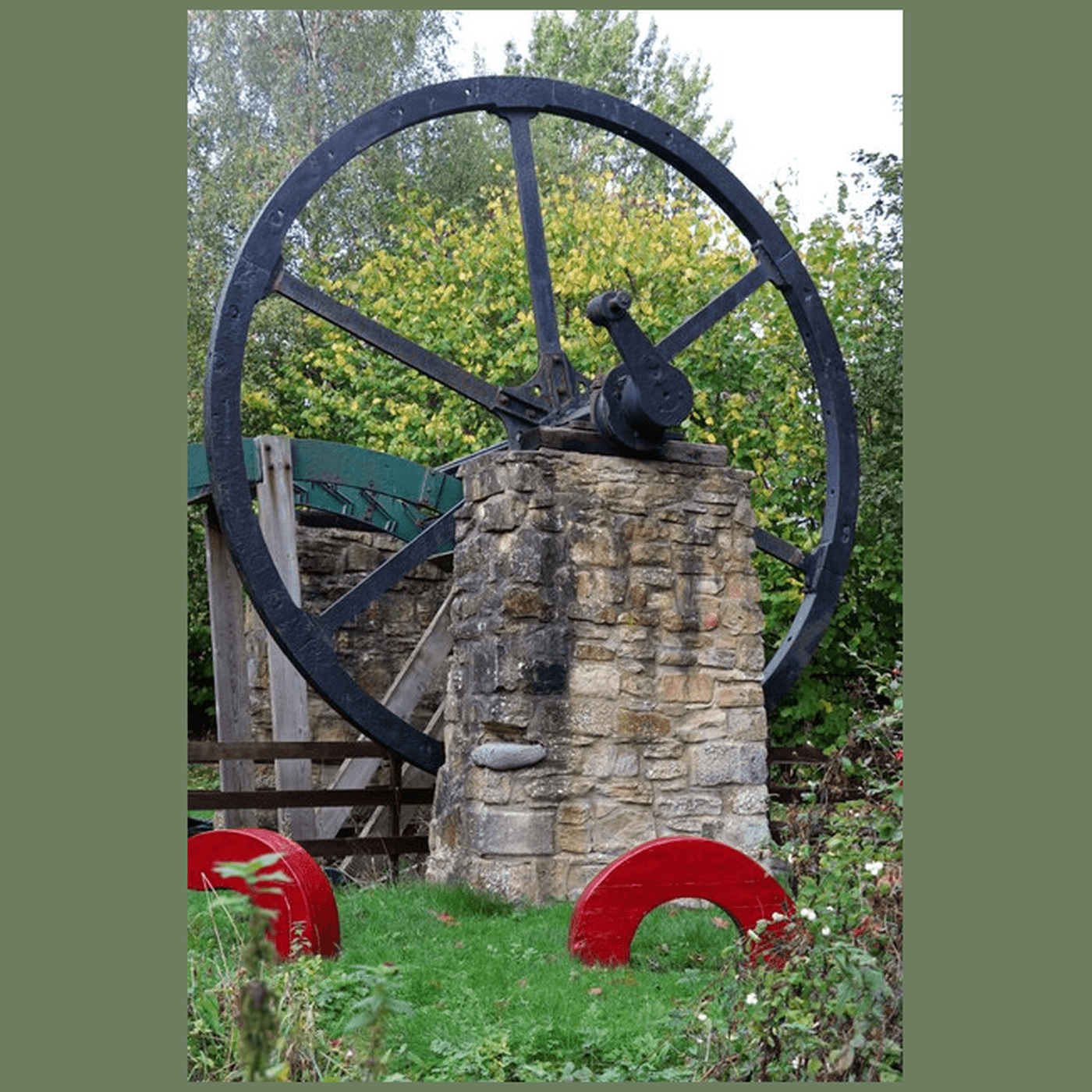
The Crank and the Flywheel: Smoothing One Bang in Two Turns
eftir Martin
Vélfræði
37
0
0
0
0
0
CC0 opinbert ríki
Þessi teikning er gefin út undir CC0. Þér er frjálst að afrita, breyta, dreifa og nota þetta verk í hvaða tilgangi sem er, án þess að biðja um leyfi.
Studdu smiðinn með því að kaupa vörur í gegnum teikningu hans þar sem hann fær þóknun smiða sem seljendur ákvarða, eða búðu til nýja endurskoðun á þessari teikningu og tengdu hana sem tengingu í þinni eigin teikningu til að deila tekjum.