ARTE
BELLEZZA E BENESSERE
MESTIERE
CULTURA E STORIA
DIVERTIMENTO
AMBIENTE
CIBO E BEVANDE
INGEGNERIA INVERSA
SCIENZE
SPORT
TECNOLOGIA
INDOSSABILI



Pressing Is Not Ironing: Lift, Place, Press — and It Is Half the Construction
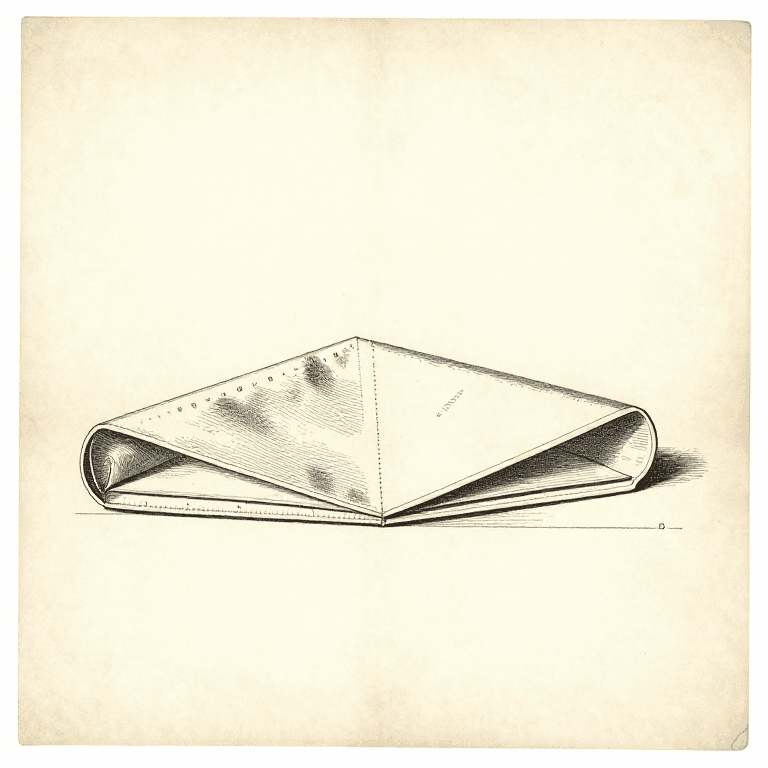
IRONING slides a hot plate across cloth to remove creases. PRESSING lifts the iron, puts it down on one spot, holds it, and lifts it again. They look similar and they do opposite things.
Sliding drags the cloth, and dragged cloth stretches — especially on a bias edge or a curved seam, which are exactly the places that matter. A seam ironed rather than pressed comes out longer than the piece it is attached to.
The rule that sounds like exaggeration and is not: press every seam before it is crossed by another. A garment assembled without pressing cannot be rescued by pressing at the end, because the seams are already sewn over each other in the wrong shape.
Principiante
2 hours
Istruzioni
1
1
Lift and place, never slide
Lift and place, never slide
Set the iron down, hold it for a few seconds, lift it straight up, move it, and set it down again on the next section — overlapping a little each time.
Heat, moisture and pressure do the work, and all three need a moment in one place. Sliding gives the cloth none of that and adds a sideways force it does not need.
Test the temperature on a scrap first, every time the fabric changes. Synthetics melt, wool scorches, and the mark is permanent — which makes a ten-second test on an offcut the cheapest insurance in the whole process.
Materiali per questo passaggio:
 Tela di cotone1 pezzo
 Tessuto di lino1 pezzo
Strumenti necessari:
 Ferro da stiro a vapore
 Asse da stiro imbottita
 Ferro da stiro
2
2
Press the seam closed first, then open
Press the seam closed first, then open
Press the seam flat exactly as it was sewn, with both allowances still together. That embeds the stitches into the cloth and settles any small unevenness in the stitching.
Then open the allowances and press them apart, or to one side. Only then is the seam finished — and doing the second step without the first leaves a seam that looks puckered no matter how much it is pressed afterwards.
Press from the WRONG side wherever possible. The right side is where shine, iron marks and impressions of the allowance edges show, and a pressing cloth between the iron and the fabric prevents all three when the right side cannot be avoided.
Materiali per questo passaggio:
Tela di cotone1 pezzo Filo di cotone1 pezzo
Strumenti necessari:
Ferro da stiro a vaporeAsse da stiro imbottita Mussola di cotone
3
3
Curves need a curved surface
Curves need a curved surface
A flat board presses a flat seam. A curved seam — a bust dart, a sleeve head, a shaped side seam — pressed flat is pressed into a shape it is not meant to have, and it will fight the body ever after.
A tailor's HAM is a firm curved cushion for exactly this. A rolled towel or a tightly rolled piece of cloth does the same job for very little, and is worth making before the first fitted garment rather than after it.
Press darts over a curve with the fold going in the direction the pattern says — vertical darts toward the centre, horizontal darts downward, as a rule. The direction is what makes the garment lie smoothly, and it is decided by which way the bulk of cloth should fall.
Materiali per questo passaggio:
Tela di cotone1 pezzoStrumenti necessari:
Ferro da stiro a vaporeMussola di cotoneAsse da stiro imbottita4
4
Let it cool before moving it
Let it cool before moving it
Cloth sets as it cools, not while it is hot. Lift a hot pressed seam and move it and it will take the shape it cools into, which is the shape of wherever you put it.
So press, then leave the piece flat and untouched for a few seconds. A clapper — a block of hardwood pressed onto the seam as the iron lifts — makes this deliberate: it holds the shape and draws the heat out, and it is how a really flat edge on a lapel or a hem is made.
The same effect explains why steam matters. Steam relaxes the fibres so they can take a new shape; the cooling is what fixes it. Steam with no cooling time is half the operation, and it is the half people skip.
Materiali per questo passaggio:
Tela di cotone1 pezzoStrumenti necessari:
Ferro da stiro a vaporeAsse da stiro imbottitaMateriali
3- 4 pezziSegnaposto
- 1 pezzoSegnaposto
- 1 pezzoSegnaposto
Blueprint correlati
Questi blueprint condividono conoscenze — tecniche, materiali o principi
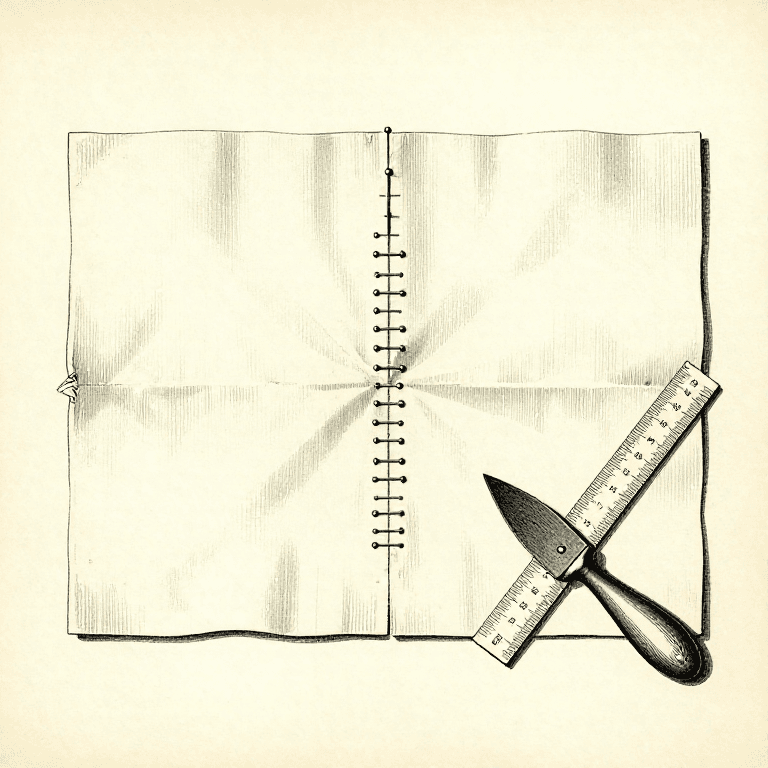
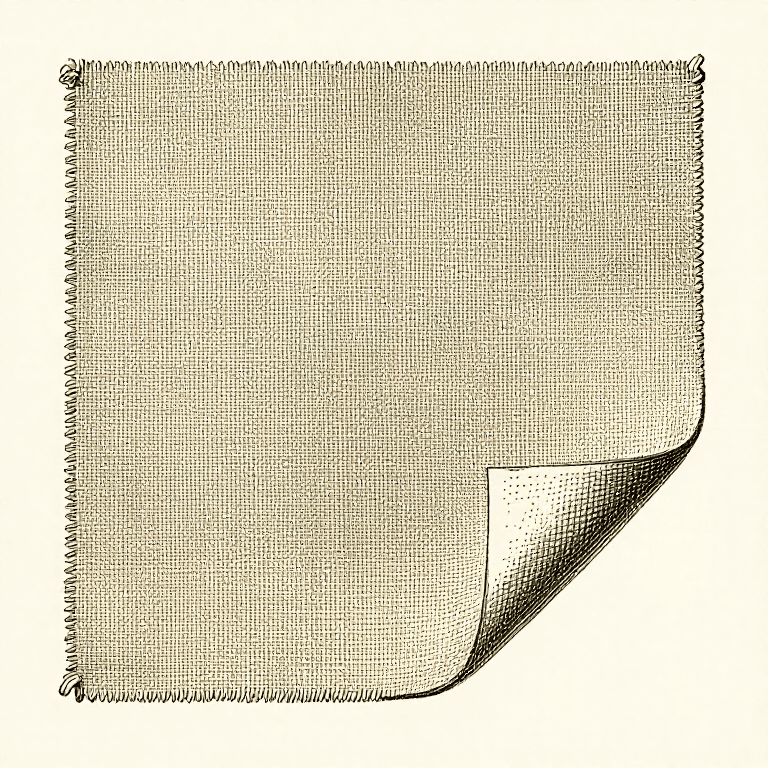
CC0 Pubblico dominio
Questo progetto è rilasciato sotto CC0. Sei libero di copiare, modificare, distribuire e utilizzare quest'opera per qualsiasi scopo, senza chiedere permesso.
Supporta il Maker acquistando prodotti tramite il suo progetto dove guadagna una Commissione Maker stabilita dai venditori, oppure crea una nuova iterazione di questo progetto e includilo come collegamento nel tuo progetto per condividere i ricavi.