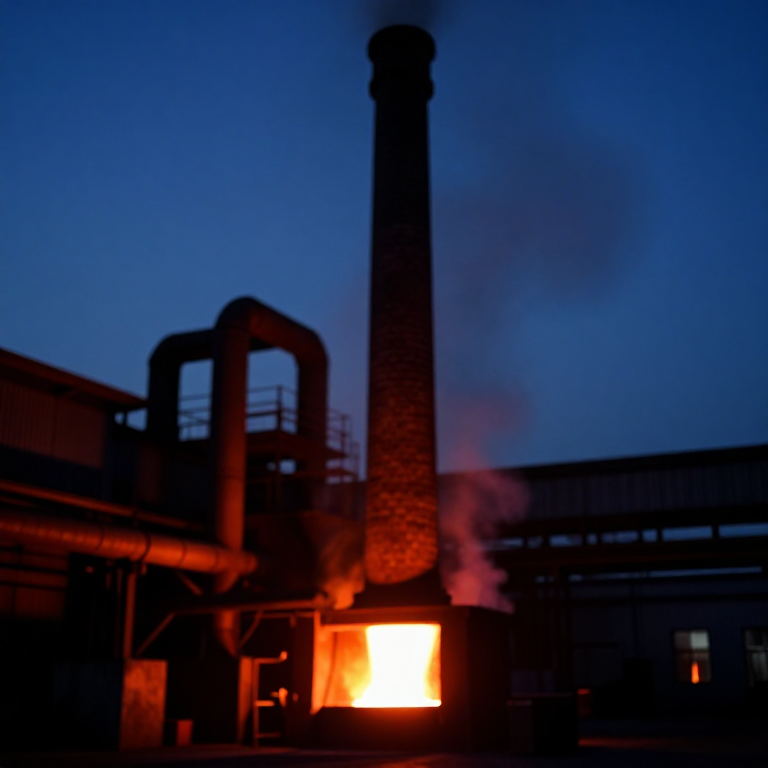


Building a Hot Blast Stove — Preheating the Air That Tripled the Blast Furnace
For centuries ironmasters believed a blast furnace ran best on cold winter air, and blew their furnaces with air at whatever temperature the weather gave. In 1828 the Scottish engineer James Neilson proved the opposite: heating the blast before it entered the furnace slashed the fuel needed and raised the output enormously. The hot blast was one of the great efficiency leaps of the iron age.
The idea seems backwards but the physics is sound. Cold air entering the furnace has to be heated by burning precious fuel before it can do its work; preheating the air outside the furnace, using waste heat that would otherwise escape up the chimney, means far less coke is wasted just warming the blast. Neilson's first stoves cut coke use by a third, and later regenerative stoves did far better still.
A hot blast stove is a chamber of brick or pipe that the blast passes through on its way to the tuyeres, heated by the furnace's own escaping gases. Bolted onto the pig-iron blast furnace, it made iron dramatically cheaper — and cheap iron was the lifeblood of the Industrial Revolution.
手順
Understand the hot blast
Understand the hot blast
Tap the furnace waste gas
Tap the furnace waste gas
必要な工具:
 風道
風道Build the stove chamber
Build the stove chamber
このステップの材料:
 耐火れんが200 個
必要な工具:
 手持ち移植ごて
Heat the stove
Heat the stove
このステップの材料:
 冶金用コークス20 kg
Pass the blast through
Pass the blast through
必要な工具:
 送風機
送風機Alternate the regenerator stoves
Alternate the regenerator stoves
Insulate the hot main
Insulate the hot main
このステップの材料:
 耐火セメント15 kg
Deliver the hot blast
Deliver the hot blast
必要な工具:
 出湯棒
出湯棒Control the temperature
Control the temperature
必要な工具:
 高温計
高温計Measure the saving
Measure the saving
Mind the hazards
Mind the hazards
See the impact
See the impact
接続ブループリントの材料

この設計図で作るもの
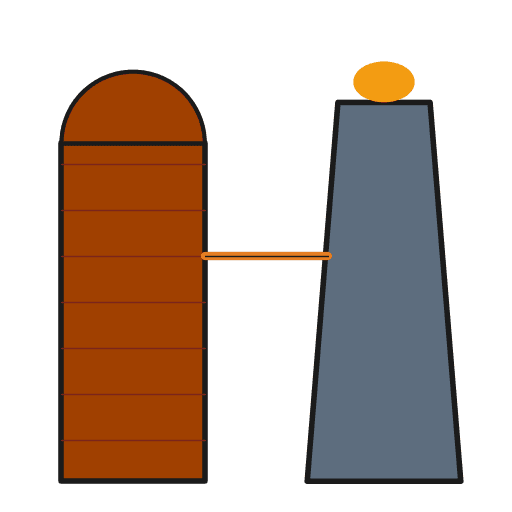
関連ブループリント
これらのブループリントは知識を共有しています — 技術、材料、原理
CC0 パブリックドメイン
このブループリントはCC0で公開されています。許可を求めずに、自由にコピー、修正、配布、あらゆる目的で使用できます。
メイカーを応援するには、ブループリント経由で製品を購入してください。メイカーには メイカーコミッション がベンダーにより設定されています。または、このブループリントの新しいイテレーションを作成し、自分のブループリントにコネクションとして含めて収益を共有できます。