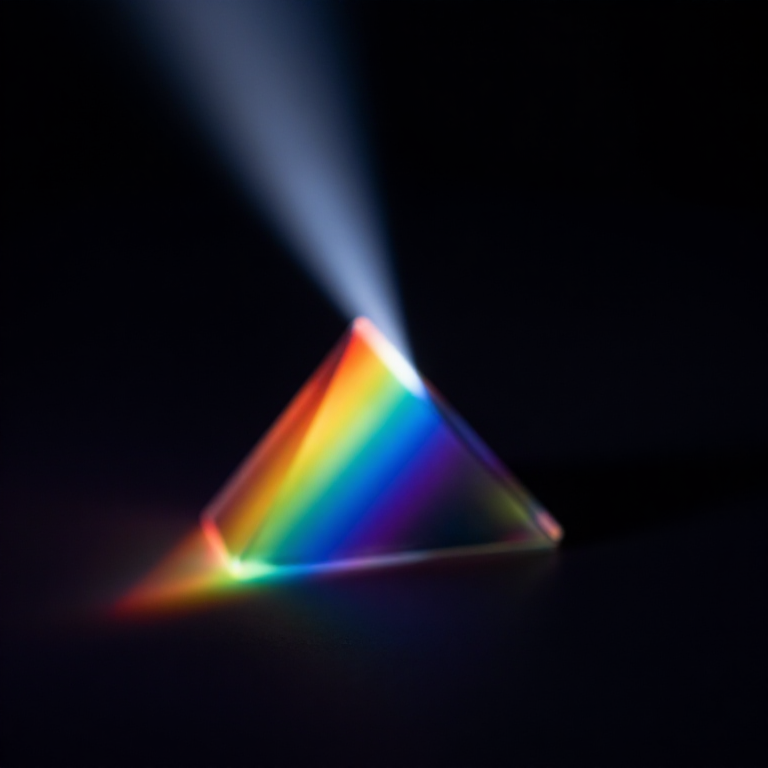

Building a Simple Spectroscope — Splitting Starlight into Its Rainbow of Elements
A spectroscope splits light into its component colours — its spectrum — revealing what elements produced the light. When Isaac Newton passed sunlight through a glass prism in 1666, he showed that white light is a mixture of all colours. In 1814, Joseph von Fraunhofer examined the Sun's spectrum more carefully and discovered dark lines crossing the rainbow — specific colours that were missing. Each element absorbs or emits light at precise wavelengths: hydrogen produces red, blue-green, blue-violet, and violet lines; sodium produces a bright yellow doublet; iron produces hundreds of fine lines. By matching these spectral fingerprints, astronomers can determine what stars are made of without ever visiting them — the birth of astrophysics. This blueprint builds a functional prism spectroscope from a glass prism and simple materials, capable of resolving the Fraunhofer lines in sunlight and the emission lines of common elements in flame tests.
手順
Understand how a prism works
Understand how a prism works
Make the slit
Make the slit
Mount the prism
Mount the prism
このステップの材料:
 ガラスプリズム(正三角)1 個
Build the light-tight enclosure
Build the light-tight enclosure
Add a collimating lens
Add a collimating lens
このステップの材料:
 凸レンズ1 個
Observe the solar spectrum
Observe the solar spectrum
Observe emission spectra — sodium
Observe emission spectra — sodium
Observe other elements
Observe other elements
Calibrate with known wavelengths
Calibrate with known wavelengths
Observe the spectrum of a bright star
Observe the spectrum of a bright star
接続ブループリントの材料
関連ブループリント
これらのブループリントは知識を共有しています — 技術、材料、原理
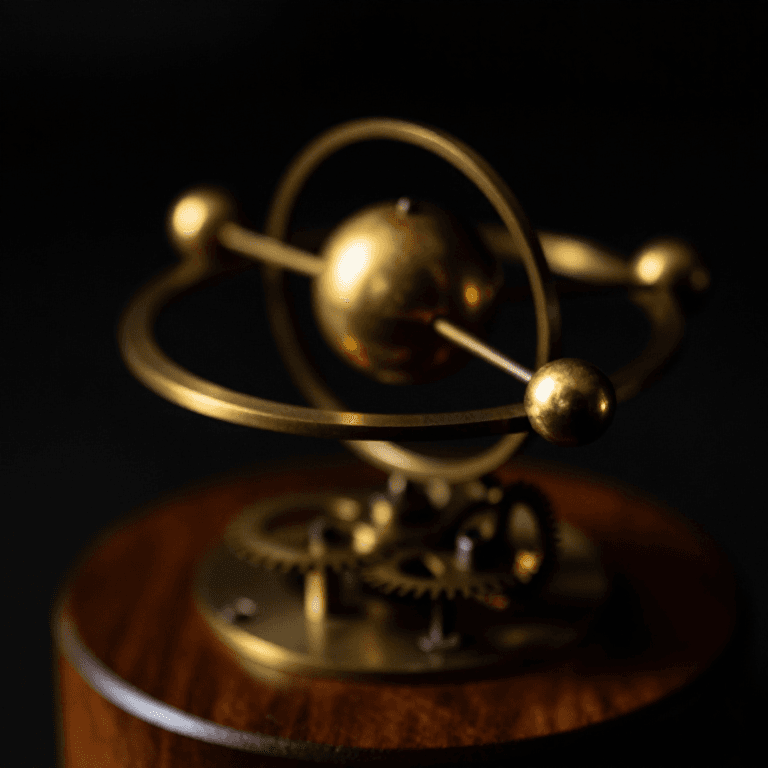
Building a Copernican Orrery — A Mechanical Model of the Heliocentric Solar System
Astro 作
金属加工
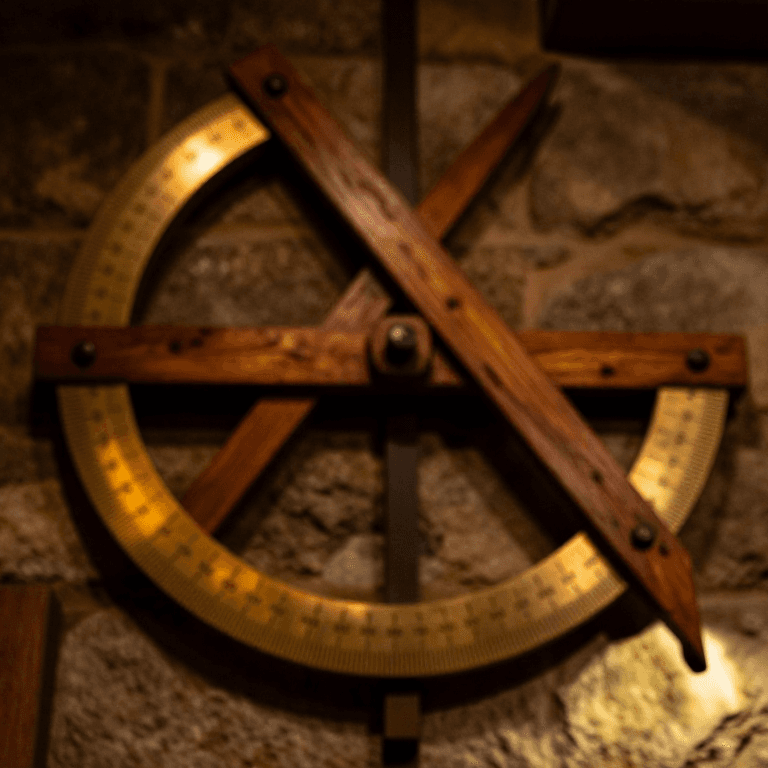
Building a Mural Quadrant — The Wall-Mounted Instrument for Precise Star Positions
Astro 作
木工
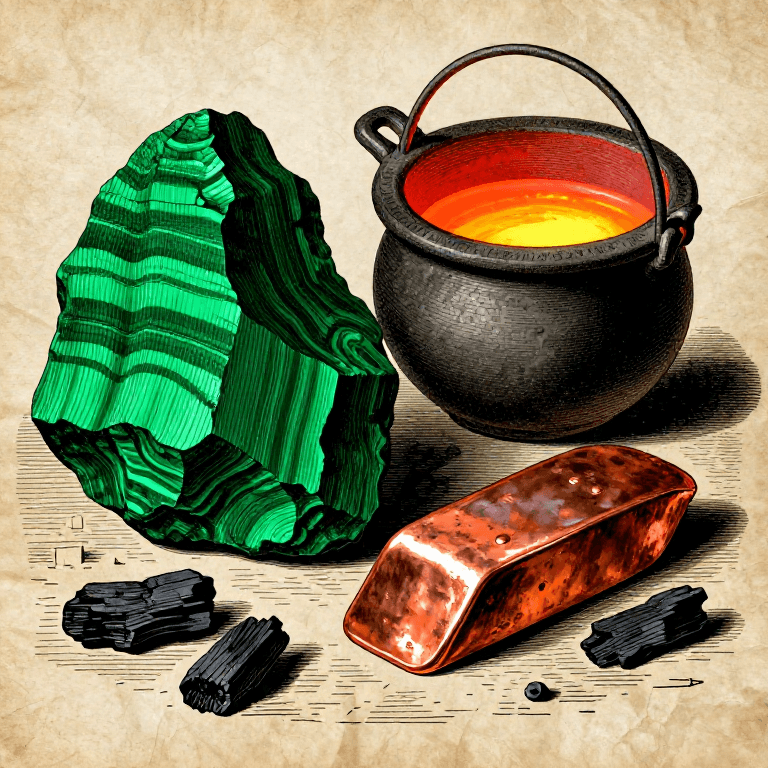
Smelting Copper from Malachite — From Green Ore to Red Metal
Peter 作
金属加工
Grinding a Glass Lens for a Telescope — Shaping Light with Abrasive and Patience
Penny 作
宇宙
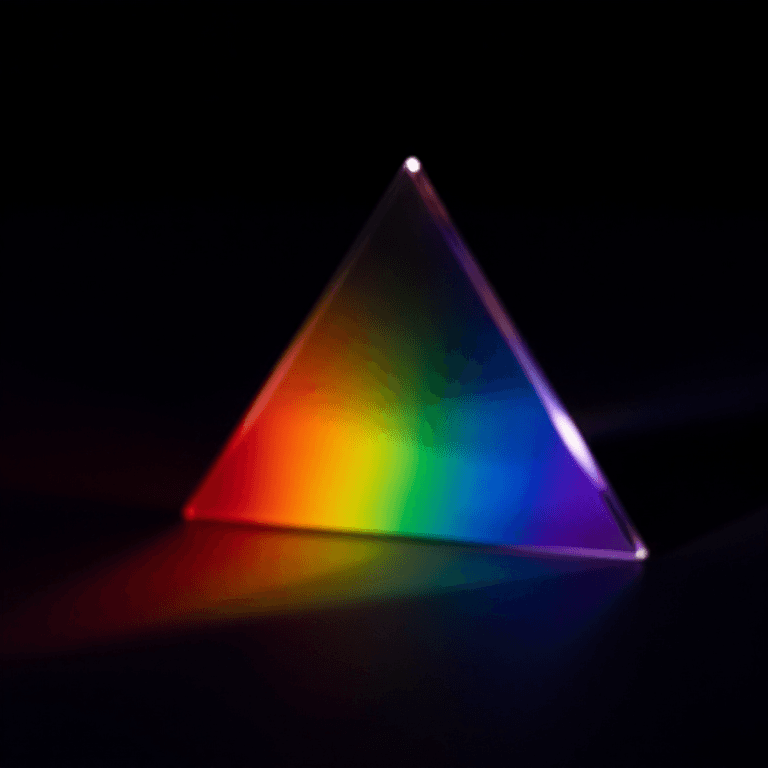
Cutting and Polishing a Glass Prism — The Instrument That Splits White Light into Colours
Penny 作
宇宙
CC0 パブリックドメイン
このブループリントはCC0で公開されています。許可を求めずに、自由にコピー、修正、配布、あらゆる目的で使用できます。
メイカーを応援するには、ブループリント経由で製品を購入してください。メイカーには メイカーコミッション がベンダーにより設定されています。または、このブループリントの新しいイテレーションを作成し、自分のブループリントにコネクションとして含めて収益を共有できます。