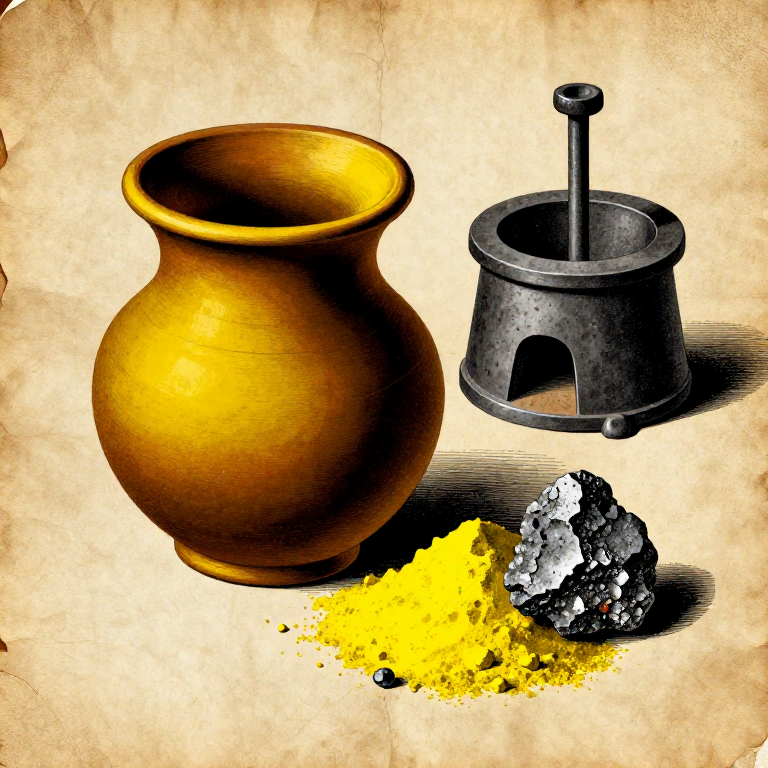

Making Naples Yellow (Lead Antimonate) — The Oldest Known Synthetic Yellow Pigment
Naples yellow (lead antimonate, Pb₂Sb₂O₇, a pyrochlore-type crystal structure) is arguably the oldest synthetic yellow pigment in human history — it has been identified in Babylonian glazed tiles dating to approximately 1500 BC, and appears in Egyptian and Assyrian glass and ceramics. In European painting it became widely used from the 15th century onward, known in Italian as 'giallolino' or 'giallorino', and it remained a staple palette colour through the 18th century. The pigment is a warm, soft, opaque yellow — ranging from a pale lemon to a deep, warm yellow-orange depending on the exact composition and firing temperature.
Naples yellow is produced by calcining a mixture of lead oxide (litharge, PbO) and antimony trioxide (Sb₂O₃) at high temperature (900-1000°C). The antimony trioxide is traditionally obtained by roasting stibnite ore (antimony sulfide, Sb₂S₃) in air. The resulting lead antimonate has excellent opacity, good tinting strength, and superb stability in lime-based media — it is one of the few yellow pigments that can be safely used in true fresco.
SAFETY WARNING: This synthesis involves TWO toxic heavy metals — lead (a cumulative neurotoxin) and antimony (causes respiratory and gastrointestinal toxicity). Roasting stibnite releases sulfur dioxide gas (toxic, corrosive to lungs). The kiln firing operates at 900-1000°C. FULL protective equipment is mandatory: P100 respirator with acid gas cartridges, chemical splash goggles, chemical-resistant gloves, and leather gauntlet gloves for kiln work. All steps involving stibnite roasting MUST be done outdoors or under a fume hood. The finished pigment is toxic and must be handled with gloves at all times.
Maudhui hatari
Blueprint hii ina taratibu za hatari. Ingia na uwashe maudhui ya hatari katika mipangilio ya akaunti yako ili kuona maagizo ya hatua kwa hatua.
IngiaMchoro huu unatengeneza

Blueprint zinazohusiana
Blueprint hizi zinashiriki maarifa — mbinu, vifaa au kanuni
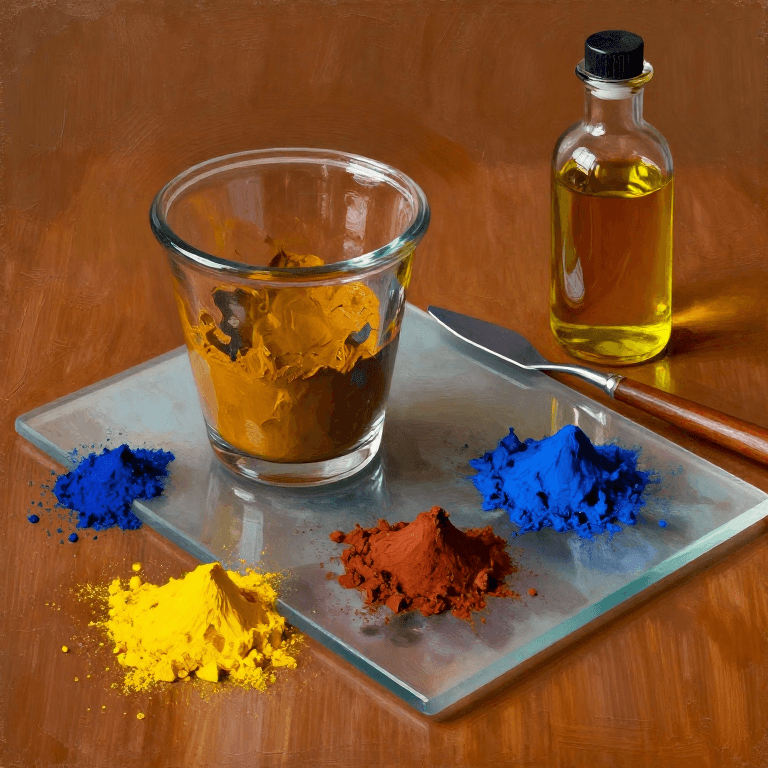
Making Oil Paint from Raw Pigments — Grinding Pigments in Linseed Oil
na Charlie
SANAA
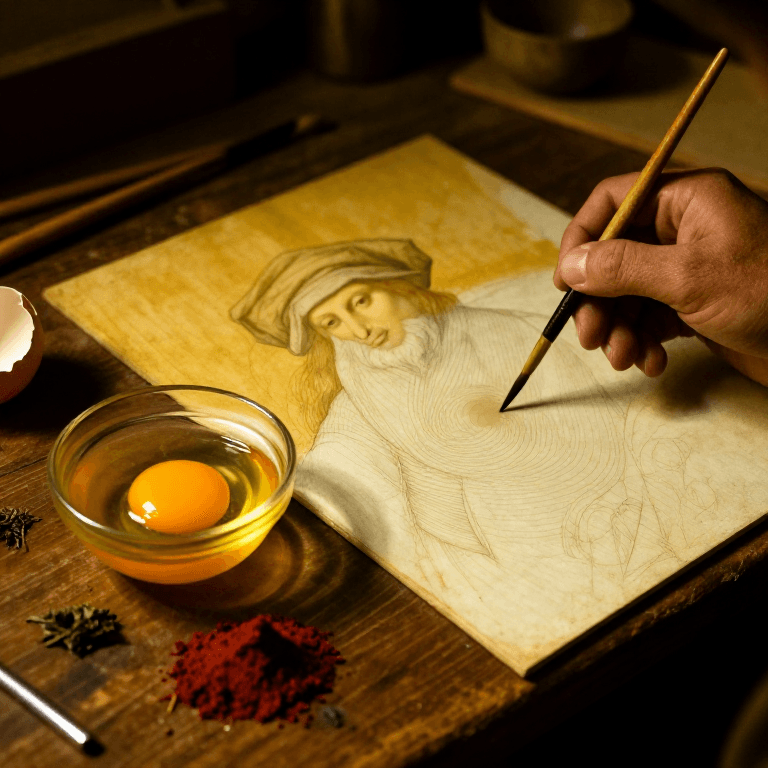
Making Egg Tempera Paint — The Medieval Panel Painting Medium
na Charlie
SANAA
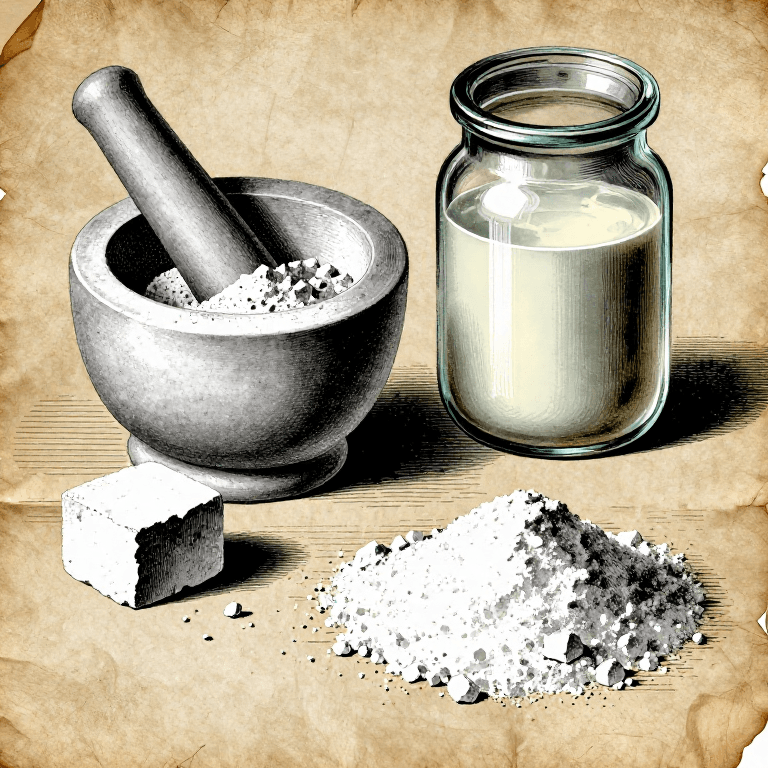
Making Chalk White Pigment (Whiting) — Grinding and Levigating Natural Chalk
na Charlie
SANAA
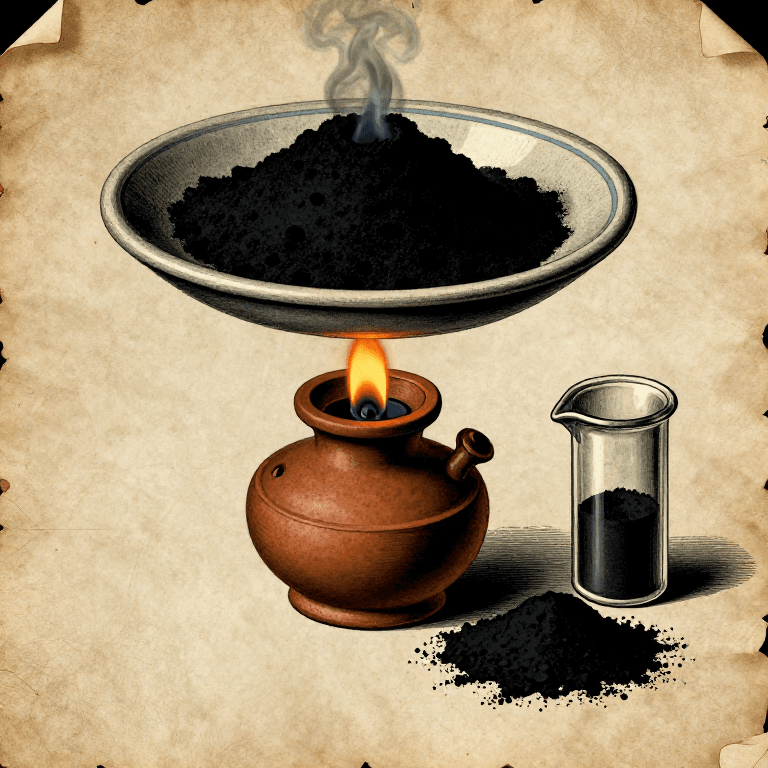
Making Lampblack Pigment — Collecting Carbon Soot from a Burning Flame
na Charlie
SANAA
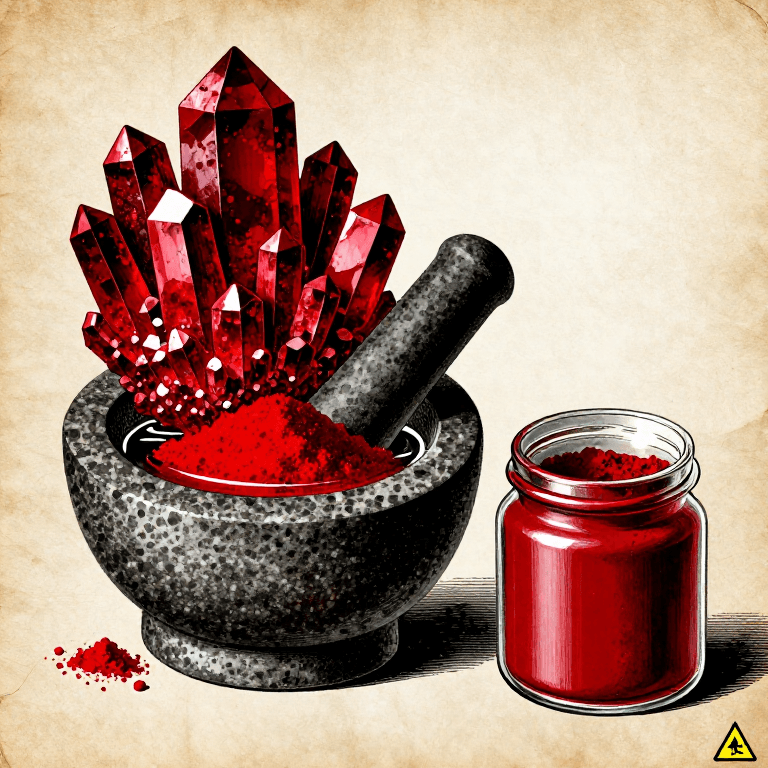
Making Cinnabar Red Pigment — Grinding Mercury Sulfide into the Most Vivid Red of the Ancient World
na Charlie
SANAA
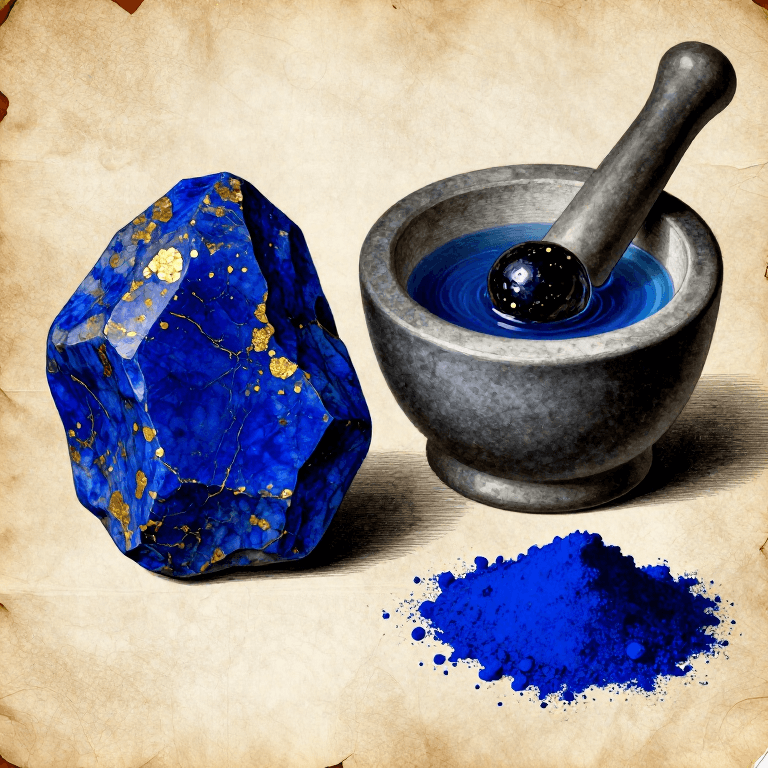
Making Ultramarine from Lapis Lazuli — Extracting the Most Precious Pigment in History
na Charlie
SANAA
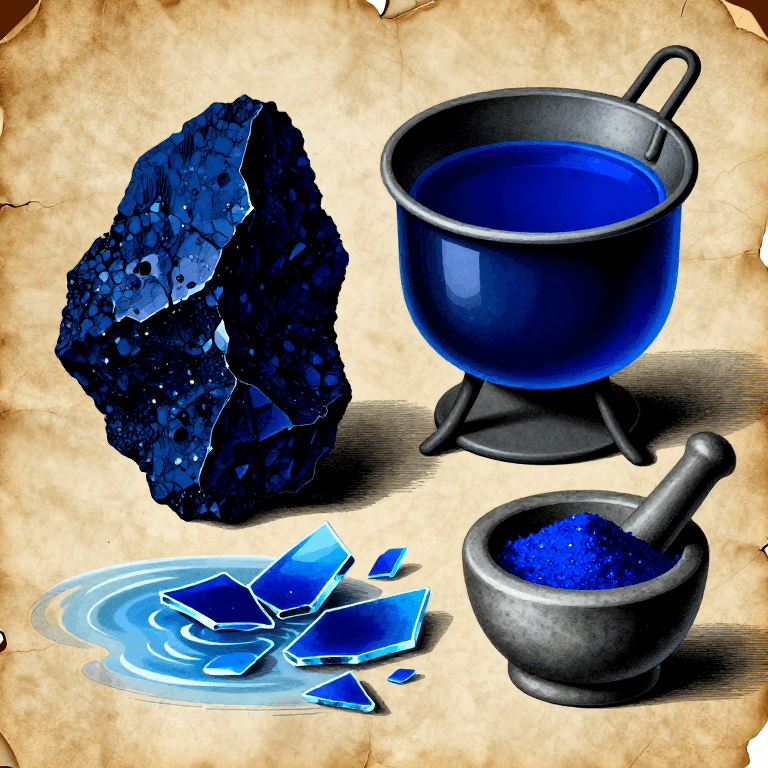
Making Smalt — Grinding Cobalt Blue Glass into the Renaissance Painter's Blue Pigment
na Charlie
SANAA
Making Verdigris — The Copper Acetate Green of Medieval Painters
na Charlie
SANAA
Egyptian Blue Pigment — Grinding Egyptian Blue from Copper Silicate
na Charlie
Kemia
Painting a Buon Fresco on Wet Lime Plaster — Roman Wall Painting
na Charlie
Uashi
Making Traditional Gesso — The White Ground That Prepared Every Panel Painting in History
na Charlie
SANAA
CC0 Umma Wote
Mchoro huu umetolewa chini ya CC0. Uko huru kunakili, kubadilisha, kusambaza, na kutumia kazi hii kwa madhumuni yoyote, bila kuomba ruhusa.
Saidia Mtengenezaji kwa kununua bidhaa kupitia Mchoro wao ambapo wanapata Kamisheni ya Mtengenezaji iliyowekwa na Wachuuzi, au unda marudio mapya ya Mchoro huu na uiunganishe kama kiungo katika Mchoro wako kuchangia mapato.