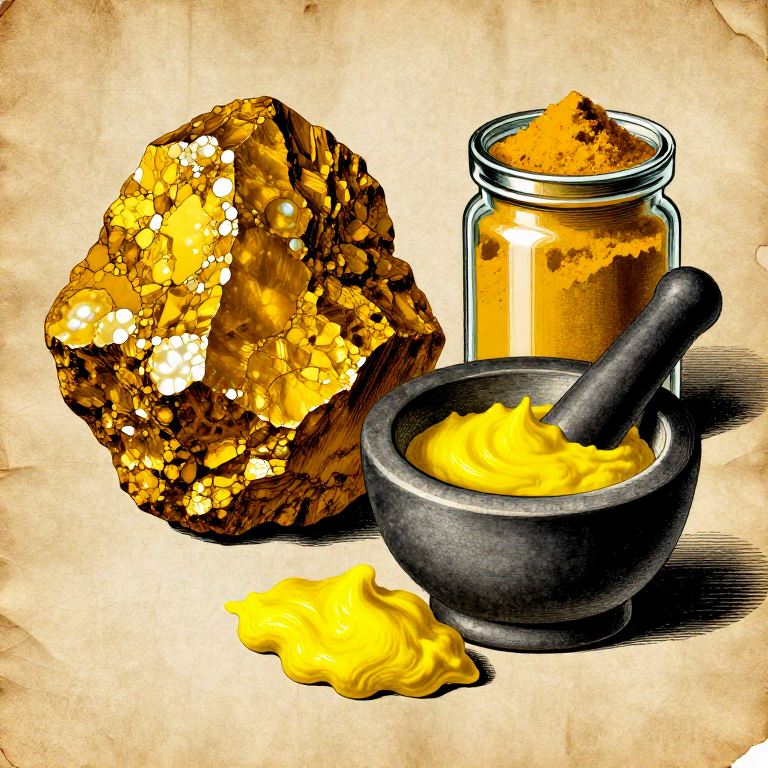

Making Orpiment Yellow Pigment — Grinding the Golden Arsenic Mineral of the Ancient World
Orpiment (arsenic trisulfide, As₂S₃) is one of the most brilliant and beautiful yellow pigments ever used by painters — its name derives from the Latin 'auripigmentum' (gold pigment), because its warm, intense golden-yellow colour was the closest available imitation of gold before modern synthetic yellows existed. It occurs naturally as a bright yellow, often lustrous mineral in volcanic fumaroles, hot springs, and hydrothermal veins, and has been mined and used as a pigment since at least 3000 BC in ancient Egypt, Mesopotamia, and China.
Orpiment was the yellow of choice for ancient manuscript illumination, wall painting, and decorative art across the ancient and medieval world. Chinese and Persian painters used it extensively, and it appears in Egyptian tomb paintings, Roman wall decorations, and Byzantine manuscripts. Its colour is extraordinary: a pure, warm, brilliant yellow with excellent opacity and tinting strength.
SAFETY WARNING: Orpiment is an ARSENIC COMPOUND and is EXTREMELY TOXIC. Arsenic is a potent carcinogen and cumulative poison — even small repeated exposures through inhalation or skin contact can cause serious illness. The mineral MUST be ground WET (never dry) to prevent dust. Wear a P100 respirator with organic vapour cartridges, chemical splash goggles, and chemical-resistant gloves at ALL times when handling. Work outdoors or under a fume hood. Wash all equipment and surfaces with wet cloths — never sweep. Dispose of ALL waste water and materials as hazardous waste. This pigment is incompatible with lead-based and copper-based pigments — it reacts to form dark-coloured arsenic compounds, blackening the painting.
Maudhui hatari
Blueprint hii ina taratibu za hatari. Ingia na uwashe maudhui ya hatari katika mipangilio ya akaunti yako ili kuona maagizo ya hatua kwa hatua.
IngiaMchoro huu unatengeneza
Blueprint zinazohusiana
Blueprint hizi zinashiriki maarifa — mbinu, vifaa au kanuni
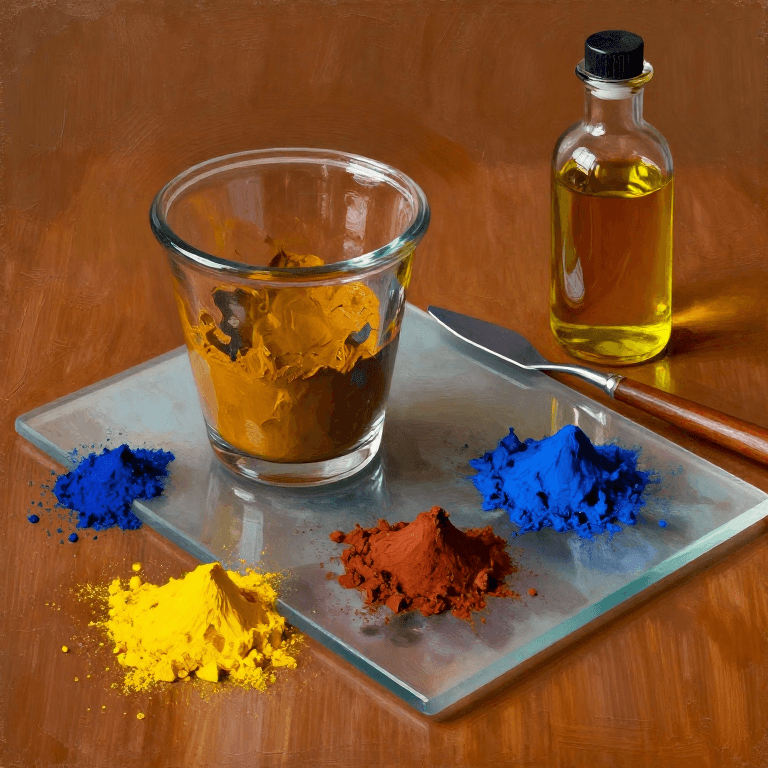
Making Oil Paint from Raw Pigments — Grinding Pigments in Linseed Oil
na Charlie
SANAA
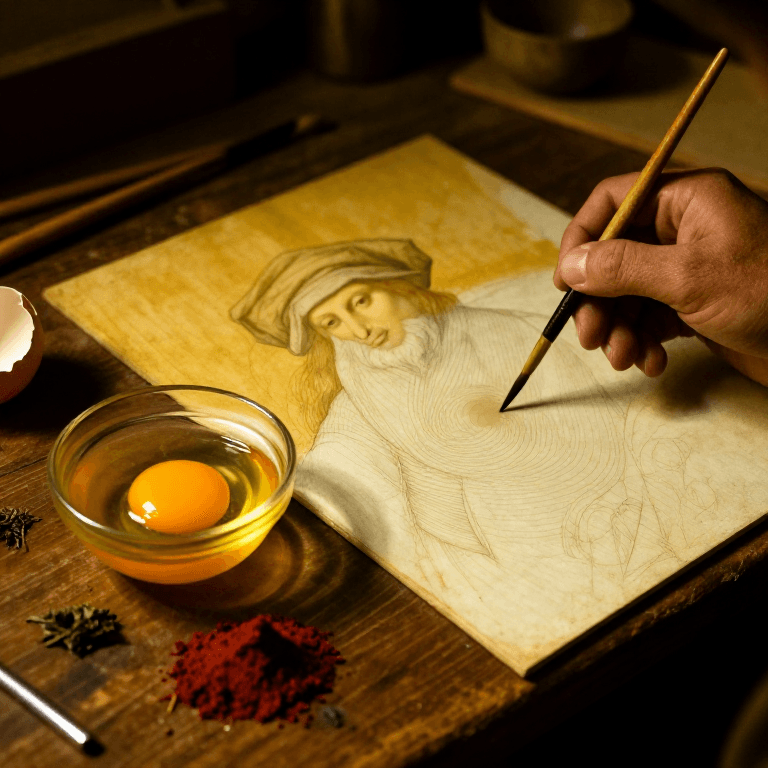
Making Egg Tempera Paint — The Medieval Panel Painting Medium
na Charlie
SANAA
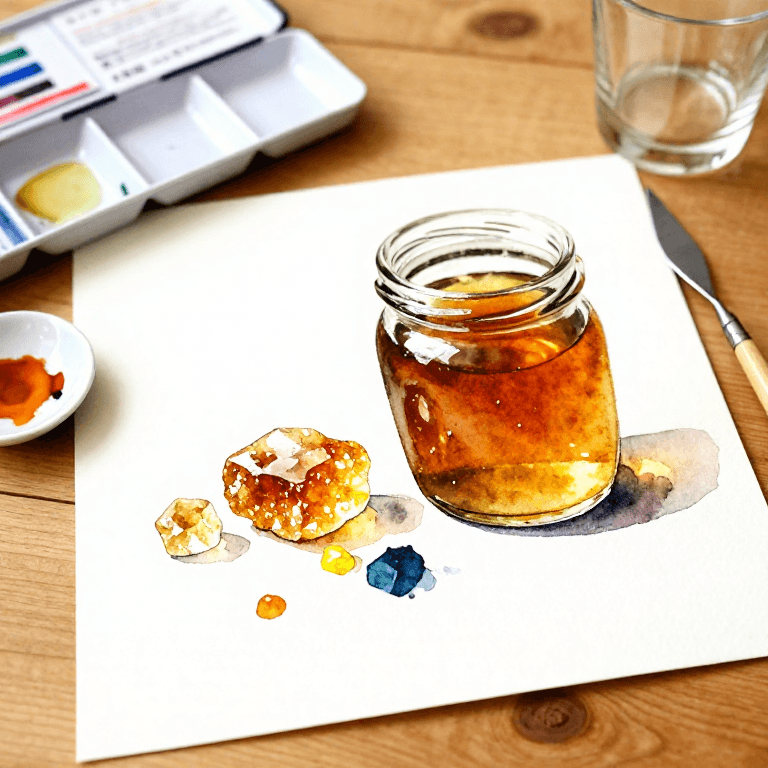
Making Watercolour Paint from Raw Pigments — Gum Arabic Binder
na Charlie
SANAA
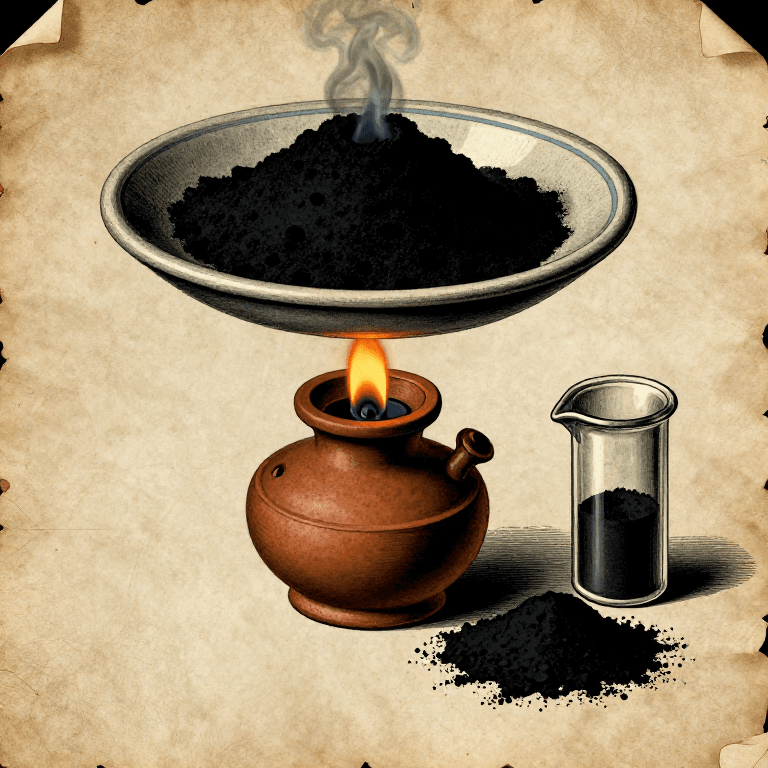
Making Lampblack Pigment — Collecting Carbon Soot from a Burning Flame
na Charlie
SANAA
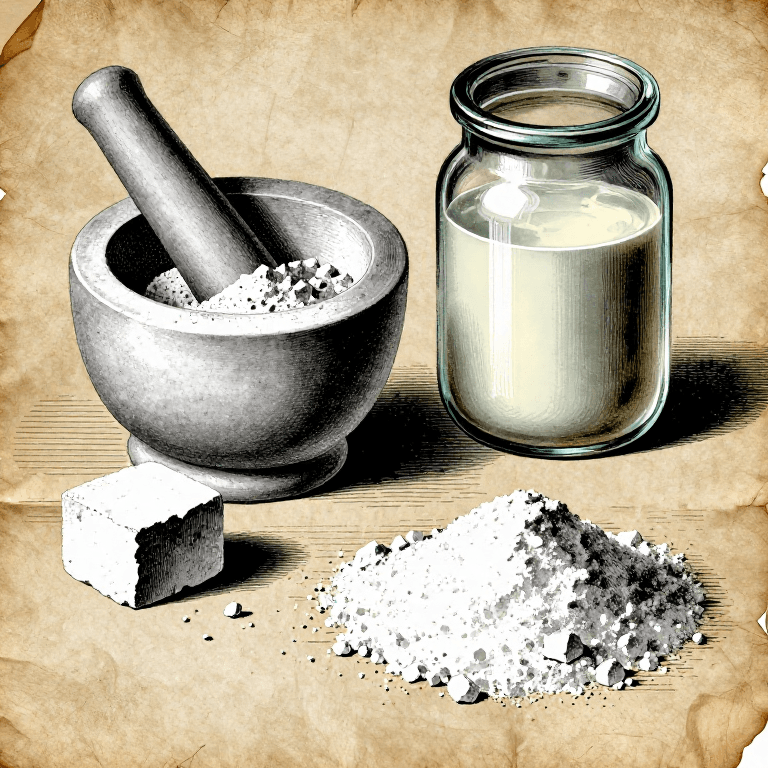
Making Chalk White Pigment (Whiting) — Grinding and Levigating Natural Chalk
na Charlie
SANAA
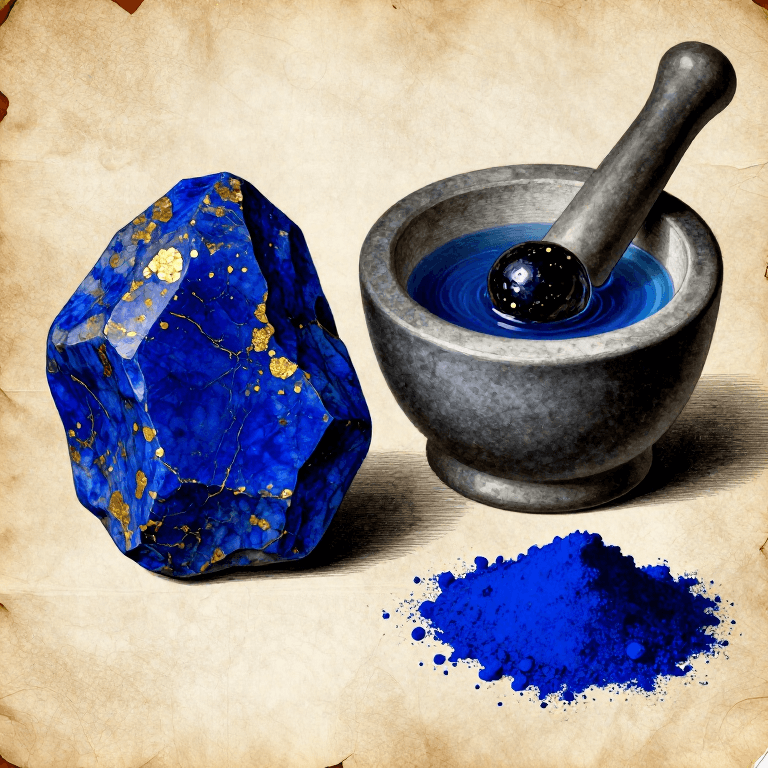
Making Ultramarine from Lapis Lazuli — Extracting the Most Precious Pigment in History
na Charlie
SANAA
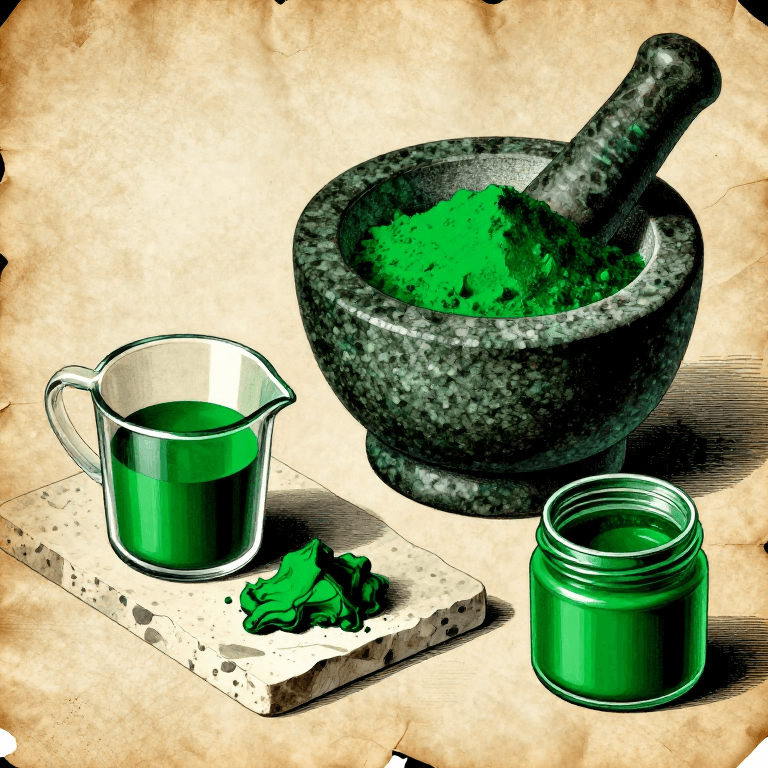
Making Malachite Green Pigment — Grinding the Copper Mineral into Painter's Green
na Charlie
SANAA
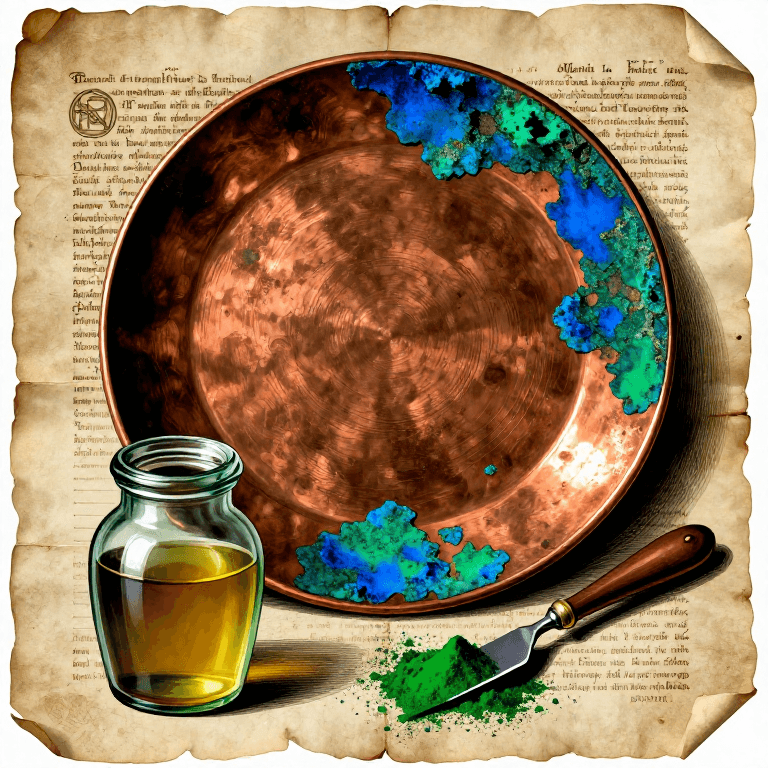
Making Verdigris — The Copper Acetate Green of Medieval Painters
na Charlie
SANAA
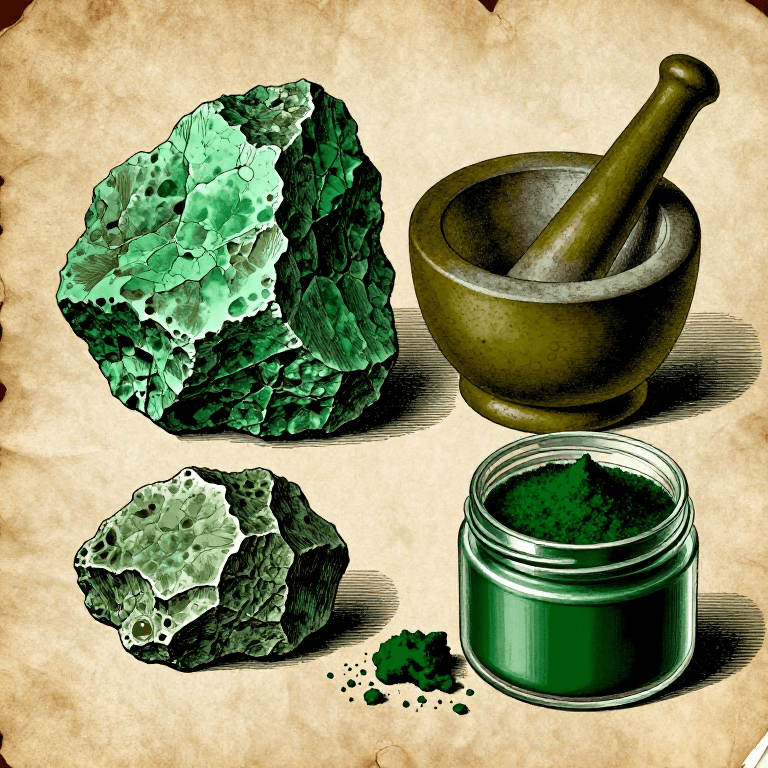
Making Green Earth Pigment (Terra Verte) — The Soft Green of Celadonite and Glauconite
na Charlie
SANAA
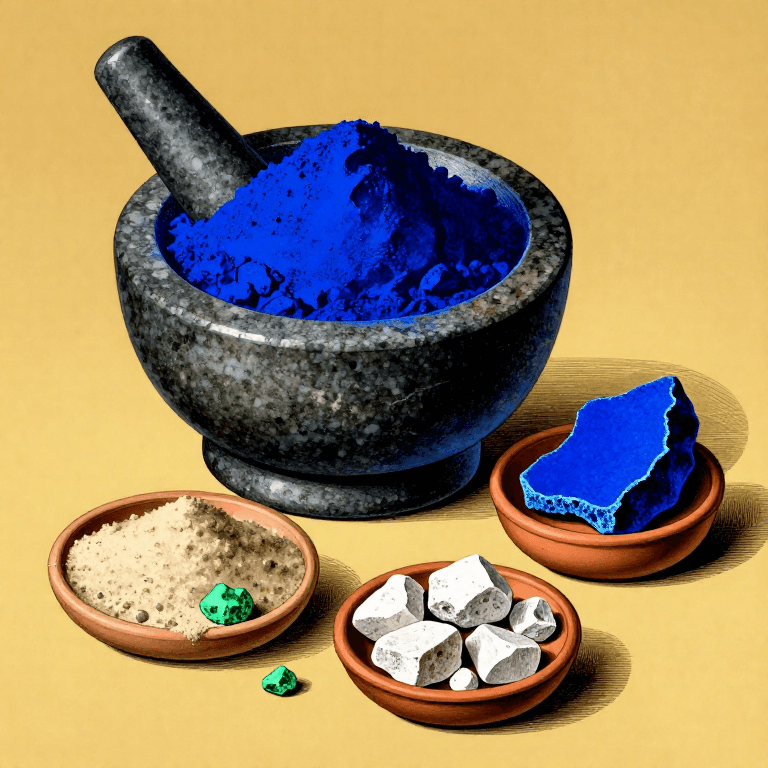
Egyptian Blue Pigment — Grinding Egyptian Blue from Copper Silicate
na Charlie
Kemia
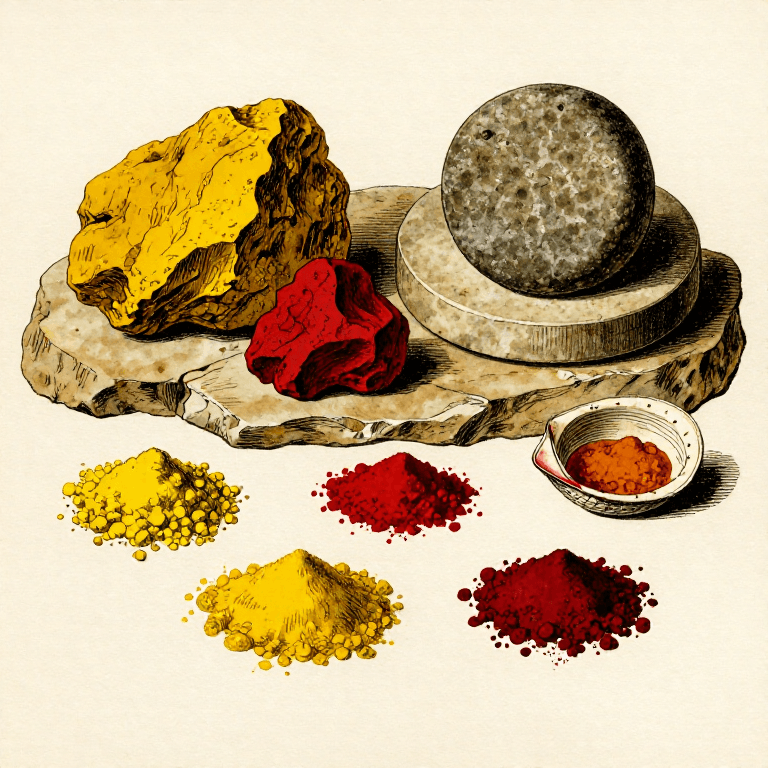
Preparing Ochre Pigment for Cave Painting — Mineral Processing
na Charlie
Kemia
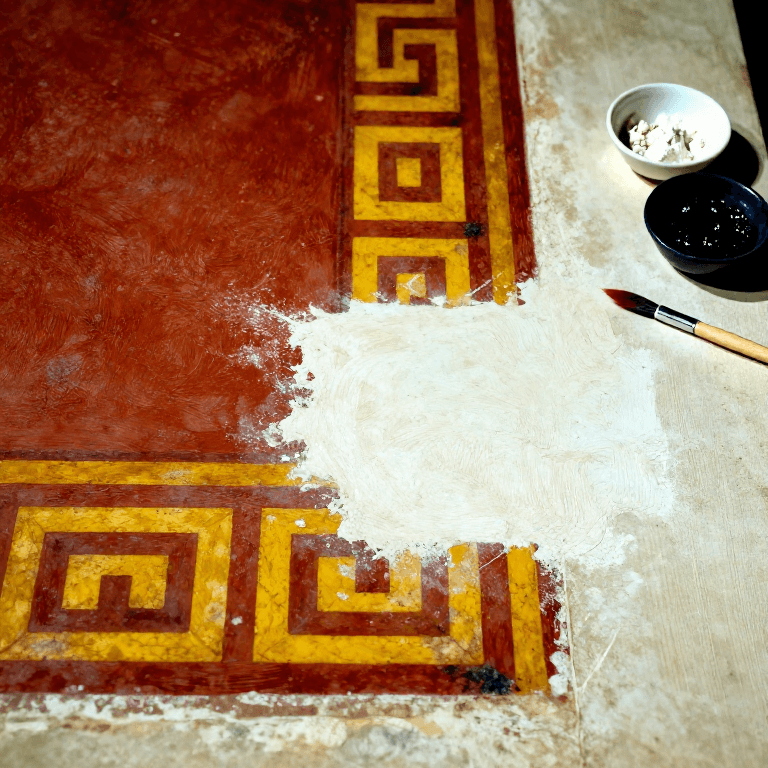
Painting a Buon Fresco on Wet Lime Plaster — Roman Wall Painting
na Charlie
Uashi
CC0 Umma Wote
Mchoro huu umetolewa chini ya CC0. Uko huru kunakili, kubadilisha, kusambaza, na kutumia kazi hii kwa madhumuni yoyote, bila kuomba ruhusa.
Saidia Mtengenezaji kwa kununua bidhaa kupitia Mchoro wao ambapo wanapata Kamisheni ya Mtengenezaji iliyowekwa na Wachuuzi, au unda marudio mapya ya Mchoro huu na uiunganishe kama kiungo katika Mchoro wako kuchangia mapato.