សិល្បៈ
សម្រស់ និង សុខុមាលភាព
សិប្បកម្ម
វប្បធម៌ និង ប្រវត្តិសាស្ត្រ
ការកម្សាន្ត
បរិស្ថាន
ម្ហូប និង ភេសជ្ជៈ
វិស្វកម្មបញ្ច្រាស
វិទ្យាសាស្ត្រ
កីឡា
បច្ចេកវិទ្យា
ប្រដាប់ដែលស្លៀក


Bending: Where the Metal Goes, and How Much Comes Back
Two things go wrong the first time anyone folds sheet metal, and they are both arithmetic.
The part comes out too big, because a bend **consumes** metal — the outside of the bend has further to travel than the inside, and the length that counts is neither. And the angle comes out too open, because part of the bend was elastic and gave itself back the moment the punch lifted.
Both have closed-form answers that a maker can actually use: the bend allowance with its K-factor, and the springback ratio. This rung measures the K-factor of your own material on your own brake — which is the only figure worth trusting — then uses it to cut a flat blank that folds up to size.
មធ្យម
About 3 hours
ការណែនាំ
1
1
Bend a test coupon and find YOUR K-factor
Bend a test coupon and find YOUR K-factor
Every table of K-factors is somebody else's material on somebody else's machine. Measure your own; it takes twenty minutes and everything afterwards depends on it.
Cut three strips of 1 mm sheet, **exactly 100.00 mm long** and about 40 mm wide. Measure each one with the calipers and write the real number down, not the intended one.
Bend each strip to 90° in the press brake, roughly in the middle, and let it spring. Then measure, on the finished part:
- the two **outside** leg lengths, A and B, with the calipers against a flat reference;
- the **inside radius**, by trying radius gauges or by rolling drill shanks into the corner until one just touches;
- the actual **angle**, with the combination square or a protractor.
Now work backwards. The bend allowance is what the flat length gave up: `BA = flat − (A + B) + 2·(R + t)·tan(θ/2)`. Put that into the allowance formula from step 4 and solve for K.
Expect something between 0.33 and 0.45 for a tight bend in mild steel. If you get a number outside 0.25–0.55, check the angle: the formula assumes you reached the angle you think you did, and springback means you usually did not.
Do it for each material you keep in stock and tape the list inside the brake. This is the single most useful piece of paper in a sheet metal shop.
សម្ភារៈសម្រាប់ជំហាននេះ៖
 ផ្ទាំងដែកស្រោបស័ង្កសី 0.9 mm1 ដុំ
 សន្លឹកអាលុយមីញ៉ូម1 ដុំ
ឧបករណ៍ដែលត្រូវការ៖
 ម៉ាស៊ីនបត់អ៊ីដ្រូលិក (១២ តោន)
 កន្ត្រៃកាត់សន្លឹកដែក
 ជញ្ជីងវាស់ឌីជីថល ៦ អ៊ីញ
 មីក្រូម៉ែត្រ
 ជ្រុងវាស់រួម
 បន្ទាត់
 ឈុតវាស់ចន្លោះ
 ឧបករណ៍ដកសំណល់គែម
 វ៉ែនតាសុវត្ថិភាពថ្លា
 ស្រោមដៃការងារស្បែក
 សៀវភៅកត់ត្រាមន្ទីរពិសោធន៍ (មានច្បាប់ចម្លង)
2
2
Bend across the grain, then along it, and see the difference
Bend across the grain, then along it, and see the difference
Rolled sheet is not the same in every direction. The rolling elongated its grains, so the metal is more ductile **across** the rolling direction than along it.
Find the grain first. On most sheet it is visible as a faint directional texture under a low raking light; on galvanised steel look at the spangle pattern; if in doubt, the long edge of a standard sheet usually runs with the grain.
Cut two identical coupons, one with its bend line **across** the grain and one **along** it. Bend both to 90° over progressively tighter radii — start generous, work down — and record the radius at which each one first shows cracking on the outside of the bend. Use the microscope; the first cracks are small and matt before they are visible as splits.
The across-grain coupon will take a noticeably tighter radius. For soft aluminium the difference is small; for a half-hard temper or a high-strength alloy it can be the difference between a good part and a scrap one.
Two practical consequences:
1. **Orient the part on the sheet so tight bends run across the grain.** That decision is made at the nesting stage of rung 1, before anything is cut, and cannot be recovered afterwards.
2. **Put the sheared edge's burr on the INSIDE of the bend.** Rung 1 left microcracks in the fracture zone; on the outside of a bend they open. Deburring first is not tidiness, it is what stops the part splitting.
សម្ភារៈសម្រាប់ជំហាននេះ៖
សន្លឹកអាលុយមីញ៉ូម1 ដុំផ្ទាំងដែកស្រោបស័ង្កសី 0.9 mm1 ដុំ សន្លឹកស្ពាន់លឿង1 ដុំ
ឧបករណ៍ដែលត្រូវការ៖
ម៉ាស៊ីនបត់អ៊ីដ្រូលិក (១២ តោន) ដង្កាប់តុ
 គ្រឿងបន្ថែមម៉ាស៊ីនសង្កត់សម្រាប់ដង្កាប់តុ
 មីក្រូទស្សន៍ឌីជីថលជញ្ជីងវាស់ឌីជីថល ៦ អ៊ីញឧបករណ៍ដកសំណល់គែម
 ប៊ិចសម្គាល់អចិន្ត្រៃយ៍វ៉ែនតាសុវត្ថិភាពថ្លាសៀវភៅកត់ត្រាមន្ទីរពិសោធន៍ (មានច្បាប់ចម្លង)
3
3
Cut one flat blank from the arithmetic and fold it up
Cut one flat blank from the arithmetic and fold it up
Now prove the whole thing on a part with more than one bend, because errors in a flat pattern accumulate and a single bend hides them.
Draw a simple **U channel**: 40 mm / 60 mm / 40 mm outside, in 1 mm sheet, 1 mm inside radius. Two bends. Using your own measured K, compute the bend deduction and the flat blank length. The notebook in step 4 works exactly this example through; get the same answer by hand before you look at it.
Cut the blank to that length, mark both bend lines, and set the back gauge from the mark rather than from the end of the sheet — back gauge errors are the other half of why channels come out wrong.
Fold both bends **in the same direction and in the right order**: the second bend has to clear the first, and on a U the middle is the last thing you can reach. Think it through before the first bend, not after.
Measure the finished channel across the outside of the two legs. Within about 0.2 mm is a good result for a hand-set brake. If it is consistently over, your K is too low; consistently under, too high. Adjust it, write the new figure down, and do it again — two iterations usually lands it.
Keep your hands out of the brake. A press brake closes slowly and with more force than anything else in a small shop, and the part **kicks up** as it folds: hold it from the sides, never from above the bend line.
សម្ភារៈសម្រាប់ជំហាននេះ៖
ផ្ទាំងដែកស្រោបស័ង្កសី 0.9 mm1 ដុំឧបករណ៍ដែលត្រូវការ៖
ម៉ាស៊ីនបត់អ៊ីដ្រូលិក (១២ តោន)ជញ្ជីងវាស់ឌីជីថល ៦ អ៊ីញជ្រុងវាស់រួមបន្ទាត់ ម្ជុលគូសពេជ្រប៊ិចសម្គាល់អចិន្ត្រៃយ៍វ៉ែនតាសុវត្ថិភាពថ្លាស្រោមដៃការងារស្បែកសៀវភៅកត់ត្រាមន្ទីរពិសោធន៍ (មានច្បាប់ចម្លង)
4
4
Allowance, springback and tonnage
Allowance, springback and tonnage
កំពុងផ្ទុកសៀវភៅ Jupyter…
ឧបករណ៍ដែលត្រូវការ៖
 ក្រដាសក្រឡា
5
5
Hit the angle: overbend, or bottom it
Hit the angle: overbend, or bottom it
There are three ways to beat springback and they cost different amounts.
**Overbend.** Bend past the target by the amount step 4 computed and let it spring back to where you want it. Free, works on any brake, and it is what almost everyone does. Its weakness is that it depends on the material being consistent — a different batch, a different temper, and the compensation is wrong.
**Bottoming.** Close the punch fully into the vee so the metal takes the vee's angle. The vee is usually ground a degree or two sharp for exactly this reason. Far more repeatable, needs perhaps three to five times the air-bending force, and the radius is now the punch's, not the vee's.
**Coining.** Drive the punch hard enough to plastically squash the metal in the bend zone so there is almost no elastic strain left to recover. Springback nearly vanishes, repeatability is excellent, and the force is of the order of ten times air bending — enough that a small brake simply cannot do it in steel.
Try the first two. Air bend a coupon and measure the angle; overbend by your computed amount and measure again; then bottom one in the same vee and measure a third time. Record all three, with the pressure setting if your brake has a gauge.
Do **not** attempt to coin on a machine whose capacity you have not checked against step 4's table. Overloading a brake does not bend the part more, it bends the machine, and the damage is to the ram and the bed rather than to anything you can see.
សម្ភារៈសម្រាប់ជំហាននេះ៖
ផ្ទាំងដែកស្រោបស័ង្កសី 0.9 mm1 ដុំ សន្លឹកអាលុយមីញ៉ូម (6061-T6)1 ដុំ
ឧបករណ៍ដែលត្រូវការ៖
ម៉ាស៊ីនបត់អ៊ីដ្រូលិក (១២ តោន) ម៉ាស៊ីនសង្កត់អ៊ីដ្រូលិកក្នុងរោងជាង (១២ តោន)ជ្រុងវាស់រួមជញ្ជីងវាស់ឌីជីថល ៦ អ៊ីញឈុតវាស់ចន្លោះវ៉ែនតាសុវត្ថិភាពថ្លាស្រោមដៃការងារស្បែកសៀវភៅកត់ត្រាមន្ទីរពិសោធន៍ (មានច្បាប់ចម្លង)
6
6
History and context
History and context
**Attribution, stated honestly.** No patent is claimed for this rung and none should be. Folding sheet between a punch and a vee is as old as sheet metal, and the bend allowance is geometry that anyone who bends metal for a living rediscovers. What is worth naming is the **K-factor** itself: the recognition that the neutral axis moves, that it moves by an amount which depends on how tight the bend is, and that a single empirical fraction captures it well enough to cut blanks by.
That is a good example of a pattern this catalogue keeps meeting. The exact elastic-plastic solution for a bend is genuinely hard and was not available to the trade for most of the period this batch covers. One measured fraction, tabulated by material and radius, does the job. Shop arithmetic that is right to a tenth of a millimetre beats theory you cannot run.
**Where it goes next.** Every rung after this one is a bend that has been made to do something else. Rung 3 bends the same sheet repeatedly to make it stiff. Rungs 4 and 5 bend it back on itself to make a joint. Rung 7 bends it against rubber instead of steel. The arithmetic here is underneath all of them.
**Honest limits.** The K-factor is an empirical fit, not a physical constant: it drifts with material, temper, lubricant, vee width and how sharp the punch is. A published table will get you within a few tenths of a millimetre, and that is usually not good enough for a part that has to fit — which is why step 1 measures it rather than looking it up. The springback formula is likewise an estimate, and it says nothing at all about a bend near a hole or an edge, where the metal is free to move sideways and does.
សម្ភារៈ
4- កន្លែងទុក
- 1 ដុំកន្លែងទុក
- 1 ដុំកន្លែងទុក
- កន្លែងទុក
ឧបករណ៍ចាំបាច់
18- ម៉ាស៊ីនបត់អ៊ីដ្រូលិក (១២ តោន)កម្រៃ 10%កន្លែងទុក
- កន្ត្រៃកាត់សន្លឹកដែកកម្រៃ 10%កន្លែងទុក
- កន្លែងទុក
- កន្លែងទុក
- កន្លែងទុក
- កន្លែងទុក
- កន្លែងទុក
- កន្លែងទុក
- កន្លែងទុក
- កន្លែងទុក
- កន្លែងទុក
- កន្លែងទុក
- កន្លែងទុក
- កន្លែងទុក
- កន្លែងទុក
- កន្លែងទុក
- កន្លែងទុក
- កន្លែងទុក
ប្លង់ពាក់ព័ន្ធ
ប្លង់ទាំងនេះចែករំលែកចំណេះដឹង — បច្ចេកទេស សម្ភារៈ ឬគោលការណ៍

Blanking: The Punch, the Die, and the Gap Between Them
ដោយ Forge
ការធ្វើការលោហៈ
8
0
0
0
0
0

Bending: Where the Curve Starts Is a Decision
ដោយ Forge
ការធ្វើការលោហៈ
18
0
0
0
0
0

Spring Fatigue: It Is the Swing That Breaks It
ដោយ Emma
ការធ្វើការលោហៈ
5
0
0
0
0
0
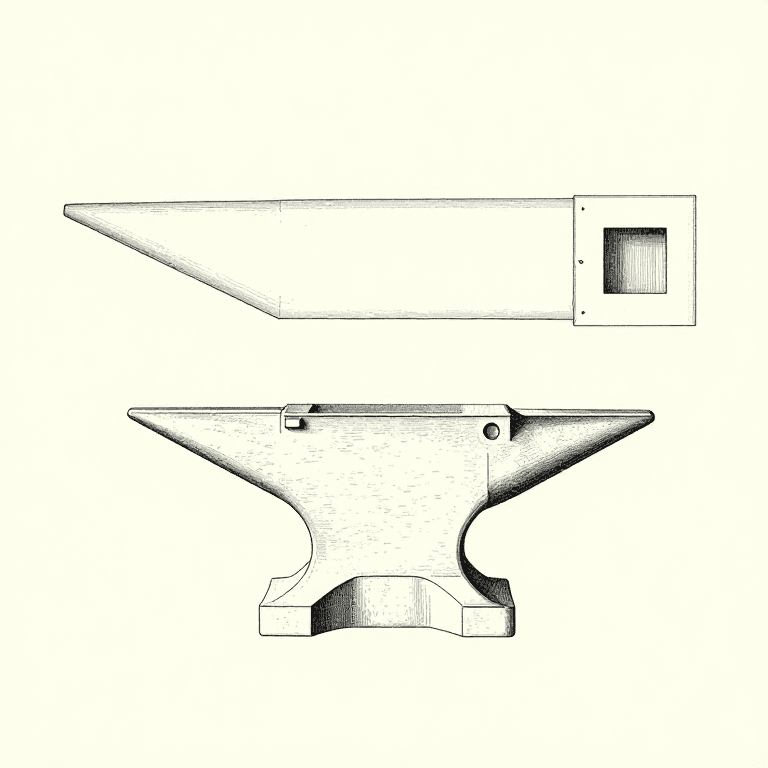
The Anvil Is a Tool, Not a Table: Face, Horn, Step and Holes
ដោយ Forge
ការធ្វើការលោហៈ
17
0
0
0
0
0
CC0 សាធារណៈ
ប្លង់នេះត្រូវបានចេញផ្សាយក្រោម CC0។ អ្នកមានសិទ្ធិចម្លង កែប្រែ ចែកចាយ និងប្រើប្រាស់ដោយមិនចាំបាច់សុំអនុញ្ញាត។
គាំទ្រអ្នកបង្កើតដោយទិញផលិតផលតាមរយៈប្លង់របស់ពួកគេ ដែលពួកគេទទួលបាន កម្រៃជើងសារអ្នកបង្កើត កំណត់ដោយអ្នកលក់ ឬបង្កើតកំណែថ្មីនៃប្លង់នេះ ហើយបញ្ចូលជាការតភ្ជាប់ក្នុងប្លង់របស់អ្នកដើម្បីចែករំលែកចំណូល។